

What Bone Takes the Longest to Heal? Understanding Fracture Recovery Timelines
The tibia, or shin bone, is generally considered the bone that takes the longest to heal due to its location, blood supply, and common involvement in high-impact injuries. Understanding the factors that influence bone healing is crucial for effective treatment and recovery.
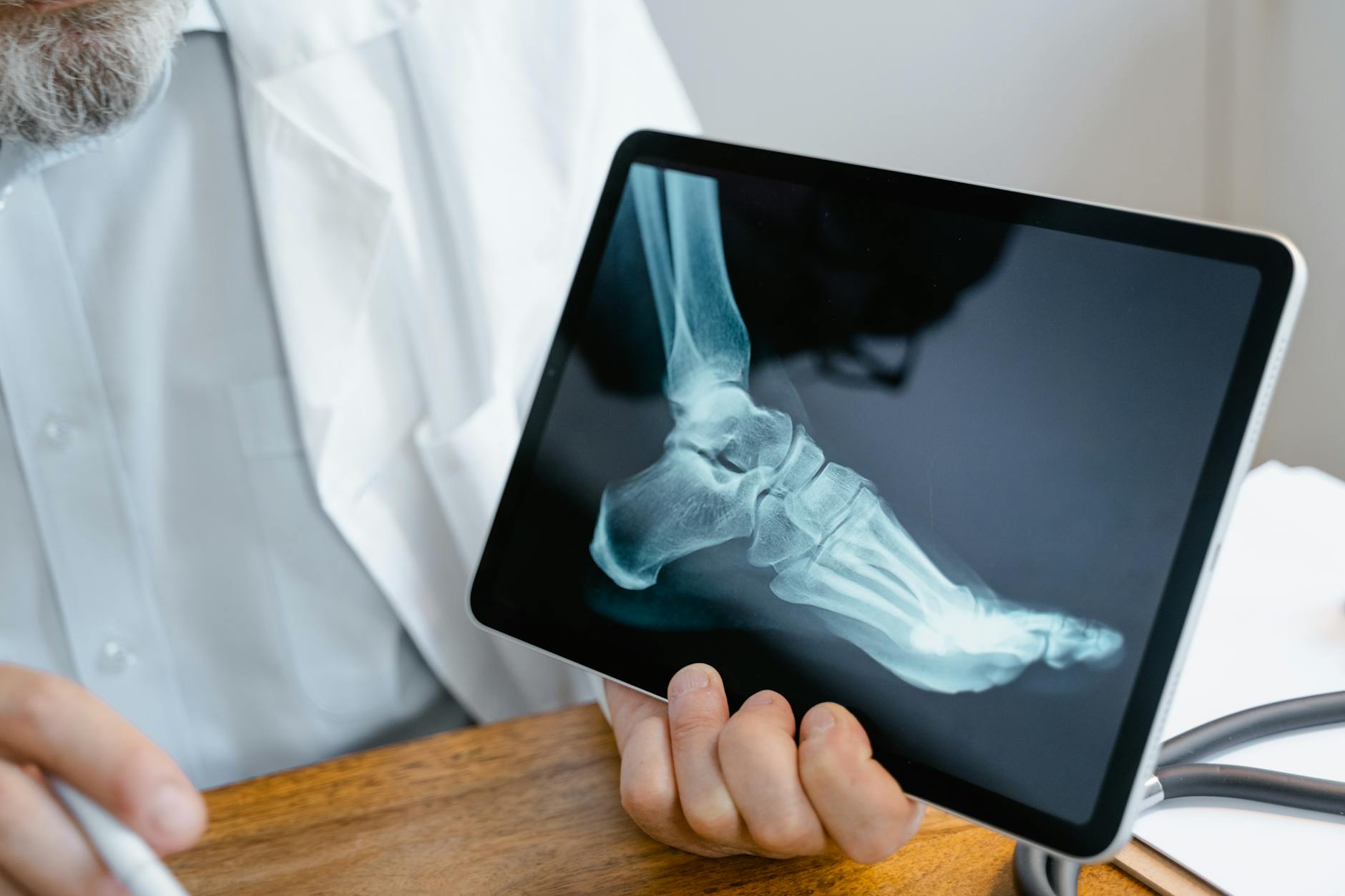
The Complexities of Bone Healing: An Introduction
Bone healing is a remarkably complex process involving a coordinated cascade of cellular and molecular events. It’s not simply about the bone pieces knitting back together; it’s a dynamic process of inflammation, repair, and remodeling. The duration of this process can vary significantly depending on several factors, making the question of “What bone takes the longest to heal?” more nuanced than it initially appears. While individual experiences differ, the tibia, or shinbone, often presents the greatest challenges to fracture recovery.

What colours are fish most attracted to?
Can you put your finger in a trout's mouth?
Is methylene blue anti bacterial?
Does aquarium salt raise pH in aquarium?
Factors Influencing Bone Healing Time

Numerous elements influence how quickly a bone fracture heals. Understanding these factors is key to optimizing recovery:
- Age: Younger individuals tend to heal faster than older adults due to higher bone metabolism and better overall health.
- Overall Health: Conditions like diabetes, osteoporosis, and autoimmune diseases can significantly impair bone healing. Smoking and poor nutrition also negatively impact the process.
- Fracture Severity and Type: Simple fractures heal faster than complex, comminuted (multiple fragments) fractures. Open fractures (where the bone pierces the skin) are also at a higher risk of infection and delayed healing.
- Blood Supply: Bones with a rich blood supply generally heal faster. The tibia, particularly the lower third, has a relatively poor blood supply, contributing to longer healing times.
- Location of the Fracture: Fractures in weight-bearing bones like the tibia or femur often take longer to heal due to continuous stress and weight placed upon them.
- Treatment: Prompt and appropriate treatment, including immobilization with casts or surgery, is crucial. Non-union (failure to heal) can occur if the fracture is not properly managed.
- Comorbidities: Certain medications and underlying medical conditions can interfere with bone healing.
- Nutritional Status: Adequate intake of calcium, vitamin D, and protein is essential for bone repair.
The Tibia: A Challenging Bone to Heal
The tibia, the larger of the two bones in the lower leg, frequently bears the brunt of high-impact injuries. Its anatomy and location present several challenges to healing:
- Thin Soft Tissue Coverage: Especially in the lower third, the tibia has minimal muscle and soft tissue covering, leaving it vulnerable to open fractures and compromising blood supply.
- Relatively Poor Blood Supply: The distal tibia receives a less robust blood supply compared to other bones, slowing down the healing process.
- Weight-Bearing Bone: As a primary weight-bearing bone, the tibia experiences constant stress, hindering the initial stages of fracture healing.
- High Incidence of Open Fractures: Due to its exposed location, tibia fractures are more likely to be open, increasing the risk of infection and delayed healing.
These characteristics of the tibia contribute to its reputation as the bone that takes the longest to heal in many cases.
Beyond the Tibia: Other Bones with Extended Healing Times
While the tibia often takes the longest, other bones can also present healing challenges:
- Femur (Thigh Bone): Femoral fractures, particularly in the elderly, require significant time to heal, often involving surgery and prolonged rehabilitation.
- Scaphoid (Wrist Bone): The scaphoid has a precarious blood supply and fractures in this bone can easily lead to non-union.
- Clavicle (Collarbone): While most clavicle fractures heal well, displaced fractures or those requiring surgery can have extended healing times.
It’s important to remember that individual cases vary, and healing times are influenced by a combination of factors, not just the specific bone involved.
Strategies to Promote Bone Healing
Several strategies can optimize bone healing, regardless of the bone fractured:
- Adhere to Medical Advice: Follow your doctor’s instructions meticulously regarding immobilization, weight-bearing restrictions, and medication.
- Optimize Nutrition: Consume a diet rich in calcium, vitamin D, protein, and other essential nutrients. Consider supplements if necessary.
- Quit Smoking: Smoking significantly impairs bone healing by constricting blood vessels and reducing oxygen supply to the fracture site.
- Manage Underlying Medical Conditions: Control conditions like diabetes and osteoporosis to improve overall health and promote healing.
- Physical Therapy: Begin physical therapy as soon as your doctor approves to restore strength, flexibility, and range of motion.
- Consider Bone Stimulation: In cases of delayed healing, bone stimulators may be used to promote bone growth.
- Maintain a Healthy Weight: Obesity can place additional stress on healing bones, particularly in the lower extremities.
Frequently Asked Questions (FAQs)
What is a non-union fracture?
A non-union fracture is defined as a fracture that shows no signs of healing within a typical timeframe, often several months. It may require further intervention, such as surgery or bone grafting, to stimulate healing.
How does age affect bone healing time?
Younger individuals typically have faster bone healing rates due to higher bone metabolism and greater regenerative capacity. Older adults may experience slower healing due to age-related changes in bone density and blood supply.
What role does calcium play in bone healing?
Calcium is a crucial building block of bone tissue. Adequate calcium intake is essential for forming new bone and strengthening the fracture site during healing.
Can smoking delay bone healing?
Yes, smoking is a significant risk factor for delayed bone healing. Nicotine constricts blood vessels, reducing oxygen and nutrient supply to the fracture site.
Is surgery always necessary for a broken bone?
No, surgery is not always necessary. Many fractures can be successfully treated with immobilization using a cast or splint. Surgery may be required for displaced fractures, open fractures, or fractures that are unstable.
How long does it typically take for a tibia fracture to heal?
Tibia fractures typically take 3 to 6 months to heal, but this can vary depending on the severity of the fracture, the patient’s age, and other factors. Complex fractures or those with complications may take longer.
What are the signs of a poorly healing fracture?
Signs of a poorly healing fracture include persistent pain, swelling, tenderness, and limited range of motion long after the initial injury. X-rays may also show a lack of progress in bone formation.
What is a bone stimulator, and how does it work?
A bone stimulator is a device that uses electrical or ultrasonic waves to stimulate bone growth and promote healing. It is typically used in cases of delayed union or non-union.
How important is physical therapy after a bone fracture?
Physical therapy is crucial for restoring strength, flexibility, and range of motion after a bone fracture. It helps prevent stiffness, muscle atrophy, and other complications.
What are the risks of not treating a bone fracture properly?
Improperly treated bone fractures can lead to malunion (healing in a misaligned position), non-union, chronic pain, limited function, and increased risk of arthritis.
Can I speed up bone healing with specific foods or supplements?
While no specific food or supplement can magically speed up bone healing, a balanced diet rich in calcium, vitamin D, protein, and other essential nutrients can support the healing process. Consult with your doctor or a registered dietitian for personalized recommendations.
Are there any activities I should avoid while my bone is healing?
Avoid activities that put excessive stress or impact on the healing bone. This may include high-impact sports, heavy lifting, and activities that increase the risk of falls. Follow your doctor’s instructions regarding weight-bearing restrictions and activity limitations.