

What Birds Are Associated with Evil?
Some birds have consistently been linked to evil and misfortune across cultures. This article delves into the specific bird species most frequently associated with negative symbolism and the reasons behind these ominous associations.

Introduction: Feathers of Fear
The image of a bird soaring through the sky often evokes feelings of freedom and wonder. However, not all feathered creatures carry such positive connotations. Throughout history and across diverse cultures, certain birds have become deeply entwined with symbolism of death, bad luck, and even outright evil. From ancient folklore to modern literature, these avian figures tap into primal fears and superstitions, shaping our perception of the natural world. Understanding what birds are associated with evil provides a fascinating glimpse into the human psyche and our enduring fascination with the darker aspects of existence.

What colours are fish most attracted to?
Can you put your finger in a trout's mouth?
Is methylene blue anti bacterial?
Does aquarium salt raise pH in aquarium?
Cultural Significance: A Winged Tapestry of Beliefs
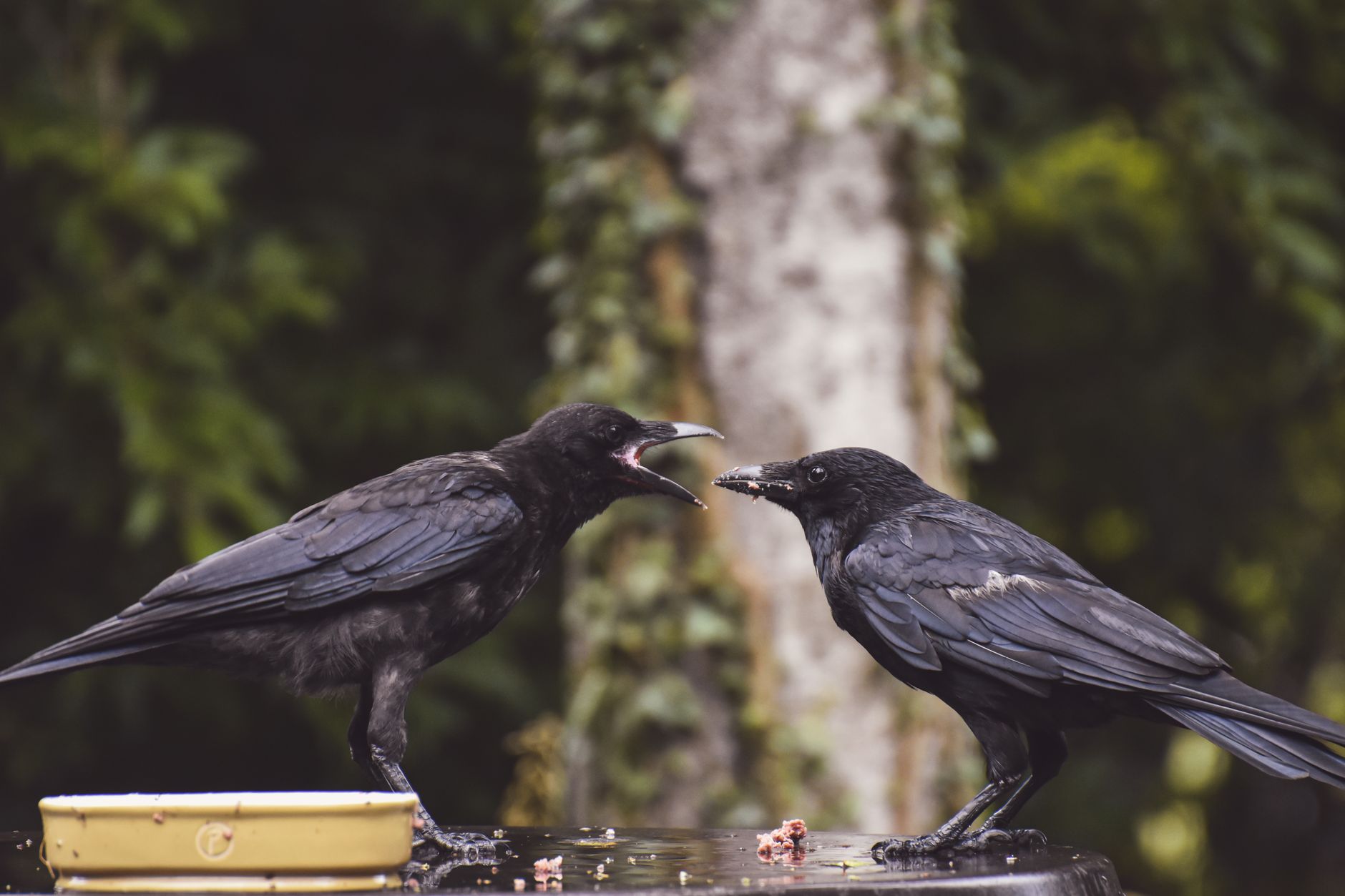
The association of birds with good or evil isn’t random. It’s deeply rooted in cultural observations, behaviors, and even perceived physical attributes. Birds that scavenge on carrion, emit unsettling calls, or exhibit nocturnal habits are more likely to be viewed with suspicion. These associations often become embedded in myths, legends, and religious beliefs, solidifying their place as harbingers of misfortune. The specific birds linked to evil can vary widely depending on geographic location and cultural context, illustrating the diverse ways in which humans interpret the natural world.
The Usual Suspects: Birds Frequently Linked to Evil
While the exact list varies by region, several bird species are consistently linked to evil across different cultures:
- Ravens and Crows: Perhaps the most well-known association. Their dark plumage, scavenging habits, and haunting calls have made them symbols of death, bad luck, and ill omens in many cultures, including Celtic, Norse, and Native American traditions.
- Owls: Often associated with wisdom, owls also have a darker side. Their nocturnal habits, silent flight, and piercing gaze have linked them to witchcraft, the underworld, and even death, particularly in European folklore.
- Vultures: As carrion eaters, vultures are naturally associated with death and decay. Their presence circling above a battlefield or carcass reinforces their connection to mortality and the macabre.
- Bats (Technically Mammals, but Included Due to Flight): While not birds, bats are often grouped with birds in symbolic contexts. Their nocturnal habits and association with darkness have made them prominent symbols of evil, particularly in Western cultures. The vampire myth is a prime example.
Why These Birds? Exploring the Underlying Reasons
The negative associations with these birds often stem from a combination of factors:
- Appearance: Dark plumage and unsettling features (e.g., hooked beaks, piercing eyes) can trigger subconscious fear responses.
- Behavior: Scavenging, nocturnal habits, and unusual calls can contribute to negative perceptions.
- Mythology and Folklore: Stories and legends reinforce and perpetuate these associations over generations.
- Ecological Role: Birds associated with death or decay are naturally linked to negative concepts.
Breaking Down the Misconceptions
It’s important to remember that these associations are largely based on cultural perceptions and superstitions. In reality, these birds play vital roles in their ecosystems. Vultures, for example, help prevent the spread of disease by cleaning up carrion. Owls are efficient predators that control rodent populations. Understanding their ecological importance can help dispel some of the negative myths surrounding them.
The Psychology of Fear: Why We Fear Certain Birds
The fear associated with these birds can be linked to several psychological factors:
- Primordial Fear: An instinctive fear of predators and scavengers that is rooted in our evolutionary history.
- Uncertainty and the Unknown: Nocturnal creatures and symbols of death tap into our fear of the unknown and the unpredictable.
- Cultural Conditioning: We learn to associate certain birds with negative concepts through stories, legends, and cultural traditions.
Practical Implications: Respecting Wildlife and Understanding Culture
Understanding what birds are associated with evil is not about encouraging fear or hatred of these creatures. Rather, it’s about gaining a deeper appreciation for the complex relationship between humans and the natural world. By recognizing the cultural significance of these birds, we can better understand the beliefs and values of different societies. It also underscores the importance of conservation and respecting all forms of wildlife, regardless of their perceived symbolism.
Beyond Superstition: The Real-World Value of “Evil” Birds
Despite their negative connotations, many of these birds offer valuable services to the ecosystem. They play vital roles in controlling populations, cleaning up waste, and maintaining ecological balance. Understanding and appreciating their true worth can help shift perceptions and promote conservation efforts.
Here’s a table summarizing common associations:
| Bird | Common Associations | Reasons for Association | Ecological Role |
|---|---|---|---|
| Raven/Crow | Death, Bad Luck, Ill Omens | Dark plumage, scavenging habits, haunting calls, historical symbolism | Scavenging, seed dispersal, insect control |
| Owl | Witchcraft, Underworld, Death | Nocturnal habits, silent flight, piercing gaze, historical folklore | Predator of rodents and other small animals, maintaining ecosystem balance |
| Vulture | Death, Decay, Mortality | Carrion eating, association with battlefields and carcasses | Scavenging, preventing the spread of disease |
| Bat | Evil, Vampires, Darkness | Nocturnal habits, association with caves and dark places, folklore | Insect control, pollination, seed dispersal (depending on the species) |
Common Mistakes in Understanding Bird Symbolism
Misunderstanding bird symbolism often stems from:
- Generalizations: Assuming that all ravens or all owls carry the same negative connotations.
- Ignoring Cultural Context: Applying Western interpretations to non-Western traditions.
- Oversimplification: Reducing complex symbolism to simple labels of “good” or “evil.”
Conclusion: A More Nuanced Perspective
What birds are associated with evil is a complex question with answers rooted in history, culture, and psychology. While certain birds have been consistently linked to negative symbolism, it’s important to understand the underlying reasons for these associations and to appreciate the vital roles these creatures play in the natural world. By moving beyond simplistic labels and embracing a more nuanced perspective, we can gain a deeper understanding of both ourselves and the environment we inhabit.
Frequently Asked Questions (FAQs)
Why are ravens and crows so often associated with death?
Ravens and crows have a long history of association with death, largely due to their scavenging habits and dark plumage. They are often seen feeding on carrion, leading to their connection with mortality and decay. Their presence on battlefields throughout history has further solidified their image as harbingers of death.
Do all cultures view owls as symbols of evil?
No, not all cultures view owls negatively. In some cultures, owls are symbols of wisdom and knowledge. However, in many Western cultures, their nocturnal habits and silent flight have led to associations with witchcraft, the underworld, and even death. It’s crucial to consider the cultural context when interpreting owl symbolism.
Are vultures inherently evil animals?
Absolutely not. Vultures are essential to maintaining ecosystem health by cleaning up carrion and preventing the spread of disease. Their association with death is simply a consequence of their dietary habits, not an indication of inherent evil.
Why are bats included in discussions about birds and evil?
Although bats are mammals, they are often grouped with birds in symbolic contexts because of their ability to fly. Their nocturnal habits and association with dark places have made them prominent symbols of evil, particularly in Western cultures, often linked to vampires and other creatures of the night.
Does the color of a bird influence its symbolic meaning?
Yes, color often plays a significant role in bird symbolism. Dark colors, such as black and gray, are frequently associated with negative concepts like death, mourning, and evil, while brighter colors are more often linked to positive emotions and symbolism.
How has literature and film influenced the perception of “evil” birds?
Literature and film have played a significant role in perpetuating and reinforcing the negative associations with certain birds. Edgar Allan Poe’s “The Raven” is a classic example, while numerous horror films feature owls or crows as ominous symbols.
Are there any scientific reasons to fear certain birds?
While some birds can carry diseases or exhibit aggressive behavior, there are generally no scientific reasons to fear them. The fear associated with certain birds is largely based on cultural perceptions and superstitions rather than actual threats.
Can the same bird symbolize both good and evil?
Yes, the same bird can have different symbolic meanings depending on the cultural context. The owl, for example, is seen as a symbol of wisdom in some cultures, while in others, it’s associated with death and witchcraft.
How can we overcome negative associations with these birds?
Education and understanding are key to overcoming negative associations. Learning about the ecological importance of these birds and their role in maintaining ecosystem health can help shift perceptions.
What is the role of superstition in shaping these associations?
Superstition plays a significant role in shaping the association of birds with evil. Many of these associations are rooted in ancient beliefs and folklore that have been passed down through generations.
Are there any specific birds that are considered “good” or lucky?
Yes, many birds are considered “good” or lucky in various cultures. Examples include doves (symbols of peace), robins (harbingers of spring), and bluebirds (symbols of happiness).
Why do some people actively promote positive views of “evil” birds?
Promoting positive views of these birds often stems from a desire to counteract negative stereotypes and highlight the ecological importance of these creatures. It’s also about challenging superstition and promoting a more nuanced understanding of the natural world.