

What Bear Can You Scare Away? Understanding Bear Deterrence Techniques
The answer to what bear can you scare away? largely depends on the bear species and the specific situation, but generally, black bears are the most readily deterred using non-lethal methods, while brown bears (grizzlies) and polar bears require more cautious and specialized approaches.
Introduction: The Importance of Bear Deterrence
Coexisting with bears requires understanding their behavior and implementing effective deterrents. Whether you’re hiking, camping, or living in bear country, knowing what bear can you scare away? is crucial for both human safety and bear conservation. Properly applied deterrents can prevent negative interactions, reduce human-caused bear deaths, and promote a healthier relationship between humans and wildlife. A crucial first step is correctly identifying the species of bear you’re dealing with, as deterrence methods will differ significantly.
What colours are fish most attracted to?
Can you put your finger in a trout's mouth?
Is methylene blue anti bacterial?
Does aquarium salt raise pH in aquarium?
Black Bears: The Most Amenable to Deterrents
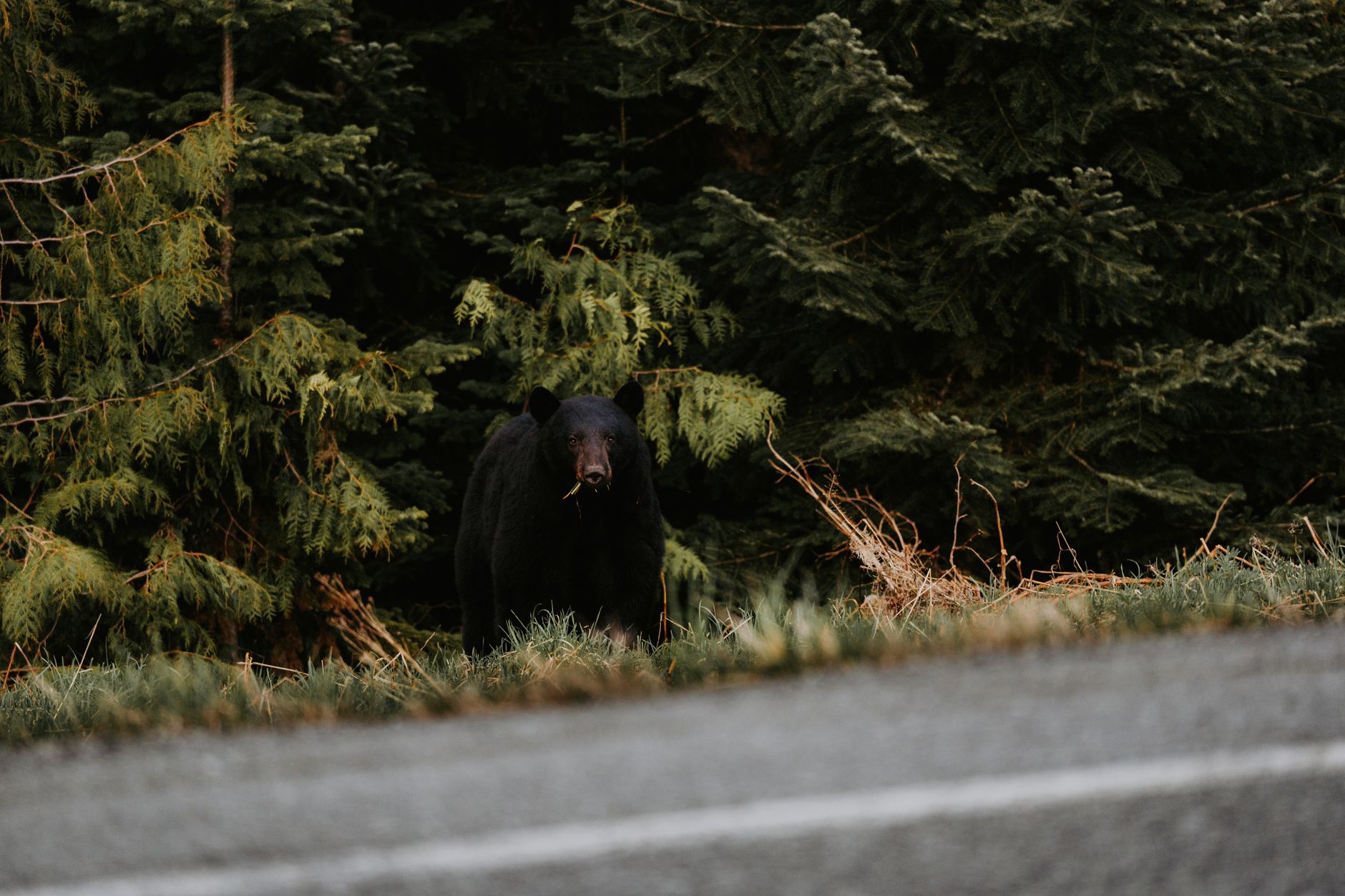
Black bears, the most common bear species in North America, are generally more easily deterred than other bear species. Their behavior is often driven by curiosity and opportunistic foraging.
- Loud noises: Shouting, clapping, or using an air horn can often startle a black bear and cause it to retreat.
- Visual deterrents: Making yourself appear larger by waving your arms or raising an object above your head can also be effective.
- Bear spray: Capsicum-based bear spray is highly effective at deterring black bears, but it must be used properly and at a safe distance.
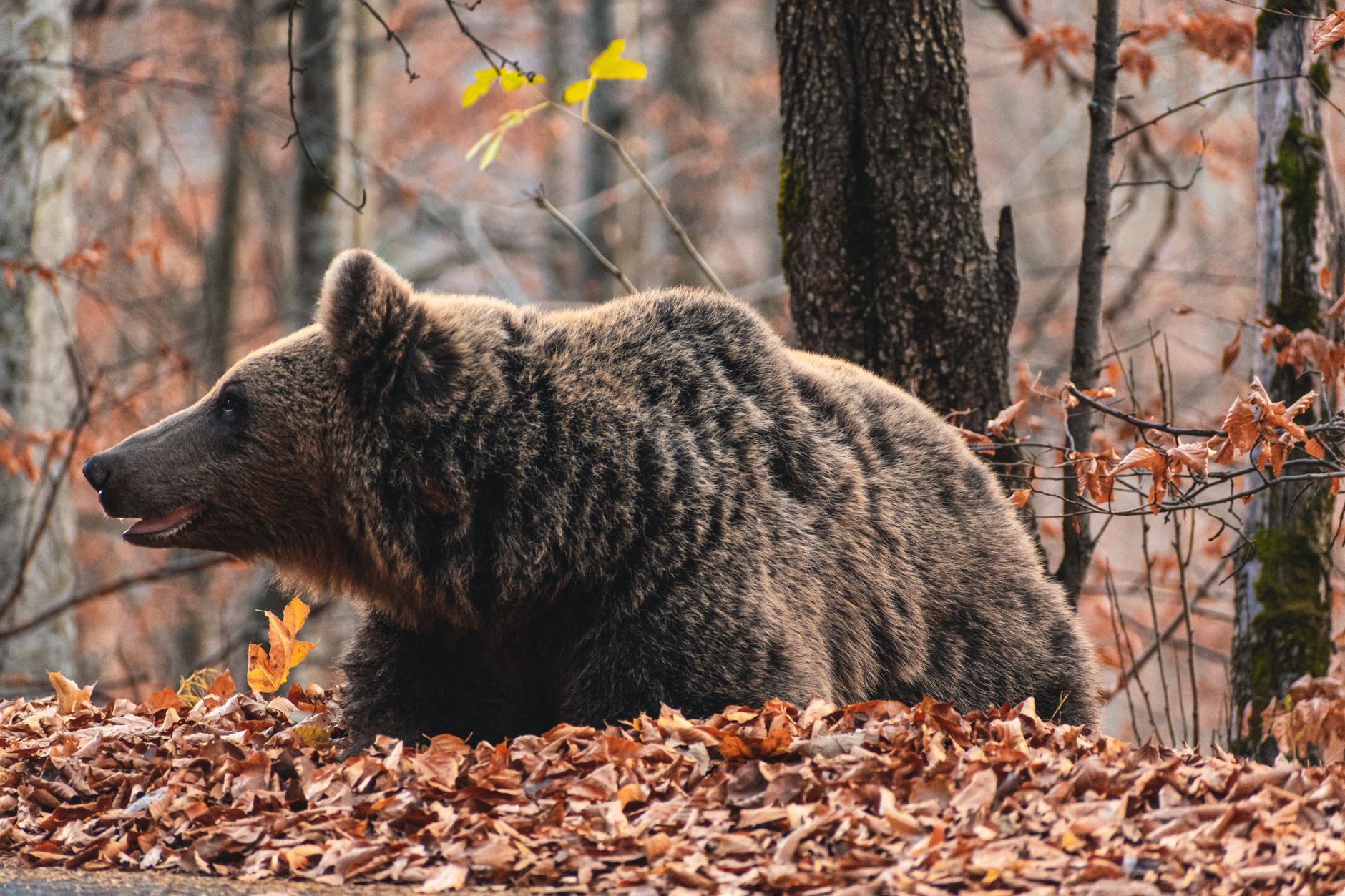
Brown Bears (Grizzlies): A More Cautious Approach
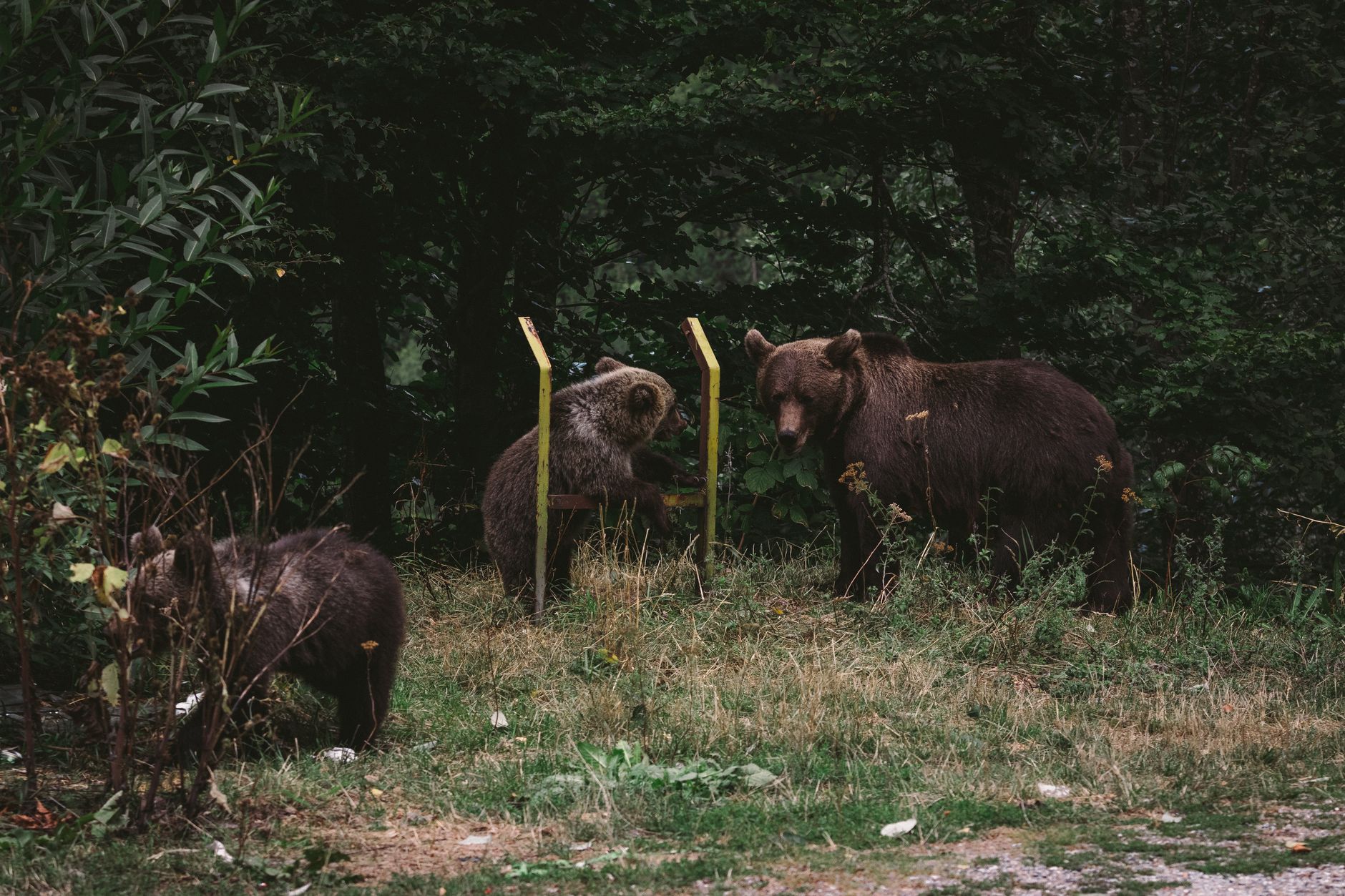
Brown bears, also known as grizzlies, are larger and more powerful than black bears, and they are often more territorial and defensive. Deterring a brown bear requires a more cautious and strategic approach.
- Bear spray: Essential and generally the most effective defense against an attacking grizzly. Aim for the face and keep spraying until the bear retreats.
- Maintaining a safe distance: Avoid approaching brown bears and give them plenty of space.
- Making noise: While hiking in grizzly country, make noise to alert bears to your presence and avoid surprising them.
- Proper food storage: Secure food in bear-resistant containers or hang it from a tree to prevent attracting bears to campsites.
Polar Bears: A Unique Set of Challenges
Polar bears are apex predators that primarily hunt seals on sea ice. Human encounters are rare, but potentially dangerous. Deterring a polar bear requires specialized knowledge and equipment.
- Noise deterrents: Loud noises, such as those produced by vehicles or specialized noisemakers, can sometimes deter polar bears.
- Bear spray: Can be effective, but its efficacy is reduced in windy conditions.
- Firearms: In some circumstances, firearms may be necessary as a last resort, but should only be used by trained professionals.
- Travel in groups: Reduce your vulnerability by traveling in larger groups.
Bear Spray: A Critical Tool
Bear spray is a highly effective, non-lethal deterrent that should be carried by anyone traveling in bear country.
- Active Ingredient: Contains capsaicin and related capsaicinoids, derived from chili peppers.
- Range: Typically effective up to 30 feet.
- Proper Use: Aim for the bear’s face and discharge the entire canister.
- Practice: Familiarize yourself with the spray before venturing into bear country.
Common Mistakes in Bear Deterrence
Many people make critical mistakes when attempting to deter bears, which can lead to dangerous situations.
- Running: Running can trigger a bear’s chase response.
- Approaching a bear: Never approach a bear, regardless of its behavior.
- Feeding bears: Feeding bears habituates them to human food and makes them more likely to approach people.
- Improper food storage: Failing to properly store food attracts bears to campsites and homes.
- Assuming all bears behave the same way: Individual bears can have different personalities and responses to deterrents.
Table: Comparing Bear Species and Deterrence Techniques
| Species | Size | Temperament | Primary Deterrents |
|---|---|---|---|
| Black Bear | Small to medium | Generally timid, opportunistic | Loud noises, visual deterrents, bear spray |
| Brown Bear | Large | Potentially aggressive, territorial | Bear spray, maintaining distance, making noise, food storage |
| Polar Bear | Very large | Apex predator, potentially aggressive | Loud noises, bear spray (limited effectiveness), firearms (last resort) |
Bullet Points: Best Practices for Safe Encounters
- Carry bear spray and know how to use it.
- Make noise while hiking in bear country.
- Store food properly to avoid attracting bears.
- Never approach a bear.
- Be aware of your surroundings.
- Learn to identify bear signs (tracks, scat).
- Respect wildlife and their habitat.
Frequently Asked Questions (FAQs)
What is the most effective bear deterrent?
Bear spray is generally considered the most effective deterrent against attacking bears of all species. It’s crucial to have it readily available and know how to use it properly. Familiarize yourself with your bear spray’s instructions before entering bear country.
How far away should I be from a bear?
The recommended distance depends on the bear species. For black bears, maintain a distance of at least 50 yards (45 meters). For brown bears and polar bears, a distance of at least 100 yards (90 meters) is recommended.
What should I do if a bear approaches my campsite?
Make noise, wave your arms, and try to scare the bear away. If the bear continues to approach, use bear spray. Ensure everyone in your group knows where the bear spray is located and how to use it. Remove all food attractants from the area.
Is it safe to hike alone in bear country?
Hiking in groups is generally safer than hiking alone, as a larger group is more likely to deter a bear and provide assistance in case of an encounter. Always make noise and be aware of your surroundings, regardless of group size.
Can I use firearms for bear defense?
Firearms can be used as a last resort, but they require extensive training and may not be effective in close-range encounters. Bear spray is often a more reliable and ethical option. Always be aware of local regulations.
What should I do if a bear attacks me?
If a black bear attacks, fight back aggressively. If a brown bear attacks and you don’t have bear spray, play dead by lying flat on your stomach and covering your head and neck. However, if the attack persists, fight back.
How do I properly store food in bear country?
Use bear-resistant containers or hang food from a tree at least 10 feet off the ground and 4 feet from the trunk. Ensure all food scraps and garbage are properly disposed of.
Does the effectiveness of bear spray expire?
Yes, bear spray has an expiration date. Check the canister before each trip and replace it if it’s expired. An expired canister may not have the necessary pressure for effective use.
What kind of noise should I make to deter a bear?
Loud, unnatural noises are most effective, such as shouting, clapping, or using an air horn. Avoid making high-pitched or squealing noises, which can sometimes attract bears.
Can I use pepper spray instead of bear spray?
No, pepper spray is not effective against bears. Bear spray has a higher concentration of capsaicinoids and a different spray pattern specifically designed to deter bears.
Are all bears aggressive?
No, not all bears are aggressive. Most bears will try to avoid contact with humans if given the opportunity. Aggression is usually a defensive response to perceived threats.
What signs indicate bear activity in an area?
Look for tracks, scat, claw marks on trees, overturned rocks or logs, and disturbed vegetation. Being aware of these signs can help you avoid potential encounters. Always be vigilant and observant in bear country.