
What are the Threats to the Wolf? A Comprehensive Overview
The primary threats to wolf populations globally are loss of habitat and human-caused mortality including hunting, trapping, and vehicular collisions, driven by fear, conflict over livestock, and habitat fragmentation.

Introduction: A Landscape Shaped by Wolves
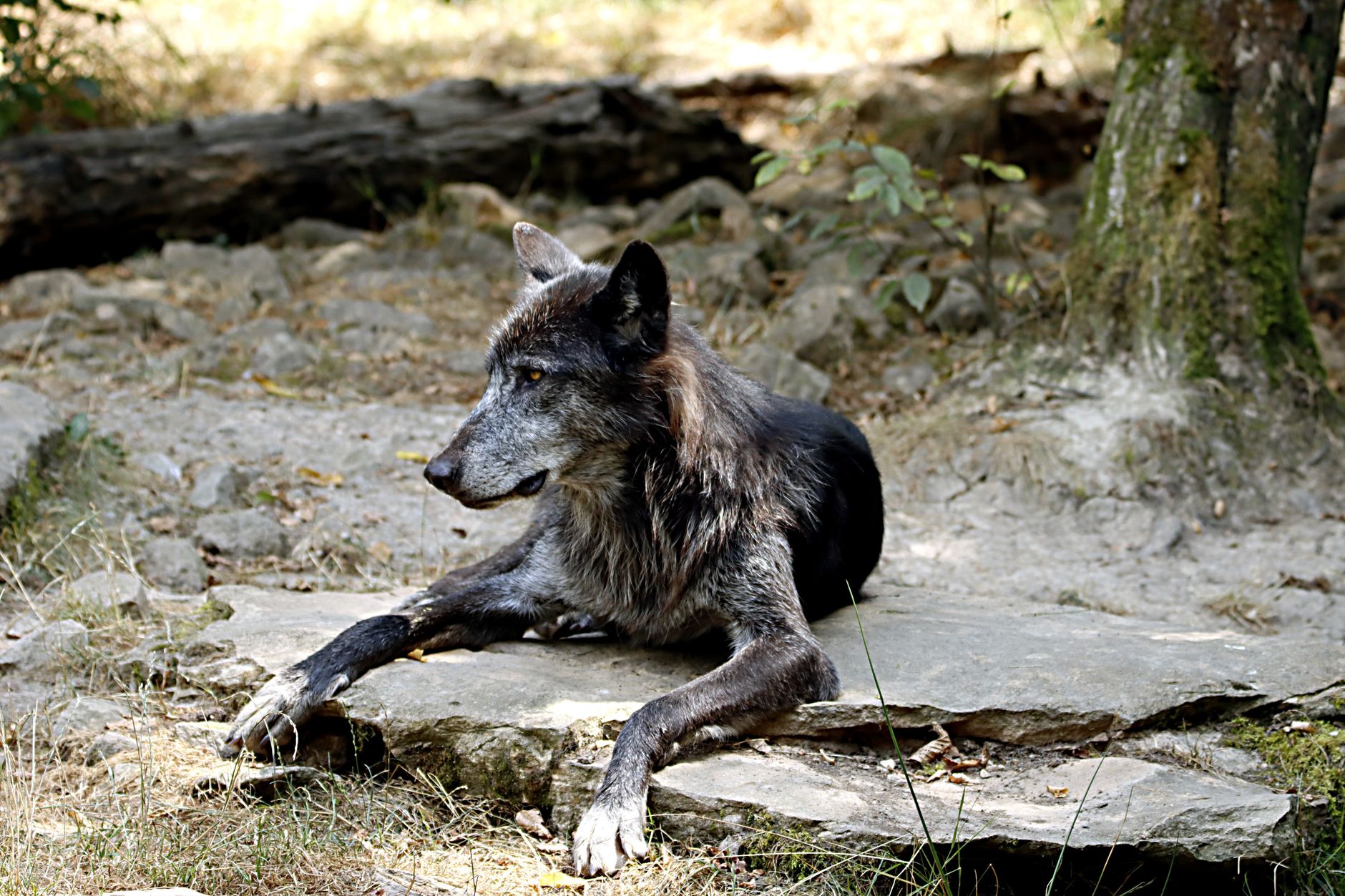
The wolf, Canis lupus, is an apex predator whose very presence shapes entire ecosystems. For millennia, wolves roamed vast territories, keeping ungulate populations in check and promoting biodiversity. Their howls once echoed across continents, a testament to their resilience and adaptability. However, this iconic species has faced relentless persecution and habitat loss, bringing them to the brink of extinction in many areas. Understanding what are the threats to the wolf? is crucial for effective conservation efforts.
What colours are fish most attracted to?
Can you put your finger in a trout's mouth?
Is methylene blue anti bacterial?
Does aquarium salt raise pH in aquarium?
The Unfolding History of Conflict and Conservation
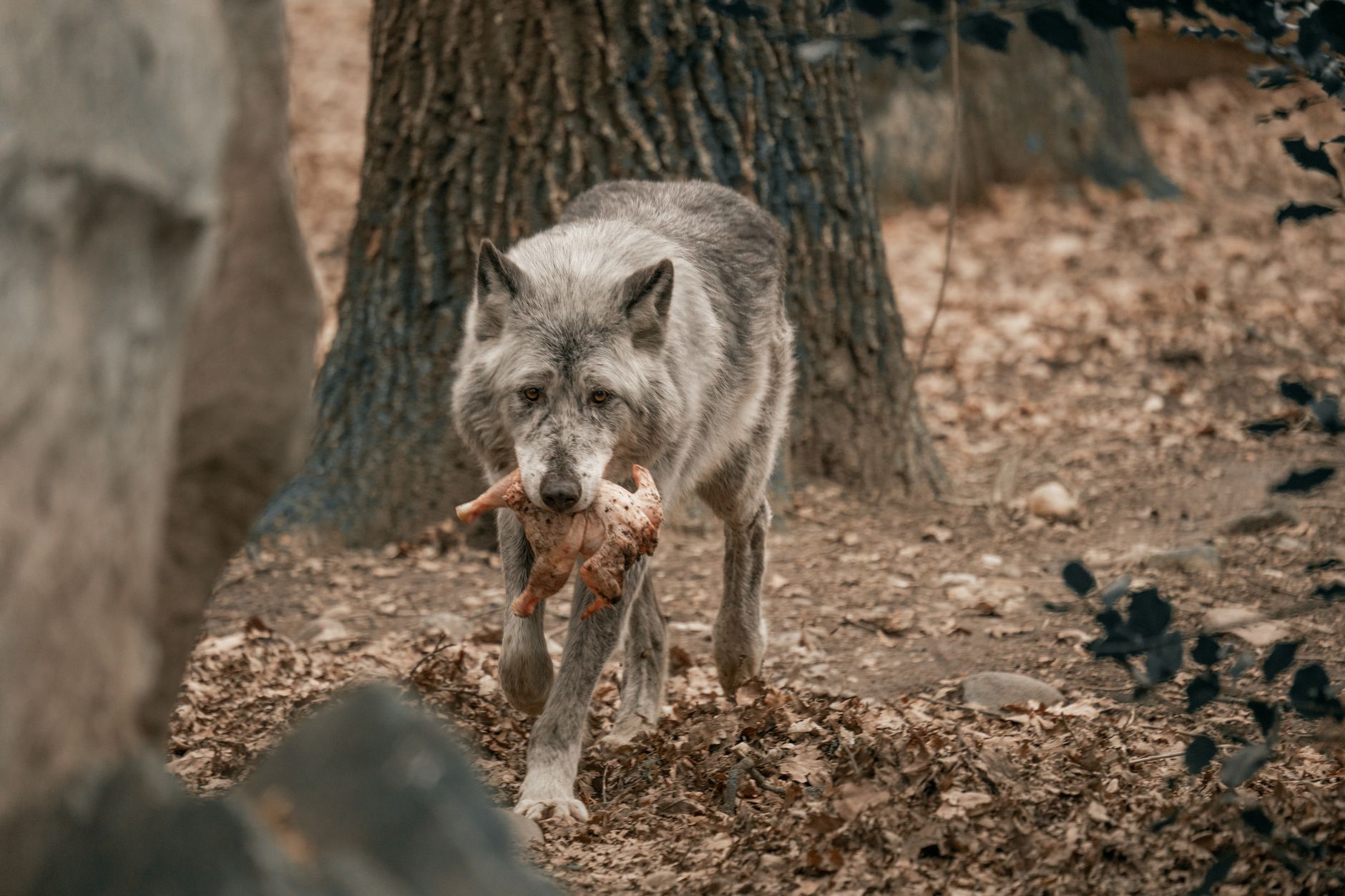
Wolves have long been viewed through a lens of fear and animosity, often unfairly demonized in folklore and popular culture. This perception fueled widespread hunting and trapping campaigns aimed at eradicating wolves from agricultural lands. Bounties were offered, and systematic poisoning decimated populations across Europe and North America.
While historical persecution remains a shadow, the narrative is shifting. Scientific understanding of the wolf’s ecological role and the growing recognition of their intrinsic value are driving conservation efforts. Reintroduction programs, habitat protection measures, and changes in public perception are slowly helping wolf populations recover in some regions. But vigilance is key, as the threats remain potent and multifaceted.
Habitat Loss and Fragmentation: Shrinking Territories
One of the most significant and persistent threats to wolf populations is habitat loss and fragmentation. As human populations expand and land is converted for agriculture, urban development, and resource extraction, wolf habitats shrink and become increasingly isolated.
- Agriculture: Conversion of natural habitats into farmland reduces available territory and decreases prey availability.
- Urbanization: Urban sprawl fragments wolf territories, creating barriers to dispersal and limiting access to potential mates.
- Resource Extraction: Logging, mining, and oil and gas development disrupt wolf habitats, alter prey distribution, and increase human-wolf interactions.
Habitat fragmentation isolates wolf packs, reducing genetic diversity and increasing the risk of local extinction. Isolated populations are more vulnerable to disease outbreaks, genetic bottlenecks, and stochastic events.
Human-Caused Mortality: A Constant Danger
Human-caused mortality remains a major threat to wolf populations, even in areas where they are legally protected. This includes both legal and illegal hunting, trapping, and vehicular collisions.
- Hunting and Trapping: Legal hunting and trapping are permitted in some areas to manage wolf populations or address livestock depredation. Illegal hunting and trapping, driven by poaching and misguided perceptions, pose a significant threat.
- Vehicular Collisions: As wolf populations expand into areas with increasing road networks, the risk of vehicular collisions rises. Roads act as barriers to dispersal and increase the likelihood of wolves being struck by vehicles.
- Livestock Depredation: Conflicts between wolves and livestock owners can lead to retaliatory killings or authorized culls. Addressing livestock depredation requires proactive strategies such as non-lethal deterrents and compensation programs.
Disease and Genetic Challenges: Internal Threats
While external pressures from habitat loss and human activity take a heavy toll, wolves also face internal threats such as disease and genetic challenges.
- Disease: Wolves are susceptible to a range of diseases, including rabies, canine distemper, parvovirus, and mange. Disease outbreaks can decimate local populations, particularly in fragmented habitats where genetic diversity is low.
- Genetic Bottlenecks: Historically, wolf populations experienced severe bottlenecks, resulting in reduced genetic diversity. Low genetic diversity increases vulnerability to disease and environmental change. Hybridization with domestic dogs can also threaten the genetic integrity of wolf populations.
Climate Change: An Emerging Threat
Climate change poses a complex and evolving threat to wolf populations, impacting habitat suitability, prey availability, and disease dynamics.
- Habitat Shifts: Changes in temperature and precipitation patterns can alter vegetation communities, impacting wolf habitats and prey distribution.
- Prey Availability: Climate change can affect the abundance and distribution of ungulate populations, impacting wolf food resources.
- Disease Dynamics: Climate change can alter the distribution and prevalence of diseases that affect wolves and their prey.
The Complexities of Managing Wolf Populations
The management of wolf populations is a complex and often contentious issue, involving diverse stakeholders with conflicting interests. Balancing the ecological role of wolves with the concerns of livestock owners and the needs of local communities requires careful consideration and adaptive management strategies. Understanding what are the threats to the wolf? is essential to effective management.
Frequently Asked Questions (FAQs)
What is the current global population of wolves?
The global wolf population is estimated to be around 200,000-250,000 individuals, distributed across North America, Europe, and Asia. However, population densities vary significantly depending on habitat quality, human activity, and conservation efforts.
What is the difference between a wolf and a coyote?
Wolves are significantly larger than coyotes and have a broader snout and rounder ears. Genetically, they are distinct species, though hybridization can occur in some areas. Wolves typically hunt larger prey, while coyotes tend to focus on smaller animals.
Do wolves attack humans?
Wolf attacks on humans are extremely rare in North America, and most documented attacks are attributed to rabies or habituation. In some parts of Europe and Asia, attacks are more common but still relatively infrequent. Fear and misinformation often exaggerate the risk posed by wolves.
How do wolves benefit ecosystems?
Wolves play a crucial role in maintaining ecosystem health by regulating ungulate populations, preventing overgrazing, and promoting biodiversity. Their presence can influence the behavior of prey species, leading to more balanced vegetation patterns. The return of wolves to Yellowstone National Park, for example, led to significant ecological changes, known as a “trophic cascade.”
What are non-lethal methods to prevent livestock depredation by wolves?
Non-lethal methods include: fencing, guard dogs, fladry (flags on fences), noise deterrents, and improved livestock husbandry practices. These methods can be effective in reducing livestock losses without resorting to lethal control.
What are the legal protections afforded to wolves?
The legal protections afforded to wolves vary depending on the region. In some areas, wolves are protected under endangered species legislation, while in others, they are managed as game animals. Understanding the legal status of wolves is crucial for effective conservation.
How does genetic diversity affect wolf populations?
High genetic diversity makes wolf populations more resilient to disease and environmental change. Low genetic diversity can increase vulnerability to inbreeding depression and genetic disorders. Conservation efforts often focus on maintaining or increasing genetic diversity within wolf populations.
What is the role of corridors in wolf conservation?
Corridors are critical for connecting fragmented wolf habitats and allowing for dispersal and gene flow between populations. Corridors can be natural features such as river valleys or mountain ranges, or they can be created through land-use planning and conservation easements.
What is the impact of climate change on wolf populations?
Climate change can affect wolf populations by altering habitat suitability, prey availability, and disease dynamics. Changes in temperature and precipitation patterns can shift vegetation communities and impact ungulate populations, affecting wolf food resources.
What are the key strategies for wolf conservation?
Key strategies include: habitat protection, reducing human-caused mortality, promoting non-lethal conflict resolution, maintaining genetic diversity, and addressing the impacts of climate change. Effective wolf conservation requires a multi-faceted approach that considers the ecological, social, and economic factors involved.
What is the role of public education in wolf conservation?
Public education is essential for promoting understanding and appreciation of wolves and addressing misconceptions and fears. Effective communication can help build support for wolf conservation and reduce human-wildlife conflict.
What can individuals do to support wolf conservation?
Individuals can support wolf conservation by: educating themselves about wolves, supporting conservation organizations, advocating for responsible land-use planning, and promoting non-lethal conflict resolution. Every action, no matter how small, can contribute to the long-term survival of wolves. Addressing what are the threats to the wolf? needs a unified front.