

What Are the Threats to Chondrichthyes?
The future of Chondrichthyes —the class encompassing sharks, rays, skates, and chimaeras—is under severe duress, primarily due to overfishing and habitat degradation; these factors pose a significant threat to their survival. What are the threats to Chondrichthyes?, this article delves into the complexities of these challenges and offers potential solutions.

Introduction: The Plight of Cartilaginous Fishes
Chondrichthyes, characterized by their cartilaginous skeletons, represent an ancient lineage of fishes vital to marine ecosystems. However, their slow reproductive rates, late maturity, and susceptibility to fishing pressure make them particularly vulnerable. Understanding what are the threats to Chondrichthyes? is crucial for implementing effective conservation strategies. Their disappearance would have cascading effects throughout the entire food web.

What colours are fish most attracted to?
Can you put your finger in a trout's mouth?
Is methylene blue anti bacterial?
Does aquarium salt raise pH in aquarium?
Overfishing: The Primary Driver of Decline
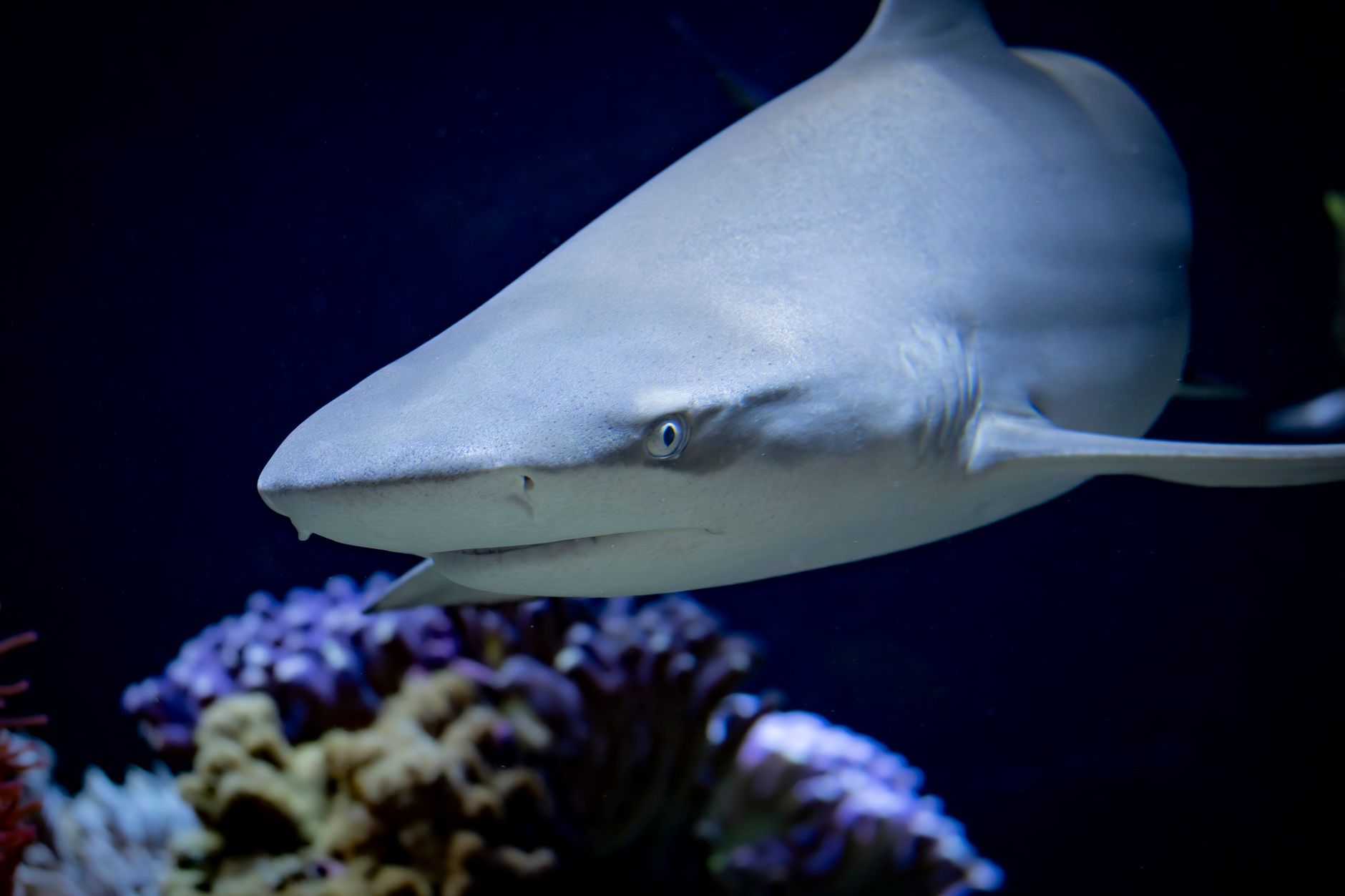
Overfishing stands as the single largest threat to Chondrichthyes populations globally. This encompasses both directed fishing (targeting sharks and rays for their meat, fins, or liver oil) and incidental catch (bycatch) in fisheries targeting other species.
- Directed Fisheries: Shark finning, where fins are removed and the carcass discarded, remains a significant driver of unsustainable fishing. Demand for shark meat in certain markets also fuels targeted fishing.
- Bycatch: Sharks and rays are frequently caught as bycatch in longline, trawl, and gillnet fisheries. Often, they are discarded, even if still alive, resulting in substantial mortality.
Habitat Degradation and Loss
The degradation and loss of critical habitats, such as mangrove forests, coral reefs, and seagrass beds, also pose a significant threat to Chondrichthyes. These environments serve as essential nursery grounds, feeding areas, and refuge from predators, particularly for juvenile sharks and rays.
- Coastal Development: Coastal development, including construction of ports, resorts, and aquaculture farms, destroys and fragments vital habitats.
- Pollution: Pollution from agricultural runoff, industrial waste, and plastic debris contaminates marine environments, impacting the health and survival of Chondrichthyes.
- Climate Change: Rising ocean temperatures, ocean acidification, and altered weather patterns further exacerbate habitat degradation and threaten the long-term survival of Chondrichthyes.
Climate Change and Ocean Acidification
Beyond habitat destruction, climate change itself presents direct threats. The increasing temperatures and acidity of the ocean disrupt biological processes essential for Chondrichthyes.
- Impacts on Reproduction: Elevated temperatures can affect the reproductive success of some species, altering sex ratios and hatching rates.
- Impacts on Prey Availability: Changes in ocean conditions can affect the distribution and abundance of prey species, leading to food shortages for Chondrichthyes.
- Impacts on Calcification: Ocean acidification, caused by the absorption of excess carbon dioxide, makes it more difficult for marine organisms to build and maintain their skeletons and shells, potentially affecting the growth and development of some Chondrichthyes species.
Management Challenges and Conservation Strategies
Addressing what are the threats to Chondrichthyes? requires a multifaceted approach involving improved fisheries management, habitat protection, and international cooperation.
- Effective Fisheries Management: Implementing science-based fishing quotas, banning shark finning, and reducing bycatch are crucial for sustainable fisheries.
- Marine Protected Areas (MPAs): Establishing and enforcing MPAs can safeguard critical habitats and provide refuge for Chondrichthyes populations.
- International Collaboration: International agreements and collaborations are essential for managing migratory shark species and combating illegal fishing.
- Public Awareness and Education: Raising public awareness about the importance of Chondrichthyes and the threats they face is crucial for fostering conservation support.
Here is a table showcasing some examples of threats to Chondrichthyes, their affected species, and potential solutions:
| Threat | Affected Species (Examples) | Potential Solutions |
|---|---|---|
| Overfishing | Hammerhead sharks, Sawfish | Fishing quotas, bycatch reduction devices, finning bans |
| Habitat Degradation | Nurse sharks, Manta rays | Marine protected areas, coastal development regulations |
| Climate Change | Great white sharks, skates | Reduce carbon emissions, manage ocean acidification |
| Pollution | Bull sharks, Eagle rays | Reduce plastic pollution, regulate industrial waste disposal |
Addressing Data Gaps: The Need for Research
A significant challenge in Chondrichthyes conservation is the lack of comprehensive data on their populations, distribution, and life history. Increased research efforts are crucial for informing effective management and conservation strategies.
- Population Assessments: Conducting regular population surveys to track trends and identify species at risk.
- Tagging Studies: Using tagging technology to track the movements and behavior of Chondrichthyes, providing insights into their habitat use and connectivity.
- Genetic Studies: Analyzing genetic diversity to assess population structure and identify distinct populations.
Frequently Asked Questions (FAQs)
Why are sharks and rays important for the ocean ecosystem?
Sharks and rays are apex predators, playing a crucial role in maintaining the balance of marine ecosystems. By controlling populations of lower trophic levels, they help to prevent overgrazing of seagrass beds and coral reefs, ensuring the overall health and stability of these vital habitats. Their removal can lead to trophic cascades and ecosystem collapse.
What is shark finning, and why is it so destructive?
Shark finning is the practice of removing a shark’s fins and discarding the body at sea. This is incredibly destructive because the shark, unable to swim, either drowns or is eaten alive. The fins are highly valued in certain markets, driving a cruel and unsustainable industry that has decimated shark populations worldwide.
How does bycatch affect shark and ray populations?
Bycatch refers to the unintentional capture of non-target species in fisheries. Sharks and rays are frequently caught as bycatch in various fishing gear, such as longlines and trawls. Because of their slow reproductive rates, even moderate levels of bycatch can have a devastating impact on their populations.
What are Marine Protected Areas (MPAs), and how do they help Chondrichthyes?
MPAs are designated areas where fishing and other human activities are restricted or prohibited. These areas provide refuge for Chondrichthyes, allowing populations to recover and thrive. They can also protect critical habitats such as nursery grounds and feeding areas.
What can be done to reduce bycatch of sharks and rays?
Several measures can be taken to reduce bycatch, including using modified fishing gear, such as circle hooks and turtle excluder devices, implementing time-area closures during critical periods, and improving fisheries management practices to reduce fishing effort in areas where sharks and rays are abundant. Responsible fishing is key.
How does climate change threaten Chondrichthyes?
Climate change affects Chondrichthyes through several mechanisms, including rising ocean temperatures, ocean acidification, and changes in prey availability. These changes can impact their reproduction, growth, and survival . Ocean acidification, in particular, can make it more difficult for some species to build and maintain their cartilaginous skeletons.
What role does international cooperation play in Chondrichthyes conservation?
International cooperation is essential for managing migratory shark species and combating illegal fishing. Many shark species migrate across national boundaries, requiring coordinated management efforts. International agreements and collaborations are crucial for ensuring their long-term conservation.
What can individuals do to help protect sharks and rays?
Individuals can make a difference by making sustainable seafood choices, supporting organizations working to protect sharks and rays, and advocating for stronger conservation policies. Educating others about the importance of these animals is also crucial. Consumer choices can have a significant impact.
What are some examples of successful Chondrichthyes conservation efforts?
Several successful conservation efforts have been implemented worldwide. These include fishing bans in specific areas, the establishment of MPAs, and the development of innovative fishing gear to reduce bycatch. Continued vigilance and adaptation are vital for sustaining these successes.
How can we improve our understanding of Chondrichthyes populations?
Improving our understanding of Chondrichthyes populations requires increased research efforts, including population assessments, tagging studies, and genetic analyses. This data is essential for informing effective management and conservation strategies. Scientific data is the foundation for informed action.
Why are sawfish particularly vulnerable?
Sawfish are exceptionally vulnerable due to their slow reproductive rates, late maturity, and the unique vulnerability of their rostrum (saw) to entanglement in fishing gear. Their distinctive saw makes them particularly susceptible to bycatch.
What innovative technologies are being used to study and protect Chondrichthyes?
Several innovative technologies are being used, including satellite tagging, acoustic telemetry, and environmental DNA (eDNA) analysis. Satellite tags allow scientists to track the long-distance movements of sharks and rays, while acoustic telemetry provides detailed information on their local habitat use. eDNA analysis can be used to detect the presence of rare or elusive species in a given area. These advanced tools are revolutionizing our understanding and protection of Chondrichthyes.