
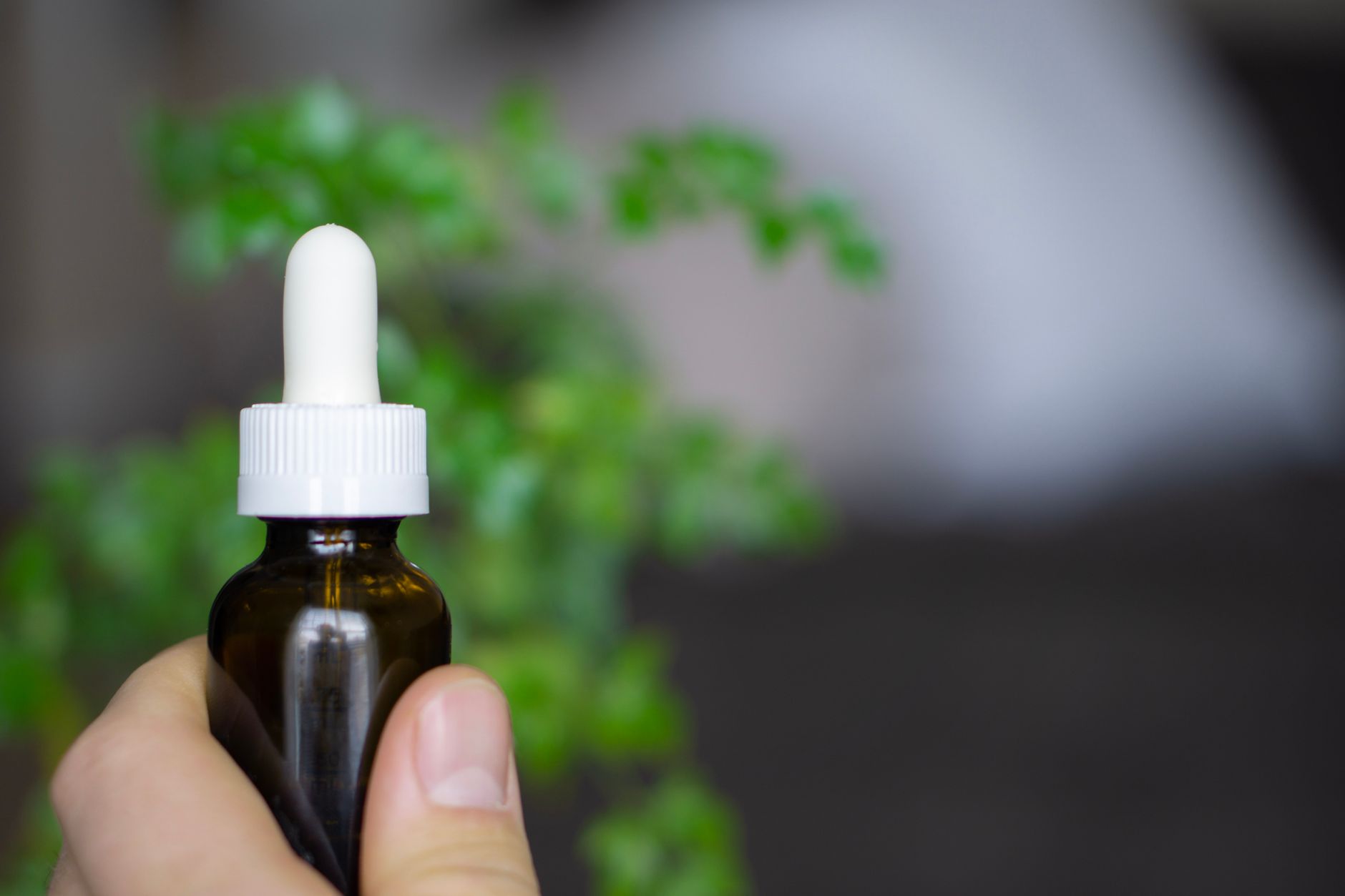
What are the Pros and Cons of CBD Oil for Dogs?
CBD oil for dogs offers potential benefits like pain relief and anxiety reduction, but also carries risks of side effects and uncertain long-term effects. Determining what are the pros and cons of CBD oil for dogs? requires careful consideration.

Introduction to CBD Oil for Dogs
The popularity of CBD (cannabidiol) oil has surged in recent years, not just for humans but also for our canine companions. As pet owners, we naturally want to alleviate any discomfort or suffering our dogs might experience. CBD oil is increasingly marketed as a natural remedy for various canine ailments, from arthritis to anxiety. However, navigating the world of CBD for pets requires a nuanced understanding of its potential benefits and drawbacks. It’s crucial to separate anecdotal evidence from scientifically backed research to make informed decisions about your dog’s health. This article aims to provide a comprehensive overview of what are the pros and cons of CBD oil for dogs?.

What colours are fish most attracted to?
Can you put your finger in a trout's mouth?
Is methylene blue anti bacterial?
Does aquarium salt raise pH in aquarium?
Potential Benefits of CBD Oil for Dogs

The potential benefits of CBD oil for dogs are primarily related to its interaction with the endocannabinoid system (ECS), a complex network of receptors that regulates various bodily functions. While research is ongoing, some studies and anecdotal reports suggest the following benefits:
- Pain Relief: CBD may help reduce pain associated with arthritis, hip dysplasia, and other chronic conditions by reducing inflammation.
- Anxiety Reduction: CBD can have calming effects, potentially alleviating anxiety related to separation, loud noises (like fireworks), and travel.
- Seizure Control: Some studies indicate that CBD may help reduce the frequency and severity of seizures in dogs with epilepsy.
- Improved Appetite: CBD may stimulate appetite in dogs experiencing nausea or loss of appetite due to illness or medication.
- Reduced Inflammation: CBD’s anti-inflammatory properties could benefit dogs with inflammatory bowel disease (IBD) or other inflammatory conditions.
It’s important to note that these benefits are still under investigation, and more research is needed to confirm their effectiveness and determine optimal dosages.
Potential Risks and Side Effects of CBD Oil for Dogs
While CBD oil is generally considered safe for dogs, potential risks and side effects exist. Owners need to be aware of these before beginning treatment:
- Drowsiness: CBD can cause drowsiness or lethargy, especially at higher doses.
- Dry Mouth: CBD may reduce saliva production, leading to increased thirst.
- Lowered Blood Pressure: In some cases, CBD can cause a temporary drop in blood pressure.
- Increased Liver Enzymes: CBD may affect liver function, potentially leading to elevated liver enzyme levels. Regular blood tests are recommended for dogs on long-term CBD treatment.
- Drug Interactions: CBD can interact with other medications, potentially altering their effectiveness or increasing the risk of side effects. Consult with your veterinarian about potential drug interactions before giving your dog CBD.
- Lack of Regulation: The CBD market is largely unregulated, meaning that product quality and purity can vary significantly. Choose reputable brands and look for products that have been third-party tested for potency and contaminants.
- Digestive Upset: Some dogs experience mild digestive upset such as diarrhea or vomiting when first starting CBD or with higher doses.
Choosing the Right CBD Oil for Your Dog
Selecting a high-quality CBD oil is crucial for ensuring safety and effectiveness. Consider these factors:
- Source of CBD: Opt for CBD oil derived from organically grown hemp to minimize exposure to pesticides and herbicides.
- Extraction Method: CO2 extraction is considered the safest and most effective method for extracting CBD.
- Third-Party Testing: Choose products that have been third-party tested to verify potency and purity. Look for a Certificate of Analysis (COA) that confirms the CBD content and absence of contaminants.
- THC Content: Ensure that the CBD oil contains less than 0.3% THC (tetrahydrocannabinol), the psychoactive compound found in marijuana, which is illegal and potentially harmful to dogs.
- Formulation: CBD oil is available in various formulations, including tinctures, capsules, and treats. Choose a formulation that is easy to administer to your dog.
Dosage and Administration
The appropriate dosage of CBD oil for dogs varies depending on several factors, including the dog’s weight, the severity of the condition being treated, and individual sensitivity. It’s best to start with a low dose and gradually increase it until the desired effect is achieved. Consult with your veterinarian to determine the optimal dosage for your dog.
CBD oil can be administered directly into your dog’s mouth using a dropper or added to their food. Monitor your dog for any adverse effects and adjust the dosage accordingly.
Alternatives to CBD Oil for Dogs
While CBD oil may offer potential benefits for dogs, it’s not the only option available. Depending on the condition being treated, other alternatives may include:
- Traditional Veterinary Medications: Prescription medications prescribed by your veterinarian may be necessary for certain conditions.
- Physical Therapy: Physical therapy can help improve mobility and reduce pain in dogs with arthritis or other musculoskeletal problems.
- Acupuncture: Acupuncture may help relieve pain and inflammation in dogs.
- Dietary Changes: A balanced diet and weight management can improve overall health and reduce inflammation.
- Supplements: Glucosamine and chondroitin supplements can support joint health.
Choosing the right treatment for your dog requires careful consideration of the potential benefits, risks, and alternatives. Consult with your veterinarian to develop a comprehensive treatment plan.
Understanding the Research Landscape
Research on CBD oil for dogs is still in its early stages, but there are some promising studies. For example, a 2018 study published in Frontiers in Veterinary Science found that CBD oil helped reduce pain and increase activity in dogs with osteoarthritis. However, more research is needed to confirm these findings and determine the long-term effects of CBD on dogs.
It’s important to be critical of the information you find online and rely on credible sources, such as peer-reviewed scientific journals and veterinary experts. Avoid relying solely on anecdotal evidence or testimonials.
The Legal Landscape
The legal status of CBD oil varies depending on the source of the CBD and the state or country in which you reside. In the United States, CBD oil derived from hemp (containing less than 0.3% THC) is legal at the federal level. However, some states have stricter regulations regarding the sale and use of CBD products.
It’s important to be aware of the laws in your area before purchasing or using CBD oil for your dog.
FAQs about CBD Oil for Dogs
Is CBD oil safe for all dogs?
While generally considered safe, CBD oil is not necessarily safe for all dogs. Dogs with certain medical conditions, such as liver or kidney disease, may be more susceptible to side effects. It’s crucial to consult with your veterinarian before giving your dog CBD oil, especially if they are already taking other medications.
What is the difference between CBD oil and hemp oil?
CBD oil is extracted from the flowers, leaves, and stalks of the hemp plant and contains a high concentration of CBD. Hemp oil, also known as hemp seed oil, is extracted from the seeds of the hemp plant and contains little to no CBD. Hemp oil is rich in omega-3 and omega-6 fatty acids, which can be beneficial for skin and coat health, but it does not provide the same therapeutic benefits as CBD oil.
Can CBD oil cure my dog’s condition?
CBD oil is not a cure-all for any medical condition. While it may help alleviate symptoms and improve quality of life, it is not a substitute for traditional veterinary care. It’s important to work with your veterinarian to develop a comprehensive treatment plan for your dog’s condition.
How long does it take for CBD oil to work in dogs?
The time it takes for CBD oil to work in dogs can vary depending on several factors, including the dog’s weight, the severity of the condition, and the dosage. Some dogs may experience relief within 30 minutes to an hour, while others may take several days or weeks to show noticeable improvement.
What are the signs that my dog is having a negative reaction to CBD oil?
Signs that your dog may be having a negative reaction to CBD oil include excessive drowsiness, lethargy, vomiting, diarrhea, loss of coordination, and increased thirst. If you notice any of these signs, discontinue use and consult with your veterinarian.
Can I give my dog too much CBD oil?
Yes, it is possible to give your dog too much CBD oil. While CBD is generally considered safe, high doses can cause side effects such as drowsiness, lethargy, and digestive upset. It’s important to start with a low dose and gradually increase it until the desired effect is achieved.
Is it legal to give my dog CBD oil?
The legality of giving your dog CBD oil depends on the source of the CBD and the laws in your state or country. In the United States, CBD oil derived from hemp (containing less than 0.3% THC) is legal at the federal level. However, some states have stricter regulations.
Will CBD oil get my dog high?
CBD oil derived from hemp will not get your dog high, as it contains very little THC (less than 0.3%), the psychoactive compound found in marijuana. Only products with significant levels of THC can produce such effects.
Can CBD oil interact with my dog’s medications?
CBD oil can interact with certain medications, potentially altering their effectiveness or increasing the risk of side effects. Consult with your veterinarian about potential drug interactions before giving your dog CBD oil.
Where can I buy high-quality CBD oil for my dog?
You can buy high-quality CBD oil for your dog from reputable online retailers, veterinary clinics, and pet stores. Look for products that have been third-party tested and that are derived from organically grown hemp.
What is the best way to store CBD oil?
Store CBD oil in a cool, dark place away from direct sunlight and heat. This will help preserve its potency and prevent it from degrading.
Can I make my own CBD oil for my dog?
While it is possible to make your own CBD oil, it is not recommended unless you have the necessary knowledge and equipment to ensure safety and potency. It’s best to purchase CBD oil from a reputable manufacturer that has been third-party tested.
Understanding what are the pros and cons of CBD oil for dogs? is an ongoing process, with new research emerging regularly. Always consult with your veterinarian for the best advice tailored to your dog’s individual needs.