
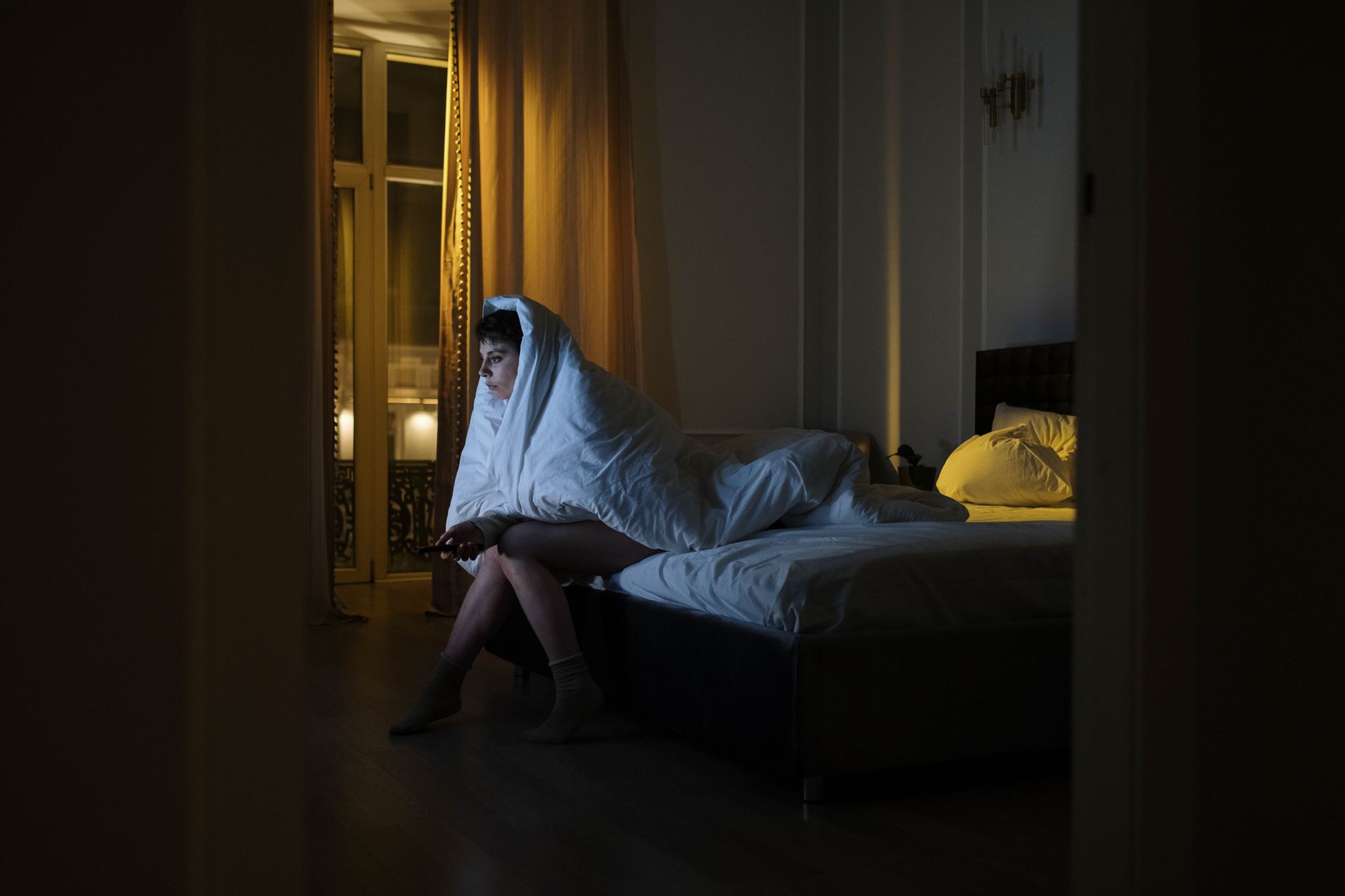
What are the Pros and Cons of Being Nocturnal?
Being nocturnal, or active primarily at night, offers distinct advantages like increased focus and fewer distractions, but also presents challenges like social isolation and potential health complications due to disrupted circadian rhythms. What are the pros and cons of being nocturnal? This article explores the benefits and drawbacks of this lifestyle.

Introduction: The Allure of the Night
For some, the night isn’t a time for sleep; it’s a canvas of opportunity, a realm of quiet productivity, and a space where creativity flourishes. But embracing a nocturnal lifestyle isn’t just about preference; it’s a complex decision with far-reaching implications. What are the pros and cons of being nocturnal? The answers are multifaceted and dependent on individual circumstances, societal pressures, and biological considerations. Shifting from a diurnal (daytime) routine to a nocturnal one involves a fundamental realignment of your internal clock, and understanding the potential impacts is crucial.

What colours are fish most attracted to?
Can you put your finger in a trout's mouth?
Is methylene blue anti bacterial?
Does aquarium salt raise pH in aquarium?
Benefits of a Nocturnal Lifestyle

The appeal of being nocturnal is often rooted in the unique advantages it offers:
- Reduced Distractions: The quiet of the night, free from the constant interruptions of daytime, allows for deeper concentration and uninterrupted work or creative pursuits.
- Increased Productivity: For those who struggle to focus during the day, the nighttime’s stillness can unlock higher levels of productivity.
- Unique Perspective: The world looks different at night. The absence of crowds and the presence of darkness can foster a sense of solitude and introspection.
- Cooler Temperatures: In warmer climates, working at night can be more comfortable due to lower temperatures.
- Avoiding Peak Traffic: For those who need to travel, nighttime offers the benefit of avoiding rush hour traffic and crowded public transportation.
Challenges of a Nocturnal Lifestyle
However, the nocturnal life isn’t without its drawbacks. The following challenges must be carefully considered:
- Social Isolation: Aligning your schedule with the night can lead to a disconnect from friends and family who operate on a typical daytime schedule.
- Health Implications: Disrupting your natural circadian rhythm can negatively impact your physical and mental health. This can lead to sleep disorders, metabolic issues, and mood disturbances.
- Limited Access to Services: Many businesses and services, such as healthcare providers and customer support, operate primarily during the day.
- Safety Concerns: Depending on your location, being out alone at night can pose safety risks.
- Vitamin D Deficiency: Reduced sun exposure can lead to vitamin D deficiency, which can impact bone health and immune function.
Impact on Circadian Rhythm
The circadian rhythm is your body’s internal clock, regulating sleep-wake cycles, hormone production, and other physiological processes. Switching to a nocturnal lifestyle disrupts this rhythm, potentially leading to:
- Sleep Disturbances: Difficulty falling asleep or staying asleep.
- Hormonal Imbalances: Disruption of melatonin and cortisol production, affecting mood, energy levels, and immune function.
- Metabolic Issues: Increased risk of weight gain, diabetes, and other metabolic disorders.
- Mental Health Issues: Increased risk of depression, anxiety, and other mental health conditions.
Adapting to a Nocturnal Schedule
While challenging, adapting to a nocturnal schedule is possible with careful planning and discipline:
- Gradual Transition: Avoid abrupt changes. Gradually shift your sleep-wake cycle over several weeks.
- Consistent Schedule: Stick to a consistent sleep-wake schedule, even on weekends.
- Optimize Sleep Environment: Create a dark, quiet, and cool sleep environment. Use blackout curtains, earplugs, and a white noise machine if needed.
- Light Exposure Management: Minimize exposure to bright light at night and maximize exposure to sunlight during your waking hours.
- Healthy Diet: Maintain a healthy diet and avoid caffeine and alcohol before bedtime.
- Regular Exercise: Engage in regular physical activity, but avoid exercising too close to bedtime.
Comparing Day and Night: A Table
| Feature | Diurnal (Day) | Nocturnal (Night) |
|---|---|---|
| Social Life | Easier socialization | Potential isolation |
| Health | Aligned circadian rhythm | Disrupted circadian rhythm |
| Services | Readily available | Limited availability |
| Environment | More distractions | Fewer distractions |
| Safety | Generally safer | Potential safety risks |
| Light Exposure | Natural sunlight | Artificial light |
Real-World Examples
Consider a freelance writer who finds it easier to concentrate and produce high-quality work in the quiet of the night. For them, the reduced distractions outweigh the social limitations. Alternatively, a security guard working a graveyard shift has little choice but to adapt to a nocturnal schedule, requiring careful planning to mitigate potential health risks. These examples highlight the diverse reasons people adopt a nocturnal lifestyle and the varying challenges they face.
Conclusion: A Personal Choice with Significant Implications
What are the pros and cons of being nocturnal? As demonstrated above, embracing a nocturnal lifestyle is a complex decision with both benefits and drawbacks. While the quiet and focus of the night can be advantageous for some, the potential health and social implications cannot be ignored. Careful planning, a commitment to a consistent schedule, and a focus on mitigating potential risks are essential for anyone considering a permanent shift to a nocturnal routine. Understanding these factors is paramount to making an informed decision that aligns with your individual needs and priorities.
FAQs: Diving Deeper into the Nocturnal Life
Here are some frequently asked questions about being nocturnal, offering further insights into this unique lifestyle:
What are the long-term health risks associated with being nocturnal?
Long-term night work has been linked to a higher risk of cardiovascular disease, diabetes, obesity, and certain types of cancer, primarily due to chronic circadian rhythm disruption and its impact on hormone regulation and metabolism. Regular health check-ups are crucial for nocturnal individuals.
How can I minimize the social isolation that comes with being nocturnal?
Maintaining connections requires proactive effort. Schedule daytime meetups when possible, utilize online communication tools to stay in touch, and find nocturnal communities (online or in person) to connect with others who share your schedule.
Is it possible to be “naturally nocturnal,” or is it always a learned behavior?
While some individuals may have a genetic predisposition toward a later sleep-wake cycle, most nocturnal lifestyles are adopted due to work schedules, personal preferences, or environmental factors. True “natural nocturnality” is rare.
What is the best way to manage light exposure as a nocturnal person?
Use blackout curtains and eye masks to block out light during sleep. During waking hours, maximize exposure to bright light, especially sunlight if possible, to help regulate your circadian rhythm. Blue light filters on electronic devices can also be helpful in the evenings.
Are there any specific dietary recommendations for nocturnal individuals?
Focus on a balanced diet with plenty of fruits, vegetables, and whole grains. Avoid heavy meals and caffeine close to your sleep time. Consider vitamin D supplementation if you have limited sun exposure.
How does being nocturnal affect mental health?
Disrupted circadian rhythms can negatively impact mood regulation, increasing the risk of depression, anxiety, and other mental health issues. Prioritize sleep hygiene, stress management, and seek professional help if needed.
Can I switch back to a daytime schedule after being nocturnal for a long time?
Yes, but it requires a gradual transition and the same principles used when initially adapting to a nocturnal schedule. Be patient and consistent, and consider seeking guidance from a sleep specialist.
What are some careers that are well-suited for nocturnal individuals?
Security guard, night shift nurse, astronomer, writer, and online content creator are just a few examples of careers that naturally align with a nocturnal lifestyle. Any job that requires focus, minimal interaction, and independent work can be suitable.
Is it safe to drive at night if you’re nocturnal and accustomed to the darkness?
Even if accustomed to the darkness, driving at night can be more dangerous due to reduced visibility, potential drowsiness, and the increased risk of encountering impaired drivers. Prioritize adequate sleep and take frequent breaks when driving at night.
What are the best strategies for getting quality sleep during the day?
- Create a dark, quiet, and cool sleep environment.
- Use blackout curtains, earplugs, and a white noise machine.
- Establish a consistent sleep schedule.
- Avoid caffeine and alcohol before bedtime.
- Inform family and housemates about your sleep schedule to minimize disruptions.
How does a nocturnal schedule impact family life and relationships?
It can be challenging. Open communication is crucial. Schedule dedicated time with family and partners, even if it means adjusting your sleep schedule occasionally. Finding activities you can enjoy together is important.
What should I do if I experience persistent sleep problems after adopting a nocturnal schedule?
Consult a sleep specialist. They can help identify underlying sleep disorders, such as insomnia or sleep apnea, and recommend appropriate treatment options. They can also offer personalized strategies for improving sleep quality.