
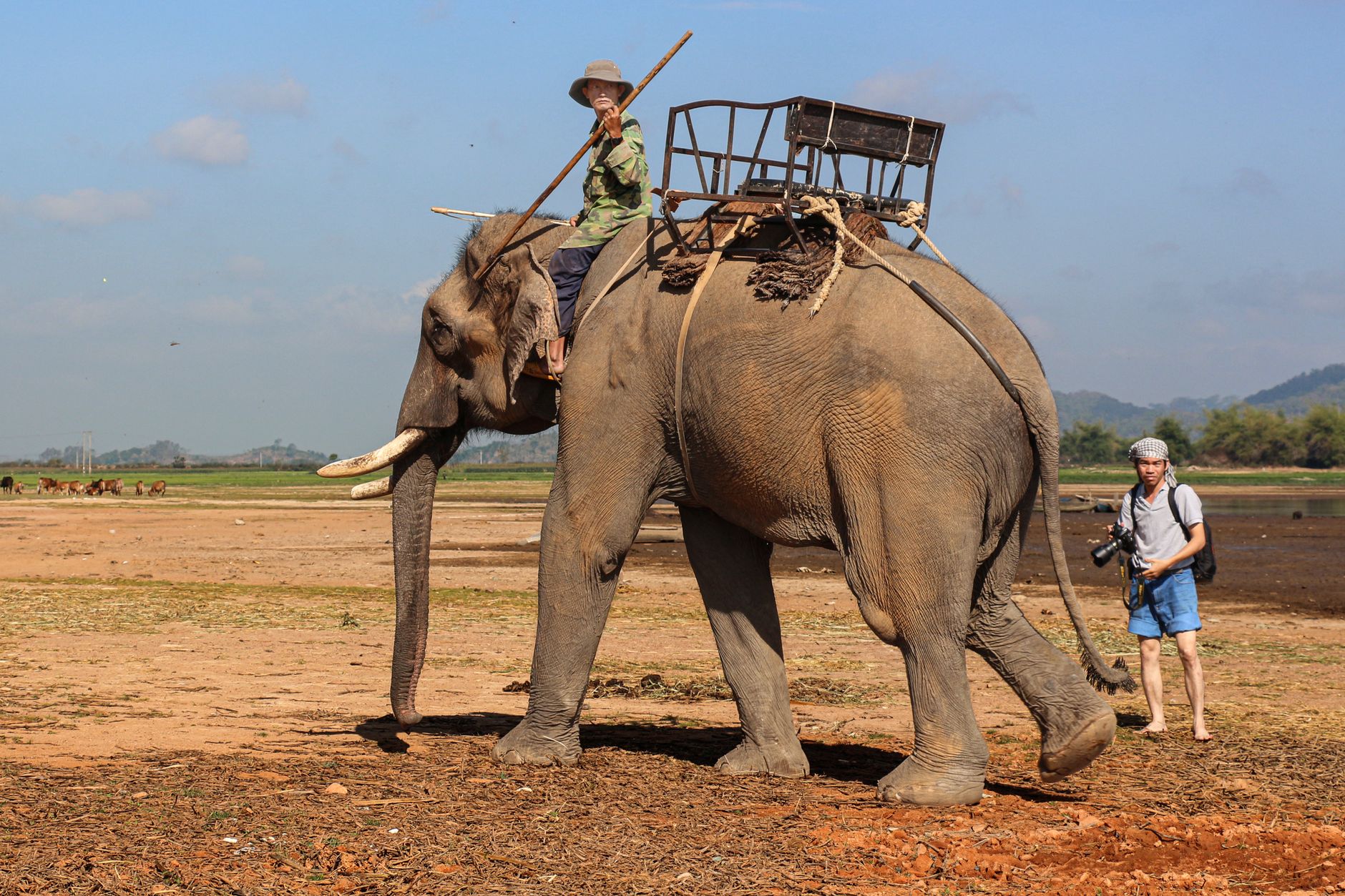
What are the Problems with Elephant Riding?
Elephant riding, often presented as a tourist activity, is fundamentally problematic due to the cruel training methods required to control these highly intelligent and sensitive animals and the physical harm inflicted upon them. These problems outweigh any perceived benefit.

A Disheartening History: The Origins of Elephant Training
The use of elephants for riding, particularly in tourist attractions across Asia, has a deeply troubling history. These practices, deeply rooted in tradition, often mask a brutal reality. Elephants are not naturally inclined to carry humans, and their willingness to do so is the result of a process known as the “phajaan,” or “crushing of the spirit.” This involves:
- Separation from the mother: Calves are forcibly taken from their mothers, disrupting natural social bonds and causing immense distress.
- Physical restraint: Elephants are confined in small spaces, often tied up or chained, restricting their movement and causing psychological trauma.
- Pain and fear: Tools like bullhooks (sharp metal hooks) are used to inflict pain and instill fear, forcing the elephant to obey commands.
- Sleep deprivation and starvation: These cruel methods further weaken the elephant’s spirit and make them more susceptible to control.
This process is not only inhumane but also leaves lasting psychological scars on the animals, leading to a lifetime of suffering.

What colours are fish most attracted to?
Can you put your finger in a trout's mouth?
Is methylene blue anti bacterial?
Does aquarium salt raise pH in aquarium?
Physical Toll: The Damage to Elephant Bodies

Beyond the psychological trauma, elephant riding takes a severe physical toll on these magnificent creatures. Elephants’ spines are not designed to carry weight on their backs, particularly not the weight of multiple tourists and a heavy saddle. Key issues include:
- Spinal damage: The constant pressure can lead to spinal injuries, arthritis, and other debilitating conditions. The spinal processes of elephants are especially vulnerable.
- Skin abrasions and infections: Ill-fitting saddles can cause painful sores and abrasions, which can easily become infected in tropical climates.
- Foot problems: Standing for long periods on hard surfaces can lead to foot problems, a common ailment in captive elephants.
The long-term consequences of elephant riding are often hidden from tourists, but they contribute to a shortened lifespan and reduced quality of life for these animals.
The Illusion of Conservation: Riding Doesn’t Save Elephants
Many proponents of elephant riding argue that it contributes to conservation efforts by providing income for mahouts (elephant keepers) and supporting elephant sanctuaries. However, this argument often falls apart upon closer examination. In reality:
- Most riding camps prioritize profit over elephant welfare. The conditions are often substandard, and the focus is on maximizing tourist numbers, not on providing proper care.
- “Sanctuaries” are often disguised riding operations. It’s crucial to research facilities thoroughly before supporting them. Look for sanctuaries that do not offer riding or other forms of exploitation.
- Sustainable tourism options exist. Supporting ethical sanctuaries that focus on rescue and rehabilitation without riding or shows can provide a real benefit to elephant conservation.
- Money often doesn’t reach conservation efforts: The profits from riding frequently go to owners and operators, with little being reinvested in elephant welfare or conservation.
| Feature | Elephant Riding Camps | Ethical Sanctuaries |
|---|---|---|
| Focus | Profit maximization, tourist entertainment | Elephant welfare, rehabilitation, conservation |
| Training methods | Often cruel and based on dominance | Positive reinforcement, no forced interaction |
| Elephant health | Often compromised due to overwork and poor conditions | Prioritized through proper diet, veterinary care, and space |
| Tourist interaction | Riding, shows, close contact | Observation from a distance, educational programs |
The Ethical Quandary: Why It’s Morally Wrong
Beyond the physical and psychological harm, What are the problems with elephant riding? boils down to a fundamental ethical issue. Elephants are sentient beings with complex social structures and emotional lives. Exploiting them for entertainment is morally wrong. Consider:
- Loss of freedom: Elephants in riding camps are denied the freedom to roam, socialize, and engage in natural behaviors.
- Forced servitude: They are forced to work against their will, enduring discomfort and pain for the amusement of humans.
- Commodification of life: Treating elephants as commodities, rather than as individuals with intrinsic value, perpetuates a harmful worldview.
Choosing not to participate in elephant riding sends a powerful message that animal welfare matters and that tourism should be ethical and sustainable.
Alternatives to Elephant Riding: Ethical Encounters
Fortunately, there are many ethical alternatives to elephant riding that allow tourists to experience these magnificent animals without causing them harm. These include:
- Visiting true sanctuaries: Look for sanctuaries that focus on rescuing and rehabilitating elephants, allowing them to live in natural habitats.
- Observing elephants in the wild: Taking a guided safari or visiting national parks offers the opportunity to see elephants in their natural environment.
- Supporting ethical tourism operators: Choose tour companies that prioritize animal welfare and conservation.
- Educating yourself and others: Spread awareness about the problems with elephant riding and encourage others to make ethical choices.
By supporting ethical alternatives, tourists can contribute to a more compassionate and sustainable future for elephants.
FAQ Section
What are the alternatives to riding elephants that are ethical and still allow me to see them up close?
Visiting ethical sanctuaries that prioritize rescue and rehabilitation without offering riding is the best option. These sanctuaries often allow you to observe elephants from a respectful distance, participate in feeding programs (under strict supervision), and learn about their behavior and conservation needs. Look for sanctuaries that do not breed elephants for captivity and provide large natural enclosures for the animals to roam freely.
How can I tell if an elephant sanctuary is truly ethical?
Red flags include offering elephant riding, allowing tourists to bathe or paint elephants, using chains or bullhooks, and breeding elephants for captivity. Ethical sanctuaries will prioritize the elephants’ well-being above all else, allowing them to live as naturally as possible and minimizing human interaction. Look for transparent information about their rescue efforts, veterinary care, and conservation initiatives.
Is it ever acceptable to ride an elephant, for example, if it’s for a traditional ceremony?
Even in traditional ceremonies, elephant riding can still cause harm. While cultural practices should be respected, it’s important to advocate for the welfare of animals involved. Consider whether the ceremony can be adapted to exclude elephant riding or involve alternative methods that do not compromise the elephant’s well-being. Prioritizing animal welfare should always be a key consideration.
What kind of long-term damage does elephant riding cause to the animals?
What are the problems with elephant riding? often lead to chronic spinal injuries, arthritis, foot problems, and psychological trauma. The constant weight and pressure on their backs can cause irreversible damage to their skeletal structure, leading to pain and mobility issues throughout their lives. The stress of being forced to perform can also contribute to behavioral problems and a shortened lifespan.
How does the training of elephants for riding affect their mental health?
The “phajaan” or other cruel training methods used to break an elephant’s spirit can cause severe psychological damage. Elephants are highly intelligent and social animals, and the trauma of being separated from their families, subjected to violence, and forced to obey commands can lead to anxiety, depression, and behavioral problems such as rocking, swaying, and self-harm.
What can I do if I see elephants being mistreated at a tourist attraction?
Document the mistreatment (take photos or videos if possible) and report it to local authorities, animal welfare organizations, and tourism boards. You can also share your experience online to raise awareness and discourage others from supporting unethical attractions. Contacting international animal welfare organizations can amplify your efforts and potentially trigger a more thorough investigation.
Are all mahouts (elephant keepers) abusive?
No, not all mahouts are abusive. However, the systemic pressures within the elephant riding industry can often lead to harmful practices. Many mahouts are underpaid and overworked, and they may resort to cruel methods due to a lack of training or resources. Supporting ethical sanctuaries that prioritize elephant welfare and provide mahouts with fair wages and training can help to break this cycle.
Why do elephants allow humans to ride them if it’s so painful?
Elephants don’t allow humans to ride them willingly. They are forced to do so through a combination of fear, pain, and learned helplessness. The cruel training methods used to break their spirit instill a deep fear of punishment, making them compliant even when they are in pain or discomfort.
If I already participated in elephant riding, what should I do?
Don’t beat yourself up, but learn from the experience. Educate yourself about the ethical issues surrounding elephant riding and commit to making more informed choices in the future. Share your experience with others and encourage them to support ethical alternatives. You can also donate to reputable elephant sanctuaries to support their rescue and rehabilitation efforts.
Are there any countries where elephant riding is considered ethical or sustainable?
Generally, no. The underlying issues of What are the problems with elephant riding? remain consistent regardless of location. While some operators may claim to practice “sustainable” or “ethical” riding, it’s crucial to scrutinize their practices and ensure that they prioritize elephant welfare above all else. Truly ethical elephant experiences are rare.
What are some organizations that are working to protect elephants from exploitation?
Many organizations are dedicated to protecting elephants, including World Animal Protection, Save the Elephants, The David Sheldrick Wildlife Trust, and ElephantVoices. These organizations work to rescue and rehabilitate elephants, combat poaching and habitat loss, and advocate for stronger animal welfare laws.
How can I contribute to the long-term welfare of elephants globally?
You can contribute by supporting ethical sanctuaries, donating to reputable conservation organizations, advocating for stronger animal welfare laws, reducing your consumption of products that contribute to habitat loss, and educating yourself and others about the importance of elephant conservation. Every action, no matter how small, can make a difference.