

What are the Potential Problems of Vertical Greenery?
Vertical greenery, while offering numerous benefits, presents potential problems that must be carefully considered and addressed. These range from structural damage and maintenance challenges to pest infestations and environmental impacts; understanding these challenges is crucial for successful implementation and long-term sustainability.

Introduction: The Rise and Reality of Living Walls
Vertical greenery, also known as living walls or green walls, has become increasingly popular in urban environments. These innovative systems involve integrating plants directly onto vertical surfaces, transforming buildings and structures into living ecosystems. While lauded for their aesthetic appeal, environmental benefits, and potential for improving well-being, what are the potential problems of vertical greenery that need careful consideration? This article delves into the less-discussed aspects of these systems, exploring the potential pitfalls and offering insights for mitigating risks.

What colours are fish most attracted to?
Can you put your finger in a trout's mouth?
Is methylene blue anti bacterial?
Does aquarium salt raise pH in aquarium?
Benefits of Vertical Greenery
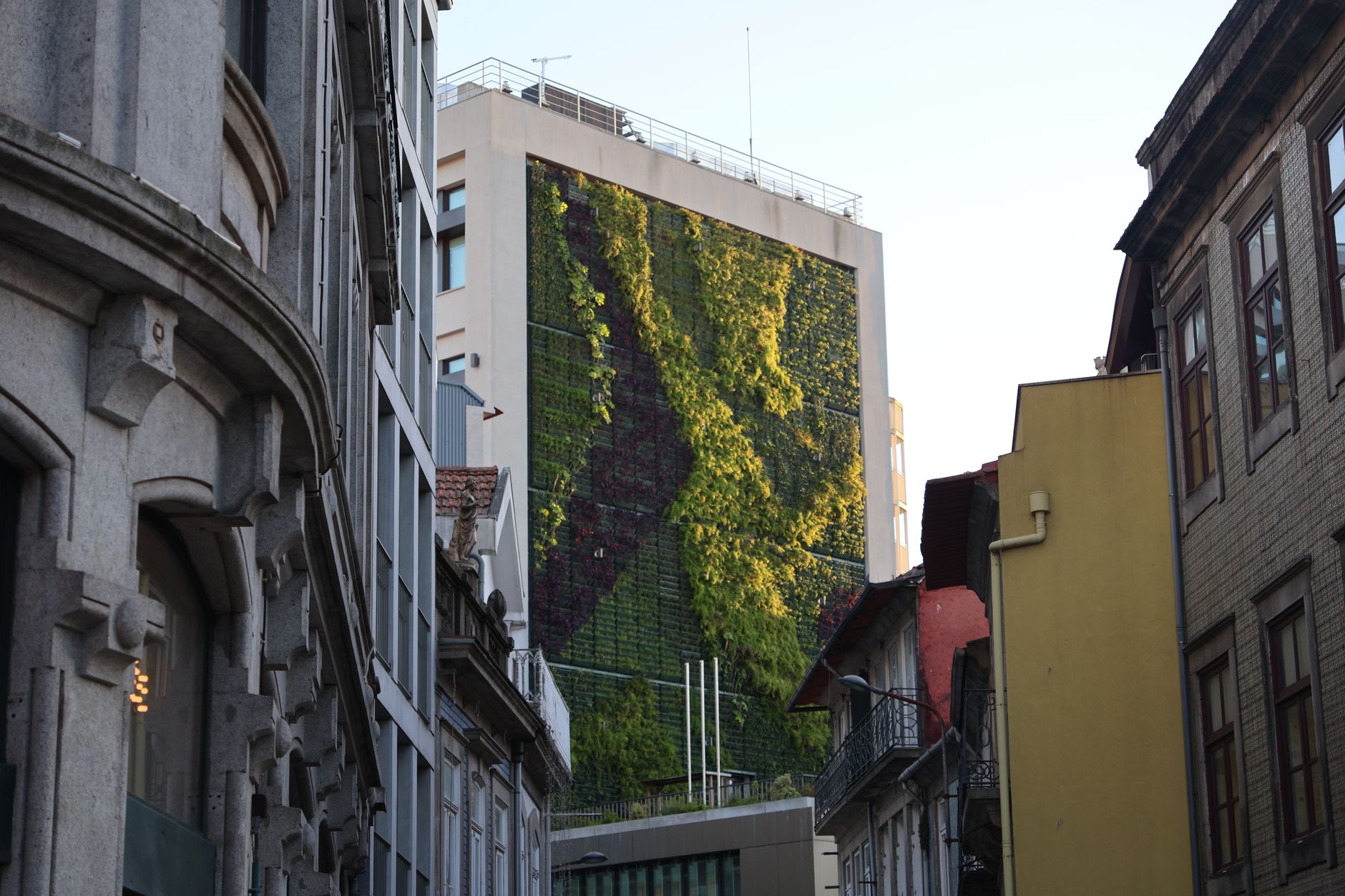
Before diving into the problems, it’s important to acknowledge the numerous advantages that drive the adoption of vertical greenery:
- Improved Air Quality: Plants absorb pollutants and release oxygen.
- Temperature Regulation: Green walls can insulate buildings, reducing energy consumption.
- Aesthetic Appeal: They enhance the visual environment and increase property value.
- Biodiversity Support: Providing habitats for insects and birds in urban areas.
- Noise Reduction: Plants can absorb sound waves.
- Psychological Well-being: Exposure to greenery has been linked to reduced stress and improved mood.
Types of Vertical Greenery Systems
Understanding the different types of vertical greenery systems is crucial for assessing potential problems. The two main categories are:
- Green Facades: These systems involve climbing plants that grow up a supporting structure, either attached directly to the wall or via a separate trellis.
- Living Walls: These are modular systems where plants are rooted in a substrate supported by a wall structure. They are often more complex and require irrigation and fertilization systems.
Potential Problems of Vertical Greenery: A Detailed Examination
What are the potential problems of vertical greenery? The challenges associated with vertical greenery can be categorized into several key areas:
-
Structural Damage:
- Weight: Living walls can be heavy, particularly when the substrate is saturated with water, potentially exceeding the load-bearing capacity of the supporting structure.
- Moisture: Constant moisture exposure can lead to water damage, corrosion, and degradation of building materials.
- Root Infiltration: Aggressive root systems can penetrate cracks and crevices, causing structural damage over time.
-
Maintenance Challenges:
- Irrigation: Consistent and reliable irrigation is essential, but poorly designed systems can lead to uneven watering, water waste, and leaks.
- Fertilization: Plants require regular fertilization, and nutrient imbalances can lead to poor growth and disease.
- Pruning and Pest Control: Regular pruning is necessary to maintain the desired shape and prevent overgrowth. Pest and disease management can be challenging, particularly in urban environments.
- Access: Maintaining living walls, especially on tall buildings, can be difficult and costly, requiring specialized equipment and expertise.
-
Pest Infestations:
- Ideal Habitat: Living walls can provide a favorable environment for pests such as insects, rodents, and birds.
- Spread of Pests: Pests can spread from the living wall to the surrounding building or landscape.
- Control Challenges: Controlling pests on living walls can be difficult due to the density of the vegetation and the need to avoid harmful chemicals.
-
Environmental Impacts:
- Water Consumption: Some vertical greenery systems can consume significant amounts of water, especially in arid climates.
- Energy Consumption: Pumping water and providing artificial lighting can contribute to energy consumption.
- Substrate Disposal: Replacing the substrate can generate waste, and the disposal of nutrient-rich runoff can pollute waterways.
- Species Selection: Using invasive plant species can negatively impact local ecosystems.
-
Cost:
- Installation: Living walls have a higher initial cost compared to traditional landscaping or green facades.
- Maintenance: Ongoing maintenance costs, including irrigation, fertilization, pruning, and pest control, can be substantial.
- Repair: Repairs to the irrigation system, structure, or plants can be expensive.
-
Plant Health:
- Sunlight: Insufficient sunlight can lead to stunted growth and poor flowering.
- Wind Exposure: Excessive wind exposure can damage plants and dry out the substrate.
- Temperature Extremes: Extreme temperatures can stress plants and make them more susceptible to disease.
- Plant Selection: Improper plant selection can lead to plant failure and the need for costly replacements.
Mitigation Strategies
While the potential problems of vertical greenery are significant, they can be mitigated through careful planning, design, and maintenance:
- Structural Assessment: Conduct a thorough structural assessment to ensure the building can support the weight of the living wall.
- Waterproofing: Implement effective waterproofing measures to protect the building from moisture damage.
- Irrigation Design: Design an efficient irrigation system that provides adequate water without overwatering. Consider using a closed-loop system to recycle water.
- Plant Selection: Choose plant species that are well-suited to the local climate and growing conditions. Avoid invasive species.
- Pest Management: Implement an integrated pest management (IPM) program that minimizes the use of harmful chemicals.
- Regular Maintenance: Establish a regular maintenance schedule to prune plants, control pests, and ensure the irrigation system is functioning properly.
- Monitoring: Monitor the health of the plants and the condition of the supporting structure on a regular basis.
- Expert Consultation: Consult with experienced professionals, such as architects, engineers, and horticulturists, to ensure the successful implementation of the project.
Case Studies
Analyzing successful and unsuccessful vertical greenery projects can offer valuable lessons. Projects that failed often suffered from poor design, inadequate maintenance, or improper plant selection. Successful projects, on the other hand, typically involved careful planning, ongoing maintenance, and the use of appropriate materials and techniques. These case studies underscore the importance of addressing what are the potential problems of vertical greenery before and during implementation.
Conclusion
Vertical greenery offers numerous benefits, but it’s crucial to understand and address the potential problems. By carefully considering the structural, maintenance, environmental, and economic aspects of these systems, and by implementing appropriate mitigation strategies, it is possible to create thriving and sustainable vertical gardens that enhance urban environments. Ignoring these challenges, however, can lead to costly repairs, environmental damage, and ultimately, project failure. Addressing what are the potential problems of vertical greenery requires a proactive and informed approach.
Frequently Asked Questions (FAQs)
What type of building is most suitable for a vertical green wall?
Any building can potentially support a vertical green wall, but the suitability depends on several factors, including structural integrity, climate, and budget. Existing buildings may require reinforcement to support the added weight, while new construction can be designed specifically to accommodate living walls. South-facing walls generally receive the most sunlight, while north-facing walls receive the least. Ultimately, each project should be assessed individually.
How much does it cost to install a vertical green wall?
The cost of installing a vertical green wall can vary widely depending on the size, complexity, and type of system used. Green facades are generally less expensive than living walls. Installation costs can range from $50 to $500 per square foot, including materials, labor, and irrigation systems. Ongoing maintenance costs should also be factored into the overall budget.
How much maintenance is required for a vertical green wall?
Vertical green walls require regular maintenance, including irrigation, fertilization, pruning, and pest control. The frequency of maintenance will depend on the type of system used, the plant species, and the climate. A regular inspection schedule is also important to identify and address any potential problems early on.
What types of plants are best for vertical green walls?
The best plant species for vertical green walls will depend on the local climate, sunlight exposure, and the design of the system. Drought-tolerant plants are generally a good choice, as are plants that are resistant to pests and diseases. Native plant species can also be beneficial for supporting local biodiversity. Consider the mature size and growth habits of the plants to ensure they don’t become too large or invasive.
How often does a vertical green wall need to be watered?
The watering frequency for a vertical green wall will depend on several factors, including the climate, plant species, and the type of irrigation system used. Automated irrigation systems can be programmed to deliver water at regular intervals, but it’s important to monitor the moisture levels in the substrate to ensure the plants are receiving adequate water. Overwatering can be just as harmful as underwatering.
Are vertical green walls environmentally sustainable?
While vertical green walls offer numerous environmental benefits, their sustainability depends on several factors, including water consumption, energy consumption, and the use of sustainable materials. Using recycled materials, rainwater harvesting, and energy-efficient irrigation systems can help to reduce the environmental impact of vertical green walls. Choosing native plants also reduces the need for fertilizers and pesticides.
Can vertical green walls attract pests?
Yes, vertical green walls can attract pests such as insects, rodents, and birds. Implementing an integrated pest management (IPM) program can help to control pests without the use of harmful chemicals. Regular pruning and cleaning can also help to reduce the risk of pest infestations. Ensuring proper drainage can also prevent mosquito breeding.
What happens if a vertical green wall fails?
If a vertical green wall fails, it can lead to a variety of problems, including structural damage, water damage, and plant death. Regular maintenance and monitoring can help to prevent failures. In the event of a failure, it’s important to address the problem quickly to minimize damage and restore the system to its optimal condition. This can be costly, highlighting the importance of preventative measures.
Can vertical green walls be used indoors?
Yes, vertical green walls can be used indoors, but they require adequate lighting and ventilation. Artificial lighting may be necessary to supplement natural sunlight. Indoor living walls also need to be carefully monitored for pests and diseases. Choosing plants that are well-suited to indoor conditions is essential for success.
Do vertical green walls improve air quality indoors?
Yes, vertical green walls can improve air quality indoors by absorbing pollutants and releasing oxygen. However, the extent of the improvement will depend on the size of the living wall and the ventilation rate of the building. Plants also filter out harmful volatile organic compounds (VOCs), which can contribute to indoor air pollution.
How long do vertical green walls typically last?
The lifespan of a vertical green wall can vary depending on the type of system used, the plant species, and the level of maintenance. With proper care, a well-designed and maintained living wall can last for many years. However, it’s important to factor in the cost of ongoing maintenance and potential repairs. Choosing durable materials and employing skilled labor are key to longevity.
Is professional installation required for a vertical green wall?
While DIY vertical green wall kits are available, professional installation is generally recommended, especially for large or complex projects. Experienced professionals can ensure the system is properly installed, waterproofed, and irrigated. They can also provide guidance on plant selection and maintenance. Engaging an expert can save time and money in the long run.