

What Are the Green Inhalers for COPD? A Comprehensive Guide
Green inhalers for COPD are dry powder inhalers (DPIs) that use a lower Global Warming Potential (GWP) propellant or are propellant-free, offering an eco-friendly alternative to traditional metered-dose inhalers (MDIs) while delivering crucial medication to manage Chronic Obstructive Pulmonary Disease (COPD).

Understanding the Shift to Green Inhalers for COPD
COPD is a progressive lung disease that makes breathing difficult. Management often involves inhalers delivering bronchodilators (relaxing airway muscles) and/or corticosteroids (reducing inflammation). Traditionally, MDIs were the standard, but they utilize hydrofluoroalkane (HFA) propellants, which are potent greenhouse gases. The urgent need to reduce carbon emissions has driven the development and adoption of “What are the green inhalers for COPD?“, focusing on lower GWP alternatives.

What colours are fish most attracted to?
Can you put your finger in a trout's mouth?
Is methylene blue anti bacterial?
Does aquarium salt raise pH in aquarium?
Types of Green Inhalers
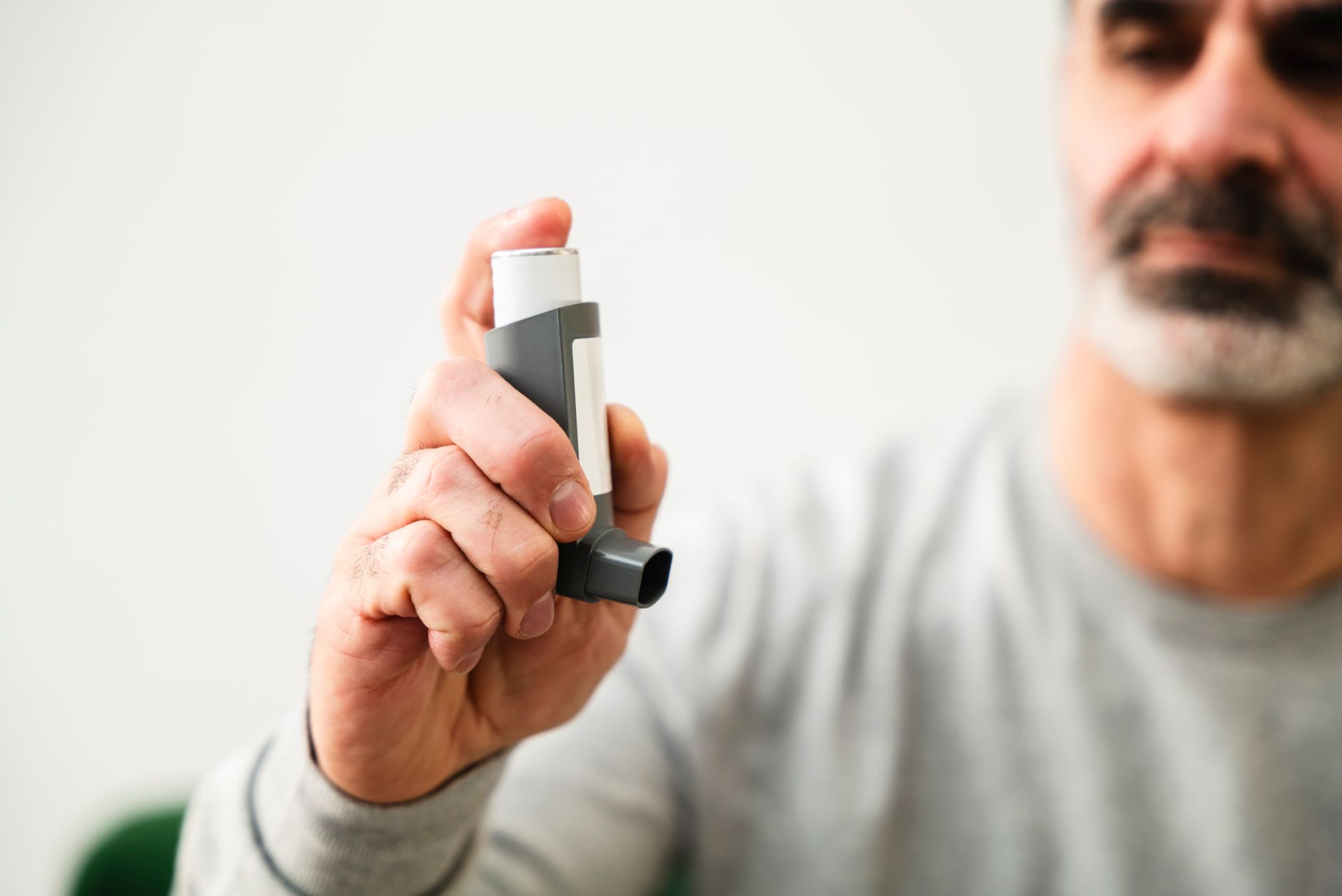
The “green” aspect of these inhalers stems from their reduced environmental impact. This can be achieved in two main ways:
-
Lower GWP Propellants: Some newer MDIs use propellants with significantly lower GWP compared to older HFAs. These propellants still deliver the medication via a spray but contribute less to climate change.
-
Dry Powder Inhalers (DPIs): DPIs are propellant-free. The patient inhales the medication as a fine powder. These are considered more environmentally friendly as they eliminate the need for any propellant. DPIs are commonly considered the “green inhalers.”
Benefits of Green Inhalers
Switching to environmentally friendly inhalers offers multiple advantages:
- Reduced Environmental Impact: The primary benefit is a lower contribution to greenhouse gas emissions.
- Patient Empowerment: Individuals can actively participate in environmental sustainability while managing their COPD.
- Comparable Efficacy: Studies show that DPIs and MDIs with lower GWP propellants can be as effective as traditional MDIs when used correctly.
- Potential Cost Savings: Depending on the specific medication and insurance coverage, green alternatives might be more cost-effective.
How to Use Green Inhalers (DPIs)
Proper inhaler technique is crucial, especially with DPIs. Here’s a general guide:
- Load the Dose: Follow the specific instructions for your DPI device. This usually involves opening the inhaler and loading a dose of medication.
- Exhale Completely: Breathe out fully, away from the inhaler.
- Inhale Deeply and Quickly: Place the mouthpiece in your mouth, creating a tight seal, and inhale deeply and forcefully through the inhaler. The rapid inhalation disperses the powder.
- Hold Your Breath: Hold your breath for 5-10 seconds (or as long as comfortable).
- Exhale Slowly: Breathe out gently, away from the inhaler.
- Rinse Your Mouth: Rinse your mouth with water and spit it out to prevent oral thrush (especially with inhaled corticosteroids).
It is crucial to consult your doctor or pharmacist for detailed instructions specific to your inhaler device.
Considerations When Switching Inhalers
- Device Preference: Some patients find DPIs easier to use, while others prefer MDIs.
- Inhalation Strength: DPIs require sufficient inspiratory effort. Patients with severe lung function impairment might find them challenging.
- Medication Availability: Not all medications are available in both MDI and DPI formulations.
- Cost: The cost can vary depending on insurance coverage and the specific medication. Discuss options with your doctor and pharmacist.
- Proper Technique: Switching to a different type of inhaler requires learning and mastering the new technique. This is paramount for effective treatment.
Addressing Common Concerns
- Efficacy: As long as the correct technique is used, green inhalers are generally as effective as traditional MDIs.
- Side Effects: Side effects are generally similar to those experienced with traditional inhalers, depending on the medication itself.
- Availability: Green alternatives are becoming increasingly available, but it’s essential to discuss options with your healthcare provider.
What are the green inhalers for COPD? Making an Informed Decision
The decision of whether to switch to a “What are the green inhalers for COPD?” should be made in consultation with your healthcare provider. They can assess your individual needs, lung function, and device preference to determine the most appropriate inhaler for you. Consider the environmental impact alongside your personal health needs to make an informed choice.
| Feature | Traditional MDIs (HFAs) | Lower GWP MDIs | DPIs (Green Inhalers) |
|---|---|---|---|
| Propellant | HFA | Lower GWP HFA | None |
| Environmental Impact | High | Lower | Lowest |
| Delivery | Aerosol Spray | Aerosol Spray | Dry Powder |
| Technique | Coordination required | Coordination required | Strong Inhalation needed |
| Wash Mouth? | Yes (for ICS) | Yes (for ICS) | Yes (for ICS) |
Frequently Asked Questions (FAQs)
What exactly makes an inhaler “green?”
A “green” inhaler refers to inhalers with a lower environmental impact compared to traditional metered-dose inhalers (MDIs) that use hydrofluoroalkane (HFA) propellants. This is achieved either through using propellants with lower Global Warming Potential (GWP) or by being a dry powder inhaler (DPI), which doesn’t require any propellant.
Are green inhalers as effective as traditional inhalers for COPD?
Yes, green inhalers that are either DPIs or use lower GWP propellants can be just as effective as traditional MDIs for managing COPD, provided that the patient uses the correct inhalation technique. It’s important to work closely with your healthcare provider to ensure you’re using the inhaler properly.
Are there any side effects specific to green inhalers?
The side effects associated with green inhalers primarily depend on the medication being delivered, rather than the inhaler device itself. Therefore, side effects will be similar to those experienced with traditional inhalers containing the same medication.
Can I switch to a green inhaler without consulting my doctor?
No, it is essential to consult your doctor before switching to a green inhaler. Your doctor can assess your lung function, inhaler technique, and medication needs to determine the most appropriate inhaler for your specific condition.
What if I have trouble using a DPI (dry powder inhaler)?
DPIs require a strong and rapid inhalation to effectively deliver the medication. If you have difficulty with this, talk to your doctor or pharmacist. They can provide guidance on proper technique or suggest alternative inhaler options, possibly a lower GWP MDI.
Are green inhalers more expensive than traditional inhalers?
The cost of green inhalers can vary depending on the specific medication, insurance coverage, and pharmacy. In some cases, DPIs may be more affordable, but it’s best to check with your insurance provider and pharmacy to compare costs.
How do I dispose of my old inhaler responsibly?
Many pharmacies offer inhaler disposal programs. Check with your local pharmacy to see if they participate in a program that safely disposes of inhalers to minimize environmental impact.
How does using a green inhaler help the environment?
By using inhalers with lower GWP propellants or DPIs, you’re reducing the amount of greenhouse gases released into the atmosphere. This helps to mitigate climate change and protect the environment.
Are there different types of DPIs, and do they all work the same way?
Yes, there are several types of DPIs available, and each device may have slightly different operating instructions. It’s crucial to read the instructions carefully and ask your doctor or pharmacist for guidance on how to use your specific DPI device.
What should I do if I accidentally exhale into my DPI?
Avoid exhaling into your DPI. Exhaling into the inhaler can cause the powder to clump and prevent it from being properly inhaled. If this happens, clean the device according to the manufacturer’s instructions and load a new dose.
Are all COPD medications available in DPI form?
Not all COPD medications are available in DPI form. The availability depends on the manufacturer and the specific medication. Discuss your options with your healthcare provider to determine if a DPI formulation is suitable for your treatment plan.
Are there any resources to help me learn the correct technique for using a DPI?
Yes, your doctor, pharmacist, or respiratory therapist can provide hands-on training on how to use a DPI correctly. Many online resources, including videos and instructional guides, are also available to help you master the technique.