
What Are the Facial Expressions of a Horse in Pain? A Comprehensive Guide
Understanding a horse’s subtle cues is crucial for their well-being. The facial expressions of a horse in pain involve a complex interplay of features, from ear position to nostril dilation, allowing observant owners to detect distress early.

The Equine Pain Face: A Primer
Horses, as prey animals, are naturally inclined to mask pain. This instinct, honed over millennia, makes it challenging to identify when they are suffering. However, recent research has revealed specific facial expressions consistently associated with pain. By learning to recognize these subtle signals, horse owners and caregivers can improve their animals’ welfare and ensure timely veterinary intervention. The facial expressions of a horse in pain are often nuanced and require careful observation.

What colours are fish most attracted to?
Can you put your finger in a trout's mouth?
Is methylene blue anti bacterial?
Does aquarium salt raise pH in aquarium?
Decoding the Equine Grimace Scale (EGS)
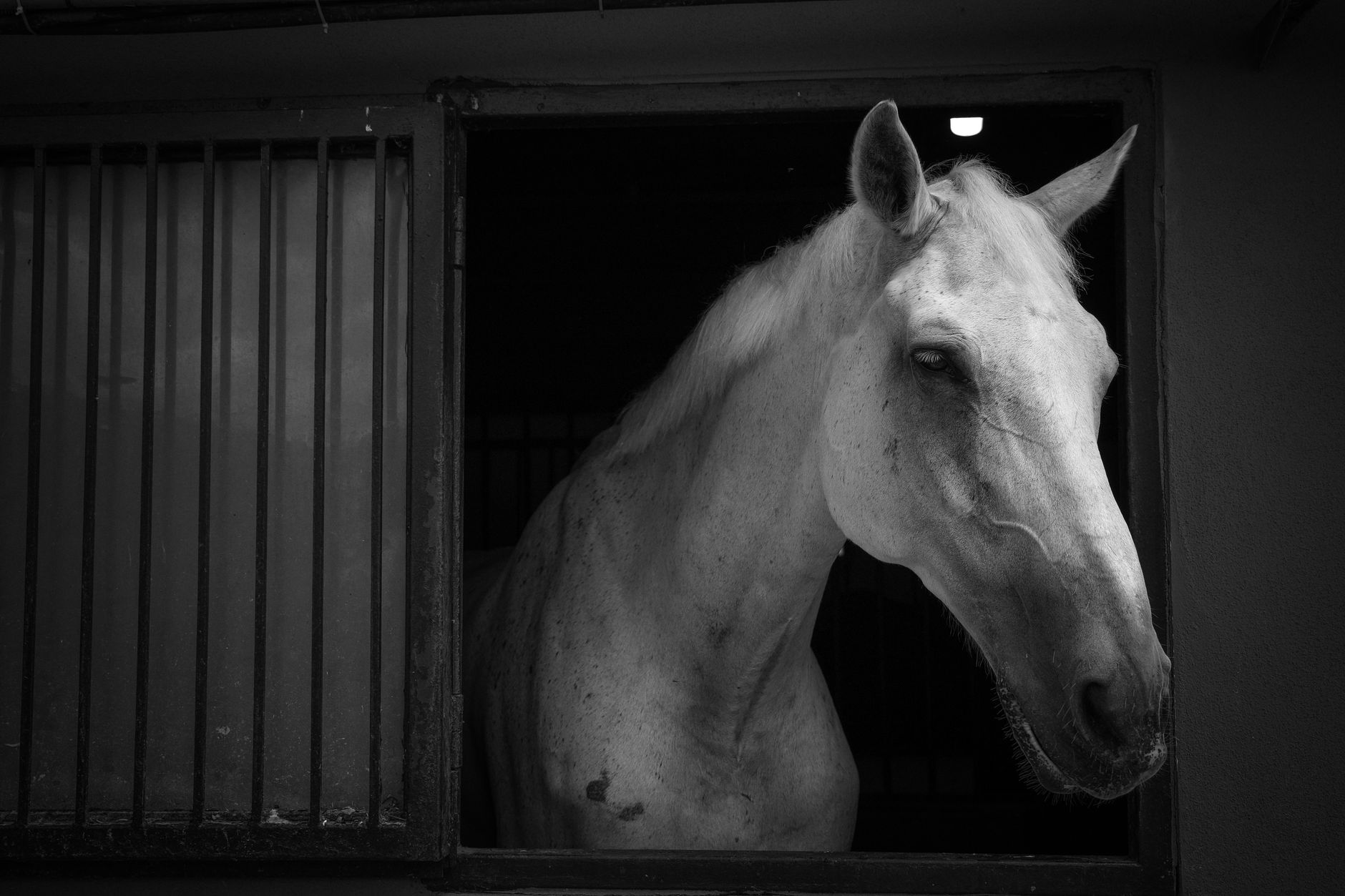
The Equine Grimace Scale (EGS) is a validated tool developed to objectively assess pain in horses based solely on facial expressions. This scale identifies specific facial action units (FAUs) that are indicative of pain. Understanding the EGS is fundamental to interpreting the facial expressions of a horse in pain.
Here are the key FAUs assessed in the EGS:
- Ear Position: Stiffly backward or drooped ears.
- Orbital Tightening: Tensing of the muscles around the eyes, resulting in a squinting or narrowed appearance.
- Muzzle Shape: Changes in muzzle shape, such as a flattened or retracted appearance.
- Tension Above the Eye: Prominence and tension in the area above the eye.
- Jaw Muscles: Tightening of the jaw muscles.
- Nostrils: Altered nostril shape, such as dilation or flaring.
Factors Affecting Facial Expression Interpretation
Several factors can influence a horse’s facial expressions, making accurate interpretation a complex process. Consider these elements when evaluating a horse:
- Breed: Some breeds may exhibit facial expressions differently due to anatomical variations.
- Age: Older horses might have permanent changes in facial musculature that can affect interpretation.
- Temperament: A generally stoic horse may show less overt signs of pain than a more expressive one.
- Environmental Context: The horse’s surroundings and current activity can influence their facial expressions. For example, stress from a new environment can mimic signs of pain.
- Medication: Pain medication can mask the facial expressions of a horse in pain, so close monitoring is crucial even when a horse is medicated.
Beyond the Face: Integrating Other Clues
While facial expressions offer valuable insights, it’s crucial to consider other behavioral and physical signs of pain in horses.
These include:
- Changes in Appetite: Reduced food intake or a complete loss of appetite.
- Abnormal Posture: Standing with a hunched back or reluctance to shift weight.
- Locomotion Issues: Lameness, stiffness, or reluctance to move.
- Abnormal Behavior: Increased aggression, restlessness, or withdrawal.
- Vital Signs: Changes in heart rate, respiration rate, or temperature.
By integrating observations of facial expressions with other clinical signs, you can develop a more comprehensive understanding of the horse’s overall well-being. Identifying the facial expressions of a horse in pain early, and then using these additional signs for verification, is key to improved care.
Documenting and Communicating Observations
When you suspect a horse is in pain, documenting your observations is essential. Take photos or videos of the horse’s face and body. Note the specific facial expressions and behaviors you observe, along with the time and date. Share these observations with your veterinarian, as they will be invaluable in helping them make an accurate diagnosis and develop a treatment plan.
Frequently Asked Questions (FAQs)
What are the most common facial expressions of a horse in pain related to the eyes?
Orbital tightening, or the tensing of the muscles around the eyes, resulting in a squinting or narrowed appearance, is one of the most reliable indicators. The prominence and tension in the area above the eye is also an important sign to observe. These subtle changes can be difficult to detect but are critical indicators of pain.
How accurate is the Equine Grimace Scale?
The EGS has been validated in numerous studies and has demonstrated high levels of accuracy in detecting pain in horses. However, it is essential to use the EGS correctly and consider other factors that can influence facial expressions, as discussed above.
Can facial expressions differentiate between different types of pain?
Research is ongoing in this area. While the EGS can effectively detect the presence of pain, it may not always be able to differentiate between specific types of pain, such as surgical pain versus colic pain. Additional research is needed to refine our understanding of how different types of pain manifest in facial expressions.
What should I do if I suspect my horse is in pain based on their facial expressions?
Contact your veterinarian immediately. Do not attempt to self-diagnose or treat your horse. Provide your veterinarian with detailed information about the facial expressions and other behavioral and physical signs you have observed.
Are there any apps or software programs that can help identify facial expressions of pain in horses?
Yes, there are several apps and software programs that utilize artificial intelligence to analyze facial expressions in horses and detect pain. These tools can be helpful, but they should not be used as a substitute for veterinary expertise. These tools are aids, not replacements for careful observation and professional assessment.
Can stress alone cause similar facial expressions as pain in horses?
While stress can influence facial expressions, the specific facial action units identified in the EGS are more consistently associated with pain. Differentiating between stress and pain can be challenging, but carefully considering the context, duration, and other clinical signs can help.
How quickly can a horse’s facial expressions change in response to pain?
Facial expressions can change relatively quickly in response to pain, sometimes within minutes. However, it is important to monitor the horse over time to assess the consistency and severity of the expressions. A single fleeting expression may not be significant, but persistent or worsening expressions are cause for concern.
Is it possible for a horse to mask their facial expressions of pain?
Horses are naturally inclined to mask pain due to their prey animal instincts. However, even stoic horses will often exhibit subtle facial expressions that can be detected with careful observation. Learning to recognize these subtle cues is crucial for identifying pain early.
How does age affect a horse’s ability to display facial expressions of pain?
As horses age, they may develop permanent changes in facial musculature that can affect the appearance of their facial expressions. Older horses may also have underlying medical conditions that can influence their ability to display pain. However, the principles of the EGS still apply to older horses, but careful consideration of their individual circumstances is important.
What role does training play in a horse’s facial expressions?
While training can influence a horse’s overall behavior, it is unlikely to significantly alter the specific facial action units associated with pain. However, a horse’s training and experience can affect their willingness to show pain, with some horses becoming more reserved than others.
Can facial expressions be used to assess the effectiveness of pain medication in horses?
Yes, facial expressions can be a valuable tool for assessing the effectiveness of pain medication. If the horse’s facial expressions improve after the administration of pain medication, it suggests that the medication is working. However, it is important to monitor the horse closely for any adverse effects of the medication.
What other resources are available for learning more about facial expressions of pain in horses?
Veterinary schools and equine research centers often offer educational resources on pain management and facial expression analysis in horses. Consider attending workshops or seminars on the topic, and consult with your veterinarian for further information. The Equine Grimace Scale is freely available online, offering detailed illustrations and descriptions of each action unit.