

What Are The Potential Downsides? Understanding the Disadvantages of British Shorthair Cats
While widely beloved, British Shorthair cats aren’t perfect for everyone; potential drawbacks include genetic predispositions to certain health issues, their relatively independent nature, and potential for weight gain, impacting overall well-being. This article examines what are the disadvantages of British Shorthair cats to help prospective owners make informed decisions.
An Introduction to the British Shorthair: Beyond the Plush Exterior
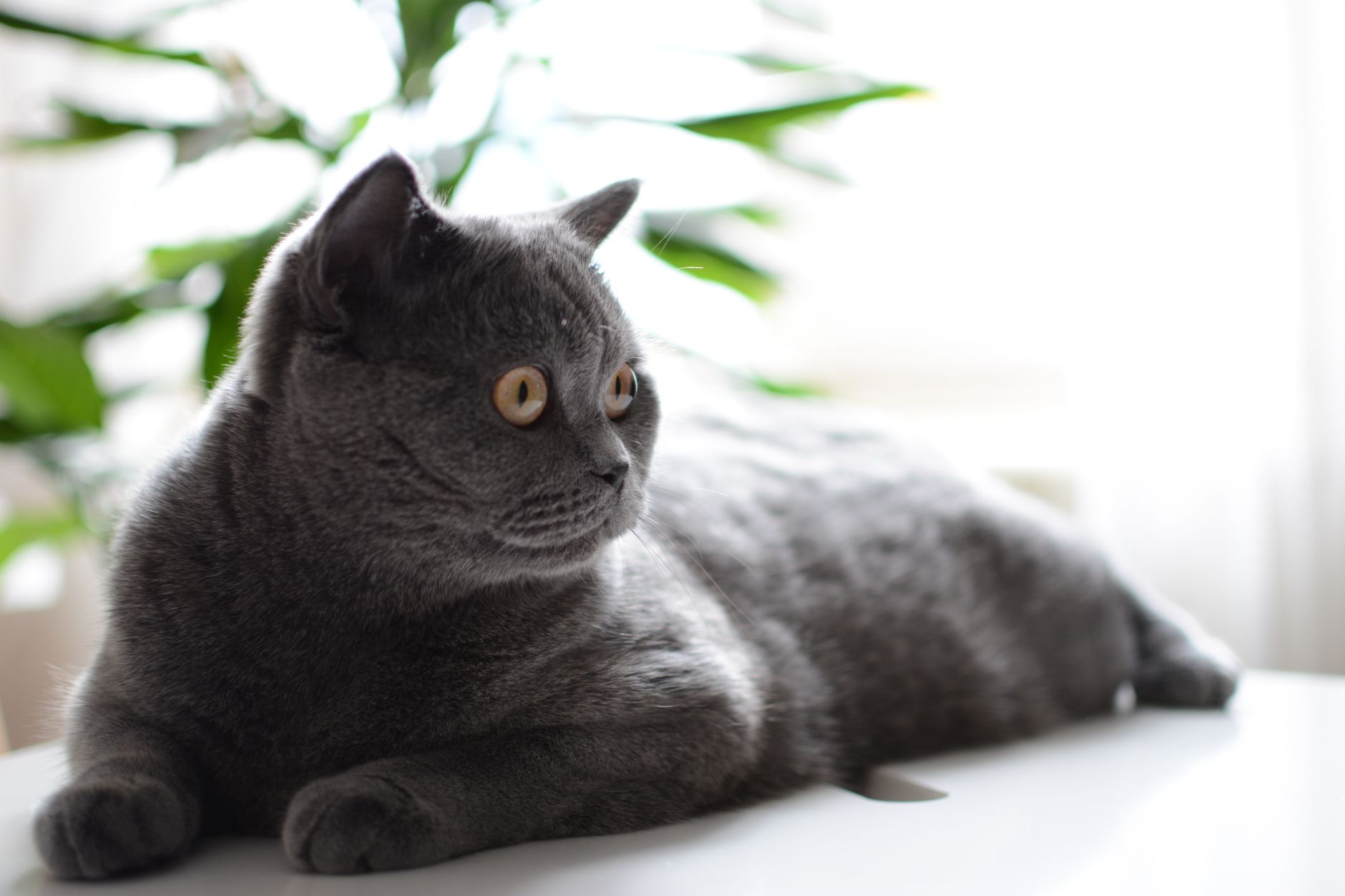
The British Shorthair, with its endearing round face and dense, plush coat, has captured the hearts of cat lovers worldwide. Originating in Britain and recognized for its calm temperament, this breed has become a popular choice for families and individuals alike. However, like any breed, the British Shorthair has its own set of potential drawbacks that prospective owners should be aware of. Understanding these disadvantages is crucial to ensure a happy and harmonious relationship between cat and owner. This article will explore what are the disadvantages of British Shorthair cats, going beyond the breed’s charming facade to reveal potential challenges.

What colours are fish most attracted to?
Can you put your finger in a trout's mouth?
Is methylene blue anti bacterial?
Does aquarium salt raise pH in aquarium?
Health Considerations: Genetic Predispositions and Potential Issues

One of the most significant considerations when considering a British Shorthair is their potential predisposition to certain health issues. Responsible breeders screen for these conditions, but understanding the risks is still vital.
- Hypertrophic Cardiomyopathy (HCM): This is a heart condition common in many cat breeds, including the British Shorthair. HCM causes thickening of the heart muscle, which can lead to heart failure.
- Polycystic Kidney Disease (PKD): A genetic disorder characterized by the development of cysts in the kidneys, eventually leading to kidney failure. DNA testing can identify affected cats.
- Arthritis: Due to their stocky build and weight British Shorthairs are prone to arthritis later in life.
Selecting a reputable breeder who prioritizes health testing is paramount in mitigating these risks. Regular veterinary check-ups are also essential for early detection and management of any potential health problems.
Temperament and Behavior: Independence vs. Affection
While generally known for their laid-back and affectionate nature, British Shorthairs can also exhibit a degree of independence that might not suit every owner.
- Not a “Lap Cat”: While they enjoy being near their owners, British Shorthairs are not typically considered lap cats. They may prefer to sit beside you rather than on you.
- Independent Streak: They can be content spending time alone and may not always seek constant attention.
- Playfulness: Although not overly energetic, they do require mental stimulation and interactive play to prevent boredom and potential behavioral issues.
This independence can be a positive trait for owners with busy lifestyles, but it’s important to understand that British Shorthairs may not be as overtly affectionate or demanding of attention as some other breeds.
Grooming and Maintenance: Managing the Dense Coat
The British Shorthair’s signature plush coat requires regular grooming to prevent matting and hairballs.
- Regular Brushing: Weekly brushing is essential to remove loose fur and prevent mats from forming.
- Shedding: They tend to shed heavily, especially during seasonal changes.
- Hairballs: Due to their dense coat, British Shorthairs are prone to hairballs. Regular brushing and a diet formulated to reduce hairballs can help manage this issue.
Weight Management: Preventing Obesity
British Shorthairs are prone to weight gain, which can exacerbate health problems like arthritis and HCM. Careful attention to diet and exercise is crucial.
- Portion Control: Precisely measuring food portions is vital to prevent overfeeding.
- Interactive Play: Engaging in regular play sessions can help keep them active and burn calories.
- Diet: Choose a high-quality cat food formulated to maintain a healthy weight.
Costs Associated with British Shorthairs
Aside from the initial purchase price, British Shorthairs come with ongoing expenses that prospective owners should consider.
- Food: High-quality cat food can be expensive.
- Veterinary Care: Regular checkups, vaccinations, and potential treatment for breed-specific health issues can add up.
- Grooming Supplies: Brushes, combs, and potentially professional grooming services contribute to the overall cost of ownership.
| Expense | Estimated Cost (Annual) |
|---|---|
| Food | $500 – $800 |
| Veterinary Care | $300 – $1000+ |
| Grooming Supplies | $50 – $100 |
Frequently Asked Questions (FAQs)
Are British Shorthairs prone to any specific behavioral problems?
While generally well-behaved, British Shorthairs can develop behavioral problems if they are bored, stressed, or not properly socialized. These can include destructive scratching, overgrooming, and aggression. Providing ample mental and physical stimulation, as well as consistent training, can help prevent these issues.
Do British Shorthairs get lonely easily?
British Shorthairs are relatively independent cats and can tolerate being alone for longer periods than some other breeds. However, they still require social interaction and can become lonely if left alone for extended periods without any human or animal companionship. Providing interactive toys and ensuring they receive attention when you are home can help mitigate loneliness.
Are British Shorthairs good with children and other pets?
Generally, British Shorthairs are known for their calm and tolerant temperament, making them a good choice for families with children and other pets. However, it’s important to introduce them gradually and supervise interactions, especially with young children or rambunctious pets, to ensure everyone gets along safely and comfortably. Early socialization is key to a harmonious household.
What is the average lifespan of a British Shorthair cat?
With proper care and a healthy lifestyle, British Shorthairs typically live between 12 and 17 years. Factors such as genetics, diet, exercise, and access to veterinary care can influence their lifespan.
How much do British Shorthair kittens typically cost?
The price of a British Shorthair kitten can vary depending on the breeder, lineage, and location. On average, you can expect to pay between $1,500 and $3,000 for a well-bred kitten from a reputable breeder.
What are the signs of Hypertrophic Cardiomyopathy (HCM) in British Shorthairs?
Symptoms of HCM in British Shorthairs can be subtle and may not be apparent until the disease is advanced. Some common signs include lethargy, difficulty breathing, coughing, and sudden collapse. Regular veterinary checkups and echocardiograms can help detect HCM early.
Are British Shorthairs hypoallergenic cats?
No, British Shorthairs are not hypoallergenic. While no cat is truly 100% hypoallergenic, some breeds produce less of the Fel d 1 protein, which is the primary allergen responsible for cat allergies. British Shorthairs produce a normal amount of this protein, so they are not a good choice for individuals with severe cat allergies.
How much grooming do British Shorthairs need?
British Shorthairs require moderate grooming to maintain their plush coat. Weekly brushing is essential to remove loose fur and prevent matting. During shedding season, more frequent brushing may be necessary. Occasional baths can also help remove excess fur and keep their coat clean.
What kind of food is best for British Shorthair cats?
British Shorthairs thrive on a high-quality cat food that is rich in protein and low in carbohydrates. Look for foods that list meat as the primary ingredient and avoid those with excessive fillers or artificial additives. A diet formulated to help prevent hairballs can also be beneficial.
How can I prevent my British Shorthair from becoming overweight?
Preventing weight gain in British Shorthairs requires a combination of portion control, regular exercise, and a healthy diet. Precisely measure food portions according to the manufacturer’s recommendations, engage in interactive play sessions to encourage activity, and choose a food formulated to maintain a healthy weight. Avoid giving excessive treats.
What is Polycystic Kidney Disease (PKD) and how is it diagnosed in British Shorthairs?
Polycystic Kidney Disease (PKD) is a genetic disorder that causes cysts to form in the kidneys, eventually leading to kidney failure. It can be diagnosed through DNA testing or ultrasound imaging. Responsible breeders screen their cats for PKD to prevent its transmission to offspring.
What can I do to keep my British Shorthair entertained?
Providing your British Shorthair with plenty of toys, scratching posts, and climbing structures can help keep them entertained and prevent boredom. Rotate toys regularly to keep them interested. Interactive play sessions, such as using a laser pointer or feather wand, can also provide mental and physical stimulation. Puzzle feeders can also provide enrichment and slow down their eating.
Understanding what are the disadvantages of British Shorthair cats will allow you to make an informed decision if this breed is the right fit for your lifestyle. While they have certain health predispositions, a degree of independence, and a need for weight management, their calm temperament and generally good health make them a loving addition to many homes.