

What Are the Cons of Dolphin Captivity?
What are the cons of dolphin captivity? The cons are multifaceted, ranging from drastically shortened lifespans and compromised physical and psychological well-being to ethical concerns about restricting highly intelligent and social creatures to artificial environments, ultimately arguing that the moral costs outweigh any perceived educational or entertainment benefits.

Introduction: The Confined Lives of Dolphins
Dolphins, majestic creatures of the open ocean, possess an intelligence and social complexity that captivates the human imagination. Yet, for decades, thousands of these animals have been held in captivity, confined to concrete tanks for entertainment, research, and educational purposes. While proponents argue for the benefits of such environments, a growing body of scientific evidence and ethical considerations highlights the profound negative impacts of dolphin captivity. What are the cons of dolphin captivity? It’s a question that demands a thorough and critical examination.

What colours are fish most attracted to?
Can you put your finger in a trout's mouth?
Is methylene blue anti bacterial?
Does aquarium salt raise pH in aquarium?
Background: The Rise of Dolphinariums
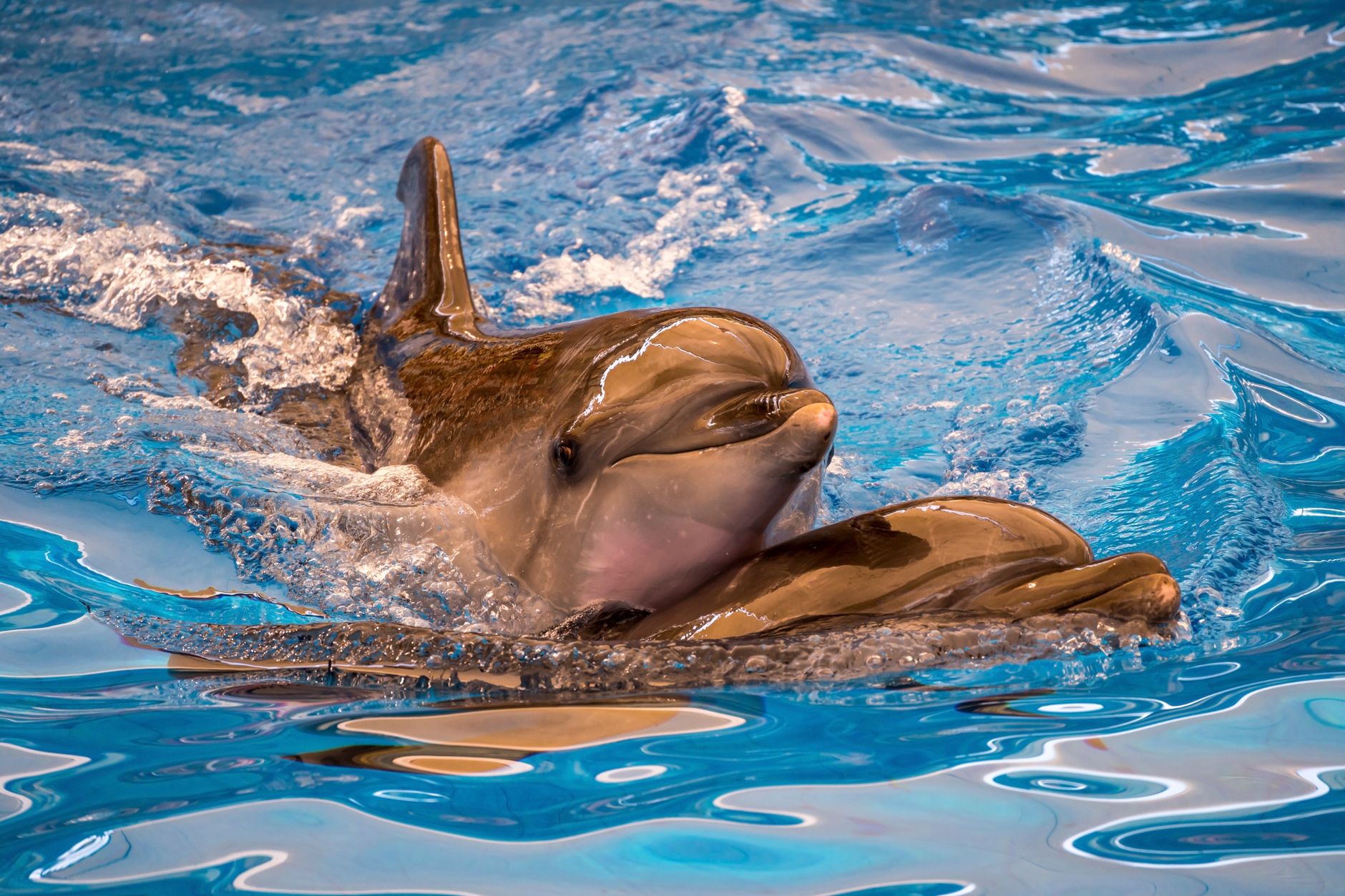
The history of dolphin captivity dates back to the mid-20th century, with the establishment of the first marine parks and aquariums. Driven by public fascination and the potential for profit, these facilities began capturing dolphins from the wild, often employing brutal methods that resulted in significant mortality rates. Initially, little was known about the complex needs of these animals, leading to inadequate living conditions and a lack of understanding of their psychological suffering.
The Negative Impacts of Captivity
The disadvantages of keeping dolphins in captivity are extensive and encompass several critical areas:
- Reduced Lifespan: Captive dolphins typically live significantly shorter lives than their wild counterparts. Studies have shown that the average lifespan of a captive bottlenose dolphin is far less than that of a wild dolphin, with some research suggesting it’s less than half. This is a crucial aspect of the cons of dolphin captivity.
- Compromised Physical Health: Captive environments often lack the space and stimulation necessary for maintaining physical health. Dolphins suffer from a range of ailments, including:
- Skin lesions and fungal infections due to poor water quality.
- Increased susceptibility to diseases due to weakened immune systems.
- Stereotypical behaviors like repetitive swimming patterns, indicating stress and boredom.
- Psychological Distress: Dolphins are highly intelligent and social animals that thrive in complex social structures and vast ocean environments. Captivity deprives them of these fundamental needs, leading to:
- Chronic stress and depression.
- Aggression towards tank mates and trainers.
- Self-harming behaviors.
- Social Disruption: Wild dolphin societies are intricate and stable. Capturing and mixing dolphins from different pods disrupts these social bonds, leading to conflict and psychological trauma.
- Limited Natural Behaviors: Captive dolphins are unable to engage in many of their natural behaviors, such as hunting, foraging, and navigating vast distances. This lack of stimulation and opportunity for self-expression contributes to their overall decline in well-being.
Ethical Considerations
Beyond the scientific evidence of harm, there are significant ethical arguments against dolphin captivity. Many argue that it is morally wrong to confine sentient beings for human entertainment or profit, especially when their natural needs cannot be adequately met. The debate centers on:
- The inherent rights of dolphins to live in their natural environment.
- The responsibility of humans to minimize suffering and promote animal welfare.
- The potential for alternative forms of education and entertainment that do not rely on exploiting animals.
The Argument for Conservation and Education – Debunked
Proponents of dolphin captivity often argue that it contributes to conservation efforts and provides valuable educational opportunities. However, these claims are increasingly scrutinized. Studies show that:
- Captive breeding programs have had limited success in bolstering wild populations.
- The educational value of dolphinariums is questionable, as they often present a skewed and unnatural view of dolphin behavior.
- Alternative forms of education, such as documentaries and virtual reality experiences, can provide accurate and engaging information about dolphins without causing them harm.
Table: Comparing Wild and Captive Dolphin Life
| Feature | Wild Dolphins | Captive Dolphins |
|---|---|---|
| Lifespan | 30-50 years (depending on species and location) | 5-30 years (significantly reduced) |
| Social Structure | Complex, stable pods with strong bonds | Artificially formed groups, often with conflict |
| Swimming Range | Up to 100 miles per day | Confined to small tanks |
| Natural Behaviors | Hunting, foraging, socializing, exploring | Limited to artificial tricks and repetitive acts |
| Health | Generally robust, adapted to natural environment | Prone to infections, stress-related ailments |
The Future of Dolphin Conservation
The growing awareness of the negative impacts of dolphin captivity is driving a shift towards more ethical and sustainable approaches to conservation and education. These include:
- Supporting marine sanctuaries that provide a natural environment for rescued or retired dolphins.
- Promoting responsible ecotourism that allows people to observe dolphins in their natural habitat.
- Investing in research and education programs that focus on protecting wild dolphin populations.
- Advocating for stricter regulations on dolphin captivity and phasing out harmful practices.
Frequently Asked Questions (FAQs)
What is the average lifespan of a dolphin in captivity compared to the wild?
On average, dolphins in captivity have significantly shorter lifespans than their wild counterparts. While some wild dolphins can live up to 50 years or more, the average lifespan of a captive bottlenose dolphin is often less than 20 years, and in some cases even shorter. This discrepancy highlights the detrimental effects of captivity on dolphin health and well-being.
Do dolphins in captivity experience stress? If so, how is it manifested?
Yes, dolphins in captivity experience significant stress due to the limited space, artificial environment, and lack of natural social structures. This stress can manifest in several ways, including stereotypical behaviors such as repetitive swimming patterns (circling or figure-eights), increased aggression towards tank mates or trainers, self-harming behaviors (like banging against the tank walls), and increased susceptibility to illness.
Are captive breeding programs effective in conserving dolphin populations?
While captive breeding programs are sometimes touted as conservation efforts, they have had limited success in bolstering wild dolphin populations. The genetic diversity of captive populations is often restricted, and captive-bred dolphins may lack the skills and knowledge necessary to survive in the wild. Furthermore, focusing on captive breeding can divert resources from more effective conservation strategies such as habitat protection and reducing pollution.
What are the ethical arguments against keeping dolphins in captivity?
The ethical arguments against dolphin captivity center on the inherent rights of these intelligent and social creatures to live in their natural environment. Confining dolphins to artificial environments deprives them of their freedom, restricts their natural behaviors, and causes them significant psychological distress. Many argue that it is morally wrong to exploit animals for human entertainment or profit, especially when their needs cannot be adequately met.
What are the most common health problems experienced by dolphins in captivity?
Dolphins in captivity are prone to a variety of health problems, including skin lesions and fungal infections due to poor water quality, respiratory infections caused by stress and weakened immune systems, and gastrointestinal issues resulting from an unnatural diet. They are also more susceptible to developing behavioral issues that can further compromise their physical and mental well-being.
How does the social structure of captive dolphins compare to that of wild dolphins?
Wild dolphin societies are complex and stable, with strong bonds between individuals. Captivity disrupts these social structures by mixing dolphins from different pods, often leading to conflict and aggression. The artificial groupings lack the natural hierarchy and social dynamics of wild populations, causing chronic stress and social instability among the dolphins.
What is the impact of dolphin shows on dolphin welfare?
Dolphin shows require dolphins to perform unnatural behaviors for human entertainment. This can involve training methods that rely on food deprivation or other forms of coercion, which can be stressful and harmful. The constant interaction with humans and the noise and activity of the shows can also contribute to chronic stress and behavioral problems.
Are there alternative ways to educate the public about dolphins without keeping them in captivity?
Yes, there are numerous alternative ways to educate the public about dolphins without resorting to captivity. These include documentaries, virtual reality experiences, interactive exhibits, and responsible ecotourism that allows people to observe dolphins in their natural habitat. These methods can provide accurate and engaging information about dolphins while respecting their well-being.
What is a marine sanctuary and how does it benefit dolphins?
A marine sanctuary is a natural environment, typically a coastal area or bay, that provides a safe and spacious home for rescued or retired dolphins. Sanctuaries allow dolphins to swim freely, interact with other dolphins in a natural social setting, and engage in their natural behaviors. This provides a much better quality of life than the confined spaces of a traditional dolphinarium.
What can individuals do to help protect dolphins and end dolphin captivity?
Individuals can help protect dolphins and end dolphin captivity by supporting organizations that work to protect wild dolphin populations and advocate for dolphin welfare. They can also avoid visiting dolphinariums and marine parks that keep dolphins in captivity, choose responsible ecotourism options, and educate others about the negative impacts of dolphin captivity.
What is the difference between “swim with dolphins” programs in captivity versus in the wild?
“Swim with dolphins” programs in captivity, although seemingly harmless, further contribute to the demand that fuels capture. They also involve the dolphins being confined and exposed to unnatural interaction. In contrast, responsible ecotourism in the wild allows observation from a distance, minimizing disturbance and respecting the dolphins’ natural habitat and behaviors.
How do different countries regulate dolphin captivity?
Dolphin captivity regulations vary widely across different countries. Some countries have strict laws prohibiting the capture and captivity of dolphins, while others have more lenient regulations. A growing number of countries are banning or restricting dolphin shows and swim-with-dolphins programs, recognizing the ethical and welfare concerns associated with these practices. Continued advocacy and international cooperation are needed to ensure that all countries adopt stricter regulations to protect dolphins.