
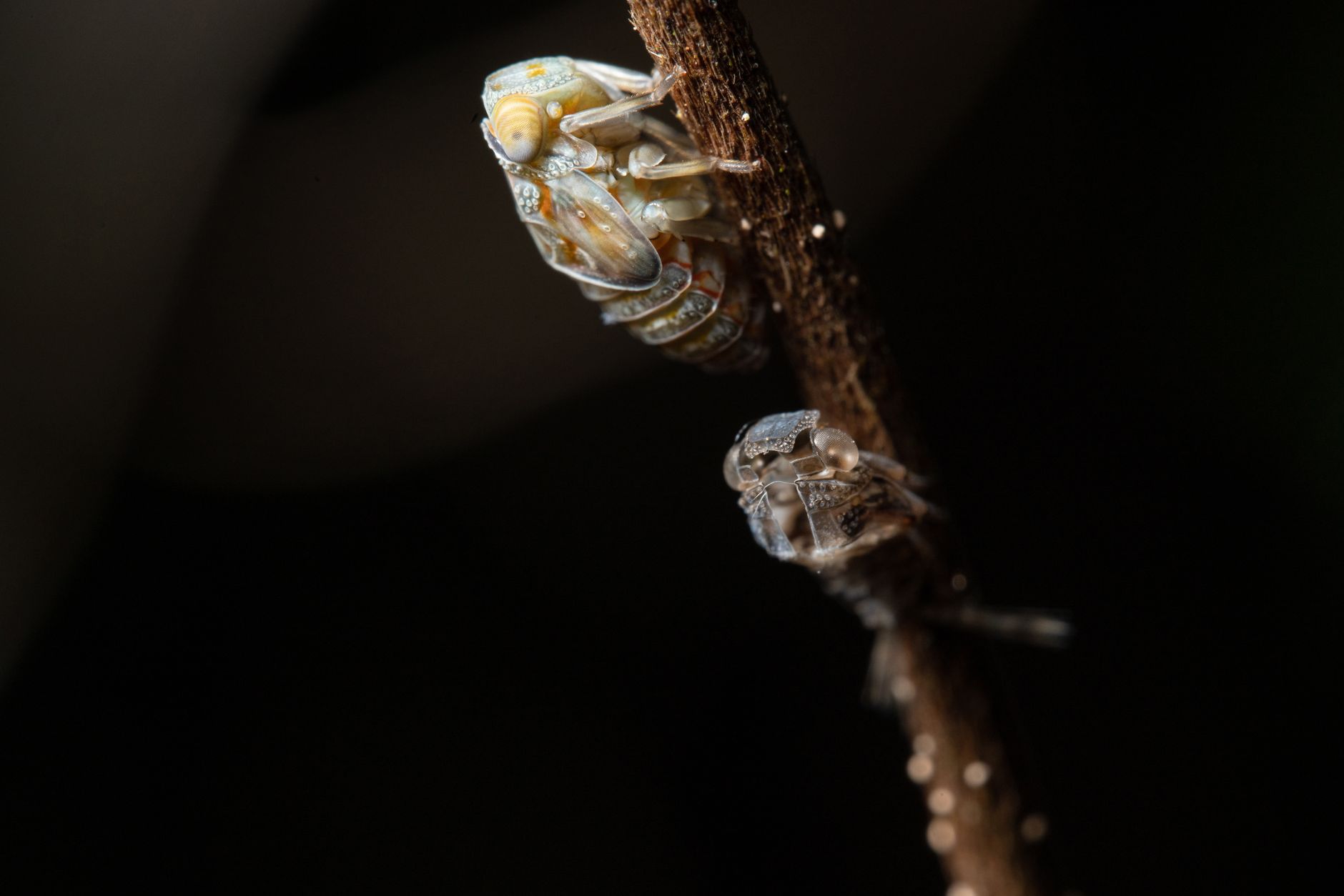
What Are The Brown Jumping Bugs In My Bed?
The brown jumping bugs you’re finding in your bed are most likely fleas, or possibly bed bugs, though bed bugs typically don’t jump. Identifying the exact culprit is crucial for effective treatment and preventing further infestations.

Introduction: Unveiling the Mystery of Bedroom Intruders
Discovering uninvited guests in your bed is never a pleasant experience. If these guests happen to be small, brown, and prone to jumping, you’re likely dealing with either fleas or, less commonly, bed bugs. Understanding the characteristics and behaviors of these pests is the first step towards reclaiming your sleep sanctuary. This article aims to provide a comprehensive guide to identifying these intruders and implementing effective solutions. The question, “What are the brown jumping bugs in my bed?“, needs a targeted answer, and that begins with proper identification.

Is distilled water good for goldfish?
What colours are fish most attracted to?
Can you put your finger in a trout's mouth?
Is methylene blue anti bacterial?
Identifying the Culprit: Fleas vs. Bed Bugs

While both fleas and bed bugs are nocturnal pests that feed on blood, their appearances and behaviors differ significantly. Accurate identification is paramount for choosing the correct treatment strategy. Asking “What are the brown jumping bugs in my bed?” is only the first question. You also need to consider where they are located and what they look like.
- Fleas:
- Small, wingless, and reddish-brown in color.
- Possess powerful hind legs enabling them to jump considerable distances.
- Flattened bodies allow them to move easily through fur or fabric.
- Typically found on pets or in areas where pets frequent.
- Bed Bugs:
- Small, oval-shaped, and reddish-brown in color.
- Do not jump; they crawl.
- Flat bodies that become engorged and more rounded after feeding.
- Typically found in mattresses, box springs, bed frames, and other cracks and crevices near the bed.
Here’s a table summarizing the key differences:
| Feature | Fleas | Bed Bugs |
|---|---|---|
| Jumping | Yes | No |
| Body Shape | Flattened | Oval, flattens when unfed |
| Color | Reddish-brown | Reddish-brown |
| Common Location | Pets, pet bedding, carpets | Mattress, bed frame, cracks |
Understanding Flea Infestations
Fleas are more common if you have pets. They hitchhike indoors and can quickly multiply. Understanding their life cycle is important for effective control.
- Life Cycle: Fleas undergo a complete metamorphosis, with four life stages: egg, larva, pupa, and adult.
- Feeding Habits: Adult fleas require blood meals to reproduce. They feed on pets (dogs, cats) and humans.
- Health Risks: Flea bites can cause itching, irritation, and allergic reactions. In rare cases, they can transmit diseases.
Understanding Bed Bug Infestations
While less likely to be the “brown jumping bugs,” bed bugs are still a possibility and becoming increasingly common. Recognizing signs of infestation is crucial.
- Signs of Infestation: Look for shed skins, fecal spots (small dark stains) on mattresses and bedding, and live bed bugs.
- Feeding Habits: Bed bugs are nocturnal feeders, attracted to body heat and carbon dioxide.
- Health Risks: Bed bug bites can cause itching, welts, and anxiety. In rare cases, secondary infections can occur from scratching.
Treatment Strategies: Eradicating the Pests
Once you’ve identified the pest responsible for your discomfort, it’s time to take action. Different pests require different approaches.
- Flea Treatment:
- Treat pets with flea control products recommended by your veterinarian.
- Wash all bedding, pet bedding, and rugs in hot water and dry on high heat.
- Vacuum carpets, floors, and furniture thoroughly and frequently.
- Consider using flea bombs or professional pest control services for severe infestations.
- Bed Bug Treatment:
- Wash all bedding and linens in hot water and dry on high heat.
- Vacuum mattresses, box springs, and surrounding areas thoroughly.
- Seal mattresses and box springs in bed bug-proof encasements.
- Use steam cleaning on mattresses, carpets, and furniture.
- Apply insecticides specifically labeled for bed bugs to cracks and crevices.
- Contact a professional pest control service for best results. Bed bug infestations are notoriously difficult to eradicate on your own.
Prevention Tips: Keeping Pests at Bay
Prevention is always better than cure. Implementing proactive measures can significantly reduce the risk of future infestations.
- Flea Prevention:
- Regularly treat pets with flea control products.
- Vacuum frequently, especially in areas where pets spend time.
- Keep your yard clean and free of debris.
- Bed Bug Prevention:
- Inspect used furniture and luggage carefully before bringing them into your home.
- Use mattress encasements to prevent bed bugs from infesting mattresses and box springs.
- Be vigilant when traveling and inspect hotel rooms for signs of bed bugs.
Common Mistakes: Avoiding Pitfalls in Pest Control
Many people make mistakes when attempting to control flea and bed bug infestations, leading to prolonged problems.
- Using the wrong insecticide: Different insecticides are effective against different pests. Make sure you are using a product specifically labeled for the pest you are targeting.
- Not treating the entire home: Fleas and bed bugs can spread throughout your home, so it’s important to treat all affected areas.
- Giving up too soon: Eradicating flea and bed bug infestations can take time and persistence. Don’t give up if you don’t see results immediately.
- Relying solely on DIY methods for bed bugs: Bed bugs can be difficult to eradicate without professional help. Consider contacting a pest control service for severe infestations.
- Not treating pets for fleas: If you have pets, treating them for fleas is essential to controlling a flea infestation.
When to Call a Professional
While DIY methods can be effective for minor infestations, it’s often best to call a professional pest control service for severe or persistent problems. Professionals have the experience, knowledge, and equipment to effectively eliminate pests and prevent future infestations. If you’re asking, “What are the brown jumping bugs in my bed?” and are overwhelmed, professional help might be your best solution.
Frequently Asked Questions (FAQs)
Can fleas live on humans?
While fleas can bite humans, they don’t typically live on them permanently. They prefer to live on furry animals like cats and dogs. Human blood isn’t their ideal food source, and we lack the fur for them to easily hide and reproduce.
How long can fleas live without a host?
Adult fleas can survive for several weeks without a blood meal, but their ability to reproduce is severely impacted. Flea larvae are even more vulnerable and require a consistent food source. This is why thorough cleaning is important.
Are flea bites dangerous?
Flea bites can cause itching, irritation, and allergic reactions. Some people may develop a rash or hives. In rare cases, fleas can transmit diseases like typhus and tapeworms. The risk of disease transmission is relatively low in developed countries.
How can I tell if I have a bed bug infestation?
Look for shed skins, fecal spots (small dark stains) on mattresses and bedding, and live bed bugs. Bed bug bites often appear as small, itchy welts in a linear pattern. A musty odor can also indicate a significant infestation.
Do bed bugs only come out at night?
Bed bugs are primarily nocturnal, but they can come out during the day if they are hungry or if there is a heavy infestation. They are attracted to body heat and carbon dioxide, which are more readily available at night.
Can bed bugs travel on clothing?
Yes, bed bugs can travel on clothing, luggage, and other personal belongings. This is how they are often spread from one location to another. Always inspect your belongings after traveling.
What is the best way to get rid of bed bugs?
The most effective way to get rid of bed bugs is to combine multiple treatment methods, including washing bedding, vacuuming, steam cleaning, applying insecticides, and using mattress encasements. For severe infestations, professional pest control is highly recommended.
Do bed bug bites itch immediately?
Bed bug bites often don’t itch immediately. It can take several hours or even days for the welts to appear and for the itching to begin. Some people may not react to bed bug bites at all.
Can I use essential oils to repel fleas and bed bugs?
Some essential oils, such as lavender, peppermint, and tea tree oil, are believed to have repellent properties against fleas and bed bugs. However, scientific evidence supporting their effectiveness is limited. Essential oils should be used with caution and are not a substitute for professional pest control.
How often should I vacuum to prevent fleas and bed bugs?
Vacuuming frequently, at least twice a week, can help to remove flea eggs, larvae, and adult fleas, as well as bed bugs and their eggs. Pay special attention to areas where pets spend time and to cracks and crevices in mattresses and furniture.
What are bed bug mattress encasements?
Bed bug mattress encasements are zippered covers that completely enclose mattresses and box springs. They prevent bed bugs from entering or escaping, effectively trapping and killing them. They also protect mattresses from future infestations.
What is the best way to prevent bringing bed bugs home from a hotel?
Inspect the mattress, headboard, and bedding for signs of bed bugs before settling in. Keep luggage off the floor and away from the bed. When you return home, wash all clothing and inspect luggage carefully. These steps can help prevent the dreaded “What are the brown jumping bugs in my bed?” scenario.