
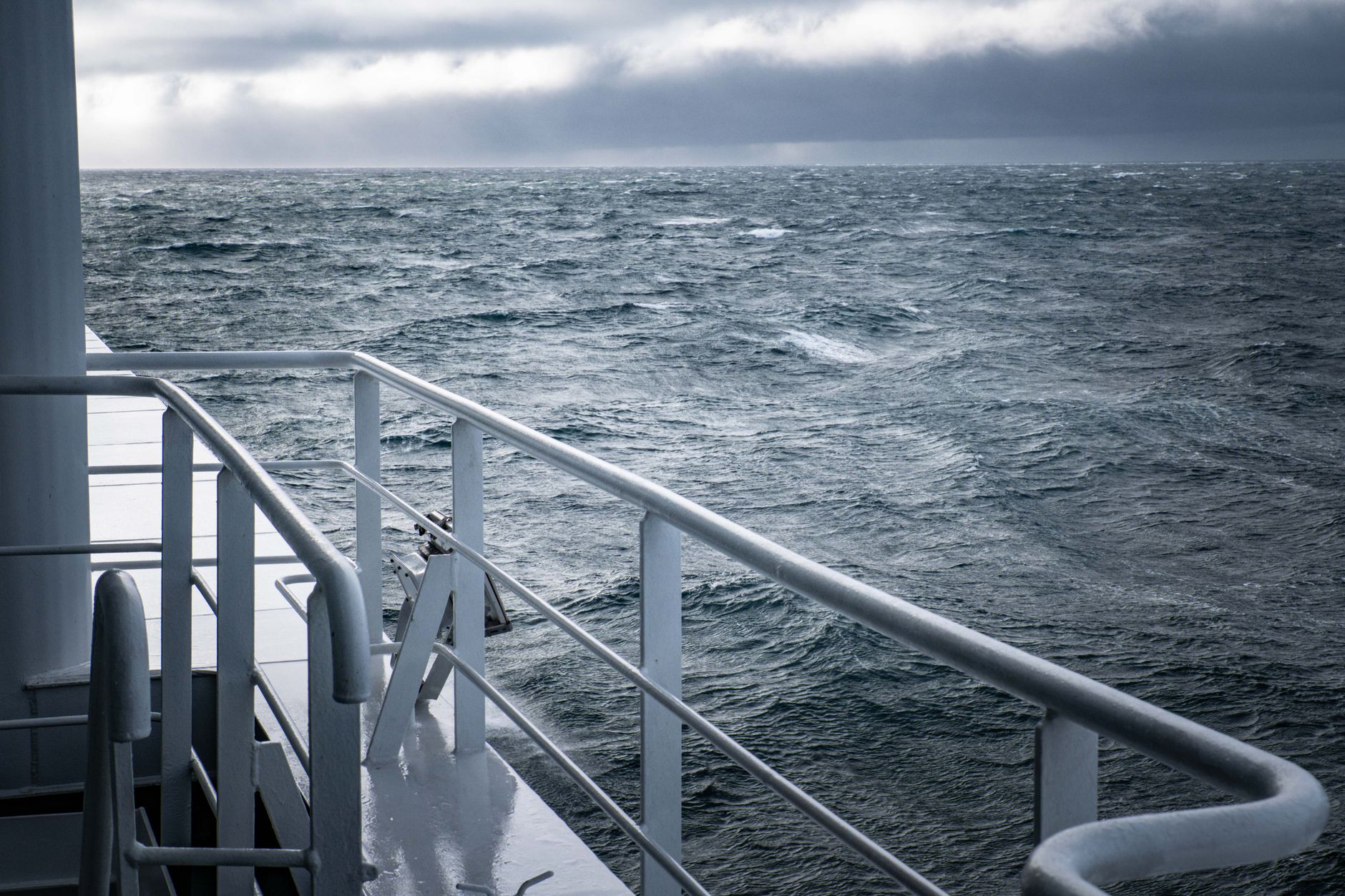
Which Seas Have No Sharks?
While sharks are found in nearly every ocean on Earth, the most definitive answer to Which seas have no sharks? is the Dead Sea, due to its extremely high salinity levels that make it uninhabitable for virtually all marine life, including these cartilaginous predators.

The Ubiquitous Shark: A Global Distribution
Sharks, ancient and remarkably resilient creatures, have populated Earth’s oceans for over 400 million years. Their adaptability has allowed them to thrive in a wide range of environments, from the frigid Arctic waters to the warm, tropical seas. This impressive distribution speaks volumes about their evolutionary success and their vital role in maintaining marine ecosystems. However, some bodies of saltwater, often referred to as seas, are naturally devoid of these predators.
Do all amphibians have eyelids?
Why do cuttlefish have W-shaped eyes?
Do all snakes have poison in them?
What is the GREY African clawed frog?
Why Some Seas Are Shark-Free

The absence of sharks in certain seas is primarily dictated by environmental factors. These factors often create conditions unsuitable for shark survival and reproduction. Key elements include:
- Salinity: High salt concentrations can be lethal.
- Temperature: Extreme temperatures, especially consistently cold waters, can limit shark distribution.
- Depth: Deep sea trenches may lack sufficient oxygen or prey.
- Food Availability: A lack of prey makes survival difficult.
- Geographical Barriers: Landmasses can restrict access.
The Dead Sea: A Shark-Free Zone
The Dead Sea is, without question, the body of water most widely and definitively recognized as lacking any shark presence. Its extremely high salinity, reaching nearly 34%, makes it impossible for sharks, and most other forms of aquatic life, to survive. This hypersaline environment creates osmotic stress, leading to dehydration and ultimately death for any shark attempting to enter. The Dead Sea is not really a sea, but an endorheic lake, a landlocked body of water that has no outflow.
The Case of the Caspian Sea: Historically Shark-Free?
The Caspian Sea, the world’s largest inland body of water, presents a more nuanced case. While historically considered shark-free, there have been unconfirmed reports of occasional shark sightings, potentially strays from connecting waterways during periods of low salinity. However, these reports are generally dismissed as misidentifications or anecdotal evidence lacking scientific backing. The Caspian Sea’s brackish water, a mix of freshwater and saltwater, is typically inhospitable to most shark species.
Other Considerations and Bodies of Water
The question of “Which seas have no sharks?” is more complex than it initially appears. While large, open oceans almost invariably host shark populations, smaller, enclosed seas or brackish bodies of water might present challenging environments, leading to very low or nonexistent shark populations. Further research and monitoring are crucial to understanding the exact distribution and movement patterns of sharks in these areas.
Here’s a table comparing the Dead Sea and the Caspian Sea:
| Feature | Dead Sea | Caspian Sea |
|---|---|---|
| Salinity | ~34% (Hypersaline) | ~1.2% (Brackish) |
| Shark Presence | None | Historically None (Unconfirmed Reports) |
| Type of Water Body | Endorheic Lake | Largest Inland Body of Water |
| Marine Life | Almost None | Limited (Sturgeon, Seals) |
Frequently Asked Questions (FAQs)
Is it absolutely certain that there are no sharks in the Dead Sea?
Yes, it is virtually certain. The extremely high salinity of the Dead Sea makes it impossible for sharks, and almost all other forms of marine life, to survive. The salinity levels are so extreme that any shark attempting to enter would quickly dehydrate and perish.
Are there any documented cases of sharks ever entering the Dead Sea?
No, there are no scientifically documented cases of sharks ever entering the Dead Sea. The environmental conditions are simply too harsh for them to tolerate. Anecdotal stories are unfounded.
What about the Caspian Sea – are there any sharks there?
While historically considered shark-free, there have been some unconfirmed reports of sightings. These are likely misidentifications or stray sharks that may have entered from connecting waterways during periods of lower salinity. However, the Caspian Sea is generally considered inhospitable to sharks.
Could sharks adapt to survive in a high-salinity environment like the Dead Sea?
While sharks are adaptable, the extreme salinity of the Dead Sea presents a challenge that is unlikely to be overcome. Evolution takes a very long time, and rapid changes in salinity can cause severe physiological stress on an organism.
Are there any other seas with exceptionally low shark populations?
Some brackish seas or enclosed bodies of water may have very low shark populations due to limited access, reduced food availability, or unfavorable environmental conditions. Accurate, verifiable data is crucial to evaluating each situation.
What is the role of sharks in maintaining healthy ocean ecosystems?
Sharks are apex predators that play a crucial role in regulating populations of other marine animals. By preying on the sick, weak, and injured, they help to maintain the health and stability of the entire ecosystem.
What are the biggest threats to shark populations worldwide?
The biggest threats to shark populations include overfishing, finning (the practice of removing a shark’s fins and discarding the body), and habitat destruction. Climate change and pollution also pose significant threats.
What is the difference between a “sea” and an “ocean”?
Generally, a “sea” is a smaller body of saltwater that is often partially enclosed by land, while an “ocean” is a larger, more expansive body of saltwater. The distinction is not always precise, and some seas are quite large.
Are there any sharks that can tolerate freshwater?
Yes, the bull shark (Carcharhinus leucas) is well-known for its ability to tolerate freshwater and has been found in rivers and lakes far from the ocean. However, bull sharks still need access to saltwater for breeding and long-term survival.
Why is it important to study shark distribution and behavior?
Understanding shark distribution and behavior is crucial for effective conservation efforts. This knowledge helps us to identify important habitats, assess threats, and develop strategies to protect shark populations.
What can individuals do to help protect sharks?
Individuals can support sustainable fishing practices, avoid consuming shark fin soup, reduce their carbon footprint to mitigate climate change, and educate others about the importance of shark conservation.
Does the absence of sharks in a sea necessarily mean the ecosystem is unhealthy?
Not necessarily. The absence of sharks in a sea like the Dead Sea is due to extreme environmental conditions, not necessarily a sign of overall ecosystem health (or lack thereof, in this case). The Dead Sea, for example, simply lacks the basic requirements for most life forms.