

What are the Big 5 Animals? Unveiling Africa’s Iconic Wildlife
The Big Five are iconic African animals, specifically referring to the lion, leopard, rhinoceros (both black and white), elephant, and Cape buffalo. They represent both the continent’s incredible wildlife and, historically, the difficulty and prestige associated with hunting them.

A Brief History of the Big Five
The term “Big Five” originated not from wildlife conservation efforts, but from the world of big game hunting. Hunters coined the phrase to describe the five most dangerous and difficult African animals to hunt on foot. These animals were prized trophies and symbolized the ultimate challenge. While the ethics of hunting these majestic creatures are now heavily debated and largely restricted, the “Big Five” moniker has stuck, evolving to represent not just hunting prowess, but also Africa’s wildlife tourism industry and conservation efforts. Today, instead of aiming rifles, tourists seek to capture the Big Five with cameras, contributing to local economies and supporting wildlife preservation.

What colours are fish most attracted to?
Can you put your finger in a trout's mouth?
Is methylene blue anti bacterial?
Does aquarium salt raise pH in aquarium?
Why These Animals? More Than Just Size
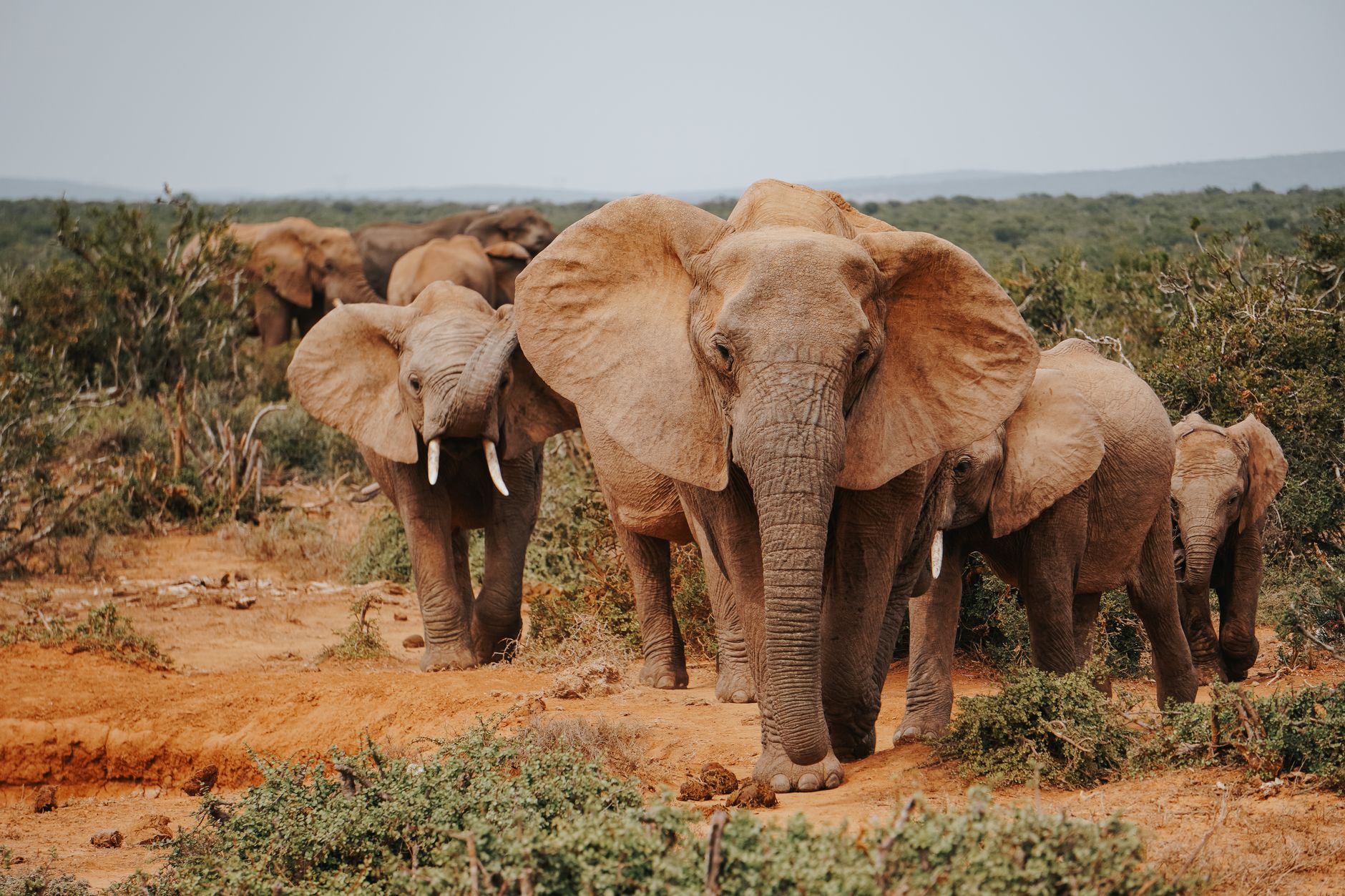
While size plays a role, the term “Big Five” is less about physical dimensions and more about their perceived danger and difficulty to hunt. These animals are known for their strength, aggression, and ability to defend themselves.
- Lion: The king of the jungle, a powerful predator, and a symbol of Africa.
- Leopard: A stealthy and elusive hunter, skilled at climbing and camouflage.
- Rhinoceros (Black & White): Massive and powerful, with a dangerous horn and a tendency to charge when threatened. Both species are critically endangered.
- Elephant: The largest land animal, intelligent and strong, capable of causing significant damage.
- Cape Buffalo: Known for their unpredictable temperament and aggressive behavior, especially when protecting their herd.
It’s important to understand that this classification isn’t about ecological importance or overall conservation status. Many other African animals are arguably more vital to their ecosystems and are facing far greater threats to their survival. The term is simply a historical categorization tied to hunting.
The Big Five and Tourism
The “Big Five” designation has become a major draw for tourists visiting Africa. Seeing these animals in their natural habitat is a bucket-list item for many travelers, fueling the safari industry and contributing significantly to local economies. However, it’s crucial that this tourism is managed responsibly and sustainably. Overtourism can negatively impact wildlife populations and their habitats.
- Economic benefits: Tourism creates jobs and revenue for local communities.
- Conservation funding: Tourism revenue can be used to fund conservation efforts.
- Awareness: Tourism raises awareness about the importance of protecting wildlife.
Responsible tourism practices include:
- Choosing eco-friendly tour operators.
- Respecting wildlife and their habitats.
- Supporting local communities.
- Avoiding activities that harm animals or their environment.
The Big Five: Conservation Challenges
Despite their iconic status, all of the Big Five animals face significant conservation challenges. Poaching, habitat loss, and human-wildlife conflict are major threats to their survival.
| Animal | Major Threats | Conservation Status (IUCN) |
|---|---|---|
| Lion | Habitat loss, human-wildlife conflict, poaching | Vulnerable |
| Leopard | Habitat loss, poaching, persecution | Vulnerable |
| Black Rhinoceros | Poaching (horn), habitat loss | Critically Endangered |
| White Rhinoceros | Poaching (horn), habitat loss | Near Threatened |
| Elephant | Poaching (ivory), habitat loss, human-wildlife conflict | Vulnerable |
| Cape Buffalo | Habitat loss, disease, poaching | Least Concern |
Conservation efforts are crucial to ensure the long-term survival of these magnificent animals. These efforts include:
- Anti-poaching patrols
- Habitat protection and restoration
- Community-based conservation programs
- Research and monitoring
Beyond the Big Five: Expanding the Conversation
While the Big Five are undoubtedly impressive, it’s important to remember that Africa is home to a vast array of other incredible wildlife. Focusing solely on the Big Five can overshadow the importance of protecting other species and entire ecosystems. Consider exploring the “Small Five” or focusing on specific bird species during your visit. Recognizing the interconnectedness of all species is vital for effective conservation. The concept of the “Big Seven” also exists, adding the cheetah and wild dog, acknowledging their significant conservation needs.
Frequently Asked Questions
What are the Big 5 animals?
The Big Five are five of Africa’s most iconic and formidable animals: the lion, leopard, rhinoceros (both black and white), elephant, and Cape buffalo. They are popular attractions for safaris and represent a vital part of Africa’s natural heritage.
Why are they called the “Big Five”?
The term originated from big game hunting. It referred to the five most dangerous and difficult animals for hunters to track and kill on foot, not necessarily the biggest in size.
Are the “Big Five” the only important animals in Africa?
Absolutely not! Many other African animals are critically important to their ecosystems and face significant conservation challenges. The focus on the Big Five can sometimes overshadow the need to protect other species and entire habitats.
Which rhinoceros species are included in the Big Five?
Both the black rhinoceros and the white rhinoceros are included in the Big Five. Both species face severe threats from poaching and habitat loss.
Are all of the “Big Five” endangered?
While not all are currently classified as endangered, several face serious conservation threats. The black rhinoceros is critically endangered, while lions and elephants are classified as vulnerable.
Where can I see the Big Five?
The Big Five can be seen in many national parks and game reserves across East and Southern Africa. Some popular destinations include Kruger National Park (South Africa), Serengeti National Park (Tanzania), and Masai Mara National Reserve (Kenya).
What is the “Small Five”?
The “Small Five” is a playful counterpart to the Big Five, featuring smaller but equally fascinating animals. They typically include the elephant shrew, rhinoceros beetle, leopard tortoise, antlion, and buffalo weaver.
How can I contribute to the conservation of the Big Five?
You can support conservation efforts by:
- Choosing ethical and responsible tour operators.
- Donating to conservation organizations.
- Raising awareness about the threats facing these animals.
- Avoiding products made from endangered species.
What is the difference between the black and white rhinoceros?
Despite their names, both black and white rhinos are actually gray. The names refer to the shape of their mouths: white rhinos have wide, square mouths for grazing, while black rhinos have pointed mouths for browsing on leaves.
Is it ethical to use the term “Big Five” considering its hunting origins?
There’s ongoing debate about the ethics of using the term “Big Five” due to its hunting origins. However, it’s now widely used in tourism and conservation, and efforts are being made to shift its meaning to represent conservation and appreciation for these animals.
What is human-wildlife conflict, and how does it affect the Big Five?
Human-wildlife conflict occurs when animals damage crops, livestock, or property, or when humans are injured or killed by animals. This conflict can lead to retaliatory killings of wildlife, including the Big Five.
What are community-based conservation programs?
Community-based conservation programs involve local communities in the management and conservation of wildlife and natural resources. These programs can provide economic incentives for conservation and reduce human-wildlife conflict.