
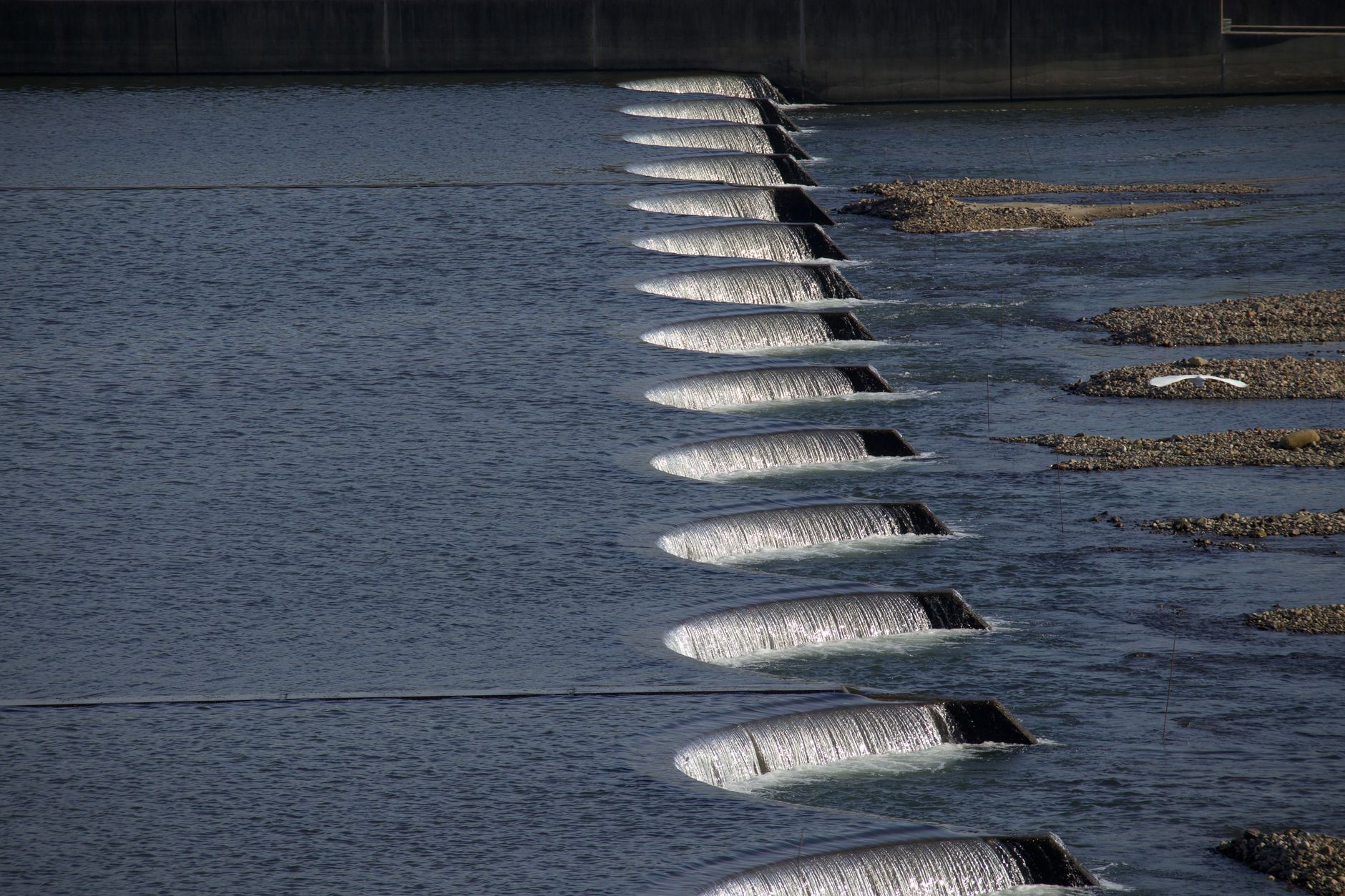
What are the Benefits of Destroying Dams?
Destroying dams offers significant benefits, primarily focused on ecosystem restoration; the removal of these structures allows for the natural restoration of river ecosystems, benefiting fish populations, water quality, and overall biodiversity. Ultimately, removing obsolete or ecologically damaging dams enables the entire riverine environment to return to a more pristine state.

The Dam Dilemma: A Brief Background
Dams, once symbols of progress and control over nature, have long provided power, irrigation, and flood control. However, their ecological consequences are increasingly understood. The artificial impoundments they create dramatically alter river ecosystems, fragmenting habitats, disrupting natural flow patterns, and hindering the migration of aquatic species. As many dams age and become less economically viable, or their environmental impacts outweigh their benefits, the conversation around dam removal gains momentum. What are the benefits of destroying dams? They span ecological, economic, and social dimensions.

What colours are fish most attracted to?
Can you put your finger in a trout's mouth?
Is methylene blue anti bacterial?
Does aquarium salt raise pH in aquarium?
Ecological Restoration: Rivers Returning to Life

The most compelling argument for dam removal revolves around ecological restoration. Removing a dam is like turning back the clock, allowing a river to heal and reclaim its natural state.
- Fish Passage: Dams impede the migration of anadromous fish like salmon and steelhead, crucial for their life cycle. Dam removal restores access to upstream spawning grounds, significantly boosting populations.
- Sediment Transport: Dams trap sediment, preventing it from reaching downstream areas. This sediment is vital for building and maintaining coastal wetlands, nourishing floodplains, and replenishing beaches. Dam removal allows for the natural sediment flow to resume.
- Water Quality: Dams can alter water temperature, dissolved oxygen levels, and nutrient cycles. Removing a dam can restore more natural water temperatures and oxygen levels, benefiting aquatic life.
- Habitat Connectivity: Dams fragment river ecosystems, isolating populations and reducing genetic diversity. Dam removal reconnects habitats, allowing for the movement and interaction of species.
- Riparian Zones: Restoring natural flooding regimes allows for the health and regeneration of riparian zones.
Economic Considerations: Beyond the Concrete
While dam removal can seem expensive, it’s crucial to consider the long-term economic costs of maintaining aging infrastructure.
- Maintenance Costs: Aging dams require constant maintenance and repair, often at substantial expense. Removal can be a more cost-effective alternative in the long run.
- Reduced Flood Risk: Breached or failing dams pose a significant flood risk. Removal eliminates this risk.
- Recreational Opportunities: Restored rivers often offer enhanced recreational opportunities, such as fishing, kayaking, and wildlife viewing, boosting local economies.
- Infrastructure Investment: The cost of dam removal can be offset by investments in renewable energy or more sustainable infrastructure.
The Dam Removal Process: A Carefully Planned Endeavor
Dam removal is not a simple demolition project; it requires careful planning and execution to minimize environmental impacts and ensure public safety.
- Feasibility Study: A thorough assessment of the dam’s structural integrity, environmental impacts, and potential risks.
- Stakeholder Engagement: Collaboration with landowners, communities, and regulatory agencies to address concerns and build consensus.
- Sediment Management: Developing a plan to manage the sediment accumulated behind the dam, either through controlled releases or removal.
- Dam Deconstruction: The gradual and controlled removal of the dam structure, often involving heavy equipment and specialized techniques.
- Post-Removal Monitoring: Monitoring the river ecosystem to assess the effectiveness of the restoration efforts and address any unforeseen issues.
Common Concerns and Misconceptions
Several common concerns often arise during discussions about dam removal.
- Loss of Water Supply: In some cases, dams provide a vital source of water for irrigation or municipal use. However, alternative water sources can often be developed.
- Increased Flooding: While dam removal can alter flow patterns, it rarely increases the risk of flooding. In fact, it can often reduce flood risk by eliminating the risk of dam failure.
- Sediment Release: The release of sediment accumulated behind a dam can be a concern. However, careful planning and management can minimize the impact.
- Impact on Recreation: Some worry that dam removal will negatively impact recreation. However, restored rivers often offer new and enhanced recreational opportunities.
Case Studies: Success Stories in Dam Removal
Numerous dam removal projects around the world have demonstrated the benefits of this approach. The Elwha River restoration project in Washington State, where two large dams were removed, stands as a prime example, highlighting dramatic improvements in salmon populations and overall ecosystem health. Similarly, smaller dam removal projects on the Klamath River in California and Oregon are set to revitalize this ecosystem and restore the population of endangered Klamath Basin fish. Success stories like these underscore the potential for dam removal to restore rivers and benefit communities. What are the benefits of destroying dams? These case studies provide tangible evidence.
The Future of Rivers: Dam Removal as a Restoration Tool
As awareness of the ecological consequences of dams grows, dam removal is increasingly recognized as a valuable tool for restoring river ecosystems. While not all dams should be removed, carefully considered dam removal projects can offer significant benefits for the environment, economy, and communities.
Frequently Asked Questions (FAQs)
Why is dam removal important for salmon?
Dam removal is crucial for salmon because it restores access to upstream spawning habitats. Dams block salmon migration, preventing them from reaching the gravel beds where they lay their eggs. By removing these barriers, salmon can return to their ancestral spawning grounds, increasing their populations.
What happens to the sediment behind a dam when it’s removed?
The fate of sediment behind a dam depends on the quantity and composition of the sediment, as well as downstream considerations. Often, sediment is carefully released over time to minimize downstream impacts. In other cases, sediment may be excavated and used for other purposes, such as beach nourishment.
Does dam removal increase the risk of flooding?
Generally, dam removal does not increase the risk of flooding and, in many cases, can reduce it. Dams can fail, causing catastrophic floods. Removing a dam eliminates this risk. Additionally, restoring the natural floodplain allows the river to spread out during high flows, reducing flood peaks.
How long does it take for a river to recover after a dam is removed?
The recovery time varies depending on the size of the river, the size of the dam, and the specific ecosystem. However, significant improvements in water quality, fish populations, and habitat connectivity can often be observed within a few years of dam removal. Full ecosystem recovery can take decades.
Who decides if a dam should be removed?
The decision to remove a dam is typically made by a collaborative process involving landowners, communities, regulatory agencies, and other stakeholders. This process includes a thorough assessment of the dam’s structural integrity, environmental impacts, and potential risks.
What are the alternatives to dam removal?
Alternatives to dam removal include installing fish ladders, modifying dam operations to improve fish passage, and implementing habitat restoration projects downstream of the dam. However, these alternatives are often less effective than dam removal in restoring the full range of ecosystem functions.
How expensive is dam removal?
The cost of dam removal varies depending on the size of the dam, the complexity of the project, and the need for sediment management. However, the cost can be offset by reduced maintenance costs, enhanced recreational opportunities, and improved ecosystem services.
Are there any negative consequences to dam removal?
While dam removal offers many benefits, there can also be short-term negative consequences, such as increased turbidity, temporary disruption of recreational activities, and the potential for invasive species to spread. However, these negative consequences are typically outweighed by the long-term ecological benefits.
What are the benefits of destroying dams that are obsolete?
Obsolete dams offer very few benefits but still have the potential to be a hazard. Destroying obsolete dams is almost exclusively beneficial, eliminating safety risks and restoring the river ecosystem with very little if any costs related to the existing dam.
What happens to the land that was formerly underwater behind the dam?
The land that was formerly underwater gradually transitions from a lakebed to a riparian zone. Vegetation begins to colonize the exposed sediments, and the river reclaims its natural channel. The specific vegetation that establishes will depend on the climate, soil conditions, and available seed sources.
How is the success of a dam removal project measured?
The success of a dam removal project is measured by monitoring various ecological indicators, such as fish populations, water quality, sediment transport, habitat connectivity, and riparian vegetation. These indicators provide insights into the effectiveness of the restoration efforts.
What is the role of indigenous communities in dam removal decisions?
Indigenous communities often have strong ties to river ecosystems and have a vital role in dam removal decisions. Their knowledge of local ecosystems and traditional ecological practices is invaluable in ensuring that dam removal projects are conducted in a way that benefits both the environment and the community.