
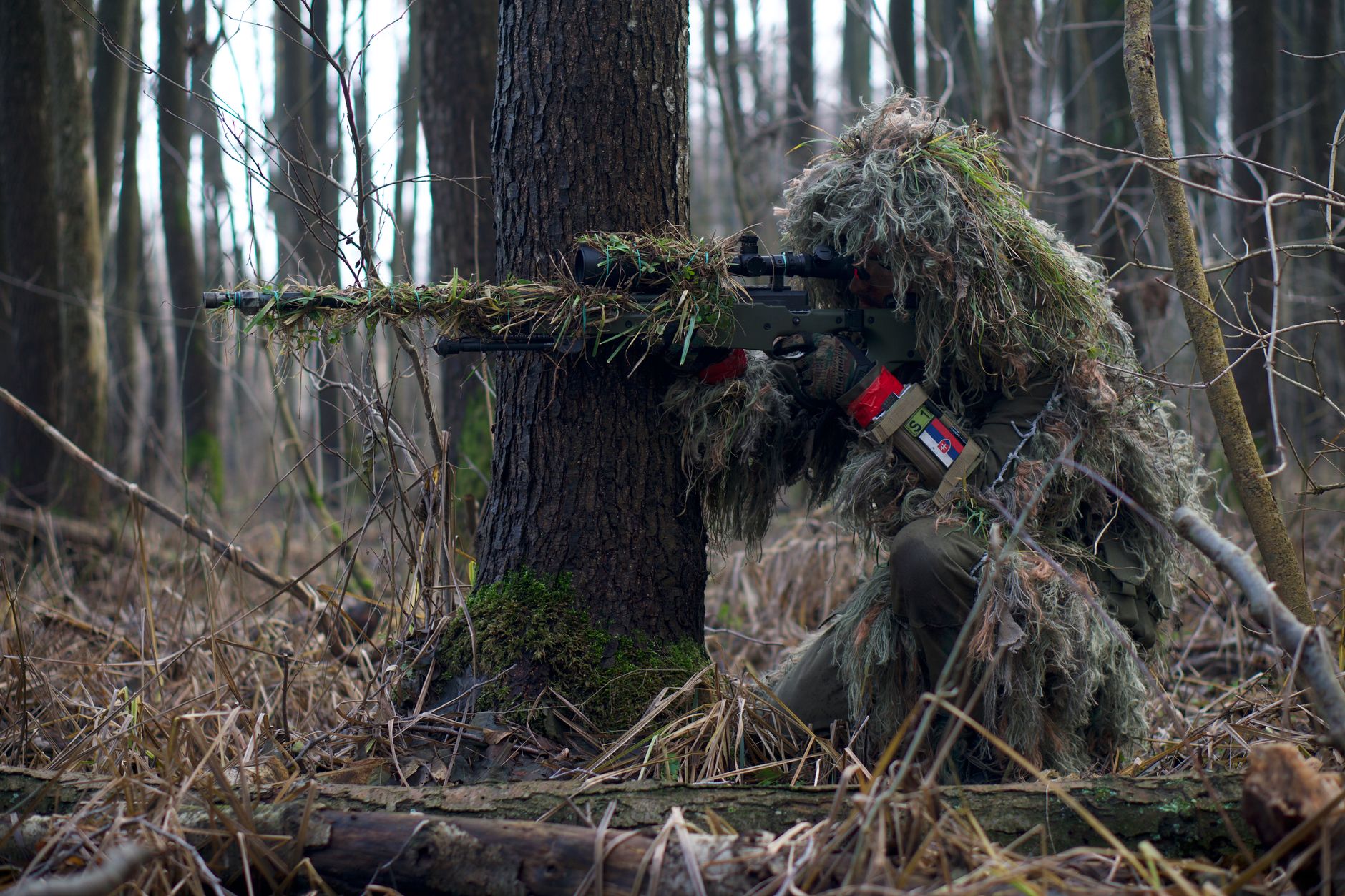
What are the 5 Different Types of Camouflage?
The world of camouflage is a fascinating study in adaptation and deception. This article explores the five primary types of camouflage: crypsis, mimesis, disruptive coloration, countershading, and motion camouflage – offering insight into how animals and humans use them to blend in or stand out.
Introduction to Camouflage
Camouflage, derived from the French word “camoufler” meaning “to disguise,” is more than just a method of hiding; it’s an evolutionary arms race. Throughout the natural world, species have developed remarkable adaptations to evade predators, stalk prey, or otherwise manipulate their visibility. Humans, recognizing the power of camouflage, have also adapted these principles for military, hunting, and even artistic purposes. Understanding the different types of camouflage offers insights into both the natural world and human ingenuity.

What colours are fish most attracted to?
Can you put your finger in a trout's mouth?
Is methylene blue anti bacterial?
Does aquarium salt raise pH in aquarium?
Crypsis: Blending into the Background

Crypsis, or blending camouflage, is perhaps the most intuitive form of disguise. It involves matching the color, pattern, and texture of the surrounding environment.
- Examples: A chameleon changing its skin to match the leaves, a moth with wing patterns resembling tree bark, or a snowshoe hare turning white in winter.
Crypsis is effective when the target (animal or object) remains stationary, as movement can easily break the illusion. It is highly dependent on a specific environment and may require behavioral adaptations, such as choosing appropriate resting places.
Mimesis: Impersonating Something Else
Mimesis goes beyond simply blending in; it involves resembling an inanimate object or another organism. This allows the camouflaged entity to avoid detection by appearing to be something harmless or uninteresting.
- Examples: A stick insect mimicking a twig, a leaf-tailed gecko resembling a dead leaf, or a viceroy butterfly mimicking the poisonous monarch butterfly.
Mimesis requires a high degree of specialization and morphological adaptation. It is effective against predators or prey that rely on visual cues for identification.
Disruptive Coloration: Breaking Up the Outline
Disruptive coloration uses high-contrast patterns to break up an organism’s or object’s outline, making it difficult to distinguish from the background. Instead of blending into the background, it aims to blend with it.
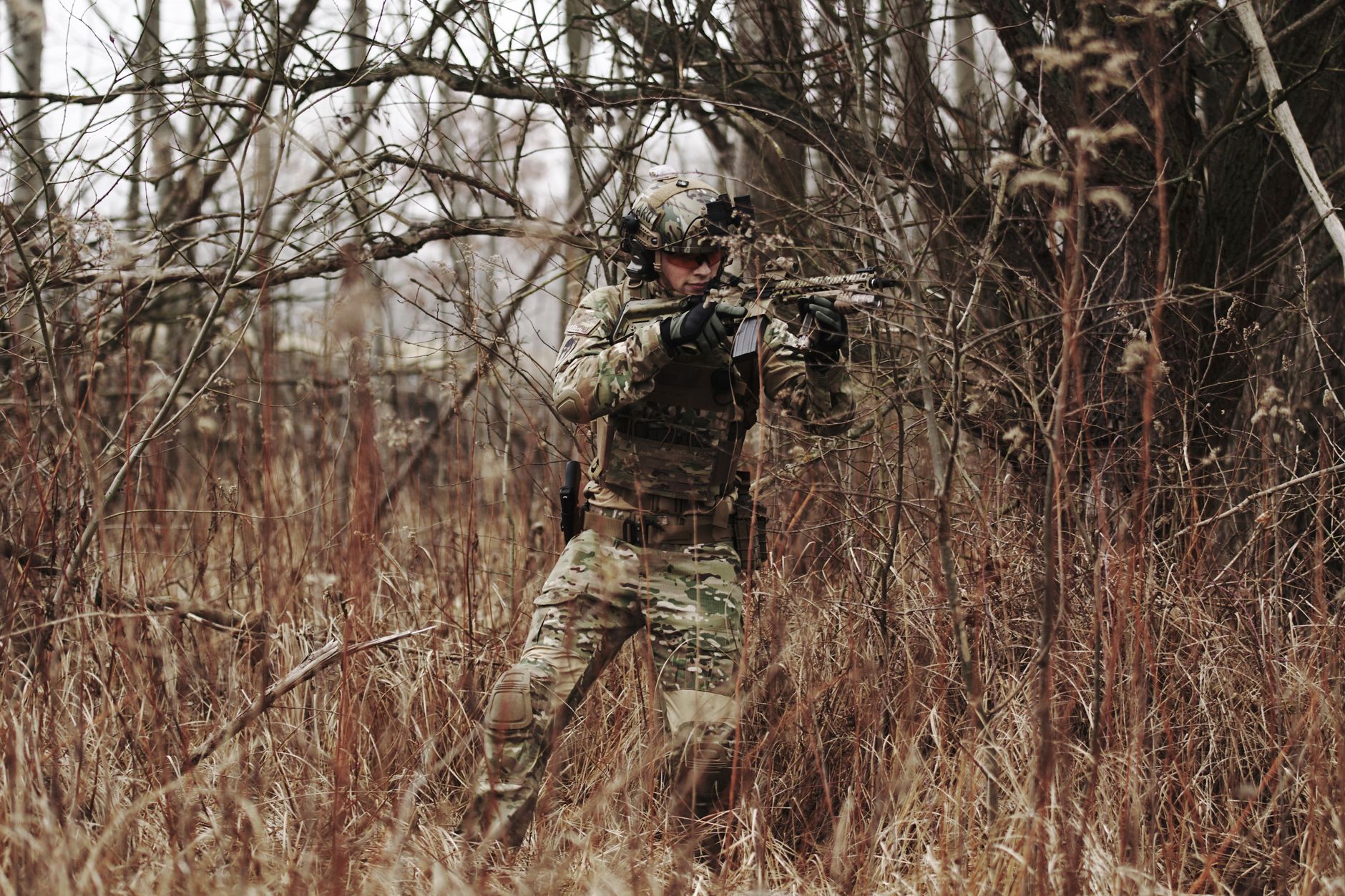
- Examples: Zebra stripes, leopard spots, military camouflage patterns.
The success of disruptive coloration hinges on the patterns disrupting the perception of a continuous surface. It is especially effective in complex environments with varying light and shadows.
Countershading: Illuminating the Truth
Countershading, also known as Thayer’s Law, is a form of camouflage where an animal’s upper side is darker than its underside. This counteracts the effect of sunlight, which typically makes the upper surface appear lighter and the lower surface appear darker, thus creating a more uniform appearance.
- Examples: Many fish, deer, and birds exhibit countershading.
Countershading effectively flattens the appearance of the organism, making it less visible against a consistent background, especially in open environments.
Motion Camouflage: The Art of Stealth Movement
Motion camouflage is a more advanced strategy that involves moving in a way that minimizes detectability against a moving background. This can involve matching the speed and direction of surrounding objects or creating deceptive motion patterns.
- Examples: Some insects using specific flight paths to avoid detection by predators, military aircraft using techniques to blend into the moving sky.
Motion camouflage is highly complex and requires sophisticated neural processing to control movement precisely.
What are the 5 different types of camouflage? – A Recap
To summarise, the 5 different types of camouflage are crypsis, mimesis, disruptive coloration, countershading, and motion camouflage. Each serves a unique purpose, from simple blending to intricate deception.
Frequently Asked Questions (FAQs)
What is the primary evolutionary advantage of camouflage?
The primary evolutionary advantage is increased survival. Camouflage allows animals to evade predators, increasing their chances of living long enough to reproduce. It also allows predators to ambush prey more effectively, improving their hunting success.
How do humans use camouflage in military applications?
Military camouflage employs principles of disruptive coloration and crypsis. Uniforms and equipment are designed with patterns that break up the wearer’s outline and match the environment, making it difficult for the enemy to detect them.
Is camouflage only effective against visual predators?
No. While visual camouflage is most common, some animals use chemical or auditory camouflage to evade predators that rely on smell or sound. For instance, some insects produce chemicals that mask their scent, and some fish can mimic the sounds of other species to avoid detection.
Can animals actively change their camouflage?
Yes, some animals, like chameleons and cuttlefish, can actively change their camouflage by altering the pigment distribution in their skin. This allows them to quickly adapt to changing environments.
What role does background matching play in crypsis?
Background matching is critical to crypsis. The animal’s color, pattern, and texture must closely resemble the surrounding environment to effectively blend in.
How does disruptive coloration differ from blending in (crypsis)?
Disruptive coloration breaks up the outline of an animal or object, making it difficult to distinguish from the background. Crypsis, on the other hand, involves matching the color and texture of the environment to become invisible. Disruptive coloration is more about breaking the form, while crypsis is about erasing it.
Why is countershading more effective in open environments?
Countershading is effective because it counteracts the effects of sunlight. In open environments, sunlight typically makes the upper surface of an animal appear lighter and the lower surface appear darker. Countershading balances this effect, creating a more uniform appearance.
What are some limitations of camouflage?
Camouflage is not foolproof. Factors like movement, changes in the environment, and the sensory abilities of predators can reduce its effectiveness. Additionally, some camouflage strategies are highly specialized and only work in specific circumstances.
What are some ethical considerations related to human use of camouflage in hunting?
Some argue that using advanced camouflage in hunting gives hunters an unfair advantage over prey, disrupting natural predator-prey dynamics. Others argue that responsible hunting with camouflage is a legitimate and sustainable practice when carried out ethically and legally.
Can camouflage be used for purposes other than predator avoidance or hunting?
Yes, camouflage can also be used for attracting mates. Some animals display camouflage patterns that enhance their attractiveness to potential partners.
How is motion camouflage different from simply moving slowly?
Motion camouflage isn’t just about slow movement; it’s about moving in a way that minimizes detectability against a moving background. This involves matching the speed and direction of surrounding objects to create the illusion of being stationary. Simply moving slowly might still be detected.
What are the key considerations when designing effective camouflage for a specific environment?
Key considerations include matching the color, pattern, and texture of the environment; understanding the lighting conditions; and considering the visual perception of the target audience (predators or prey). Understanding What are the 5 different types of camouflage? is also important to selecting the right method. Furthermore, it is also crucial to account for the movement of the environment and the organism and potential limitations.