

Unmasking Ammonia Exposure: What are the Signs and Symptoms?
What are signs and symptoms of ammonia? Recognizing exposure to ammonia is crucial for prompt intervention; signs range from mild irritation to severe, life-threatening complications depending on concentration and duration of exposure.

Introduction to Ammonia and its Hazards
Ammonia (NH3) is a colorless gas with a pungent, irritating odor. It is a common industrial chemical used in the production of fertilizers, plastics, refrigerants, and cleaning products. While ammonia occurs naturally in the environment and is produced by the human body, exposure to high concentrations can be extremely dangerous. This article will delve into what are signs and symptoms of ammonia exposure, providing essential information to help you recognize and respond appropriately.

What colours are fish most attracted to?
Can you put your finger in a trout's mouth?
Is methylene blue anti bacterial?
Does aquarium salt raise pH in aquarium?
Routes of Exposure
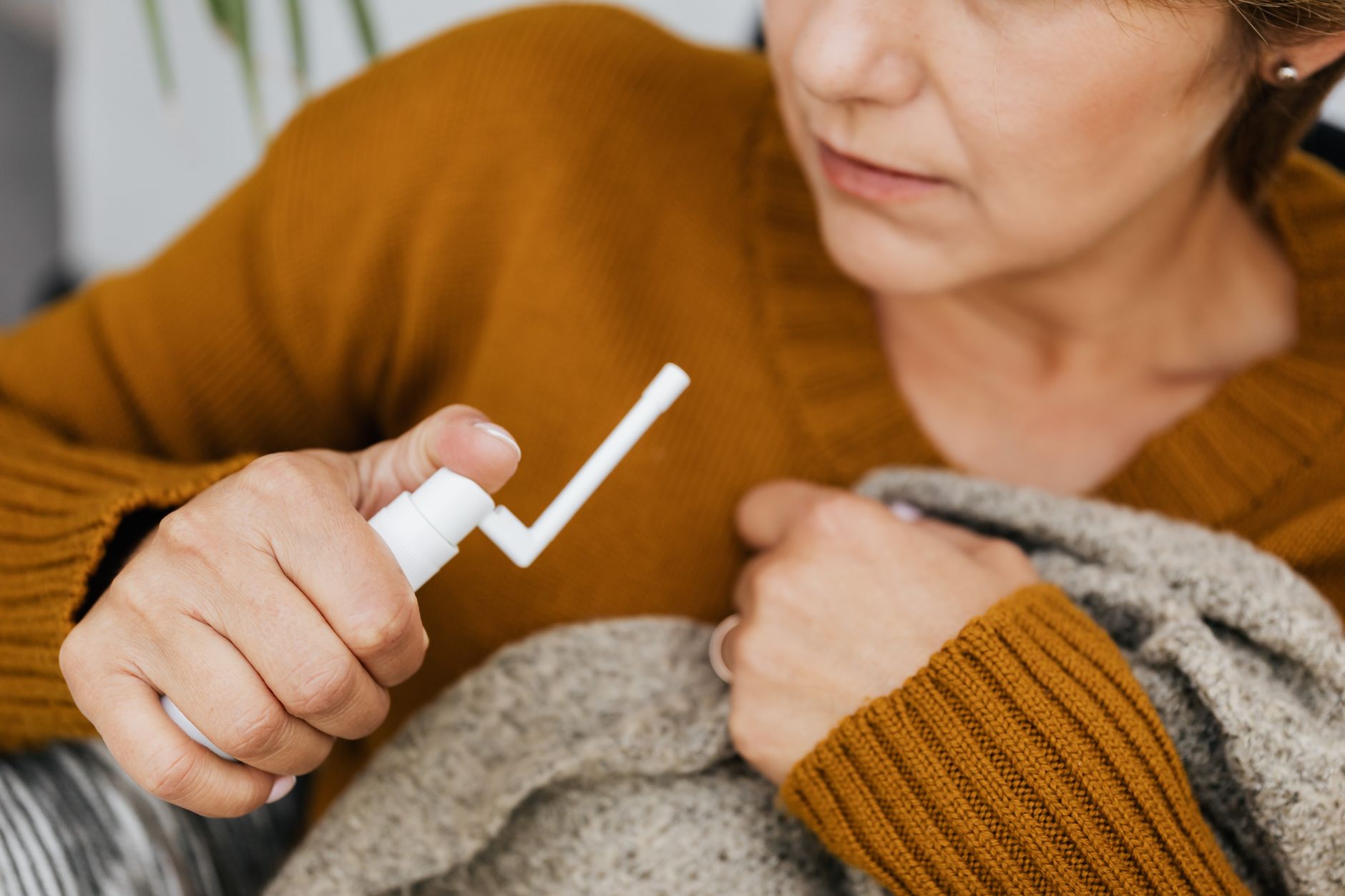
Ammonia exposure can occur through several routes:
- Inhalation: Breathing in ammonia gas is the most common route of exposure.
- Skin Contact: Direct contact with liquid or concentrated gaseous ammonia can cause burns.
- Eye Contact: Similar to skin contact, exposure to the eyes can lead to severe damage.
- Ingestion: While less common, swallowing ammonia-containing products can be extremely harmful.
What are the Signs and Symptoms of Ammonia Inhalation?
Inhaling ammonia gas can lead to a variety of respiratory and systemic symptoms. The severity of the symptoms depends on the concentration of ammonia in the air and the duration of exposure.
- Mild Exposure:
- Coughing
- Nasal and throat irritation
- Burning sensation in the nose and throat
- Watery eyes
- Moderate Exposure:
- Chest tightness
- Difficulty breathing
- Wheezing
- Increased respiratory rate
- Severe Exposure:
- Pulmonary edema (fluid in the lungs)
- Acute respiratory distress syndrome (ARDS)
- Suffocation
- Death
Skin and Eye Irritation from Ammonia Exposure
Contact with liquid or concentrated gaseous ammonia can cause severe burns to the skin and eyes.
- Skin Contact:
- Redness
- Pain
- Blisters
- Chemical burns
- Eye Contact:
- Watering eyes
- Redness
- Pain
- Blurred vision
- Corneal damage
- Blindness (in severe cases)
Systemic Effects of Ammonia Toxicity
Besides local irritation, ammonia can also have systemic effects. These effects are often associated with severe exposure or ingestion.
- Gastrointestinal Symptoms: Nausea, vomiting, abdominal pain, and burns in the mouth, throat, and esophagus (if ingested).
- Neurological Symptoms: Headache, dizziness, confusion, and seizures.
- Cardiovascular Symptoms: Irregular heartbeat (arrhythmia) and low blood pressure.
Diagnosis and Treatment
Diagnosis of ammonia exposure is primarily based on history of exposure and clinical presentation. Treatment involves:
- Immediate Removal from Exposure: Move the affected person to fresh air.
- Decontamination: Remove contaminated clothing and wash affected skin or eyes with copious amounts of water for at least 15-20 minutes.
- Supportive Care: Provide oxygen, assist with breathing (if needed), and treat burns.
- Medical Evaluation: Seek immediate medical attention for moderate to severe exposures.
Prevention of Ammonia Exposure
Preventing exposure is key to avoiding its harmful effects:
- Proper Ventilation: Ensure adequate ventilation in areas where ammonia is used or produced.
- Personal Protective Equipment (PPE): Wear appropriate PPE, such as respirators, gloves, and eye protection.
- Safe Handling Practices: Follow safety guidelines when handling ammonia-containing products.
- Leak Detection and Prevention: Implement leak detection systems and maintain equipment properly.
Identifying Potential Sources of Ammonia Exposure
Recognizing potential sources of ammonia is vital for implementing preventative measures.
- Agriculture: Livestock farming (manure management).
- Industrial Settings: Fertilizer production, chemical manufacturing, refrigeration plants.
- Household Products: Certain cleaning products (ensure proper ventilation during use).
- Refrigeration Systems: Ammonia leaks in older refrigeration systems.
Long-Term Health Effects of Ammonia Exposure
Chronic or repeated exposure to even low levels of ammonia can result in long-term health consequences.
- Chronic Respiratory Problems: Persistent cough, bronchitis, and reduced lung function.
- Eye Damage: Chronic conjunctivitis and impaired vision.
- Skin Sensitization: Increased sensitivity and irritation upon subsequent exposure.
Understanding Ammonia Levels and Their Significance
The severity of the impact depends on the concentration of ammonia and duration of exposure. Understanding these levels helps assess potential risks.
| Ammonia Concentration (ppm) | Effect |
|---|---|
| :————————- | :—————————————– |
| 5 – 25 | Odor threshold, mild irritation |
| 25 – 50 | Eye and nose irritation |
| 100 | Immediate irritation of nose and throat |
| 400 – 700 | Serious lung damage |
| > 1700 | Potentially fatal within 30 minutes |
First Aid Measures for Ammonia Exposure
Knowing basic first aid can greatly reduce the impact of exposure while waiting for medical assistance.
- Inhalation: Move to fresh air immediately. If breathing is difficult, administer oxygen.
- Skin Contact: Flush the affected area with large amounts of water for at least 15-20 minutes. Remove contaminated clothing.
- Eye Contact: Immediately flush the eyes with large amounts of water for at least 15-20 minutes. Keep eyelids open and seek medical attention.
- Ingestion: Do not induce vomiting. Rinse the mouth with water and seek immediate medical attention.
Understanding Workplace Exposure Limits for Ammonia
Occupational Safety and Health Administration (OSHA) and other regulatory agencies set permissible exposure limits (PELs) for ammonia in the workplace. Employers must monitor air quality and provide appropriate PPE to protect workers. Being aware of these limits and adhering to safety protocols is essential.
Frequently Asked Questions (FAQs)
What is the odor threshold for ammonia?
The odor threshold for ammonia is relatively low, typically ranging from 5 to 25 parts per million (ppm). This means that even at low concentrations, you can detect its characteristic pungent odor, acting as an early warning sign of potential exposure.
What should I do if I suspect an ammonia leak in my home?
If you suspect an ammonia leak, immediately evacuate the premises and contact emergency services or a qualified technician. Do not attempt to locate the leak yourself. Ensure the area is properly ventilated before re-entering.
Can ammonia exposure cause permanent lung damage?
Yes, severe ammonia exposure can cause permanent lung damage, including scarring and reduced lung function. Prompt medical attention is crucial to minimize the long-term effects.
Is it safe to mix ammonia with other cleaning products?
Mixing ammonia with certain cleaning products, especially bleach, can create toxic gases that are very dangerous to inhale. Never mix ammonia with bleach or other chemicals.
Are children more vulnerable to ammonia exposure?
Yes, children are generally more vulnerable to ammonia exposure due to their smaller size and developing respiratory systems. Extra precautions should be taken to protect children from ammonia exposure.
What is the long-term prognosis for someone who has experienced severe ammonia exposure?
The long-term prognosis varies depending on the severity of the exposure and the extent of the damage. Some individuals may experience chronic respiratory problems, while others may recover fully. Regular medical follow-up is essential.
How can I protect myself from ammonia exposure in the workplace?
Protect yourself by following all safety protocols, wearing appropriate PPE (respirator, gloves, eye protection), and reporting any concerns about ammonia leaks or unsafe conditions to your supervisor.
What types of respirators are effective for protecting against ammonia exposure?
Air-purifying respirators with ammonia-specific cartridges or supplied-air respirators are effective for protecting against ammonia exposure. The type of respirator needed depends on the concentration of ammonia.
Can ammonia exposure worsen pre-existing respiratory conditions like asthma?
Yes, ammonia exposure can exacerbate pre-existing respiratory conditions like asthma, leading to increased symptoms and potentially severe asthma attacks.
What are the common sources of ammonia in agricultural settings?
Common sources of ammonia in agricultural settings include livestock manure, fertilizers, and decomposing organic matter. Proper ventilation and manure management are crucial to minimize ammonia emissions.
What are the permissible exposure limits (PELs) for ammonia set by OSHA?
The OSHA permissible exposure limit (PEL) for ammonia is 50 ppm as an 8-hour time-weighted average (TWA) and 35 ppm as a 15-minute short-term exposure limit (STEL).
How does ammonia exposure impact the environment?
Ammonia emissions can contribute to air pollution, acid rain, and the eutrophication of waterways. It is important to manage ammonia levels effectively to protect both human health and the environment.