

What Are Pink Dolphins Called? A Comprehensive Guide
Pink dolphins are primarily known as Amazon River dolphins, also called boto or bufeo, but other pink dolphin species exist, with specific names depending on their location.
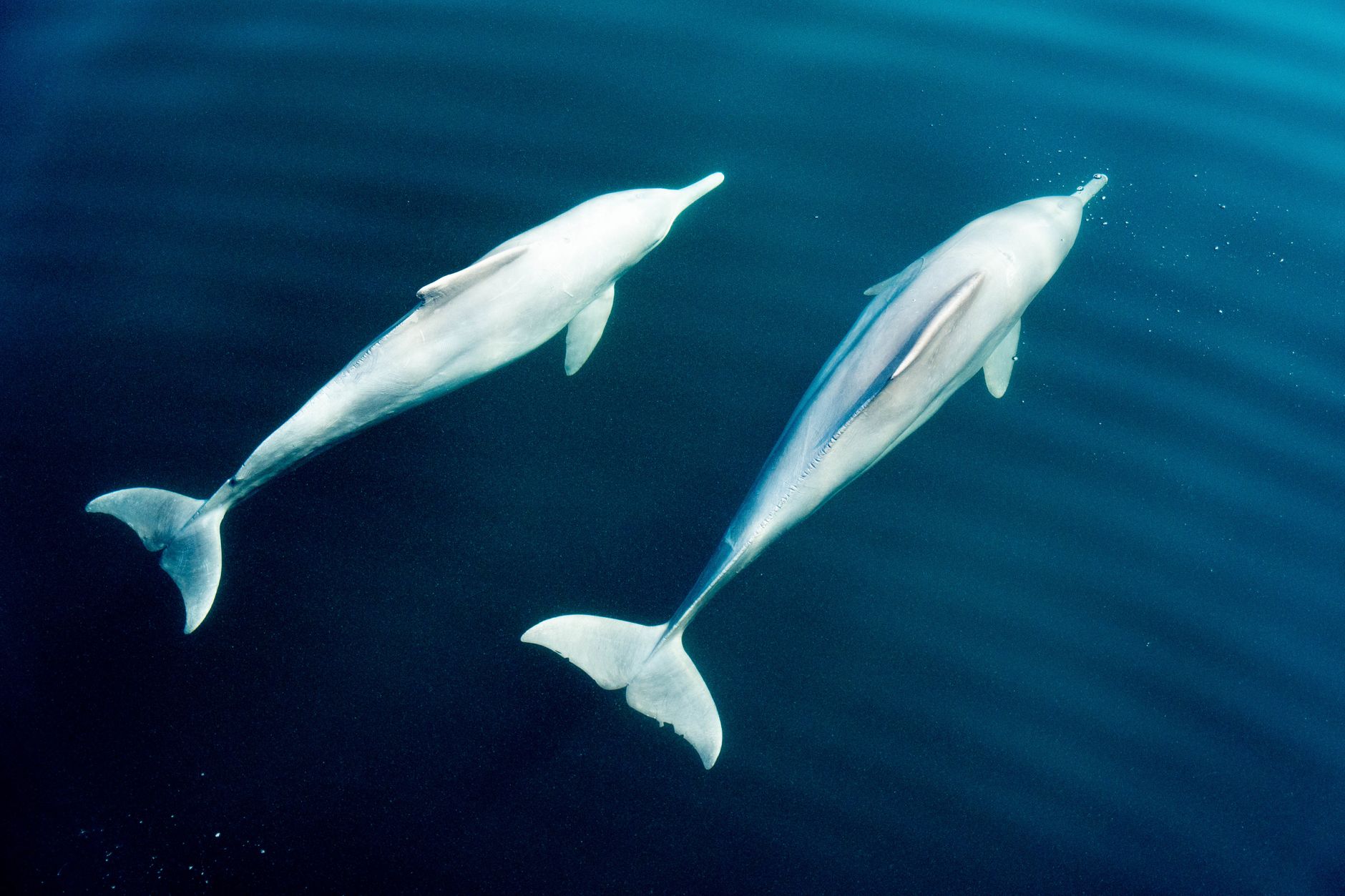
Understanding the captivating world of pink dolphins requires exploring their different species, habitats, and the various names they carry across cultures. These remarkable creatures, often shrouded in myth and folklore, face numerous challenges that highlight the importance of conservation efforts. This comprehensive guide aims to unravel the mysteries surrounding pink dolphins, providing insights into their unique characteristics and the diverse nomenclature used to describe them.
The Amazon River Dolphin: Boto, Bufeo, and More
The most well-known pink dolphin is undoubtedly the Amazon River dolphin (Inia geoffrensis), an iconic inhabitant of the Amazon and Orinoco river basins. What are pink dolphins called in these regions? The answer is multifaceted, reflecting the rich cultural tapestry of the area.
- Boto: This is perhaps the most common and widely recognized name for the Amazon River dolphin. It’s used throughout Brazil, Peru, Ecuador, and Colombia.
- Bufeo: Another prevalent term, particularly in Spanish-speaking regions of South America.
- Tonina: Less common than boto or bufeo, but still used in some areas to refer to the Amazon River dolphin.
Beyond these primary names, local communities often have their own unique terms and folklore associated with these dolphins, adding to the mystique surrounding them.

What colours are fish most attracted to?
Can you put your finger in a trout's mouth?
Is methylene blue anti bacterial?
Does aquarium salt raise pH in aquarium?
Other Pink Dolphin Species: Indo-Pacific Humpback Dolphins

While the Amazon River dolphin is the quintessential pink dolphin, it’s important to note that other dolphin species can exhibit pink coloration, although usually not as vividly. The Indo-Pacific humpback dolphin (Sousa chinensis), for example, can sometimes display a pinkish hue, especially in certain populations.
This coloration is due to the blood vessels being closer to the skin surface, making them visible and resulting in a pink appearance. These dolphins are not typically referred to as “pink dolphins” but might be described as having a pinkish tint based on individual appearance and location. Their primary name remains Indo-Pacific humpback dolphin.
The Color of Adaptation: Why Pink?
The distinct pink color of the Amazon River dolphin isn’t just for show; it’s an adaptation to their unique environment. Several factors contribute to their pink coloration:
- Blood Vessel Proximity: The skin of Amazon River dolphins is thin and translucent, allowing the blood vessels beneath to be more visible, resulting in a pinkish appearance.
- Scar Tissue: As they age, Amazon River dolphins accumulate scars from territorial disputes and encounters with predators. These scars lack pigmentation, contributing to their pink coloration.
- Habitat Influence: The murky waters of the Amazon River may also play a role, as pink coloration could offer some camouflage in this environment.
Conservation Concerns and the Future of Pink Dolphins
Despite their unique adaptations and cultural significance, pink dolphins face numerous threats:
- Habitat Loss: Deforestation and dam construction are destroying their habitat.
- Pollution: Mercury contamination from gold mining poses a significant risk.
- Entanglement: Accidental capture in fishing gear is a major concern.
- Hunting: Although illegal, pink dolphins are sometimes hunted for their meat or used as bait.
Conservation efforts are crucial to ensuring the survival of these iconic creatures. What are pink dolphins called upon for? Global support for their protection.
Frequently Asked Questions (FAQs)
What is the scientific name of the Amazon River dolphin?
The scientific name of the Amazon River dolphin is Inia geoffrensis. This classification helps scientists worldwide identify and study this unique species. It’s important for accurate research and conservation efforts.
Are all Amazon River dolphins pink?
Not all Amazon River dolphins are intensely pink. Calves are typically gray, and their pink coloration develops as they mature and accumulate scars. The intensity of the pink hue can vary considerably.
Do other dolphin species besides the Amazon River dolphin ever appear pink?
Yes, some Indo-Pacific humpback dolphins can appear pinkish due to blood vessel proximity to the skin. The exact cause for the pinker appearance remains unconfirmed. However, they are not typically referred to as “pink dolphins”.
Where do Amazon River dolphins live?
Amazon River dolphins inhabit the freshwater rivers and tributaries of the Amazon and Orinoco river basins in South America. They are found in Brazil, Peru, Ecuador, Colombia, Venezuela, Bolivia, and Guyana.
What do Amazon River dolphins eat?
Amazon River dolphins have a diverse diet consisting of various fish species, crustaceans, and other aquatic animals. They are opportunistic feeders and adapt their diet to the available resources in their environment.
Are Amazon River dolphins endangered?
The Amazon River dolphin is currently listed as Endangered by the International Union for Conservation of Nature (IUCN). Habitat loss, pollution, and hunting are major threats to their survival.
How intelligent are Amazon River dolphins?
Amazon River dolphins are highly intelligent animals, exhibiting complex social behaviors and problem-solving abilities. Their large brain size relative to their body size suggests a high level of cognitive function.
What are some of the threats to Amazon River dolphins?
Major threats include deforestation, dam construction, mercury pollution from gold mining, entanglement in fishing gear, and hunting. These threats are pushing the species towards endangerment.
Can I swim with Amazon River dolphins?
While it may seem appealing, swimming with Amazon River dolphins is generally discouraged due to ethical and conservation concerns. Disturbing their natural habitat can stress the animals and disrupt their behaviors. Moreover, some wild dolphins can be unpredictable.
What are some conservation efforts aimed at protecting Amazon River dolphins?
Conservation efforts include protecting their habitat, reducing pollution, enforcing fishing regulations, and promoting sustainable tourism. These efforts are crucial to ensuring the long-term survival of the species.
Are there any cultural beliefs or folklore associated with Amazon River dolphins?
Yes, Amazon River dolphins hold a significant place in local folklore. They are often associated with shapeshifting spirits and are sometimes believed to be able to transform into humans. These beliefs vary depending on the region and community.
What is the lifespan of an Amazon River dolphin?
The lifespan of Amazon River dolphins in the wild is estimated to be around 30 years, although this can vary depending on environmental factors and individual health. More research is needed to fully understand their longevity.