
What Are Eagles Scared Of? Unveiling the Fears of Apex Predators
Eagles, the majestic symbols of freedom and power, are not invincible. Although apex predators, certain threats and circumstances can induce fear in these magnificent birds, primarily focusing on threats to their young, habitat, or direct danger. That is, while bold, eagles are most vulnerable when protecting their nests or facing larger, more aggressive predators, as well as novel and potentially harmful situations.
Understanding the Eagle’s Predatory Status
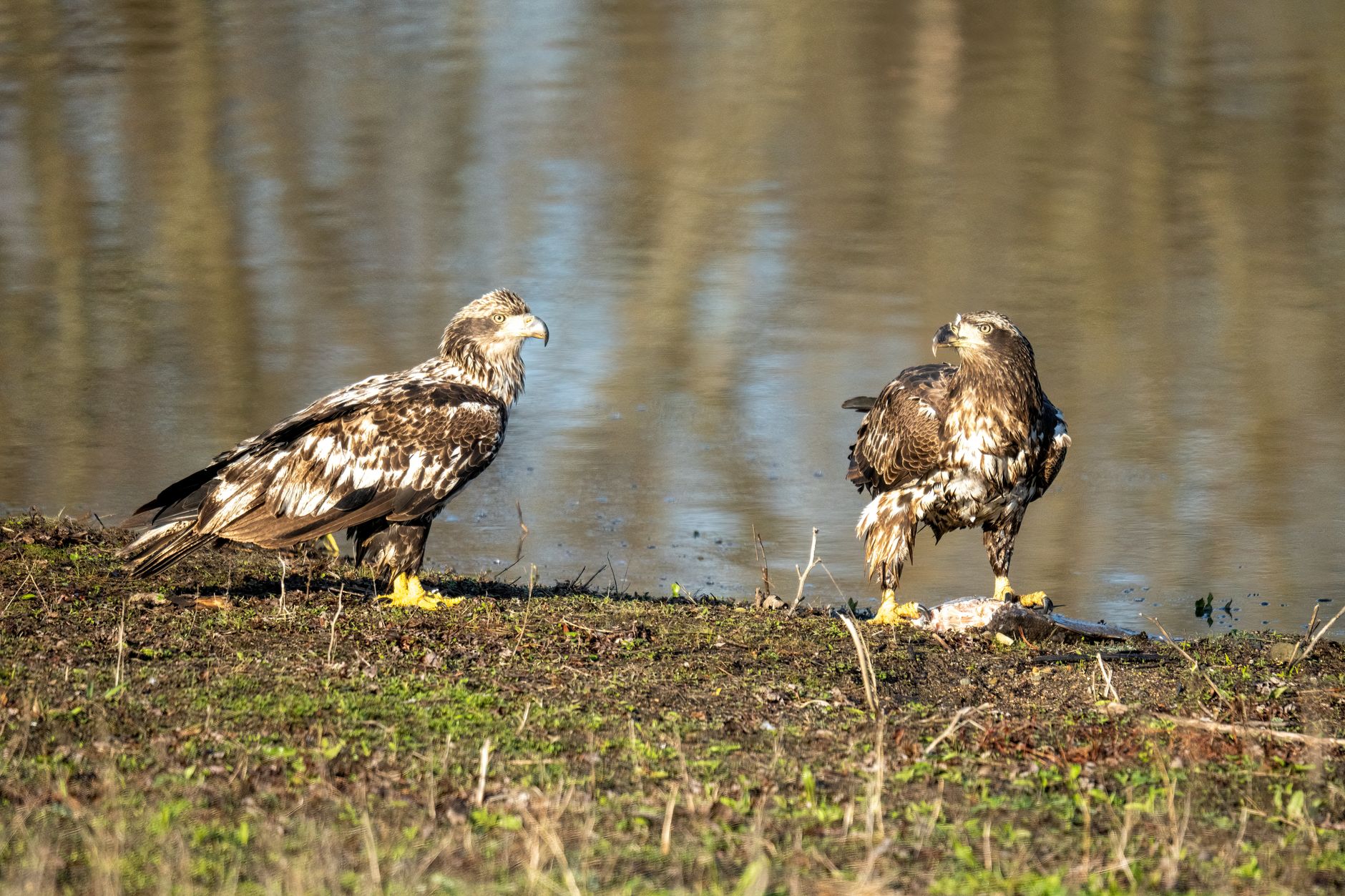
Eagles sit at the top of the food chain in their respective ecosystems. They are renowned for their powerful talons, keen eyesight, and impressive wingspans, all of which contribute to their hunting prowess. But even apex predators aren’t entirely fearless. Understanding their vulnerabilities requires looking beyond their predatory capabilities.
- Apex Predator Role: Eagles exert significant control over prey populations.
- Physical Attributes: Their physical characteristics are perfectly adapted for hunting.
- Territorial Nature: Eagles fiercely defend their territories and nesting sites.

What colours are fish most attracted to?
Can you put your finger in a trout's mouth?
Is methylene blue anti bacterial?
Does aquarium salt raise pH in aquarium?
Threats to Eagle Nesting Sites
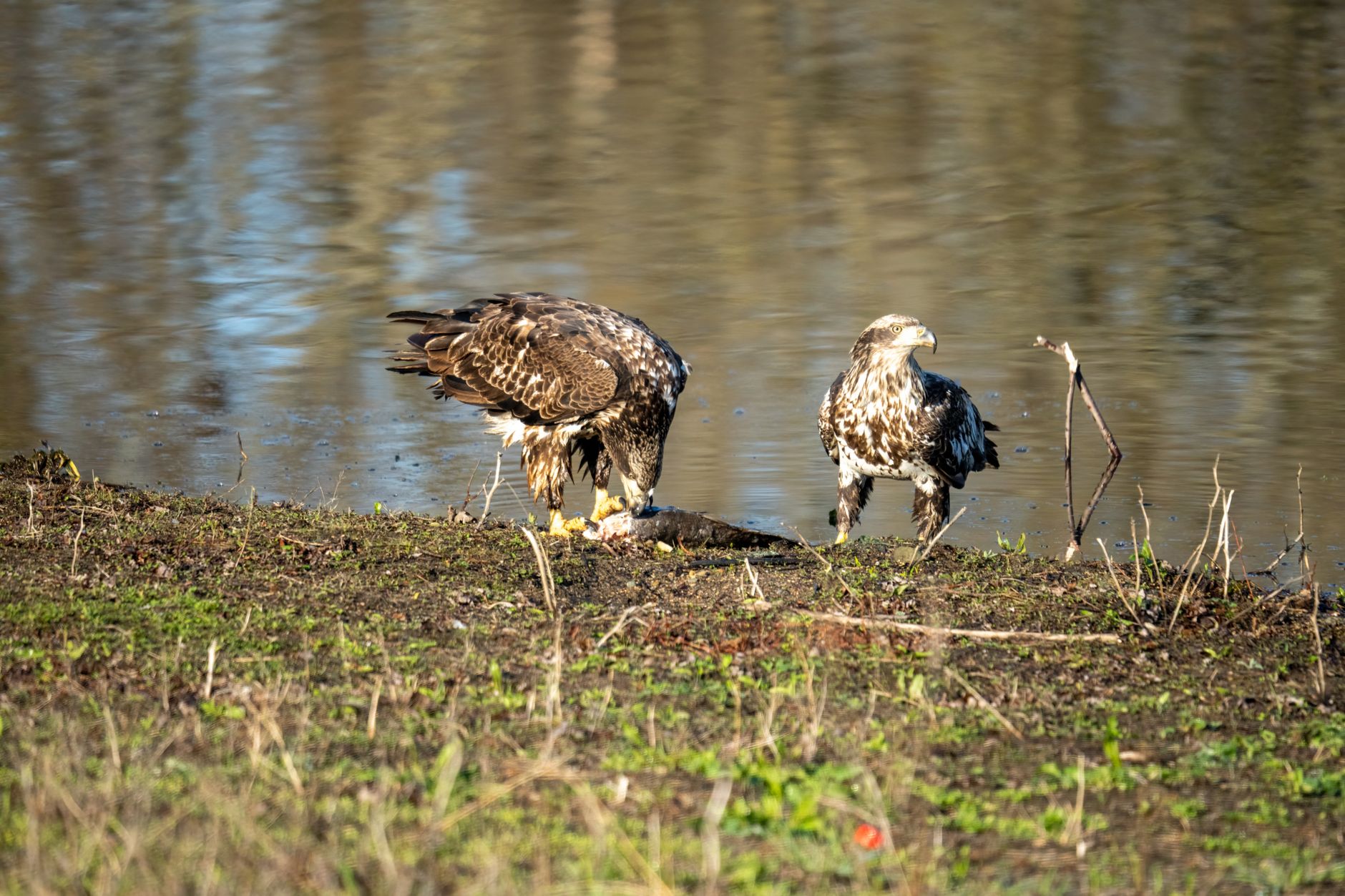
Eagles invest considerable time and energy in building and defending their nests. This makes nesting sites particularly vulnerable and a primary source of eagle fear.
- Human Interference: Logging, construction, and recreational activities near nesting sites can cause distress and abandonment of nests.
- Predators of Eggs and Young: Raccoons, crows, and even bears may prey on eagle eggs and chicks when the adults are away.
- Nest Site Degradation: Loss of suitable trees or disruption of the surrounding habitat reduces available nesting locations, causing competition and stress.
Direct Threats to Eagle Survival
While eagles are formidable hunters, they are not immune to direct threats that can induce fear or endanger their lives.
- Larger Predators: While rare, eagles can be preyed upon by other apex predators, such as great horned owls (especially smaller eagles or eaglets), or even other eagles competing for territory.
- Human-Caused Injuries: Collisions with vehicles, power lines, and windmills are significant causes of eagle mortality.
- Poisoning and Contamination: Ingesting poisoned prey or exposure to environmental contaminants can weaken or kill eagles.
Environmental and Novel Stimuli
Unfamiliar situations and environmental changes can also trigger fear responses in eagles.
- Sudden Noises and Disruptions: Loud noises, like construction or fireworks, can startle eagles and cause them to abandon nests or hunting grounds.
- Changes in Habitat: Loss of hunting grounds due to development or changes in prey availability can create stress and anxiety.
- Unfamiliar Objects and Animals: Eagles may exhibit caution or fear when encountering unfamiliar objects or animals in their territory.
Conservation Efforts and Mitigation Strategies
Protecting eagles from their fears requires a multi-faceted approach involving conservation efforts and mitigation strategies.
- Habitat Protection: Preserving and restoring eagle nesting and hunting habitats is crucial.
- Mitigating Human Interference: Implementing buffer zones around nesting sites and reducing human activity during breeding season can minimize disturbance.
- Addressing Contamination: Reducing the use of pesticides and cleaning up contaminated areas can improve eagle health and survival.
Frequently Asked Questions About Eagle Fears
What is the biggest threat to eagles?
The greatest threat to eagles is arguably human activity, including habitat destruction, collisions with vehicles and power lines, and exposure to toxins. While they are apex predators, these human-related factors have a significant impact on their survival and population numbers.
Are eagles afraid of heights?
No, eagles are not afraid of heights. In fact, they are exceptionally well-adapted to soaring and hunting from great altitudes. Their keen eyesight and powerful wings allow them to thrive in aerial environments.
Can an eagle kill a human?
There are no credible records of an eagle killing a human. While eagles have powerful talons, they typically prey on animals much smaller than humans. Attacks on humans are extremely rare and usually occur when eagles feel threatened or are defending their young.
What animals can kill an eagle?
While eagles are apex predators, they can be vulnerable to other large predators, especially when young or injured. Great horned owls can prey on eaglets, and other eagles may engage in territorial battles that result in death. Even mammals such as bears, wolverines, and coyotes may opportunistically prey on grounded eagles.
Do eagles ever fight each other?
Yes, eagles frequently fight each other, especially over territory and nesting sites. These fights can be fierce and sometimes fatal, as eagles use their talons and beaks as weapons.
How do eagles protect themselves from predators?
Eagles protect themselves from predators primarily through their size, strength, and aerial agility. They maintain vigilance and use their sharp talons and beaks to defend themselves and their young. Their ability to fly swiftly also helps them evade potential threats.
Are eagles scared of storms?
Eagles are not necessarily scared of storms, but they may seek shelter during severe weather. They often find protected perches or nests to ride out storms, minimizing their exposure to wind, rain, and lightning.
Do eagles have any natural enemies?
Eagles have few natural enemies as adults, primarily due to their position at the top of the food chain. However, as eggs and chicks, they are vulnerable to predators such as raccoons, crows, snakes, and other birds of prey.
Do eagles feel pain?
Yes, eagles, like all vertebrates, feel pain. They have a nervous system that transmits pain signals to the brain, allowing them to perceive and respond to injury or discomfort.
How can I help protect eagles?
You can help protect eagles by supporting conservation organizations, avoiding disturbance to nesting sites, reducing your use of pesticides and other toxins, and advocating for policies that protect eagle habitat.
What do eagles do when they are scared?
When eagles are scared, they may exhibit a range of behaviors, including vocalizations, flapping their wings, flying away, or adopting a defensive posture. The specific response depends on the nature of the threat and the eagle’s individual temperament.
What are eagles most likely to abandon their nest from?
Eagles are most likely to abandon their nest due to human disturbance, particularly loud noises, construction, and close proximity to human activities. This disturbance can stress the eagles and cause them to abandon their eggs or chicks.
What are eagles scared of? is a topic highlighting their vulnerability despite their strength.