

What are Big 5 Animals?
The Big Five animals are a group of African wildlife originally prized by big game hunters for being the most dangerous and difficult to hunt on foot; today, they represent some of Africa’s most iconic and popular safari animals, driving tourism and conservation efforts.

A Legacy of Hunting, Transformed by Conservation
The term “Big Five” originated not from the animals’ size, but rather from the challenge and prestige associated with hunting them. Hunters considered these animals the most difficult and dangerous to hunt on foot. Over time, with the rise of ethical tourism and conservation awareness, the term shifted from being a symbol of hunting prowess to a symbol of Africa’s wildlife heritage and conservation priorities. Now, seeing the Big Five is a significant goal for many safari tourists.

What colours are fish most attracted to?
Can you put your finger in a trout's mouth?
Is methylene blue anti bacterial?
Does aquarium salt raise pH in aquarium?
The Animals Themselves: A Closer Look
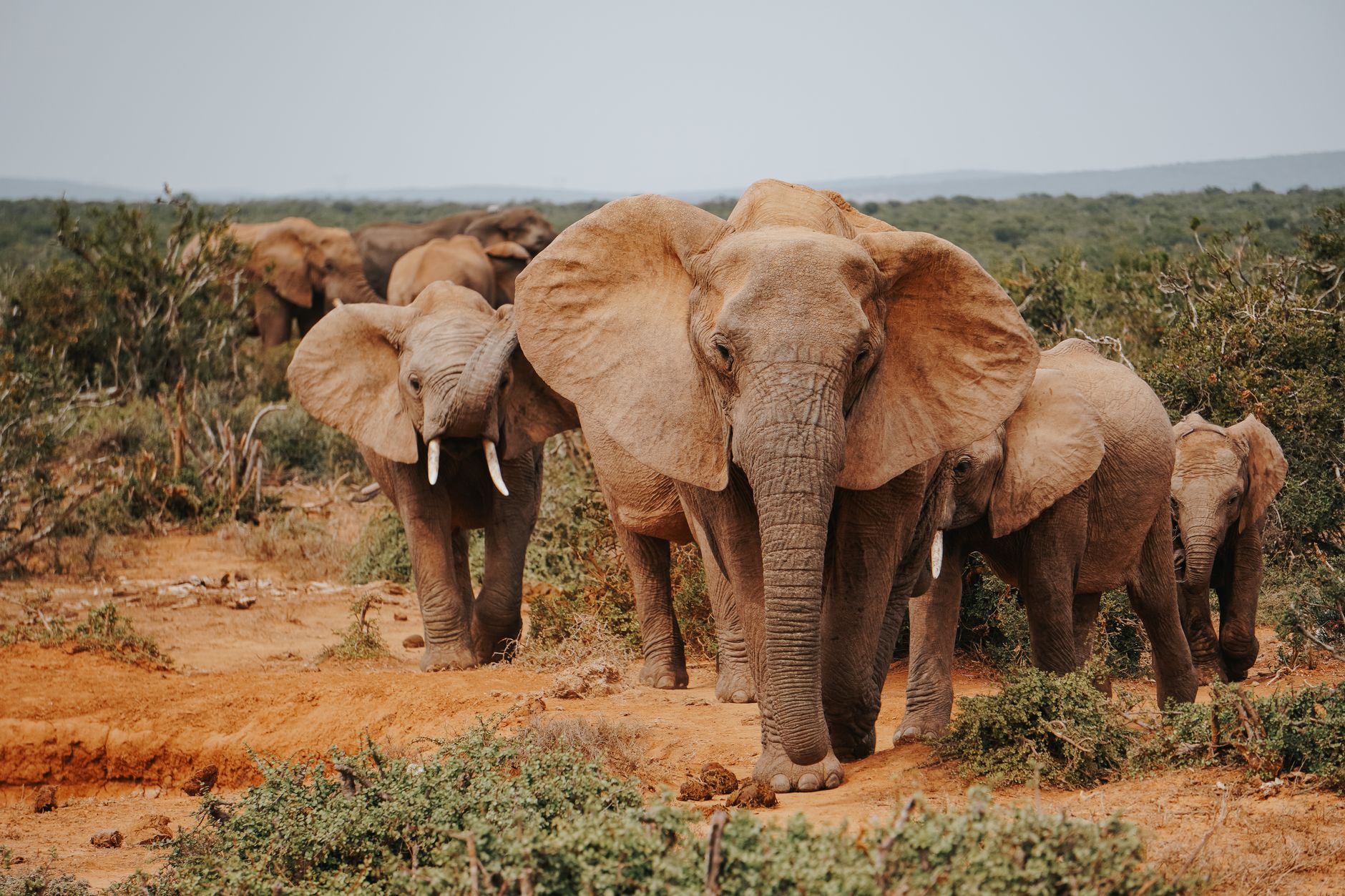
What are Big 5 animals? Specifically, they comprise:
-
African Lion (Panthera leo): The apex predator of the African savanna, lions are social cats that live in prides. Their roar is one of Africa’s most recognizable sounds.
-
African Elephant (Loxodonta africana): The largest land animal, elephants are known for their intelligence, complex social structures, and vital role in maintaining ecosystem health.
-
African Leopard (Panthera pardus): A solitary and elusive predator, the leopard is known for its camouflage and ability to climb trees, often dragging its prey up with it.
-
African Buffalo (Syncerus caffer): A large and powerful bovine, buffalo are known for their unpredictable temperament and tendency to form large herds.
-
Black Rhinoceros (Diceros bicornis): Critically endangered, black rhinos are distinguished from white rhinos by their pointed lip, which they use for browsing on shrubs.
Beyond the Big Five: The Little Five and More
While the Big Five are the most well-known, other “lists” exist that aim to highlight the smaller, equally fascinating creatures of Africa. The “Little Five,” for example, comprises:
- Elephant Shrew
- Rhinoceros Beetle
- Leopard Tortoise
- Ant Lion
- Buffalo Weaver
These smaller animals are just as important to the ecosystem and offer a different perspective on the continent’s biodiversity. Furthermore, some conservationists promote the concept of “African Wild Dog” as being a candidate for a future ‘Big Six’, due to its increasingly endangered status and ecological importance.
The Economic and Conservation Impact
The Big Five animals play a critical role in driving tourism to African countries. Safari tourism provides significant revenue for local communities and supports conservation efforts. National parks and reserves rely heavily on tourism income to fund anti-poaching patrols, habitat management, and community development programs. Protecting these animals is not just an ecological imperative; it’s also an economic one. Revenue generated goes into local economies and conservation of habitat and biodiversity.
Threats to the Big Five
Despite their iconic status, the Big Five animals face numerous threats, including:
- Habitat Loss: As human populations grow, natural habitats are converted for agriculture, settlements, and infrastructure development.
- Poaching: Illegal hunting for ivory, rhino horn, and bushmeat continues to threaten populations, especially rhinos and elephants.
- Human-Wildlife Conflict: As animals encroach on human settlements in search of food and water, conflicts arise, often resulting in the killing of animals.
- Climate Change: Altered rainfall patterns, increased temperatures, and more frequent droughts impact habitat and water availability, affecting animal populations.
Conservation Efforts: A Multifaceted Approach
Protecting the Big Five requires a comprehensive and coordinated approach:
- Anti-Poaching Patrols: Dedicated teams patrol protected areas to deter and apprehend poachers.
- Community-Based Conservation: Involving local communities in conservation efforts by providing them with economic incentives and empowering them to protect wildlife.
- Habitat Preservation: Establishing and managing protected areas to safeguard critical habitats.
- Translocation and Reintroduction: Moving animals to new areas to establish or augment populations.
- Research and Monitoring: Studying animal populations and their behavior to inform conservation strategies.
- Combating the Illegal Wildlife Trade: Stopping the trade in ivory, rhino horn, and other wildlife products through international cooperation and law enforcement.
The Future of the Big Five
The future of the Big Five depends on continued conservation efforts, sustainable tourism practices, and the active participation of local communities. By working together, we can ensure that these iconic animals continue to roam the African savanna for generations to come. It’s important to emphasize that the Big Five are indicators of a larger, more fragile ecosystem, and their health is essential to maintaining balance in these vital landscapes.
Frequently Asked Questions (FAQs)
What is the origin of the term “Big Five”?
The term “Big Five” originated with early big game hunters, who used it to describe the five most difficult and dangerous African animals to hunt on foot. It had nothing to do with the size of the animals, but rather the challenge they presented.
Are all Big Five animals endangered?
Not all, but some are. The black rhinoceros is critically endangered, while the African elephant is listed as vulnerable. Lions and leopards are also facing threats from habitat loss and poaching. The African buffalo is the least threatened of the group.
Where is the best place to see the Big Five in Africa?
Several countries offer excellent opportunities to see the Big Five, including South Africa (Kruger National Park), Tanzania (Serengeti National Park and Ngorongoro Crater), Kenya (Masai Mara National Reserve), and Botswana (Okavango Delta). Each location offers a unique experience and ecosystem to enjoy.
What is the difference between a black rhino and a white rhino?
Despite their names, both black and white rhinos are grey. The main difference lies in their lip shape. Black rhinos have a pointed, prehensile lip that they use for browsing, while white rhinos have a square, broad lip for grazing.
How can I contribute to Big Five conservation efforts?
You can support Big Five conservation by donating to reputable conservation organizations, choosing eco-friendly tourism operators, and raising awareness about the threats facing these animals. Educating yourself is also very important.
Do the Big Five include any marine animals?
No, the Big Five animals are all terrestrial mammals found in Africa. There is no “Big Five” for marine animals in the same way, although some organizations may create lists of iconic marine species.
What are the “Little Five”?
The “Little Five” are a group of smaller animals whose names are plays on the Big Five, including the Elephant Shrew, Rhinoceros Beetle, Leopard Tortoise, Ant Lion, and Buffalo Weaver.
Is hunting of the Big Five still legal in some areas?
Hunting is still legal in certain areas and under specific regulations, often framed as “conservation hunting” where a small number of animals are hunted to generate funds for conservation efforts. However, this practice is highly controversial.
How does tourism impact the Big Five?
Tourism can have both positive and negative impacts. Sustainable tourism provides revenue for conservation efforts and local communities, but poorly managed tourism can lead to habitat disturbance and stress on animals.
What is the role of local communities in Big Five conservation?
Local communities are critical to the success of conservation efforts. When communities benefit economically from wildlife, they are more likely to support conservation and protect animals from poaching and habitat destruction.
What are the long-term effects of poaching on Big Five populations?
Poaching can have devastating long-term effects, including reduced population sizes, altered social structures, and genetic bottlenecks that make populations more vulnerable to disease and environmental change.
What is the impact of climate change on the Big Five?
Climate change impacts Big Five animals through habitat changes, water scarcity, and increased frequency of extreme weather events. This can lead to reduced food availability, increased competition for resources, and greater vulnerability to disease and mortality.