

What Are 5 Remarkable Adaptations of a Bat?
Bats, the only mammals capable of true flight, possess a suite of extraordinary adaptations. Here’s a look at five key features: flight, echolocation, specialized diet, nocturnal activity, and torpor – all crucial to their survival and ecological success.
Introduction: The Marvels of Bat Adaptation
Bats, comprising over 1,400 species, represent a remarkably diverse and ecologically vital group of mammals. Their success hinges on a series of fascinating adaptations, biological modifications that allow them to thrive in various environments and exploit unique resources. Understanding these adaptations provides insight into the evolutionary pressures that have shaped these nocturnal creatures and their crucial role in global ecosystems. What are 5 adaptations of a bat? is a question that unlocks a world of biological wonder.

What colours are fish most attracted to?
Can you put your finger in a trout's mouth?
Is methylene blue anti bacterial?
Does aquarium salt raise pH in aquarium?
Flight: Master of the Night Sky

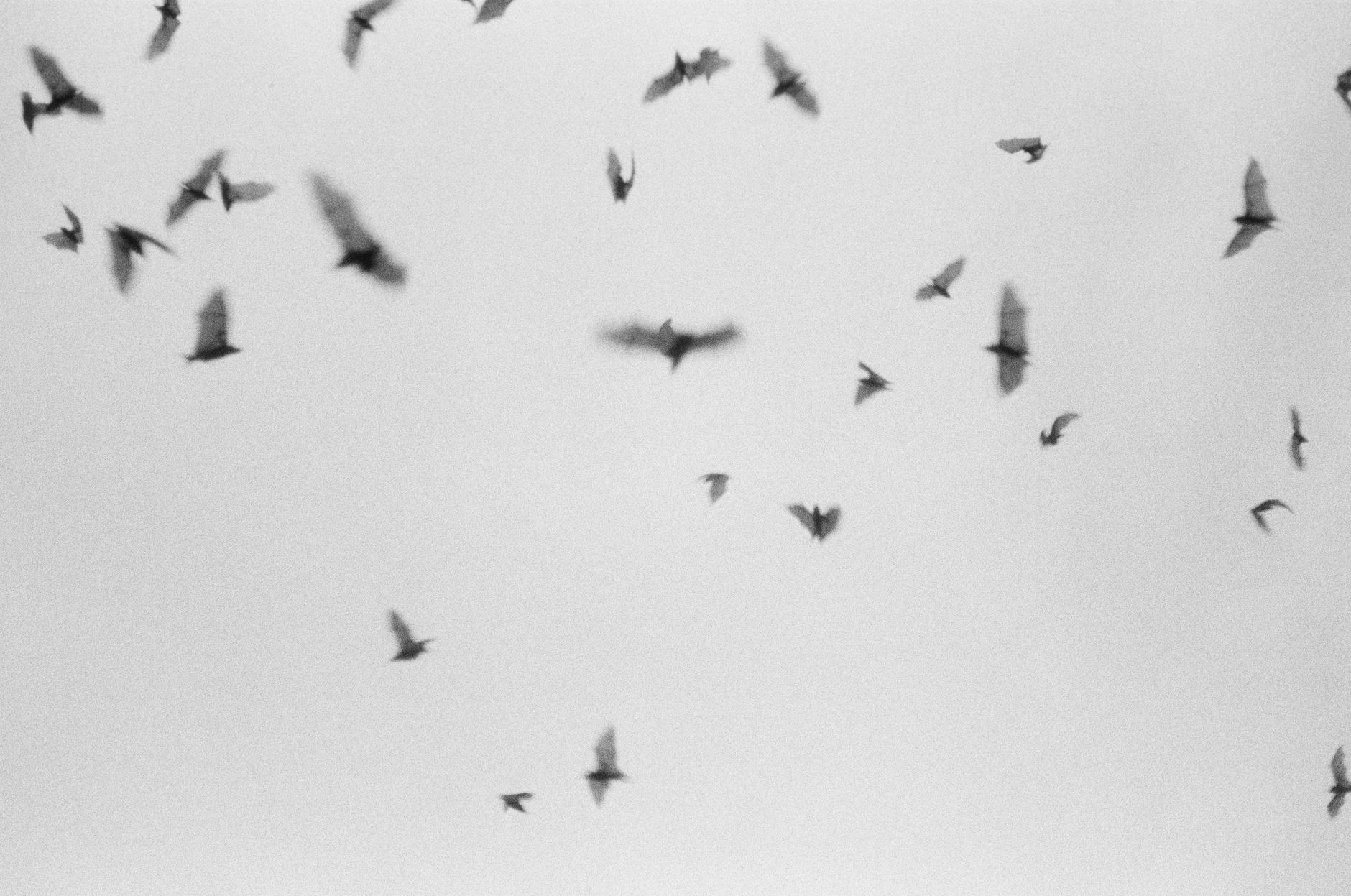
Perhaps the most defining adaptation of bats is their ability to fly. Unlike gliding mammals, bats possess true powered flight, achieved through:
- Elongated Fingers: The bones of their hands are dramatically elongated and spread, forming the framework for their wings.
- Patagium: A thin membrane of skin, the patagium, stretches between the fingers, body, and legs, creating the airfoil. This allows for incredible maneuverability in flight.
- Specialized Muscles: Powerful chest muscles provide the necessary force for sustained flapping flight.
The structure of the bat wing allows for highly controlled and agile flight, far surpassing the capabilities of birds in many respects. This allows them to hunt insects in mid-air and navigate complex environments.
Echolocation: Seeing with Sound
Many bat species, particularly those that feed on insects, rely on echolocation to navigate and hunt in the dark. This remarkable adaptation involves:
- Emitting High-Frequency Sounds: Bats emit calls, often ultrasonic, that are inaudible to humans.
- Analyzing Echoes: They analyze the echoes that bounce back from objects in their environment, discerning the location, size, shape, and texture of potential prey or obstacles.
- Specialized Ears: Bats have highly sensitive ears adapted to detect these faint echoes, enabling them to create a “sound map” of their surroundings.
Echolocation allows bats to “see” in complete darkness, giving them a significant advantage in the nocturnal world. Without it, they couldn’t effectively hunt flying insects.
Specialized Diet: Niche Partitioning
Bats exhibit a wide range of dietary specializations, allowing them to exploit diverse food sources and minimize competition. Some key dietary adaptations include:
- Insectivory: Many bats are insectivores, consuming vast quantities of insects, including mosquitoes, moths, and beetles. They often have sharp teeth and agile flight for capturing these prey.
- Frugivory: Fruit-eating bats play a crucial role in seed dispersal. They often have specialized teeth and digestive systems for processing fruits.
- Nectarivory: Nectar-feeding bats pollinate flowers, often having long tongues and specialized mouthparts for reaching nectar.
- Carnivory: A few bat species are carnivorous, preying on small animals like rodents, birds, and lizards.
- Sanguivory: Vampire bats feed on blood, possessing sharp incisors and anticoagulants in their saliva.
These dietary adaptations allow bats to fill diverse ecological niches and contribute significantly to ecosystem health.
Nocturnal Activity: Avoiding Competition and Predation
Bats are primarily nocturnal, meaning they are most active at night. This behavior offers several advantages:
- Reduced Competition: By being active at night, bats avoid competition with many diurnal animals for food and resources.
- Predator Avoidance: Many of their predators are diurnal, so nocturnal activity reduces the risk of being preyed upon.
- Temperature Regulation: Cooler nighttime temperatures can be beneficial for bats, particularly those living in hot climates, as it reduces the risk of overheating.
Nocturnality is a key adaptation that allows bats to thrive in environments where diurnal animals are dominant.
Torpor: Conserving Energy
Many bat species, especially those living in temperate regions, enter periods of torpor to conserve energy during periods of cold weather or food scarcity. Torpor is a state of decreased physiological activity, characterized by:
- Reduced Body Temperature: Bats can significantly lower their body temperature, sometimes close to the ambient temperature.
- Slowed Heart Rate: Their heart rate slows dramatically, reducing energy expenditure.
- Decreased Breathing Rate: Breathing becomes infrequent and shallow.
Torpor allows bats to survive periods when food is scarce and temperatures are low. This adaptation is critical for their survival in challenging environments.
Frequently Asked Questions (FAQs)
What are 5 adaptations of a bat?
Five key adaptations of bats are flight, echolocation, specialized diet, nocturnal activity, and torpor. These features collectively enable them to thrive in diverse ecological niches.
Why is flight so important for bats?
Flight allows bats to access a wide range of food sources, including flying insects, fruits, and nectar, and to travel long distances to find suitable roosting sites and breeding grounds. Flight is fundamental to their ecological success.
Do all bats use echolocation?
No, not all bats use echolocation. While most insectivorous bats rely heavily on echolocation for hunting, fruit-eating and nectar-feeding bats often rely more on sight and smell to locate food. Some bats possess a highly developed sense of vision.
What is the purpose of the patagium?
The patagium is the wing membrane that allows bats to fly. It is a thin, flexible membrane that stretches between the bat’s elongated fingers, body, and legs, providing a large surface area for generating lift and enabling agile flight.
How do bats find their way around in complete darkness?
Bats that use echolocation emit high-frequency sound waves and then listen for the echoes that bounce back from objects in their environment. By analyzing these echoes, they can create a mental map of their surroundings.
What do vampire bats eat?
Vampire bats are sanguivorous, meaning they feed exclusively on blood. They typically feed on the blood of livestock, such as cattle and horses, but may also feed on birds and other animals.
What is the ecological role of fruit-eating bats?
Fruit-eating bats play a crucial role in seed dispersal. As they consume fruits, they swallow the seeds and then excrete them in different locations, helping to regenerate forests and maintain biodiversity.
How do bats help control insect populations?
Insectivorous bats consume vast quantities of insects, including many that are harmful to crops and transmit diseases. By controlling insect populations, bats provide a valuable ecosystem service.
Why do bats hang upside down?
Hanging upside down allows bats to take flight quickly and easily. When threatened, they can simply release their grip and drop into flight. Additionally, their legs are adapted for gripping, not for walking, making upside-down roosting more efficient.
What is the difference between torpor and hibernation?
Torpor is a short-term state of reduced physiological activity, while hibernation is a longer-term state. Bats may enter torpor for a few hours or a few days, while they may hibernate for several months during the winter.
Where do bats typically roost?
Bats roost in a variety of locations, including caves, trees, buildings, and bridges. They prefer roosting sites that are dark, sheltered, and provide a stable temperature and humidity.
Are bats dangerous to humans?
While some bats may carry diseases, such as rabies, the risk of transmission to humans is low. Most bats are not aggressive and will only bite if they feel threatened. It’s important to avoid handling bats and to seek medical attention if you are bitten.
What are 5 adaptations of a bat? This article answers that question by showing that flight, echolocation, specialized diet, nocturnal activity, and torpor are all crucial for their survival.