
What Aquarium Fish Can Crossbreed?
While crossbreeding in aquariums is relatively rare due to species separation, several genera and species of freshwater fish are known to interbreed, creating hybrids. This mostly occurs within closely related groups, often resulting in offspring with unpredictable characteristics.

Introduction: The Murky Waters of Fish Hybridization
The aquarium hobby is built on appreciating the diversity of the aquatic world. However, sometimes nature, or perhaps more accurately, human intervention, leads to unexpected results: hybridization. What aquarium fish can crossbreed? This question isn’t just a matter of academic curiosity; it has implications for responsible fishkeeping, conservation, and the future of certain species. Understanding which fish are prone to interbreeding, the consequences of such unions, and how to prevent unwanted hybridization is crucial for any serious aquarist.

Are fish heads good for the garden?
Can fish hear water?
What is cotton rot in fish?
What colours are fish most attracted to?
Understanding Hybridization in Fish
Hybridization, in simple terms, is the breeding of two distinct species, genera, or even families. In the wild, this is usually prevented by geographical barriers, specific mating rituals, or genetic incompatibility. However, within the confines of an aquarium, these natural barriers are often removed, increasing the likelihood of crossbreeding, particularly amongst related species.
Factors Influencing Crossbreeding in Aquariums
Several factors contribute to the likelihood of hybridization in captive environments:
- Closely Related Species: Fish belonging to the same genus (e.g., Pseudotropheus) or family are more likely to be genetically compatible for interbreeding.
- Lack of Mate Choice: In aquariums, fish may not have the opportunity to choose a mate from their own species, leading them to pair with a closely related species.
- Environmental Conditions: Stressful or suboptimal aquarium conditions can disrupt natural breeding behaviors and increase the chance of crossbreeding.
- Human Intervention: Intentionally crossbreeding fish for specific traits, while controversial, has contributed to the spread of hybrids in the aquarium trade.
Examples of Common Aquarium Fish Crossbreeds
What aquarium fish can crossbreed? Some of the most commonly observed and reported instances of crossbreeding in aquariums involve the following groups:
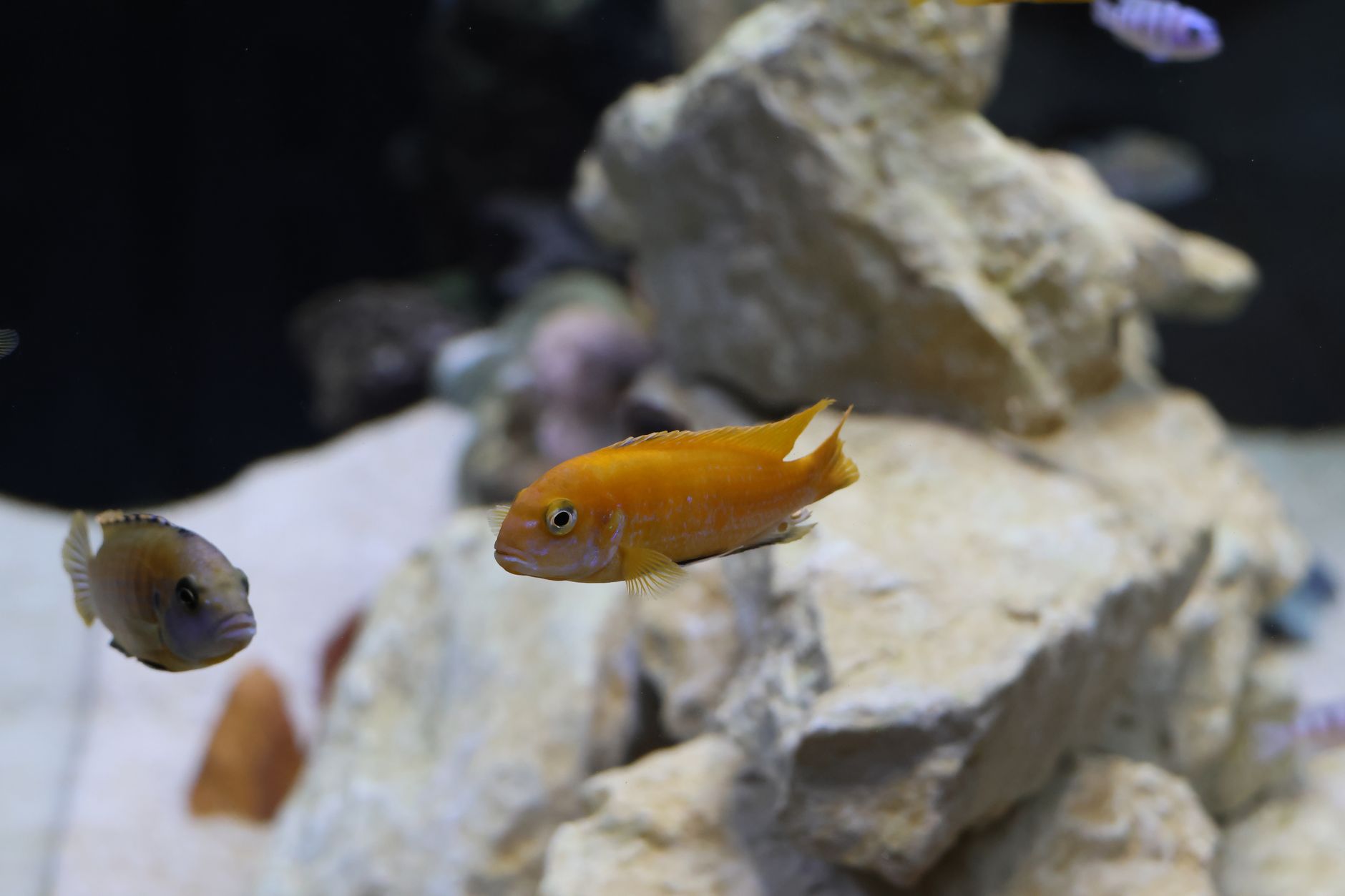
- Cichlids: African cichlids, especially those from Lake Malawi and Lake Victoria, are notorious for hybridization. Certain Pseudotropheus, Melanochromis, and Labidochromis species readily interbreed.
- Livebearers: Guppies (Poecilia reticulata) can sometimes crossbreed with endlers (Poecilia wingei) and mollies (Poecilia sp.).
- Corydoras Catfish: While less frequent, there are documented cases of Corydoras species hybridizing.
- Angelfish: Some Pterophyllum species (e.g., P. scalare, P. altum) are known to occasionally interbreed.
Potential Consequences of Hybridization
Hybridization can have a range of consequences, some positive, but many detrimental:
- Loss of Genetic Purity: Hybridization can dilute the genetic diversity of pure species, making them more vulnerable to disease and environmental changes.
- Unpredictable Offspring: Hybrids may exhibit unpredictable traits, including altered coloration, behavior, and susceptibility to diseases.
- Fertility Issues: Hybrid offspring may be sterile or have reduced fertility, impacting future generations.
- Introduction of Invasive Species: If hybrids are released into the wild, they can outcompete native species and disrupt ecosystems.
Preventing Hybridization in Aquariums
The best way to prevent hybridization is through responsible fishkeeping practices:
- Keep Species Separate: Avoid housing closely related species together, especially those known to hybridize.
- Research Species Compatibility: Before introducing new fish to your aquarium, research their compatibility and potential for crossbreeding.
- Source Fish from Reputable Breeders: Purchase fish from reputable breeders who prioritize maintaining pure bloodlines.
- Properly Identify Fish: Ensure you can accurately identify the species of your fish to avoid accidental crossbreeding.
- Consider Single-Species Tanks: If you are particularly concerned about hybridization, consider keeping single-species aquariums.
Impact on Conservation Efforts
Hybridization poses a serious threat to the conservation of many fish species, particularly those that are already endangered. The introduction of hybrid genes into wild populations can lead to the extinction of pure species. Therefore, preventing the release of aquarium fish, especially hybrids, into the wild is crucial for protecting biodiversity.
FAQ: Frequently Asked Questions
What are the main risks of aquarium fish crossbreeding?
The primary risks include the loss of genetic purity in the parent species, unpredictable characteristics in the hybrid offspring, potential fertility issues, and the risk of introducing invasive species or hybrids into natural environments if released.
Can guppies and mollies crossbreed in my tank?
While guppies (Poecilia reticulata) and mollies (Poecilia sp.) belong to the same family (Poeciliidae), the chances of successful crossbreeding are relatively low, though not impossible. It’s best to keep them separate to ensure pure bloodlines.
Are hybrid fish always sterile?
Not all hybrid fish are sterile. Fertility depends on the genetic compatibility of the parent species. Some hybrids may be fertile, while others may have reduced fertility or be completely sterile.
How can I tell if my fish are hybrids?
Identifying hybrids can be challenging. They often exhibit intermediate characteristics between the parent species. Look for unusual coloration, body shape, or behavioral traits. Comparing them to known purebred examples can help.
What should I do if I suspect my fish have crossbred?
If you suspect your fish have crossbred, it’s best to separate the offspring from the parent species. Avoid selling or giving away the hybrids to prevent them from spreading to other aquariums or, worse, being released into the wild.
Is it ethical to intentionally crossbreed aquarium fish?
Intentional crossbreeding is a controversial topic. While some aquarists may be interested in creating novel colors or patterns, it can have negative consequences for the genetic integrity of pure species. Ethical considerations should always be prioritized.
Why are cichlids so prone to crossbreeding?
African cichlids, especially those from the Great Lakes, exhibit high levels of species diversity and relatively recent evolutionary divergence. This, combined with similar mating behaviors and the absence of natural barriers in aquariums, makes them particularly susceptible to hybridization.
Can angelfish from different ‘varieties’ crossbreed?
Different color varieties of Pterophyllum scalare (e.g., marble, veil tail) are the same species and will readily interbreed. This is not considered hybridization but selective breeding within the same species.
Does water temperature affect the likelihood of crossbreeding?
While water temperature doesn’t directly cause crossbreeding, suboptimal temperatures can stress fish and disrupt their normal breeding behavior, potentially increasing the chance of interspecies mating.
What role does the aquarium trade play in fish hybridization?
The aquarium trade can contribute to hybridization by unintentionally distributing hybrids and by selectively breeding fish for specific traits, which can sometimes involve crossbreeding. Responsible sourcing of fish is essential.
What is the long-term impact of hybridization on aquarium fish populations?
The long-term impact of hybridization is the gradual erosion of genetic diversity and the potential loss of pure species. This can make aquarium fish populations more vulnerable to disease and environmental changes. It impacts what aquarium fish can crossbreed and the future of those species.
How can I contribute to preserving pure aquarium fish species?
You can contribute by supporting reputable breeders, keeping species separate in your aquarium, properly identifying your fish, and never releasing aquarium fish into the wild. Educating others about the risks of hybridization is also crucial. Understanding what aquarium fish can crossbreed empowers you to protect fish populations.