
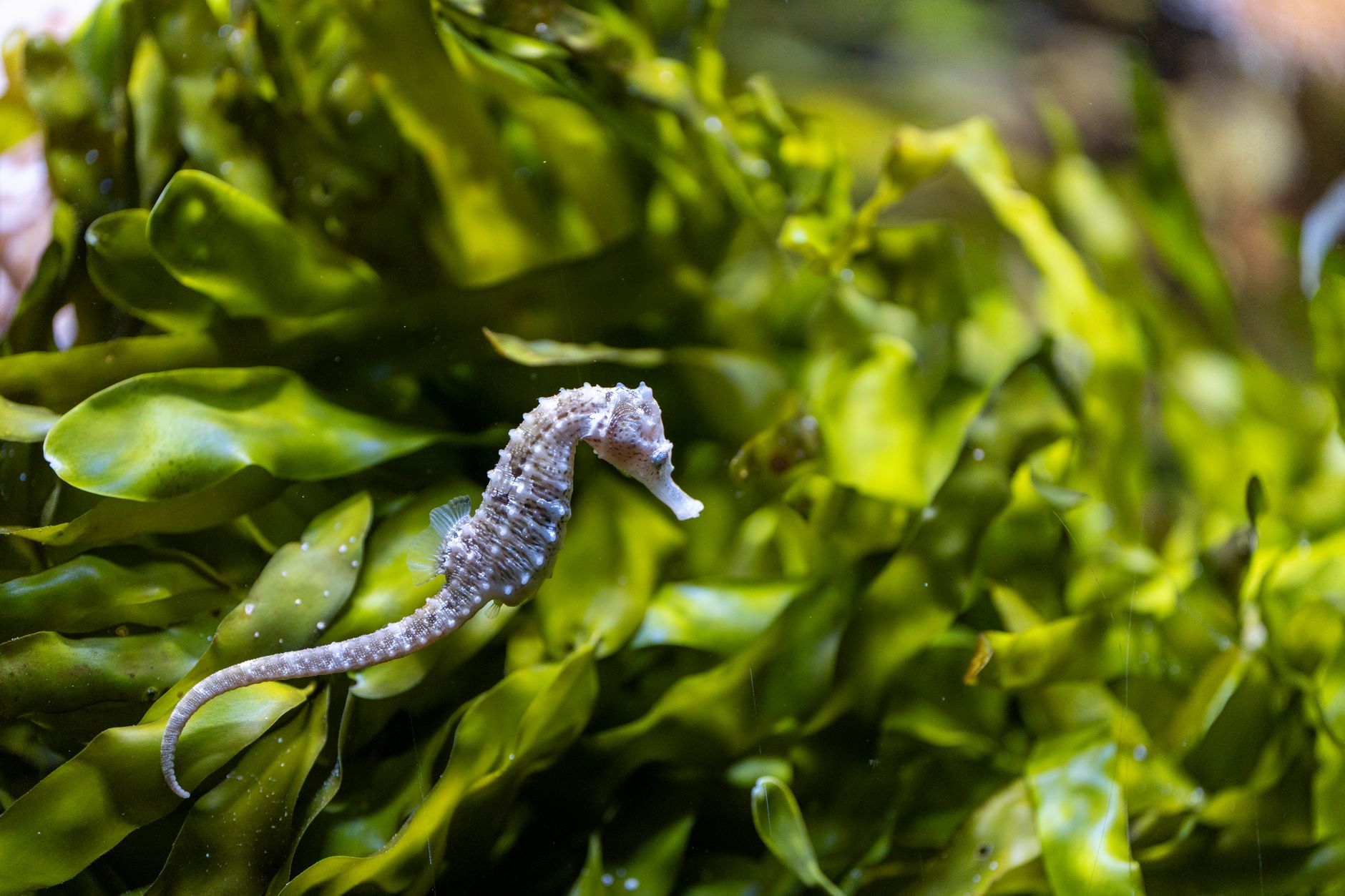
What Animals Eat Seahorses?
Many marine predators consume seahorses, including bony fish, crustaceans, sea snakes, turtles, seabirds, and even larger members of their own species, though the extent of predation depends heavily on habitat and seahorse species.

The Vulnerable Seahorse: An Introduction
Seahorses, those enigmatic and captivating creatures of the sea, often evoke images of delicate beauty and peaceful existence. However, life in the marine environment is a constant struggle for survival, and seahorses, despite their unique armor, are not exempt from the dangers of predation. What animals eat seahorses? is a question that highlights the ecological vulnerability of these fascinating fish. Understanding their predators is crucial for effective conservation efforts and a deeper appreciation of their place within the intricate web of marine life. This article explores the various threats seahorses face in the wild, shedding light on the challenges they must overcome to survive.
What is the GREY African clawed frog?
Is distilled water good for goldfish?
What colours are fish most attracted to?
Can you put your finger in a trout's mouth?
Seahorse Defenses: A Delicate Balance
While seahorses are undeniably vulnerable, they possess several adaptations that offer some degree of protection against predators. These defenses are not foolproof, but they contribute to their survival:
-
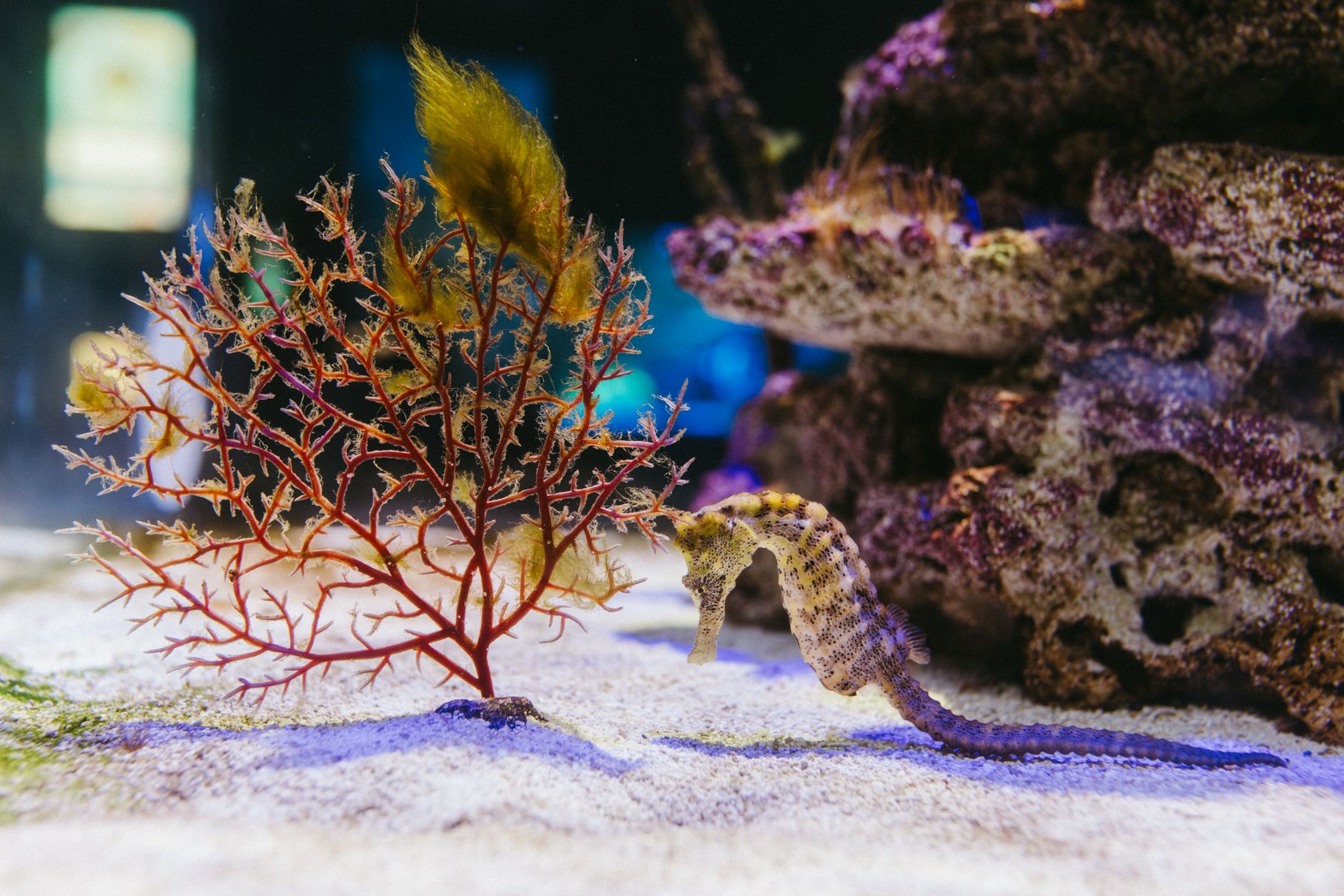
Camouflage: Their ability to blend seamlessly with their surroundings is a primary defense. They can change color to match coral, seaweed, or even artificial structures, making them difficult to spot.
-
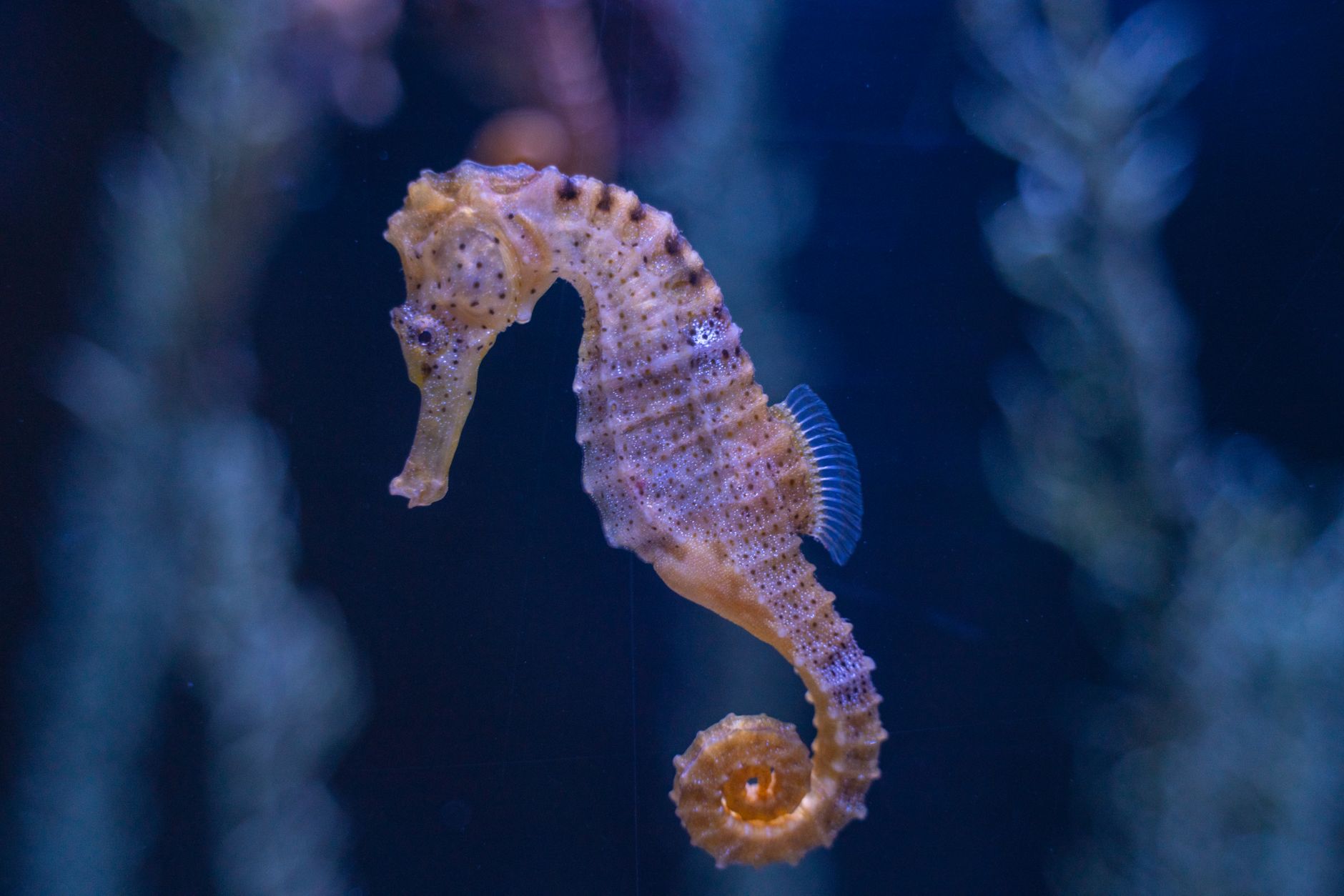
Bony Plates: Unlike most fish, seahorses have bony plates covering their bodies, providing a form of armor. These plates make them less palatable and harder to digest.
-
Elusive Behavior: Seahorses are slow swimmers, but they can be surprisingly agile when evading danger. They often hide among dense vegetation or grasp onto objects with their prehensile tails to avoid being swept away or detected.
-
Poor Nutritional Value: Some predators avoid seahorses simply because they are not very nutritious. Their bony structure and relatively small size offer limited caloric reward.
Primary Predators of Seahorses
Despite their defenses, seahorses face a diverse range of predators. These predators vary depending on geographic location and the specific seahorse species in question. Here are some of the most significant:
-
Bony Fish: Many species of fish, particularly larger predatory fish such as tuna, snappers, and triggerfish, will prey on seahorses if the opportunity arises. They can easily overcome the seahorse’s bony armor and swallow them whole.
-
Crustaceans: Crabs and other crustaceans are opportunistic feeders and may target smaller seahorses or juveniles. They can use their powerful claws to crush the seahorse’s bony plates.
-
Sea Snakes: These venomous reptiles are known to consume fish, and seahorses are occasionally on their menu. Their hunting strategy involves ambushing prey, making them a threat even to well-camouflaged seahorses.
-
Turtles: Sea turtles, particularly juvenile turtles, are known to consume seahorses, especially in areas where seahorse populations are dense.
-
Seabirds: Certain seabirds, particularly those that dive underwater to hunt, may prey on seahorses in shallow waters.
-
Larger Seahorses (Cannibalism): In some cases, larger seahorses will prey on smaller individuals, particularly juveniles, especially when food is scarce. This cannibalistic behavior is a harsh reality of life in the marine environment.
Habitat and Predation Risk
The habitat in which a seahorse lives significantly influences its vulnerability to predation. Seahorses residing in degraded or fragmented habitats face a higher risk because they have fewer places to hide and are more easily spotted by predators.
-
Healthy Seagrass Beds: Dense seagrass beds provide ample cover and refuge for seahorses, reducing their exposure to predators.
-
Coral Reefs: Coral reefs offer a complex and diverse environment where seahorses can find shelter among the corals and other invertebrates.
-
Mangrove Forests: Mangrove forests serve as important nursery grounds for many marine species, including seahorses. The intricate root systems provide protection from predators and strong currents.
The Impact of Human Activities
Human activities also contribute to the vulnerability of seahorses to predation. Habitat destruction, pollution, and overfishing can disrupt the delicate balance of the marine ecosystem, making seahorses more susceptible to predators.
-
Habitat Destruction: The destruction of seagrass beds, coral reefs, and mangrove forests removes critical habitat for seahorses, leaving them exposed to predators.
-
Pollution: Pollution can weaken seahorses, making them more susceptible to disease and predation.
-
Overfishing: Overfishing can reduce the populations of seahorse predators, but it can also disrupt the food web and have unforeseen consequences for seahorse populations. The removal of larger predatory fish can lead to an increase in the populations of smaller predators that also prey on seahorses.
Conservation Efforts and the Future of Seahorses
Protecting seahorses from predation requires a multifaceted approach that addresses both direct and indirect threats. Conservation efforts should focus on:
-
Habitat Restoration: Restoring and protecting seagrass beds, coral reefs, and mangrove forests is essential for providing seahorses with safe and healthy habitats.
-
Sustainable Fishing Practices: Implementing sustainable fishing practices can help maintain healthy predator-prey relationships and prevent overfishing.
-
Pollution Reduction: Reducing pollution can improve the overall health of the marine ecosystem and make seahorses less susceptible to disease and predation.
-
Public Awareness: Raising public awareness about the plight of seahorses can encourage responsible behavior and support for conservation efforts.
What animals eat seahorses? Understanding this simple question is the first step toward protecting these amazing creatures.
Frequently Asked Questions (FAQs)
What is the biggest threat to seahorse populations?
The biggest threat to seahorse populations is not necessarily direct predation, but habitat loss and degradation. Human activities like coastal development, destructive fishing practices, and pollution significantly reduce the availability of suitable habitats for seahorses, making them more vulnerable to all threats, including predators.
Are seahorses protected by any laws?
Yes, many seahorse species are protected. All seahorse species are listed on Appendix II of the Convention on International Trade in Endangered Species of Wild Fauna and Flora (CITES), which regulates international trade to ensure it is sustainable. Some countries also have their own national laws protecting seahorses.
Do seahorses have any natural defenses besides camouflage and bony plates?
Besides camouflage and bony plates, seahorses use their prehensile tails to grip onto seagrass or coral, making it difficult for predators to pull them away. Their slow swimming speed also means they are often overlooked by fast-moving predators focusing on easier targets.
Can seahorses regenerate lost body parts?
While seahorses cannot regenerate entire limbs, they can repair minor injuries to their skin and bony plates. The extent of this regeneration is limited.
Are all species of seahorses equally vulnerable to predation?
No, different seahorse species have varying degrees of vulnerability. Smaller species are generally more susceptible to predation than larger species. Species that inhabit areas with fewer natural hiding places are also at higher risk.
How does climate change affect seahorse predation rates?
Climate change indirectly affects predation rates by altering seahorse habitats. Rising sea temperatures, ocean acidification, and increased storm frequency can damage coral reefs and seagrass beds, leaving seahorses with fewer places to hide and making them more vulnerable to predators.
What role do seahorses play in the marine ecosystem?
Seahorses are both predators and prey in the marine ecosystem. They feed on small crustaceans and other invertebrates, helping to control their populations. They also serve as a food source for larger predators.
Are there any specific regions where seahorse predation is particularly high?
Predation rates tend to be higher in areas with degraded habitats and lower in protected marine reserves where seahorse populations are healthier and have access to ample shelter.
Do seahorses reproduce quickly enough to offset predation losses?
Seahorses have a relatively low reproductive rate compared to some other fish species. While males carry the eggs in a pouch and can produce multiple broods per year, the number of offspring per brood is often limited, making them vulnerable to population declines when predation rates are high.
Can humans do anything to help protect seahorses from predators?
Yes, humans can play a crucial role in protecting seahorses from predators by supporting sustainable fishing practices, reducing pollution, and protecting and restoring seahorse habitats. Avoiding the purchase of seahorses for aquariums or traditional medicine also helps.
Is it common for seahorses to be kept as pets?
While some people keep seahorses as pets, it is not recommended. Seahorses are difficult to care for and require specialized tanks and feeding regimes. Wild-caught seahorses often struggle to adapt to captivity and may die prematurely. Sourcing seahorses from sustainable captive breeding programs is a more responsible choice, if one chooses to keep them.
What research is being done to better understand seahorse predation?
Researchers are using a variety of methods to study seahorse predation, including tagging seahorses to track their movements, analyzing the stomach contents of potential predators, and conducting field observations to document predation events. This research helps to identify the main threats to seahorses and inform conservation strategies.