
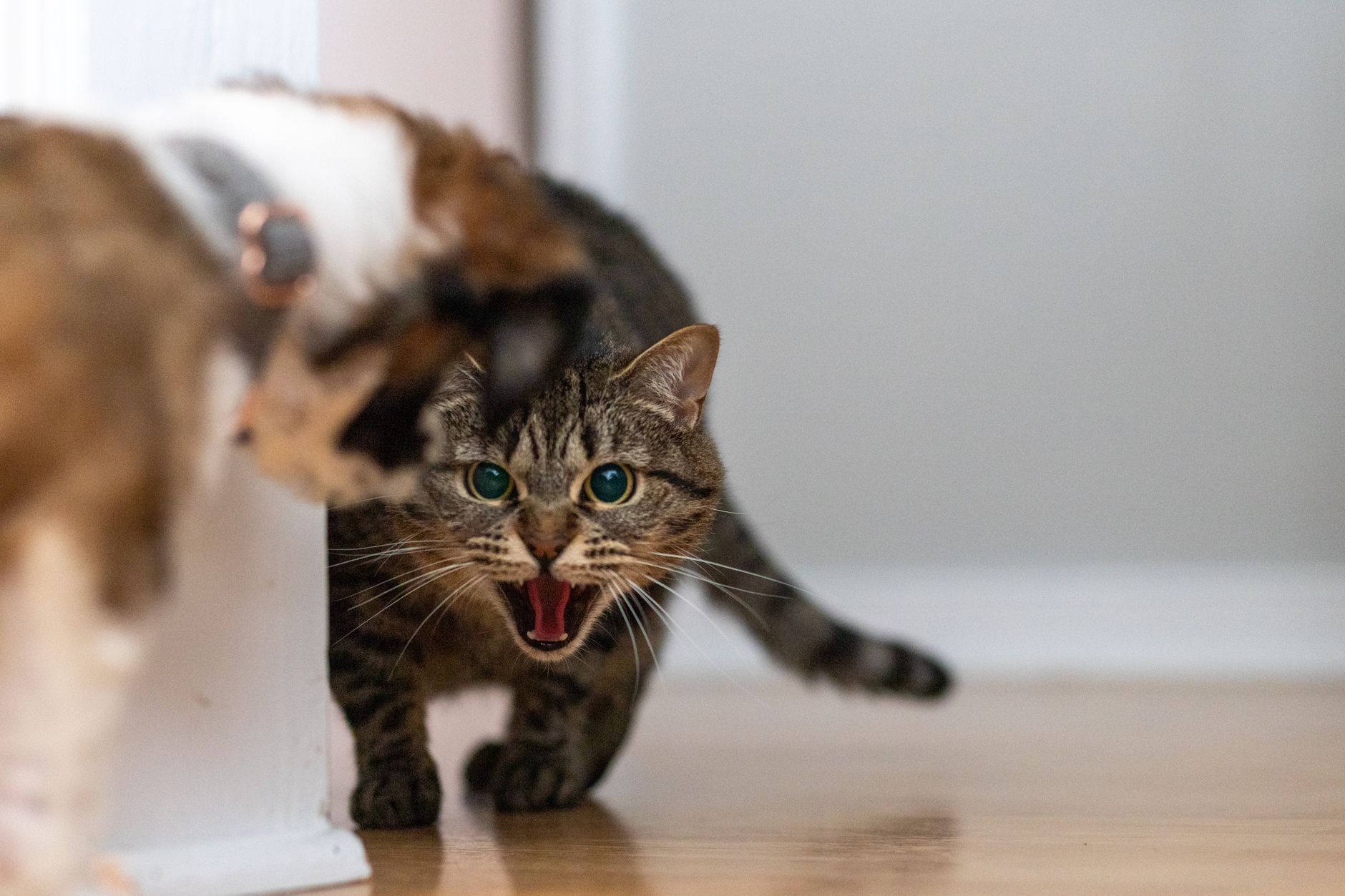
Should I Rehome My Aggressive Cat?: A Comprehensive Guide
Deciding whether to rehome an aggressive cat is a deeply personal and complex decision; it’s not always the first and only answer. In some cases, rehoming is the kindest option, but often behavioral modification and environmental changes can significantly improve aggression issues. Should I rehome my aggressive cat? The definitive answer lies in a thorough assessment of the cat’s aggression triggers, your ability to manage and modify the behavior, and the cat’s overall quality of life.

Understanding Feline Aggression
Feline aggression isn’t simply a sign of a “bad” cat. It’s a symptom of underlying stress, fear, medical issues, or learned behaviors. Understanding the root cause is crucial before making any decisions about rehoming. A cat who is suddenly aggressive needs veterinary attention to rule out medical problems.
-
Types of Aggression: It is important to identify which type of aggression the cat is showing.
- Fear Aggression: Defensive behavior triggered by perceived threats.
- Play Aggression: Misdirected predatory behavior, often seen in kittens and young cats.
- Territorial Aggression: Defending territory from other cats or perceived threats.
- Pain-Induced Aggression: Reacting to pain or discomfort.
- Redirected Aggression: Aggression directed towards a bystander when the cat is aroused by something else.
- Status Aggression: Challenging for social dominance.
-
Triggers: Identifying the triggers for the aggressive behavior is equally important. Is it other cats, strangers, specific sounds, being touched in certain areas, or something else? Keeping a journal to document these events can be extremely helpful.
-
Underlying Medical Conditions: Hyperthyroidism, arthritis, dental disease, and neurological problems can all contribute to or exacerbate aggression. Always consult with a veterinarian to rule out medical causes.
Benefits of Trying to Resolve Aggression

Before considering rehoming, explore all avenues for resolving the aggression. There can be significant benefits to keeping your cat if the issues can be managed successfully.
-
Preserving Your Bond: Rehoming breaks the bond you share with your cat, which can be emotionally difficult for both of you.
-
Avoiding Stress for the Cat: Rehoming is a stressful experience for a cat, especially one with aggression issues. It can exacerbate the problem in a new environment.
-
Increased Chance of Adoption Failure: Aggressive cats are more difficult to rehome and are at a higher risk of ending up in shelters or being euthanized.
-
Potential for Behavioral Improvement: With patience, consistency, and professional guidance, many cases of feline aggression can be significantly improved, leading to a harmonious household.
Behavioral Modification Techniques
Numerous behavioral modification techniques can be used to address feline aggression. These often require patience, consistency, and professional guidance from a certified cat behaviorist.
-
Environmental Enrichment:
- Provide plenty of vertical space (cat trees, shelves).
- Offer a variety of toys for different play styles.
- Ensure adequate resources (food, water, litter boxes) are available.
- Create safe spaces where the cat can retreat and feel secure.
-
Counter-Conditioning and Desensitization:
- Gradually expose the cat to the trigger at a low intensity.
- Pair the trigger with something positive (treats, praise).
- Slowly increase the intensity of the trigger as the cat becomes more comfortable.
-
Medication: In some cases, medication prescribed by a veterinarian may be necessary to reduce anxiety or aggression. This should always be used in conjunction with behavioral modification.
-
Positive Reinforcement: Reward desired behaviors with treats, praise, or toys. Avoid punishment, which can worsen aggression.
When Rehoming Might Be the Best Option
Despite your best efforts, rehoming might be the most humane choice in certain circumstances.
-
Severe Aggression Unresponsive to Treatment: If the aggression is severe, persistent, and poses a significant risk to yourself, your family, or other pets, rehoming might be necessary for everyone’s safety.
-
Inability to Provide a Safe Environment: If you are unable to provide the resources, time, or environmental modifications needed to manage the cat’s aggression, rehoming to a more suitable environment might be the best option.
-
Significant Stress for the Cat: If the cat’s aggression is causing them significant stress and anxiety, and attempts to alleviate it have been unsuccessful, rehoming to a calmer environment might improve their quality of life.
-
Expert Recommendations: If a veterinarian or certified cat behaviorist advises that rehoming is the most appropriate course of action, carefully consider their professional opinion.
Finding the Right New Home
If you decide to rehome your cat, it’s crucial to find a responsible and experienced owner who is prepared to handle their aggression.
-
Screen Potential Adopters: Thoroughly vet potential adopters to ensure they have the knowledge, experience, and resources to manage an aggressive cat. Ask detailed questions about their previous experience with cats, their living situation, and their plans for managing the cat’s behavior.
-
Be Honest About the Cat’s Behavior: Transparency is key. Be upfront about the cat’s aggression and provide potential adopters with a detailed history of the behavior, including triggers, frequency, and intensity.
-
Consider a Foster-to-Adopt Arrangement: This allows the potential adopter to get to know the cat in their home environment before making a permanent commitment.
-
Work with a Reputable Rescue Organization: A reputable rescue organization can help you find a suitable home and provide support and resources to the new owner.
Common Mistakes to Avoid
Several common mistakes can exacerbate feline aggression or make rehoming more difficult.
-
Punishment: Punishing a cat for aggression will only make them more fearful and anxious, which can worsen the behavior.
-
Inconsistency: Consistent management and training are essential for addressing aggression. Inconsistency can confuse the cat and undermine your efforts.
-
Ignoring the Underlying Cause: Failing to identify and address the underlying cause of the aggression will prevent you from effectively managing the behavior.
-
Rehoming Without Proper Disclosure: Hiding the cat’s aggression from potential adopters is unethical and can lead to serious problems down the line.
Summary Table: Factors to Consider
| Factor | Consider Rehoming If: | Consider Keeping If: |
|---|---|---|
| Severity of Aggression | Severe and poses a significant risk to people or other pets. | Mild to moderate and manageable with behavioral modification. |
| Underlying Cause | Cannot be identified or addressed. | Can be identified and addressed. |
| Ability to Manage | You are unable to provide the resources, time, or environmental modifications needed to manage the behavior. | You are willing and able to invest the time, effort, and resources needed to manage the behavior. |
| Cat’s Stress Levels | The aggression is causing the cat significant stress and anxiety, and attempts to alleviate it have been unsuccessful. | The cat appears relatively content despite the aggression, and behavioral modification is showing promise. |
| Expert Recommendations | A veterinarian or certified cat behaviorist advises that rehoming is the most appropriate course of action. | A veterinarian or certified cat behaviorist believes that the aggression can be managed with behavioral modification and/or medication. |
| Potential for a Better Life | The cat has a high chance of finding a calmer, more suitable home where their needs can be better met. | Rehoming would likely be stressful for the cat and there is a low chance of finding a significantly better home. |
The Ethical Considerations
The decision of should I rehome my aggressive cat also has ethical dimensions. We bring animals into our homes, and that entails a moral responsibility to care for them. Rehoming should never be taken lightly; it should be a thoughtful, deliberate decision made with the cat’s best interests at heart.

Frequently Asked Questions (FAQs)
How do I know if my cat is truly aggressive or just playing rough?
Play aggression typically involves behaviors like stalking, pouncing, and biting, but the bites are usually inhibited, and the cat is easily redirected. True aggression is characterized by more intense behaviors such as hissing, growling, swatting, and uninhibited biting that causes injury. The cat may also display signs of fear or anxiety, such as flattened ears, dilated pupils, and a tucked tail.
Can medication solve my cat’s aggression problem?
Medication can be helpful in reducing anxiety and aggression in some cats, but it’s rarely a standalone solution. It’s most effective when used in conjunction with behavioral modification techniques and environmental enrichment. Always consult with a veterinarian to determine if medication is appropriate for your cat.
What are the signs of fear aggression in cats?
Cats displaying fear aggression will often exhibit defensive behaviors when they feel threatened. Signs include hissing, growling, flattened ears, dilated pupils, a tucked tail, and a hunched posture. They may also try to escape or hide. Avoid approaching a cat displaying these signs, as they are likely to bite or scratch if cornered.
Is it ever okay to punish my cat for being aggressive?
No, never. Punishment is counterproductive and can worsen aggression. It can create fear and anxiety, which will likely lead to more aggression. Instead, focus on positive reinforcement and addressing the underlying cause of the aggression.
How can I prevent my cat from becoming aggressive?
Early socialization, environmental enrichment, and consistent positive reinforcement can help prevent aggression. Expose kittens to a variety of people, places, and experiences in a positive way. Provide plenty of toys, scratching posts, and vertical space. Address any behavioral issues early on with the help of a veterinarian or certified cat behaviorist.
What is redirected aggression, and how can I deal with it?
Redirected aggression occurs when a cat is aroused by something (e.g., seeing another cat outside the window) and then directs their aggression towards a nearby person or pet. To deal with it, identify the initial trigger and try to remove or block it. Avoid approaching the cat while they are in this state. Provide a safe space for the cat to retreat to and allow them to calm down.
How do I introduce a new cat to a cat with territorial aggression?
Introduce the cats slowly and gradually. Keep them separated initially and allow them to get used to each other’s scents. Gradually allow them to see each other for short periods, increasing the time and frequency as they become more comfortable. Provide plenty of resources for each cat (food, water, litter boxes, scratching posts) and ensure that the territorial cat has plenty of vertical space.
What should I do if my cat bites me?
If your cat bites you, wash the wound thoroughly with soap and water. Seek medical attention if the bite is deep, causes excessive bleeding, or shows signs of infection. Inform your doctor that the bite was from a cat, as they may recommend a tetanus booster or antibiotics.
How much does it cost to work with a cat behaviorist?
The cost of working with a cat behaviorist varies depending on their experience, location, and the complexity of the case. Initial consultations can range from $100 to $300 or more. Follow-up sessions may be less expensive. Check for certifications and credentials when choosing a cat behaviorist.
How long does it take to change a cat’s aggressive behavior?
The time it takes to change a cat’s aggressive behavior varies depending on the severity of the aggression, the underlying cause, and your consistency with behavioral modification techniques. It can take weeks, months, or even longer. Patience and consistency are key.
Where can I find a reputable cat rescue organization to help me rehome my cat?
Search online for cat rescue organizations in your area. Look for organizations that are well-established, have a good reputation, and are committed to finding suitable homes for cats. Check their website for information about their adoption process and their policies on handling aggressive cats. Your local vet may also be able to recommend a rescue organization.
If I do decide to rehome, what information should I give the new owner?
Provide as much information as possible about your cat’s aggression, including triggers, frequency, intensity, and any behavioral modification techniques you have tried. Also provide information about the cat’s medical history, diet, and personality. Be honest and transparent about the challenges involved in caring for an aggressive cat. This helps ensure they can make an informed decision and are prepared for the responsibility.