
What Animals Do Lions Avoid? Lions: Apex Predators with Limits
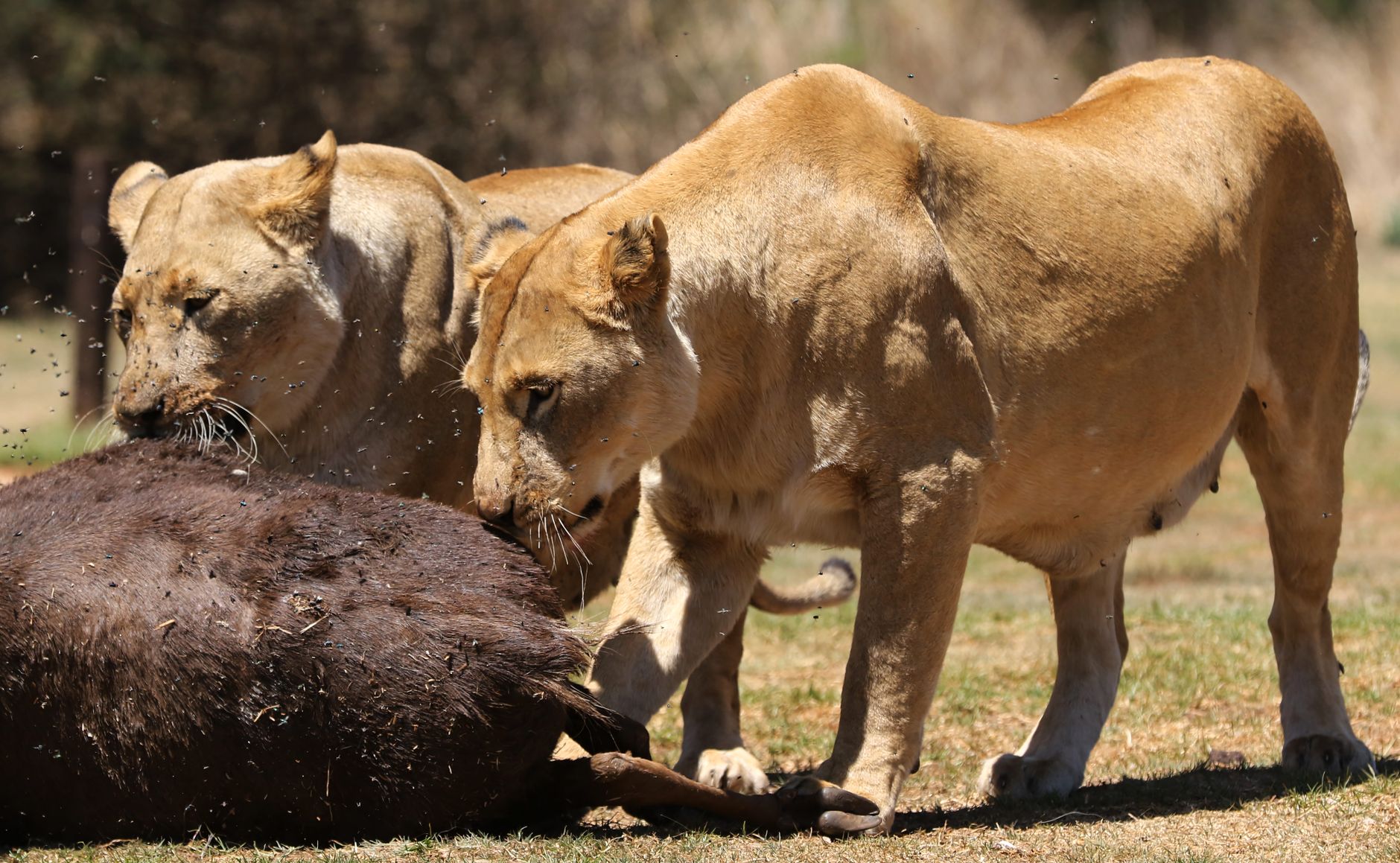
The African lion, Panthera leo, reigns supreme, but even these apex predators exercise caution. Lions primarily avoid animals that pose a significant threat due to their size, strength, defensive capabilities, or social behavior. They are more likely to hunt smaller, weaker, or solitary prey.

Lions: Kings of the Savannah and Their Prey
Lions are iconic symbols of power and dominance, renowned for their cooperative hunting strategies and imposing physical presence. Their diet mainly consists of large ungulates, such as zebras, wildebeest, and buffalo. However, what animals do lions avoid? Understanding the limits of their predatory prowess requires considering various factors, including the potential for injury, the energy expenditure required for a kill, and the risk of encountering organized defenses.

What colours are fish most attracted to?
Can you put your finger in a trout's mouth?
Is methylene blue anti bacterial?
Does aquarium salt raise pH in aquarium?
The Risks and Rewards of Hunting

For any predator, hunting is a calculated gamble. Lions weigh the potential benefits of a successful kill against the potential costs of injury or failure. A wounded lion is a vulnerable lion, susceptible to starvation, disease, or attacks from rival predators. Therefore, lions often prioritize easier targets, even if they are less substantial.
What Determines a “Dangerous” Prey Animal?
Several factors contribute to an animal’s classification as “dangerous” from a lion’s perspective:
- Size and Strength: Animals like elephants, rhinos, and hippos possess immense physical power that can easily overwhelm a lion.
- Defensive Capabilities: Sharp horns, powerful tusks, and thick hides provide formidable protection against attack.
- Social Behavior: Large herds, coordinated defenses, and aggressive group behavior can deter even the most determined lion.
- Toxic Defenses: Though rare, some animals, like certain poisonous snakes, are avoided due to their venom.
Animals Lions Typically Avoid
While lions are capable of taking down a wide range of prey, they generally avoid confrontations with the following animals:
- Elephants: These giants are simply too large and powerful to be effectively hunted by lions, except in desperate circumstances or when targeting very young or sick individuals.
- Rhinos: Both black and white rhinos are heavily armored and possess a formidable horn, making them extremely dangerous opponents.
- Hippos: These semi-aquatic mammals are incredibly aggressive and have powerful jaws capable of inflicting serious injuries. Lions avoid them both in and out of the water.
- Adult Giraffes: Although lions may occasionally target young giraffes, the size and powerful kicks of an adult giraffe make it a risky endeavor.
- Crocodiles: While lions may prey on small crocodiles, they usually avoid large adults, especially near water, where crocodiles have a significant advantage.
- Honey Badgers: Despite their small size, honey badgers are known for their ferocity, thick skin, and sharp claws, making them a surprisingly difficult target. Lions will typically leave them alone.
- Porcupines: The quills of a porcupine can inflict painful and potentially debilitating wounds, deterring lions from attacking them.
- Large Groups of Cape Buffalo: While lions frequently hunt buffalo, they prefer to target solitary individuals or small groups. A large herd of buffalo can effectively defend itself against lions.
- Other Lions (Especially Males): Conflicts between lions, particularly male lions vying for territory or dominance, can be extremely violent and often result in serious injuries or even death. They will often avoid direct confrontation unless necessary.
- Hyenas (in large numbers): While lions often dominate hyenas individually and steal their kills, a large clan of hyenas can successfully challenge a smaller pride of lions, forcing them to retreat.
- Humans: Lions generally avoid humans unless they are starving, provoked, or have developed a taste for human flesh (which is rare).
- Snakes (Especially Venomous Ones): Lions, like most mammals, will avoid snakes, especially highly venomous ones like cobras and mambas.
When Lions Do Attack “Dangerous” Prey
There are exceptions to every rule. Desperate lions, or lions acting in unusually large prides, might attempt to take down animals that are generally avoided. For instance:
- Drought conditions: When food is scarce, lions may become more willing to take risks.
- Very large prides: Larger prides have the manpower to bring down larger, more difficult prey.
- Targeting vulnerable individuals: Lions will often target young, old, sick, or injured animals, regardless of species.
- Human interference: Lions may become bolder if their natural prey is scarce due to habitat loss or hunting by humans.
The Importance of Understanding Lion Behavior
Understanding what animals do lions avoid provides valuable insights into the complex dynamics of the African ecosystem. It helps us appreciate the intricate balance between predator and prey and the factors that influence the behavior of these magnificent animals. Studying these interactions is critical for conservation efforts.
Frequently Asked Questions
What is the primary reason lions avoid certain animals?
The primary reason lions avoid certain animals is the risk of injury. Lions are apex predators, but they are not invincible. A serious injury can impair their ability to hunt and survive.
Do lions ever hunt elephants?
Yes, lions do occasionally hunt elephants, but this is rare and usually occurs under specific circumstances, such as when food is scarce or when targeting very young, old, or sick elephants. Large prides have a higher chance of success.
Why do lions avoid rhinos?
Lions avoid rhinos due to their thick hides, powerful horns, and aggressive nature. A rhino can easily injure or even kill a lion with its horn.
Are lions afraid of hippos?
Yes, lions are generally afraid of hippos. Hippos are highly aggressive and possess powerful jaws that can inflict serious injuries. They also have sharp teeth and can be dangerous both on land and in water.
Do lions avoid giraffes?
Adult giraffes are usually avoided because their size and powerful kicks can be dangerous. Lions may target young giraffes, but even that can be risky.
Why do lions avoid honey badgers despite their small size?
Honey badgers are avoided due to their thick skin, sharp claws, and tenacious attitude. They are notoriously difficult to kill and can inflict painful bites.
Do lions eat crocodiles?
Lions may occasionally prey on small crocodiles, but they generally avoid large adults, especially near water. The crocodile’s powerful bite and armored scales make it a formidable opponent.
Why do lions avoid large groups of Cape buffalo?
Large groups of Cape buffalo can effectively defend themselves against lions. They use their horns and sheer numbers to overwhelm predators.
Do lions fight other lions?
Yes, lions do fight other lions, especially male lions vying for territory or dominance. These fights can be extremely violent and often result in serious injuries or death.
Are lions afraid of hyenas?
While lions typically dominate hyenas individually, a large clan of hyenas can successfully challenge a smaller pride of lions, forcing them to abandon their kills or even retreat.
Why do lions generally avoid humans?
Lions generally avoid humans because they are not a typical prey item. However, lions may attack humans if they are starving, provoked, or have developed a taste for human flesh (which is rare).
What role does environmental stress play in lions attacking animals they normally avoid?
Environmental stresses, such as drought or habitat loss, can reduce the availability of preferred prey, forcing lions to take greater risks and target animals they would normally avoid out of desperation for food.