
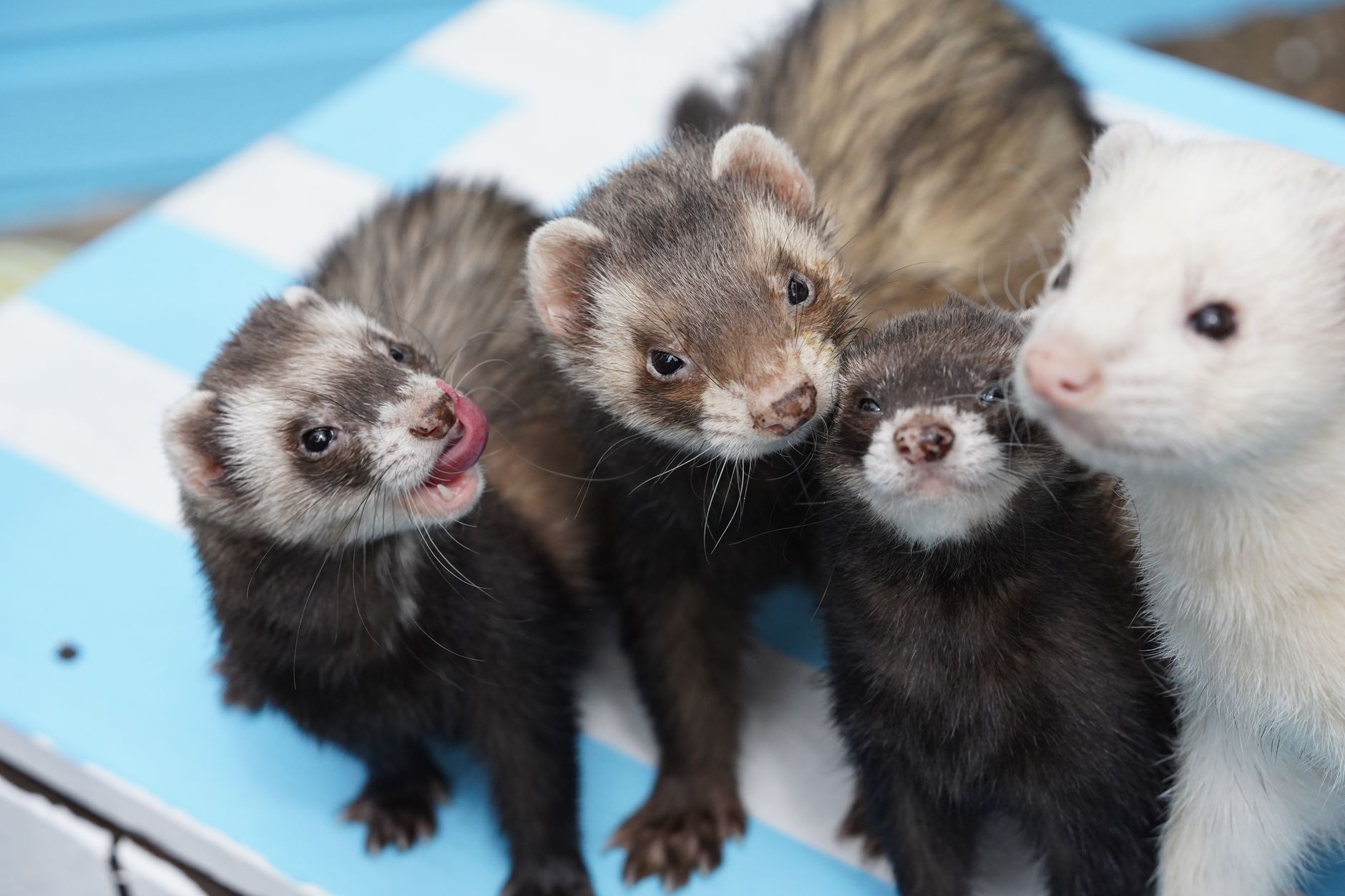
What Animals Do Ferrets Get Along With? Understanding Ferret Compatibility
What animals do ferrets get along with? The answer is nuanced: ferrets, by nature, are predators and generally cannot be trusted with small animals like rodents, birds, or reptiles; however, with careful introduction and supervision, some ferrets can coexist peacefully with larger, dog-like pets.
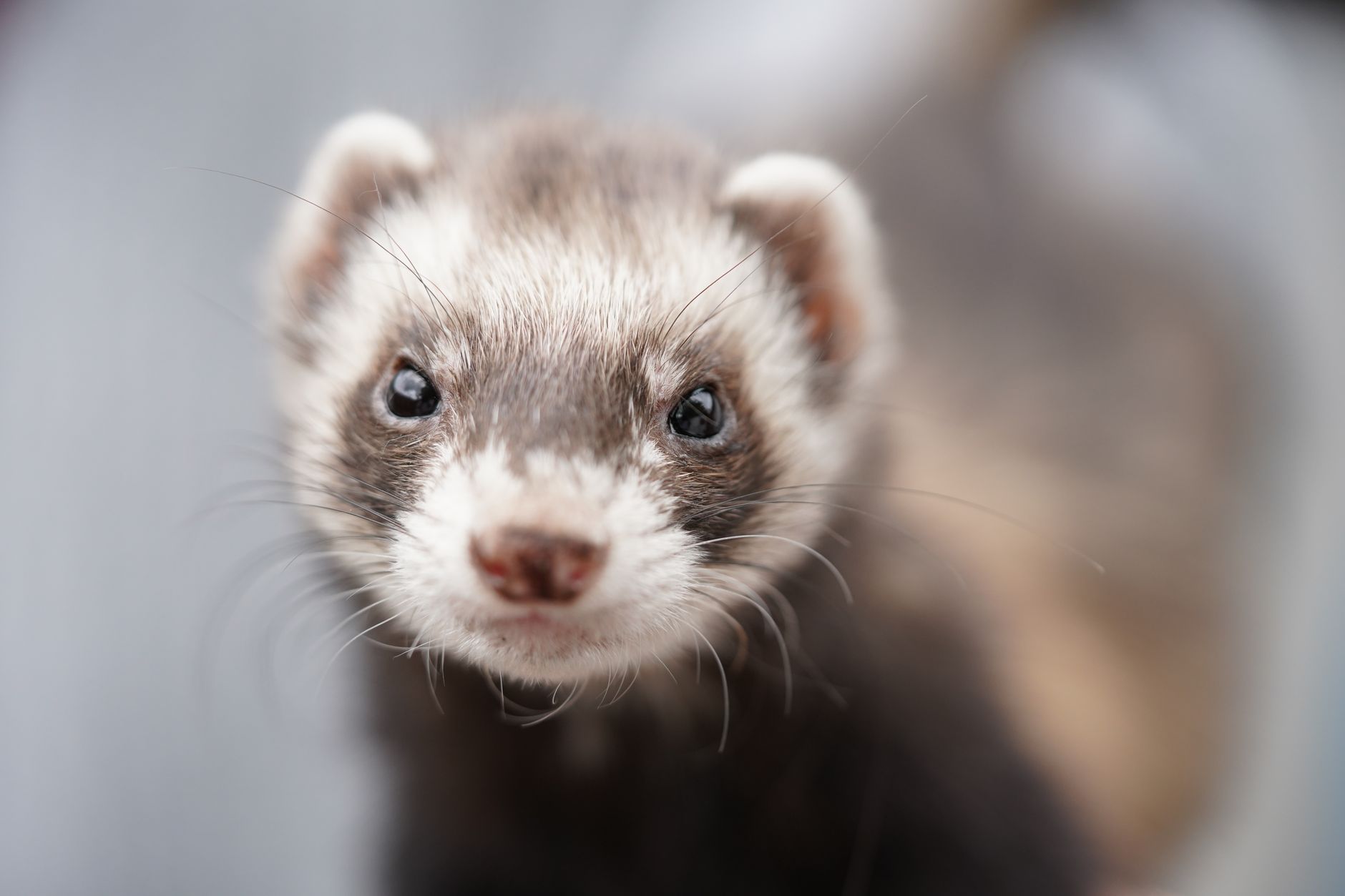
Understanding the Ferret Predatory Instinct
Ferrets are obligate carnivores, meaning their diet consists entirely of meat. This inherent predatory instinct is crucial to understanding their interactions with other animals. While individual ferrets have unique personalities, this fundamental drive can override learned behaviors, especially when triggered by the scent, sound, or movement of prey. It’s essential to acknowledge and respect this instinct when considering what animals do ferrets get along with.

Is distilled water good for goldfish?
What colours are fish most attracted to?
Can you put your finger in a trout's mouth?
Is methylene blue anti bacterial?
Ferrets and Small Animals: A Recipe for Disaster

Due to their strong hunting instincts, ferrets should never be housed or left unsupervised with small animals such as:
- Rodents (mice, rats, hamsters, gerbils)
- Birds (parakeets, canaries, finches)
- Reptiles (lizards, snakes)
- Rabbits and guinea pigs
- Fish
Even well-socialized ferrets can instinctively chase and potentially harm or kill these animals. The risk is simply too high to justify any attempts at cohabitation. A ferret’s playful nip to them can be deadly. The safety of these smaller creatures should always be the top priority.
Ferrets and Dogs: A Cautious Approach
The compatibility between ferrets and dogs varies greatly depending on the dog’s breed, temperament, and training. Some dogs have a strong prey drive, which can make them dangerous to ferrets. Others may be more tolerant or even protective.
Here are some factors to consider:
- Breed: Breeds with high prey drives (e.g., terriers, sight hounds) are generally not good matches for ferrets.
- Temperament: Calm, gentle dogs with a low prey drive are more likely to coexist peacefully with ferrets.
- Training: A well-trained dog that responds reliably to commands is crucial.
Introduction is Key:
Introduce ferrets and dogs slowly and carefully, always under supervision. Start with brief, controlled interactions and gradually increase the duration and frequency as the animals become more comfortable with each other. Never leave a ferret and dog unsupervised until you are absolutely certain they are compatible.
Ferrets and Cats: A Mixed Bag
Similar to dogs, the compatibility between ferrets and cats depends on the individual personalities of both animals. Some cats are naturally curious and playful, while others are more territorial and aggressive.
Key Considerations:
- Cat’s Temperament: A cat that is used to other animals and has a gentle disposition is more likely to accept a ferret.
- Supervision is Mandatory: Initially, always supervise interactions between ferrets and cats.
- Safe Spaces: Ensure the ferret and cat each have their own safe spaces to retreat to if they feel threatened or overwhelmed.
It is important to note, even if your cat appears amicable, a ferret can still stress out a cat. Monitor their interactions closely.
Ferrets and Other Ferrets: Social Structures
Ferrets are generally social animals and often enjoy the company of other ferrets. However, it’s important to introduce them gradually and monitor their interactions to ensure they get along.
Considerations for Multi-Ferret Households:
- Introduce slowly: Start with supervised playdates in a neutral space.
- Multiple resources: Provide multiple food bowls, water bottles, and sleeping areas to minimize competition.
- Observe behavior: Watch for signs of aggression, such as biting, hissing, or chasing.
- Ensure they’re desexed: This minimizes aggressive behavior between ferrets.
Ferrets and Children: A Responsibility for Adults
While ferrets can be playful and affectionate pets, they are not suitable for young children. Ferrets have a tendency to nip, and they require careful handling to avoid being injured. Children may not understand how to interact with ferrets safely, and they may unintentionally hurt the animals.
The supervision of an adult is always needed in interactions between children and ferrets.
What to Consider Before Introducing a Ferret to Another Animal
Before attempting to introduce a ferret to any other animal, carefully consider the risks and benefits. Prioritize the safety and well-being of all animals involved.
- Research: Learn as much as you can about the animal’s temperament, behavior, and compatibility with ferrets.
- Consult with Experts: Talk to veterinarians, ferret breeders, or animal behaviorists for advice.
- Prepare for the Worst: Have a plan in place in case the introduction goes wrong.
Frequently Asked Questions (FAQs)
What animals do ferrets get along with really boils down to the particular temperament of each animal.
What should I do if my dog is aggressive towards my ferret?
Separate them immediately and consult with a professional dog trainer or behaviorist. The safety of your ferret should be your top priority. A professional will be able to assess the dog’s prey drive and offer guidance on how to manage its behavior.
Can I train my ferret to be friendly with other animals?
While you can train a ferret, their natural predatory instincts can be difficult to overcome. Focus on managing the environment and supervising interactions to minimize the risk of conflict. Positive reinforcement techniques can be used to encourage desired behaviors, but there are no guarantees.
How do I introduce my ferret to a new cat?
Start by allowing them to smell each other under the door. Then, introduce them briefly in a controlled environment under constant supervision. Gradually increase the duration and frequency of the interactions. Ensure they each have a safe space to retreat to if they feel stressed.
My ferret seems scared of my cat. What should I do?
Give the ferret more space from the cat. Reduce the frequency of their interactions. If the ferret continues to be fearful, consider keeping them permanently separated.
Are some ferret breeds friendlier to other animals than others?
There are no distinct “breeds” of ferrets in the same way there are breeds of dogs or cats. Individual ferrets vary in personality, but genetics do not make a huge difference in this area.
What are the signs that my ferret is not getting along with another animal?
Signs of conflict include hissing, biting, chasing, cowering, hiding, and increased aggression. If you observe any of these behaviors, separate the animals immediately.
Should I get a second ferret if my ferret is lonely?
Ferrets are social creatures and often benefit from having a companion. If you’re considering getting a second ferret, make sure you have the space and resources to care for them properly. Introduce them slowly and monitor their interactions carefully.
What is the best way to supervise interactions between my ferret and another animal?
Keep the animals on leashes initially to maintain control. Always be present and attentive, and be prepared to intervene if necessary. Observe their body language carefully for signs of stress or aggression.
Is it safe to let my ferret play in the same room as my bird, even if the bird is in a cage?
No. The bird’s presence can still trigger the ferret’s hunting instincts. The ferret may try to get into the cage, potentially injuring itself or the bird.
What toys can I use to keep my ferret entertained and less interested in other animals?
Provide plenty of stimulating toys such as balls, tunnels, and puzzles. Rotate the toys regularly to keep your ferret engaged.
What if my ferret bites another animal?
Seek immediate veterinary attention for the injured animal. Separate the ferret from the other animal and reassess the situation. You may need to keep them permanently separated.
Can I trust my ferret with my dog if they have been living together peacefully for a long time?
Even if your ferret and dog have been living together peacefully for a long time, never become complacent. Continue to supervise their interactions, especially when you’re not paying close attention. A ferret is unpredictable around other animals, so supervision is mandatory!