

What Animal Was Often Used For Transportation In The Bible? An Expert’s Deep Dive
The camel was, without question, the animal most frequently used for transportation in the Bible. This desert-adapted creature played a crucial role in commerce, travel, and even warfare throughout the biblical narrative.
The Camel: King of Biblical Transportation
The Bible, a collection of texts spanning millennia and diverse cultural contexts, mentions a variety of animals, each playing a specific role in the lives of the people depicted. However, one animal stands out above the rest when it comes to transportation: the camel. Its endurance, ability to carry heavy loads, and adaptation to arid environments made it an indispensable asset in the ancient Near East. Understanding the camel’s significance provides valuable insight into the practical realities of biblical life.

What colours are fish most attracted to?
Can you put your finger in a trout's mouth?
Is methylene blue anti bacterial?
Does aquarium salt raise pH in aquarium?
The Camel’s Enduring Legacy

The camel wasn’t merely a beast of burden; it was an integral part of the socioeconomic fabric of the biblical world. Consider these critical aspects of the camel’s influence:
- Trade Routes: Camels facilitated the movement of goods along vital trade routes, connecting distant lands and fostering economic exchange. The Silk Road, although predating some biblical texts, demonstrates a similar dependence on the camel for long-distance trade that continued in biblical times.
- Military Transport: Camels were sometimes used in warfare, though horses were the primary military animal. The camel’s ability to withstand harsh conditions made it a valuable asset for transporting supplies and even soldiers across challenging terrain.
- Symbol of Wealth: Owning camels indicated wealth and status. Abraham, Job, and other prominent figures in the Bible are described as having large herds of camels, signifying their prosperity and influence.
- Daily Life: Beyond grand enterprises, camels played a crucial role in the everyday lives of individuals and families. They transported people, goods, and even served as a source of milk and meat.
Other Animals in Biblical Transport
While the camel reigned supreme for long-distance and heavy transportation, other animals also played important roles:
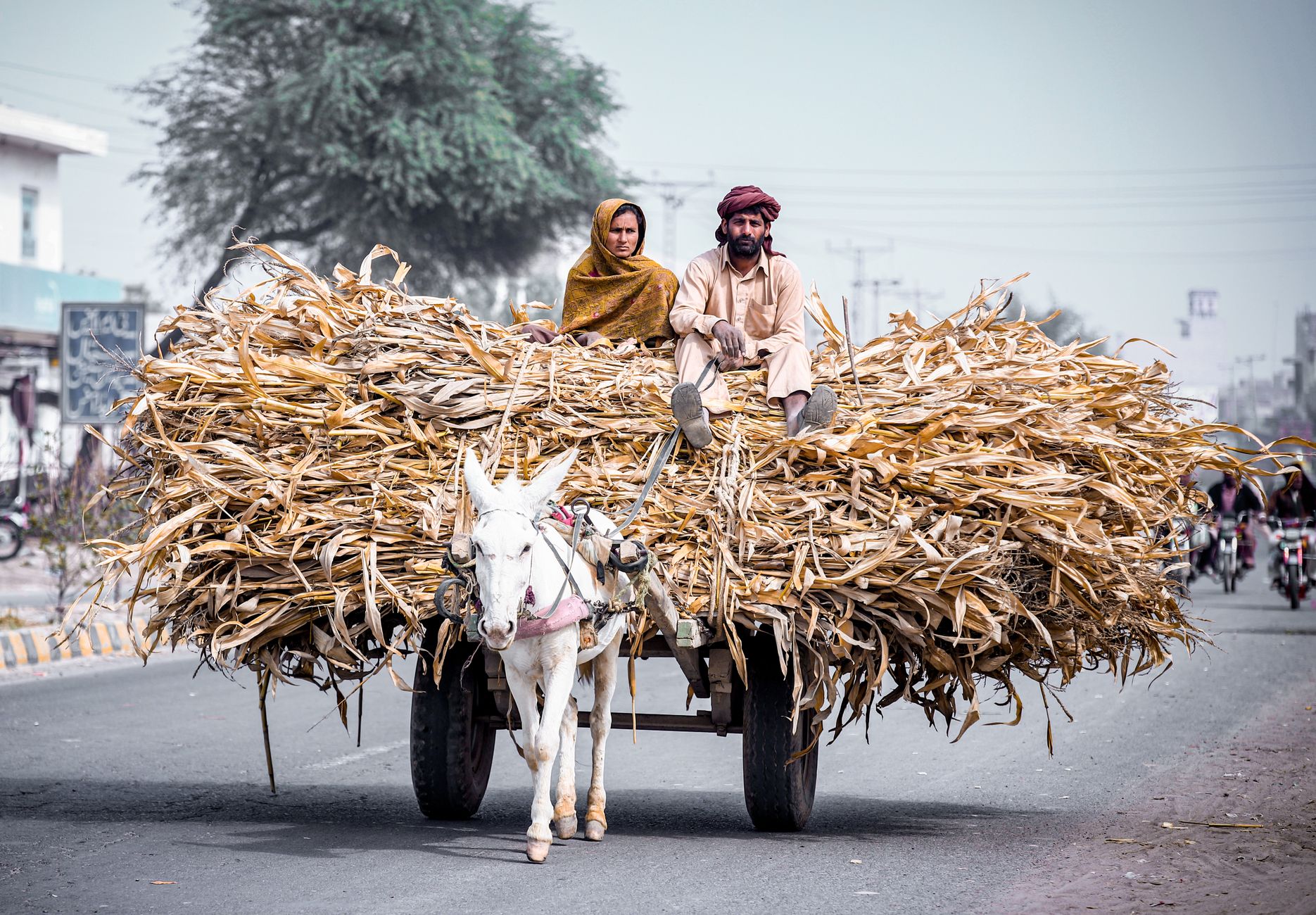
- Donkeys: Donkeys were common for personal transportation, particularly among the less affluent. They were also used for carrying smaller loads and agricultural tasks.
- Horses: Horses, though less common than camels and donkeys, were highly valued for warfare and royal processions.
- Oxen: Oxen were primarily used for agricultural purposes, such as plowing and threshing, but they could also be used for pulling carts.
- Mules: Mules, a hybrid offspring of a male donkey and a female horse, possessed strength and endurance, making them valuable for transportation and agricultural work.
The choice of animal often depended on the purpose of the journey, the distance to be traveled, and the social status of the individual.
Challenges of Camel Travel
Despite their advantages, using camels for transportation also presented challenges:
- Slow Pace: Camels are not fast animals. Long journeys could take days or even weeks.
- Water Requirements: While adapted to arid environments, camels still require water, and finding reliable water sources could be a significant concern.
- Harsh Conditions: The desert environment could be brutal, exposing both humans and animals to extreme temperatures, sandstorms, and other hazards.
- Camel Temperament: Camels can be stubborn and unpredictable. Skilled handling was essential for managing these animals effectively.
The Bible mentions these challenges indirectly through accounts of long journeys and the value placed on finding water sources.
The Ongoing Significance of Understanding The Role of Camels
Grasping the importance of the camel in the Bible helps us better understand the context of the stories and teachings contained within. Recognizing the practical realities of life in the ancient Near East allows for a more nuanced interpretation of the text. The question of What animal was often used for transportation in the Bible? reveals a key aspect of biblical society and economy.
Frequently Asked Questions
Why were camels favored over other animals for long-distance travel?
Camels are uniquely adapted to arid environments. They can survive for extended periods without water, carry heavy loads across difficult terrain, and withstand extreme temperatures. These adaptations made them ideally suited for long-distance travel in the deserts and semi-arid regions of the biblical world.
Did everyone in biblical times own a camel?
No, camel ownership was not universal. Camels were valuable animals, and owning them often indicated wealth and status. While some individuals and families owned camels, many others relied on donkeys, oxen, or simply traveled on foot.
What types of goods were transported by camels in the Bible?
Camels transported a wide range of goods, including spices, textiles, precious metals, grains, and other agricultural products. They facilitated trade between different regions and contributed to the economic prosperity of the biblical world.
Are there specific biblical passages that mention camels being used for transportation?
Yes, numerous passages mention camels. For example, Genesis 24 describes Abraham’s servant using camels to travel to find a wife for Isaac. 1 Samuel 30:17 mentions the Amalekites escaping on camels, implying the camel’s use in flight and warfare. The presence of camels often signifies trade, travel, or wealth.
How did the use of camels impact the development of trade routes?
The camel’s ability to carry heavy loads across vast distances enabled the development of extensive trade networks. These networks connected distant lands, facilitated the exchange of goods and ideas, and contributed to the growth of civilizations.
What were some of the challenges associated with camel travel?
Camel travel was not without its difficulties. The slow pace of camels, the need for water, and the harsh desert environment posed significant challenges. Travelers also had to contend with the possibility of encountering bandits or wild animals.
Did the Bible offer any guidance on how to care for camels?
While the Bible doesn’t provide a detailed manual on camel care, it does emphasize the importance of treating animals with kindness and respect. Proverbs 12:10 states, “The righteous care for the needs of their animals,” implying a responsibility to provide for their well-being.
How did the use of camels differ between different regions mentioned in the Bible?
The reliance on camels for transportation varied depending on the geographic and climatic conditions. In desert regions, camels were indispensable. In more fertile areas, other animals, such as donkeys and oxen, were more commonly used.
What role did camels play in warfare during biblical times?
Camels were primarily used for transporting supplies and equipment in warfare. While they weren’t typically used as riding animals in battle like horses, their endurance and ability to carry heavy loads made them valuable assets for military campaigns.
How does understanding the use of camels enhance our understanding of biblical stories?
Knowing that camels were essential for trade and transportation allows us to better understand the context of biblical stories involving travel, commerce, and wealth. It provides a more realistic picture of the challenges and opportunities faced by people in the ancient Near East. Understanding What animal was often used for transportation in the Bible? provides socio-economic context to these narratives.
Were camels ever used for purposes other than transportation in the Bible?
Yes, camels were also used for other purposes. They provided milk and meat and their hair could be used for making tents and clothing. In some cases, camel dung was used as fuel.
How has the role of the camel changed in the Middle East since biblical times?
While the camel’s importance has diminished with the advent of modern transportation, it still holds cultural significance in many parts of the Middle East. In some regions, camels are still used for transportation and agricultural work, but they are also valued for their milk, meat, and role in traditional ceremonies and cultural events.