

What Animal Sounds Like a Human Baby Crying? Decoding the Eerie Vocalizations of the Animal Kingdom
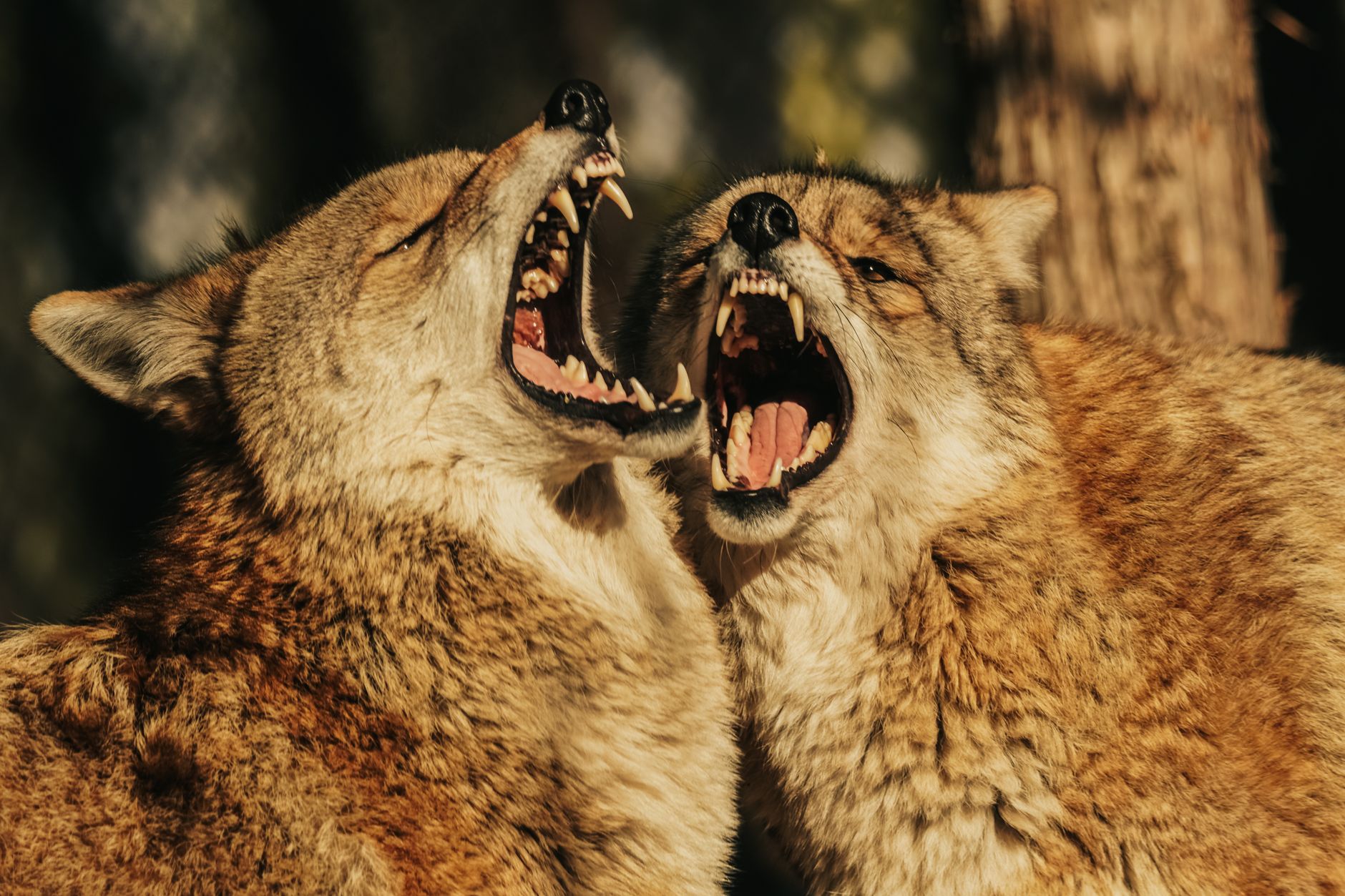
Several animals, most notably the red fox, can produce vocalizations remarkably similar to a human baby’s cry. This often unsettling sound, particularly in the dead of night, prompts the question: What animal sounds like a human baby crying?
The Unsettling Cry in the Night: Exploring Animal Vocal Mimicry
The animal kingdom is full of surprises, and one of the most unsettling is the ability of certain creatures to mimic, intentionally or unintentionally, the sounds of human infants. This mimicry often serves a specific purpose, from attracting mates to deterring predators. But what animals sound like a human baby crying? It’s a question that frequently plagues homeowners living near wooded areas. Understanding these vocalizations can alleviate fear and provide valuable insight into animal behavior.

What colours are fish most attracted to?
Can you put your finger in a trout's mouth?
Is methylene blue anti bacterial?
Does aquarium salt raise pH in aquarium?
The Red Fox: Master of the Infant-Impersonation

The most common culprit behind the mysterious baby cries is undoubtedly the red fox (Vulpes vulpes). Their vocal repertoire is surprisingly diverse, and one particular call – a high-pitched, piercing scream – bears an uncanny resemblance to a distressed infant.
- Reason: Foxes use a variety of vocalizations to communicate. The “baby cry” sound is often associated with territorial disputes, mating calls, or distress signals, particularly from younger foxes.
- Frequency: While not constant, this sound is more common during mating season (winter) and when young foxes are learning to hunt and establish their territories (spring/summer).
- Location: Red foxes are incredibly adaptable and can be found in a wide range of habitats, from rural woodlands to suburban neighborhoods. This proximity to human populations increases the likelihood of encountering (or hearing) their disconcerting cries.
Other Potential Sound Alikes
While the red fox is the prime suspect, other animals can occasionally produce similar-sounding vocalizations:
- Fishers (Pekania pennanti): These members of the weasel family are known for their piercing screams, which, while generally higher pitched and less consistent than a fox’s cry, can be mistaken for a distressed infant, especially at a distance.
- Peacocks (Pavo cristatus): While more often associated with their extravagant plumage, peacocks also possess a loud, wailing call that can resemble a child’s cry, especially in the early morning or evening.
- Domestic Cats (Felis catus): Although less common, a cat in extreme distress or pain can emit a cry that bears a striking resemblance to a baby’s wail. This is most likely when a cat is injured.
The Science Behind the Similarity
The similarity between animal cries and human baby cries isn’t entirely coincidental. Both share acoustic characteristics that trigger a primal response in humans:
- High Pitch: The high-pitched frequency naturally grabs our attention.
- Irregularity: The unpredictable and often fluctuating nature of the sound mimics the emotional state of a distressed individual.
- Sudden Onset: Abrupt, unexpected cries are designed to immediately signal distress.
These acoustic features, while evolved for different purposes in animals and humans, share enough overlap to elicit a similar, often involuntary, reaction. The question of what animal sounds like a human baby crying then becomes one of acoustic analysis and context.
Discriminating Between Animal Cries and Infant Distress
While the sounds can be remarkably similar, there are usually subtle differences that, with practice, can help you distinguish between an animal cry and the genuine distress of a human infant:
- Duration: Animal cries tend to be shorter and more punctuated than the sustained wails of a human baby.
- Repetition: Animal cries often occur in repetitive sequences, whereas a baby’s cry can be more continuous and varied.
- Context: Consider your surroundings. If you’re in a heavily wooded area, the sound is more likely to be an animal. If you’re near a house with young children, it’s more likely to be a baby.
- Additional Sounds: Listen for other accompanying sounds, such as fox barks, peacock calls, or the distinct meows of a cat.
| Feature | Animal Cry | Human Baby Cry |
|---|---|---|
| Duration | Shorter, punctuated | Longer, more sustained |
| Repetition | Often repetitive sequences | Can be continuous and varied |
| Location | More likely in wooded or rural areas | More likely near residential areas |
| Accompanying Sounds | Fox barks, peacock calls, cat meows | Human voices, sounds of domestic life |
Addressing Concerns and Preventing Unnecessary Alarm
While the sounds of what animal sounds like a human baby crying can be unsettling, it’s important to remain calm and avoid unnecessary intervention.
- Avoid Direct Confrontation: Do not approach or attempt to handle wild animals.
- Secure Your Property: Ensure your property is properly fenced to deter animals from entering your yard.
- Report Concerns: If you believe an animal is injured or poses a threat, contact your local animal control or wildlife rehabilitation center.
- Educate Your Neighbors: Share information about animal vocalizations to prevent unnecessary panic or alarm.
Frequently Asked Questions (FAQs)
What exactly does a red fox sound like when it’s making this “baby cry” noise?
The sound is best described as a high-pitched, piercing scream or wail. It often sounds very similar to a human baby crying, especially at a distance or when heard unexpectedly in the darkness.
Are there specific times of year when I’m more likely to hear these cries?
Yes, you’re most likely to hear these cries during the fox mating season (typically winter) and when young foxes are learning to hunt and establish their territories (spring/summer).
Why do foxes make sounds that resemble baby cries? Is it intentional mimicry?
It’s unlikely to be intentional mimicry. The sounds are simply part of the fox’s natural vocal repertoire, used for communication related to territory, mating, and distress. The similarity to a baby’s cry is likely coincidental.
Is it dangerous if I hear a fox making this sound near my house?
Hearing a fox cry is not inherently dangerous. Foxes are generally wary of humans and will avoid confrontation. However, it’s always wise to keep a safe distance and avoid approaching them.
How can I tell the difference between a fox cry and a real baby crying?
Listen for duration, repetition, and context. Fox cries tend to be shorter, more repetitive, and more likely to be heard in rural or wooded areas. A baby’s cry is generally longer, more sustained, and accompanied by other human sounds.
Besides foxes, what other animals might make sounds like a baby crying?
While less common, fishers, peacocks, and distressed domestic cats can sometimes produce vocalizations that bear a resemblance to a human baby’s cry.
What should I do if I think an animal is making baby crying sounds near my house?
Stay calm and observe. Try to identify the source of the sound. If you’re concerned about the animal’s well-being or safety, contact your local animal control or wildlife rehabilitation center.
Is there anything I can do to deter foxes from coming near my property?
Keep your property free of food sources (e.g., pet food, garbage). Install fencing and motion-activated lights to deter foxes from entering your yard.
If I find a baby fox that seems abandoned, should I try to help it?
No, do not attempt to handle or care for wild animals. Contact your local wildlife rehabilitation center for advice. They have the expertise and resources to properly care for injured or orphaned animals.
Are foxes protected animals?
Foxes are protected in some areas by hunting regulations, while in other areas they may be considered pests. Check your local laws and regulations regarding wildlife.
Can I record the sound and have it analyzed to determine what animal it is?
Yes, recording the sound can be helpful. You can share the recording with wildlife experts or use sound analysis software to help identify the animal responsible.
Is it true that some birds can mimic human baby sounds as well?
While birds are known for mimicry, they are less likely to perfectly mimic a human baby. Birds are more likely to mimic human speech or other environmental sounds.