

What Animal Mimics an Owl? Birds, Bugs, and Beyond!
Several animals mimic owls, but the primary and most convincing example is the owl butterfly, which uses bold eye spots on its wings to deter predators by mimicking the appearance of an owl’s face.

Introduction: Deception in the Animal Kingdom
Mimicry, the art of imitation, is a powerful survival strategy in the animal kingdom. Creatures use it to protect themselves, attract mates, or even secure a meal. While some mimicry involves behaviors or sounds, one of the most striking forms is visual mimicry, where an animal evolves to resemble another, often to deter predators. But what animal mimics an owl? The answer might surprise you – it’s not just other birds.

What colours are fish most attracted to?
Can you put your finger in a trout's mouth?
Is methylene blue anti bacterial?
Does aquarium salt raise pH in aquarium?
The Primary Culprit: The Owl Butterfly
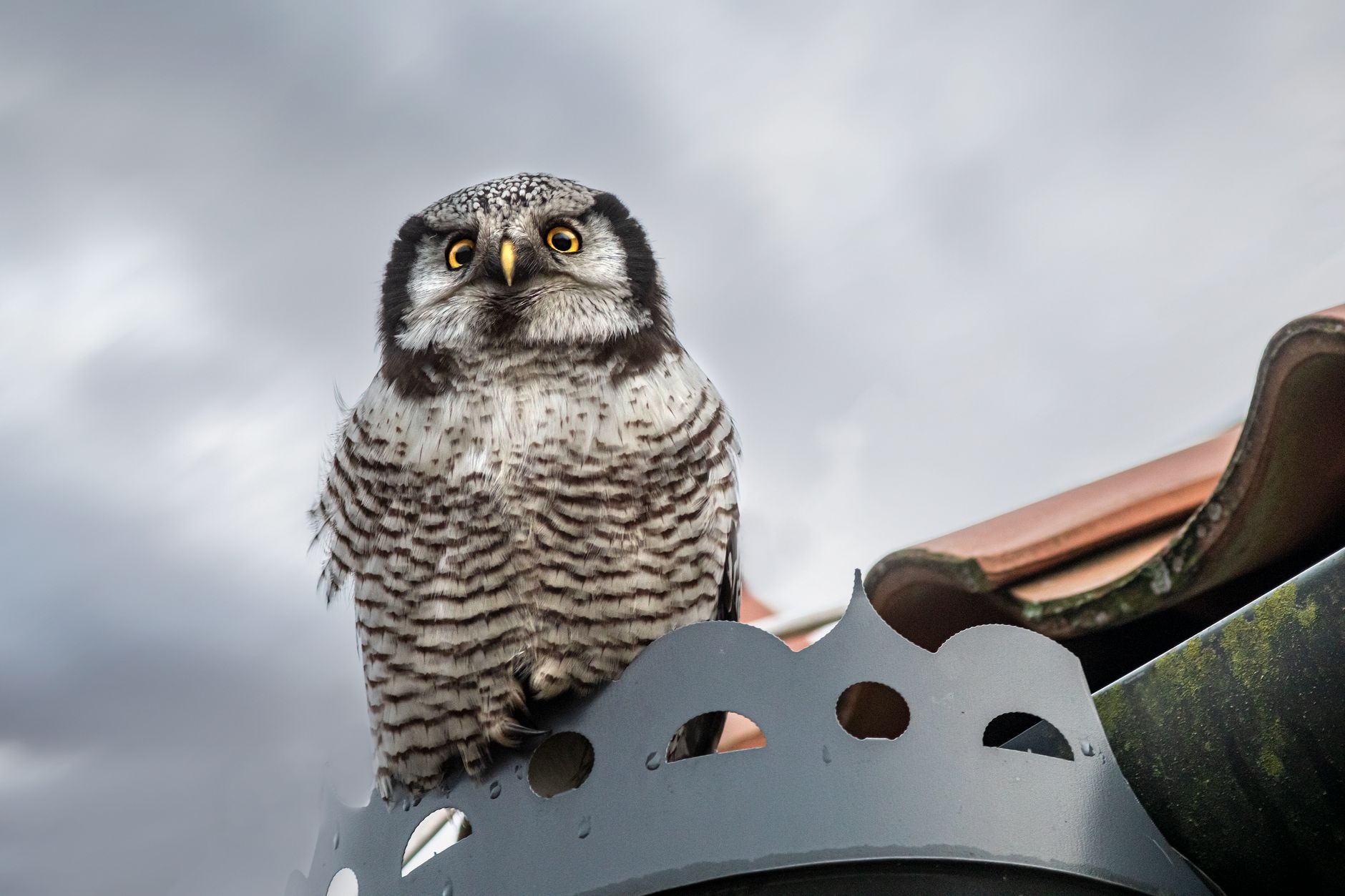
The most prominent example of an animal that successfully mimics an owl is undoubtedly the owl butterfly (genus Caligo). These butterflies, native to the tropical rainforests of Central and South America, possess a remarkable adaptation: large, conspicuous eyespots on the underside of their wings. These eyespots, typically dark brown or black with lighter rings, bear an uncanny resemblance to the eyes of an owl.
How Owl Butterfly Mimicry Works
The effectiveness of owl butterfly mimicry lies in its ability to startle and deter potential predators. When threatened, the butterfly will flash its wings, revealing the owl-like eyespots. This sudden appearance of what seems to be a large predator can be enough to scare away birds, lizards, and other creatures that might otherwise prey on the butterfly.
- Startle Effect: The immediate shock of seeing “owl eyes” can cause a predator to hesitate.
- Size Illusion: The relatively large size of the eyespots creates the illusion of a much larger and more formidable animal.
- Repulsion: Some predators may instinctively avoid owls due to past negative experiences or learned behavior.
Other Potential Owl Mimics (Beyond Butterflies)
While the owl butterfly is the most well-known example, other animals may exhibit behaviors or physical characteristics that, to some extent, mimic aspects of owls. These are often less direct and less convincing but nonetheless contribute to the fascinating world of mimicry.
- Birds with Similar Plumage: Certain bird species might possess plumage patterns that bear a superficial resemblance to owls, although this is more likely convergent evolution for camouflage than deliberate mimicry.
- Insects with Eye Spots: Several other insect species, besides owl butterflies, have eyespots. While not necessarily mimicking owls specifically, the general principle of deterring predators with perceived “eyes” is similar.
- Behaviors: Some small mammals might exhibit behaviors that inadvertently resemble owl movements or sounds, although these are usually for different purposes (e.g., hunting, communication).
Why Owl Mimicry is Effective
The success of owl mimicry rests on several factors:
- Prevalence of Owls: Owls are widespread predators, so many potential prey animals have an innate fear or avoidance of them.
- Predator Fear: Even if a predator has never encountered an owl, the general appearance of large, staring eyes can be instinctively frightening.
- Simplicity: The mimicry doesn’t need to be perfect; a general resemblance can be enough to trigger a predator’s avoidance response.
Limitations of Owl Mimicry
It’s important to remember that even the best examples of owl mimicry have their limitations.
- Predator Learning: Predators can learn to recognize that the “owl” is actually a harmless butterfly (or other mimic).
- Limited Effectiveness: Mimicry may only be effective against certain predators or in specific environments.
- Cost of Mimicry: Developing and maintaining the mimicry requires energy and resources, which could be used for other purposes.
Examples of Owl Butterfly Species
| Species Name | Geographic Location | Wing Span (approx.) | Key Features |
|---|---|---|---|
| Caligo memnon | Amazon Basin | 13-15 cm | Large, prominent eyespots |
| Caligo eurilochus | Central America | 11-13 cm | Brownish coloration, defined eyespots |
| Caligo atreus | Brazil | 12-14 cm | Darker overall coloration, subtle eyespots |
FAQs about Owl Mimicry
What specific feature of the owl does the butterfly mimic?
The owl butterfly primarily mimics the eyes of an owl. The large, circular eyespots on its wings are remarkably similar in size, shape, and appearance to the eyes of many owl species.
Is owl mimicry a perfect imitation?
No, owl mimicry is not a perfect imitation. It’s effective because it provides a general resemblance strong enough to deter predators, not because it’s a flawless duplicate.
Are there any other insects that mimic owls?
While owl butterflies are the most famous example, some other insects possess eyespots that may indirectly mimic aspects of owls. However, these are less specific and often serve a more general purpose of deterring predators through startling displays.
Does the owl butterfly also mimic owl behavior?
Generally, no. The owl butterfly’s mimicry is primarily visual. It does not typically exhibit behaviors that mimic owl hunting or movement patterns.
How common is owl mimicry in the animal kingdom?
Owl mimicry is relatively rare. While many animals use mimicry as a survival strategy, the specific mimicry of owls is not a widespread phenomenon. The owl butterfly is the best and most documented example.
What is the evolutionary advantage of owl mimicry?
The evolutionary advantage lies in increased survival rates. By mimicking an owl, the butterfly is less likely to be eaten by predators, allowing it to reproduce and pass on its genes.
Do predators ever get used to the owl butterfly’s mimicry?
Yes, predators can learn to recognize the butterfly as harmless. This is why mimicry is often most effective in areas where the mimic is relatively rare, preventing predators from easily learning the deception.
Are all species of owl butterflies equally good at mimicking owls?
No, different species within the Caligo genus exhibit varying degrees of owl mimicry. Some species have more pronounced and realistic eyespots than others.
Can the owl butterfly’s mimicry protect it from all predators?
No, the mimicry is not foolproof. Some predators may be unaffected by the visual display, or the butterfly may be caught by opportunistic predators.
Does the owl butterfly mimic any other animals besides owls?
While the primary function is owl mimicry, the eyespots might also deter some predators that are simply avoidant of large eyes in general, regardless of the specific animal being mimicked.
What environments are owl butterflies found in?
Owl butterflies are primarily found in the tropical rainforests of Central and South America. They thrive in warm, humid environments with abundant vegetation and a variety of potential predators.
Is “What animal mimics an owl?” something that scientists are actively researching?
Yes, scientists continue to study mimicry, including the owl butterfly, to better understand the evolutionary processes and the ecological interactions that drive it. Research includes the neurobiology of predator perception.