
What Animal Eats Lobsters? A Deep Dive into Marine Predators
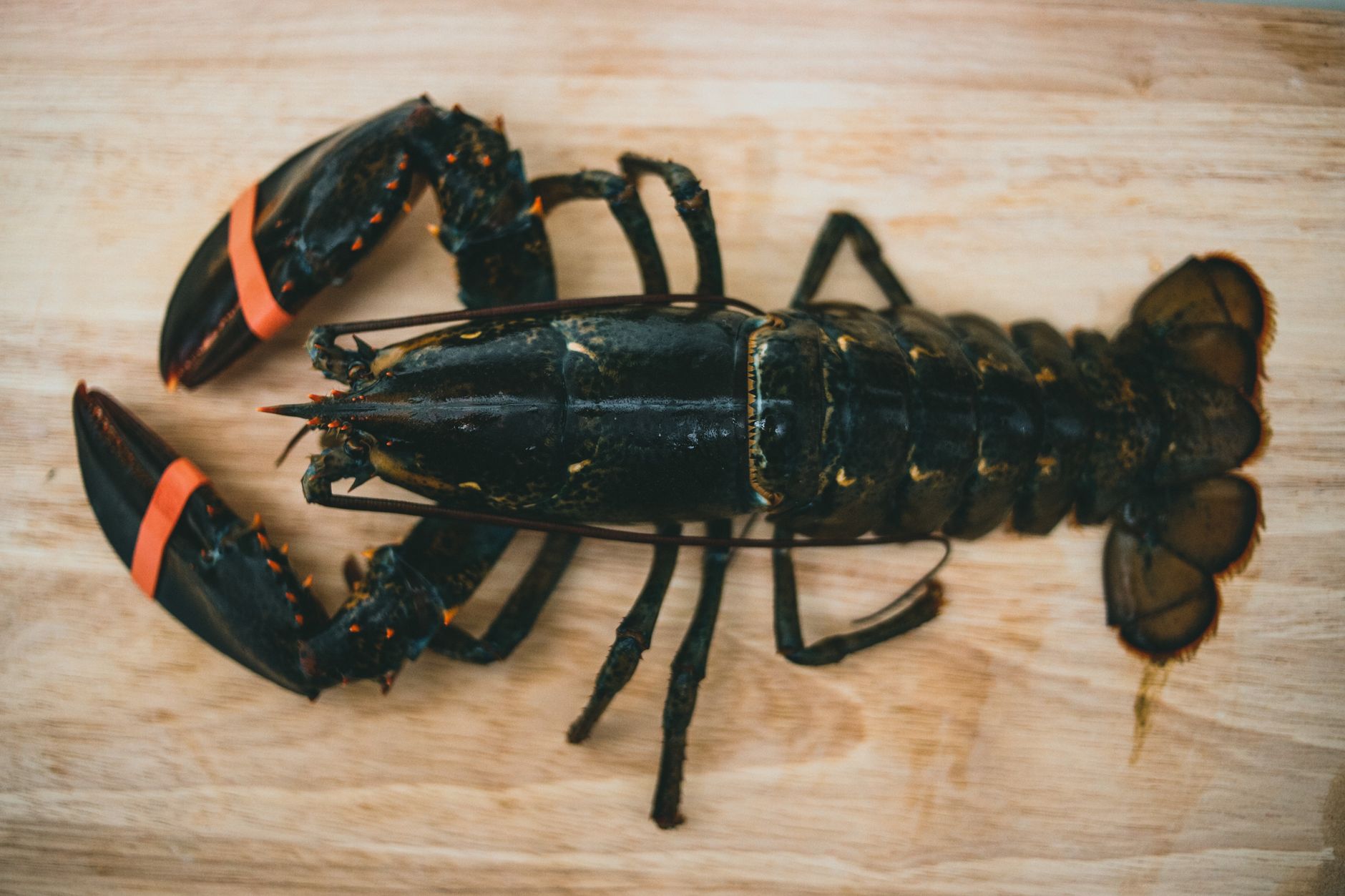
The ocean’s food web is complex, and many creatures consider lobsters a tasty meal; therefore, the answer to “What animal eats lobsters?” is multifaceted. From bottom-dwelling fish to scavenging seabirds, numerous predators contribute to controlling lobster populations.

The Lobster’s Place in the Marine Food Chain
Lobsters, those celebrated crustaceans, are not at the apex of the oceanic food chain. While they are predators themselves, consuming smaller organisms like crabs, worms, and shellfish, they are also prey for a diverse array of marine animals. Understanding this dynamic is crucial to appreciating the balance of marine ecosystems. Lobsters’ vulnerability varies across their lifespan. Juvenile lobsters, with their thinner shells, are far more susceptible to predation than their adult counterparts.

What colours are fish most attracted to?
Can you put your finger in a trout's mouth?
Is methylene blue anti bacterial?
Does aquarium salt raise pH in aquarium?
Major Lobster Predators

The list of animals that feast on lobsters is surprisingly extensive, reflecting the lobster’s role as a significant food source in various marine environments. These predators employ different hunting strategies and inhabit varying depths, impacting lobster populations differently.
- Fish: Many fish species target lobsters, especially smaller individuals. Common culprits include:
- Cod
- Haddock
- Flounder
- Skate
- Tautog (Blackfish)
- Striped Bass
- Marine Mammals: Certain marine mammals will opportunistically prey on lobsters, particularly during times of scarcity or when lobsters are molting.
- Seals (especially harbor seals)
- Sea Otters
- Sea Birds: While not a primary food source, some seabirds will consume smaller, accessible lobsters, especially near the shoreline.
- Gulls
- Cormorants
- Other Crustaceans: Believe it or not, lobsters are sometimes cannibalistic, and larger lobsters may prey on smaller ones. Crabs, particularly rock crabs, are also known to prey on smaller, vulnerable lobsters.
- Cephalopods: Octopuses, with their intelligence and ability to access crevices, are efficient lobster predators.
Factors Influencing Predation Rates
Several factors affect the frequency and intensity of lobster predation.
- Lobster Size and Age: As mentioned, younger, smaller lobsters are significantly more vulnerable due to their thinner shells and limited defensive capabilities.
- Habitat: The type of habitat plays a crucial role. Lobsters seeking shelter in rocky reefs or kelp forests are less exposed to predators than those venturing into open areas.
- Seasonality: Molting season, when lobsters shed their shells, renders them extremely vulnerable. Predators actively target molting lobsters during this period.
- Predator Population Dynamics: Fluctuations in predator populations directly impact lobster survival rates. An increase in cod populations, for instance, will likely lead to higher lobster predation.
Human Impact on Lobster Predation
Human activities significantly influence lobster predation dynamics. Overfishing of lobster predators can disrupt the natural balance of the ecosystem, potentially leading to an increase in lobster populations in some areas. Conversely, habitat destruction, such as the removal of seagrass beds or the dredging of seafloors, can reduce lobster refuge and increase their vulnerability to predators. The impact on “What animal eats lobsters?” can be either direct or indirect, often complicating the food web’s functionality.
Table: Common Lobster Predators and Their Hunting Strategies
| Predator | Hunting Strategy | Prey Stage | Habitat |
|---|---|---|---|
| Cod | Bottom feeding; ambush and pursuit | Juveniles, Adults | Rocky bottoms, continental shelf |
| Seals | Pursuit; opportunistic feeding | Adults, Molting | Coastal waters, rocky shores |
| Octopuses | Ambush; excellent camouflage and dexterity | Juveniles, Adults | Rocky reefs, crevices |
| Larger Lobsters | Cannibalism; opportunistic feeding | Juveniles | Same as prey |
| Rock Crabs | Ambush, scavenging of recently molted lobsters | Juveniles, Molting | Rocky bottoms, kelp forests |
Frequently Asked Questions
What is the most common predator of lobsters?
The most common predator of lobsters varies depending on the geographic location and the age of the lobster, but fish, especially cod and haddock, are often cited as significant predators.
Are lobsters cannibalistic?
Yes, lobsters are opportunistic feeders and will sometimes prey on smaller, weaker lobsters, especially juveniles. This is a form of cannibalism, although not their primary food source.
Do seals eat lobsters frequently?
Seals, particularly harbor seals, will opportunistically eat lobsters, but it is not a primary component of their diet. They are more likely to consume fish and other readily available prey.
How does lobster molting affect their vulnerability to predators?
Molting, the process of shedding their old shells, leaves lobsters extremely vulnerable to predation. During this time, their new shells are soft and offer little protection, making them easy targets.
Do sea otters eat lobsters?
While sea otters are known for their diverse diets, including various crustaceans, lobster consumption is less common, particularly on the East Coast of North America, where lobsters are abundant. Their diet varies geographically.
Why are juvenile lobsters more vulnerable to predation?
Juvenile lobsters have thinner shells and are less able to defend themselves compared to adults. Their smaller size also makes them easier targets for a wider range of predators.
Does the habitat affect the predation risk for lobsters?
Yes, lobsters living in rocky reefs or kelp forests have more hiding places and are therefore less exposed to predators compared to those in open areas.
How does overfishing of lobster predators affect lobster populations?
Overfishing of predators like cod can lead to a decrease in predation pressure on lobsters, potentially causing an increase in lobster populations and potentially altering the dynamics of the entire marine ecosystem.
Can changes in water temperature affect lobster predation?
Yes, changes in water temperature can influence the distribution and activity of both lobsters and their predators, potentially affecting predation rates. For instance, warmer waters may attract new predators to an area.
What role do humans play in lobster predation?
Humans impact lobster predation both directly and indirectly. Overfishing of lobster predators and habitat destruction increase lobster vulnerability, while conservation efforts can help restore balance.
Is there any way for lobsters to avoid predation?
Lobsters employ several strategies to avoid predation, including seeking refuge in rocky crevices, burying themselves in the sand, and camouflaging themselves. They also become more nocturnal to avoid daytime predators.
Are there any predators of lobsters in freshwater environments?
Lobsters are primarily marine animals, and are not commonly found in freshwater environments. Therefore, there are no significant freshwater predators of lobsters. However, crayfish, a similar crustacean found in freshwater, are preyed upon by a variety of animals, including fish, birds, and mammals.