
What Age Do Baby Squirrels Pee On Their Own?
Baby squirrels typically begin to urinate independently around 4-5 weeks of age. However, before this developmental milestone, they rely entirely on their mothers to stimulate urination and defecation.

Understanding Neonatal Squirrel Biology
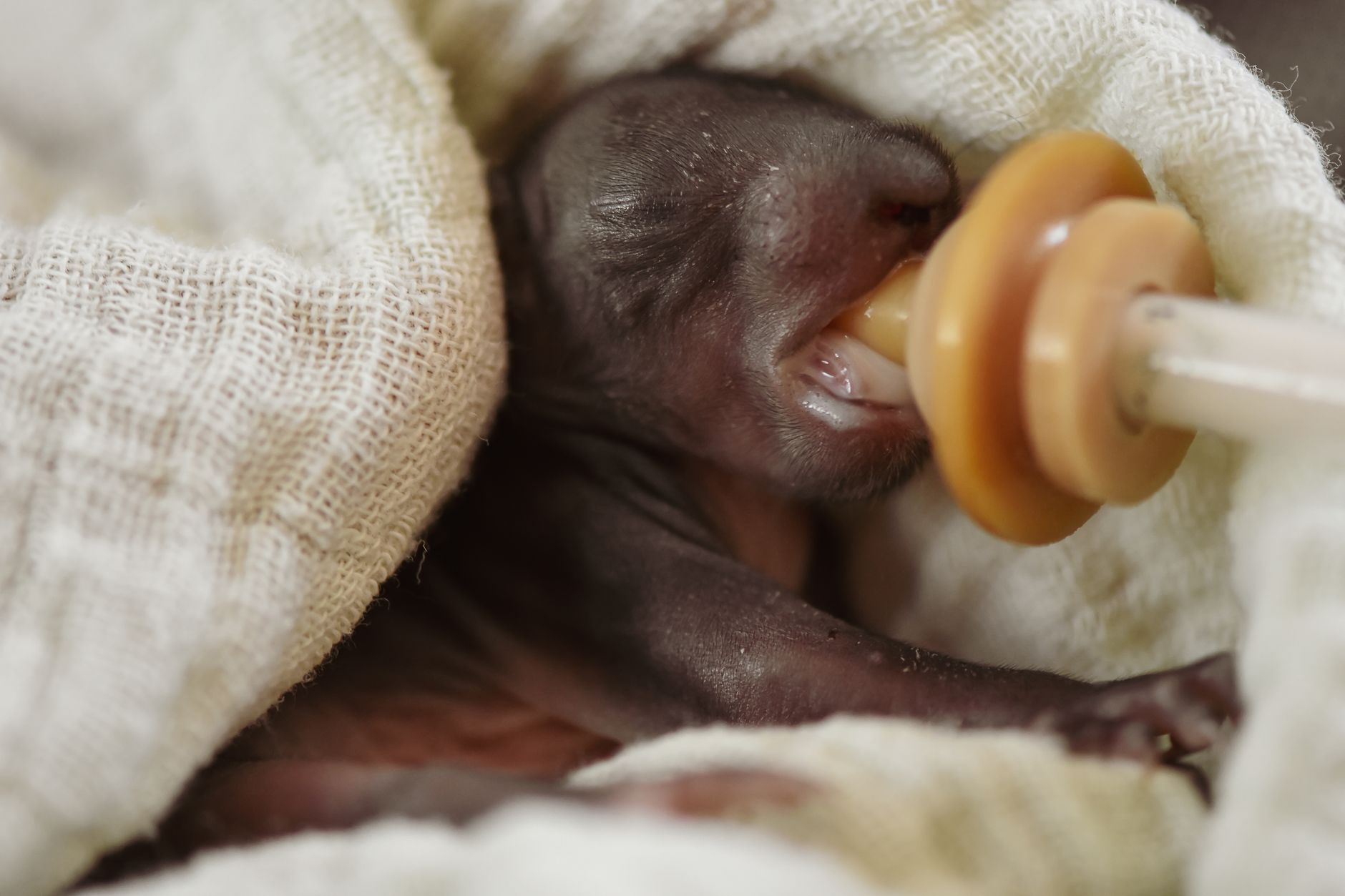
The early development of baby squirrels, often called kits, is characterized by complete dependence on their mother. They are born blind, deaf, and hairless, requiring intensive maternal care. Their urinary and digestive systems are not fully functional, necessitating the mother’s assistance for waste elimination. This dependency phase is crucial for their survival. Understanding this initial stage helps us appreciate the complexities involved in what age do baby squirrels pee on their own?

What colours are fish most attracted to?
Can you put your finger in a trout's mouth?
Is methylene blue anti bacterial?
Does aquarium salt raise pH in aquarium?
The Mother’s Role in Eliminating Waste
For the first few weeks of their lives, baby squirrels are incapable of urinating or defecating independently. The mother squirrel stimulates these functions by licking their anal and genital regions. This gentle stimulation triggers the necessary muscle contractions to release urine and feces. She then consumes the waste, keeping the nest clean and free from odors that could attract predators.
Developmental Milestones: A Timeline
Squirrel development follows a predictable timeline, although individual variation exists. Here’s a general outline:
- 0-3 Weeks: Complete dependency on the mother for all needs, including waste elimination. Eyes and ears remain closed.
- 4-5 Weeks: Eyes begin to open. The squirrel starts to become more mobile and exploratory within the nest. Independent urination typically begins within this timeframe.
- 6-8 Weeks: Fully mobile and exploring outside the nest under the mother’s supervision. Weaning begins.
- 10-12 Weeks: Independent living skills are developing rapidly, and the squirrel is preparing to leave the nest permanently.
Factors Influencing Independence
While 4-5 weeks is a common timeframe, several factors can influence what age do baby squirrels pee on their own?
- Species: Different squirrel species may exhibit slight variations in their developmental timelines.
- Health: Ill or weak kits may develop slower than healthy ones.
- Nutrition: Proper nutrition is critical for development. Malnourished squirrels may lag behind.
- Environmental Conditions: Extreme temperatures can impact development.
Identifying Potential Problems
If a baby squirrel appears unable to urinate independently beyond 5 weeks of age, it could indicate a health problem. Signs of concern include:
- Distended abdomen
- Straining without producing urine
- Lethargy
- Loss of appetite
If you observe these symptoms, seek assistance from a licensed wildlife rehabilitator immediately.
Assisting Orphaned Baby Squirrels
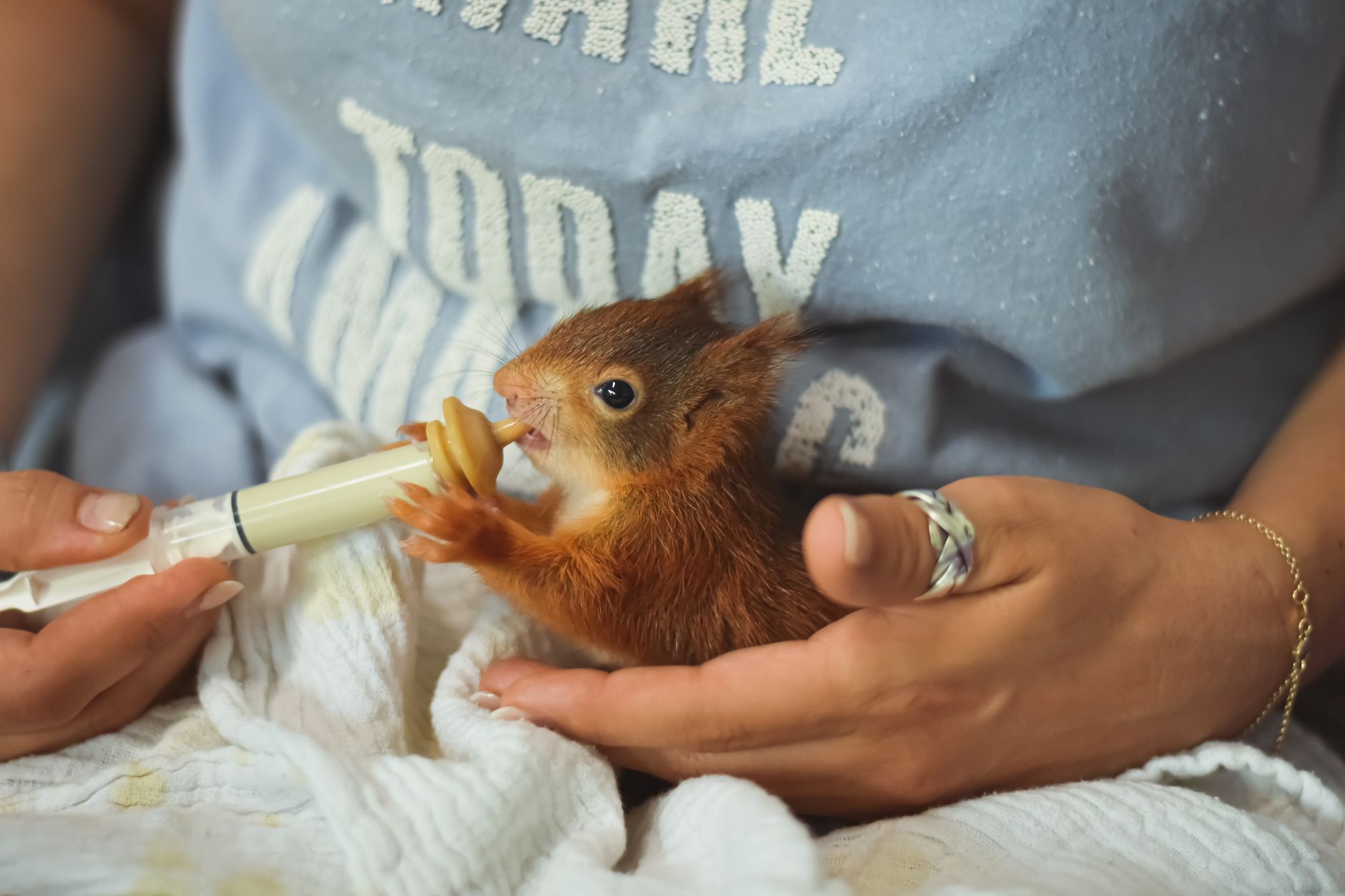
Caring for orphaned baby squirrels is a challenging undertaking that requires specialized knowledge and resources. If you find an orphaned squirrel, do not attempt to raise it yourself without proper guidance. Contact a licensed wildlife rehabilitator who can provide appropriate care, including stimulating urination if necessary, and eventually release the squirrel back into the wild.
Table Comparing Squirrel Species Development
| Squirrel Species | Average Weight at Birth | Eye Opening Time (Weeks) | Independent Urination (Weeks) | Weaning Age (Weeks) |
|---|---|---|---|---|
| Eastern Gray Squirrel | 15 grams | 4-5 | 4-5 | 8-10 |
| Red Squirrel | 10 grams | 4-5 | 4-5 | 8-9 |
| Southern Flying Squirrel | 5 grams | 5-6 | 5-6 | 10-12 |
Frequently Asked Questions
What are the early signs that a baby squirrel is about to start peeing on its own?
The early signs are subtle but include increased activity levels, attempting to move away from the nest area to eliminate, and showing more control over its body. You might observe the kit positioning itself in a different posture before eliminating. These cues indicate developing muscle control and bladder awareness.
Is it normal for a baby squirrel to cry when it needs to pee?
Yes, it’s common for very young baby squirrels to vocalize when they need to eliminate, especially when they are relying on their mother’s stimulation. The crying is a signal that they need assistance. As they mature and gain independence, this vocalization will lessen.
How often should I stimulate an orphaned baby squirrel to pee if it can’t do it on its own?
You should stimulate an orphaned baby squirrel to pee after every feeding, which is typically every 2-3 hours during the day, and once overnight if they are very young. Use a warm, damp cloth or cotton ball to gently stroke the genital area until urination occurs.
Can a baby squirrel get a urinary tract infection if it’s not stimulated to pee properly?
Yes, if a baby squirrel isn’t stimulated to urinate regularly, it can lead to urine retention, increasing the risk of a urinary tract infection (UTI). Signs of a UTI include straining to urinate, blood in the urine, and lethargy.
What happens if I don’t stimulate a baby squirrel to pee, and it’s not old enough to do it on its own?
If a baby squirrel isn’t stimulated to pee and isn’t old enough to do so independently, it will develop bladder distension and discomfort. This can lead to serious health complications and even death if left untreated. The retention of urine can damage the kidneys and lead to toxicity.
Are there any long-term health issues that can arise from a baby squirrel not learning to pee on its own at the right time?
While rare, chronic issues can occur. If the muscles involved in urination aren’t properly developed or functioning due to prolonged dependence or underlying medical issues, the squirrel might experience incontinence or difficulty emptying its bladder completely later in life. This highlights the importance of proper care and intervention.
How can I tell the difference between diarrhea and normal baby squirrel poop?
Normal baby squirrel feces are typically small, firm, and yellowish-brown in color. Diarrhea, on the other hand, is watery, loose, and may have an unusual color or odor. Changes in diet or health problems can cause diarrhea. Consult with a wildlife rehabilitator if you observe diarrhea.
At what weight do baby squirrels generally start to urinate independently?
While weight varies between species, a general guideline is that baby squirrels start to urinate independently when they reach approximately 50-75 grams. This weight range typically coincides with the 4-5 week age range.
Can the weather affect when a baby squirrel starts to pee on its own?
Indirectly, yes. Extreme temperatures can impact a baby squirrel’s overall health and development, potentially delaying milestones like independent urination. Cold temperatures can slow down metabolism, while excessive heat can lead to dehydration.
If a baby squirrel has been orphaned, does it take longer for them to learn to pee on their own compared to those raised by their mothers?
It can potentially take longer. Orphaned squirrels lack the consistent, natural stimulation provided by their mothers. This lack of stimulation can delay the development of bladder control and the instinct to eliminate independently. Careful and consistent care from a rehabilitator is crucial.
Is there anything I can do to encourage a baby squirrel to pee on its own?
Provide a warm, comfortable environment, ensure proper hydration and nutrition, and offer opportunities for movement and exploration. Gentle encouragement and observation can help a baby squirrel develop confidence and control. Creating a stimulating environment promotes overall development, which can include urinary control.
What are the risks of trying to help a baby squirrel pee on its own without proper knowledge?
Attempting to stimulate a baby squirrel incorrectly can cause injury or infection. Excessive pressure or using harsh materials can damage delicate tissues. Always seek guidance from a licensed wildlife rehabilitator to ensure you are providing the correct care. Improper handling can also cause undue stress to the animal, hindering its development.
Understanding the developmental stages and individual needs of baby squirrels is crucial for ensuring their survival, especially when dealing with orphaned or injured individuals. What age do baby squirrels pee on their own? is just one piece of the puzzle, but a vital one for providing the care these vulnerable creatures need.