

Should You Touch Your Dog’s Nose? A Comprehensive Guide
The answer is generally yes, touching your dog’s nose can be perfectly fine, and sometimes even beneficial! This practice strengthens your bond and allows you to monitor your dog’s health, but certainly consider the context and your dog’s temperament.

Understanding the Canine Snout: A Sensory Marvel
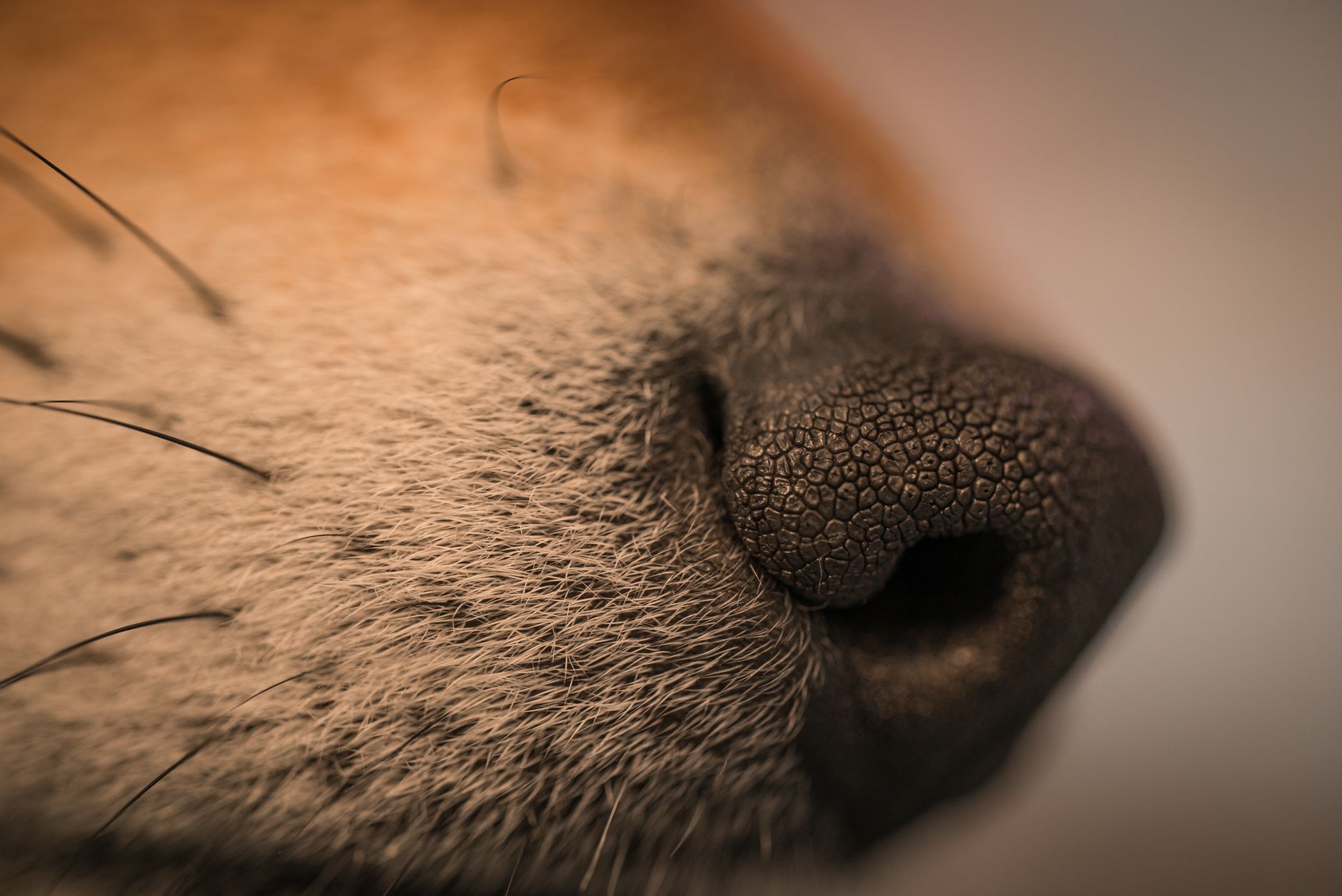
A dog’s nose is far more than just a cute feature; it’s a sophisticated sensory organ, crucial for how they perceive the world. Understanding its functions will help you approach nose-touching more thoughtfully.
- Olfactory Powerhouse: Dogs possess an extraordinary sense of smell, estimated to be tens of thousands of times more sensitive than ours. This allows them to detect scents that we can’t even imagine.
- Moisture Matters: The moisture on a dog’s nose helps to trap scent particles, enhancing their ability to smell.
- Thermoregulation: While dogs primarily cool down through panting, their noses can also play a minor role in regulating body temperature.
- Unique Nose Prints: Just like human fingerprints, each dog has a unique nose print, making it a reliable form of identification.
What colours are fish most attracted to?
Can you put your finger in a trout's mouth?
Is methylene blue anti bacterial?
Does aquarium salt raise pH in aquarium?
Benefits of Gentle Nose Contact

Touching your dog’s nose, when done correctly, can offer several benefits:
- Bonding and Affection: A gentle touch can be a sign of affection and strengthen the bond between you and your dog.
- Health Monitoring: Regularly observing your dog’s nose can help you identify potential health issues, such as dryness, cracking, or unusual discharge.
- Positive Reinforcement: Combining nose touching with praise or treats can reinforce positive behaviors.
- Habituation: Getting your dog used to having its nose touched can make veterinary exams and grooming sessions less stressful.
The Right Way to Approach Nose-Touching
It’s important to approach nose-touching with care and respect for your dog’s comfort level. Here’s a step-by-step guide:
- Observe Your Dog’s Body Language: Look for signs of relaxation, such as a wagging tail, relaxed posture, and soft eyes.
- Start Slowly: Begin by simply being near your dog’s face. Avoid sudden movements or reaching directly for their nose.
- Gentle Touch: Use a light, gentle touch with your fingertip. Avoid grabbing or squeezing the nose.
- Positive Reinforcement: Pair nose touching with positive reinforcement, such as verbal praise (“Good dog!”) or a small treat.
- Respect Boundaries: If your dog shows signs of discomfort (e.g., pulling away, lip licking, whale eye), immediately stop and try again later.
Common Mistakes to Avoid
While touching your dog’s nose is often acceptable, some actions should be avoided:
- Forcing the Issue: Never force your dog to be touched if they are showing signs of discomfort or fear.
- Rough Handling: Avoid grabbing, squeezing, or pinching the nose.
- Touching a Damaged Nose: If your dog’s nose is injured or irritated, avoid touching it altogether.
- Touching Without Washing Hands: Make sure your hands are clean before touching your dog’s nose to prevent the spread of germs.
- Misinterpreting a Dry Nose: While a dry nose can indicate dehydration or illness, it’s not always a cause for concern. Many healthy dogs have dry noses at times.
Recognizing Warning Signs
Be aware of signs that your dog doesn’t want their nose touched. Recognizing these signals prevents unnecessary stress and potential bites:
- Pulling Away: Your dog moves their head away from your hand.
- Lip Licking: Excessive lip licking can be a sign of anxiety.
- Yawning: Similar to lip licking, yawning outside of tiredness can indicate stress.
- Whale Eye: Showing the whites of their eyes.
- Tensed Muscles: A stiff or tense body posture.
- Growling or Snapping: These are clear warnings that your dog is uncomfortable and may bite.
Should You Touch Your Dogs Nose? Considerations
Ultimately, should you touch your dog’s nose? The answer depends heavily on your dog’s individual personality and the context of the situation. Always prioritize their comfort and well-being.
Frequently Asked Questions (FAQs)
Why is my dog’s nose sometimes wet and sometimes dry?
A dog’s nose alternates between wet and dry naturally. The moisture comes from nasal secretions and licking. A persistently dry, cracked, or crusty nose could indicate a medical issue, but occasional dryness is normal.
Is a warm, dry nose a sign of fever?
Not necessarily. A warm, dry nose can be a symptom of fever, but it’s not a reliable indicator on its own. The most accurate way to check your dog’s temperature is with a rectal thermometer. Normal temperature is between 101 and 102.5 degrees Fahrenheit.
What does it mean if my dog’s nose is running?
A clear, watery discharge from the nose can be normal, but excessive or colored discharge (e.g., yellow, green, bloody) could indicate an infection, allergy, or foreign object in the nasal passage. Consult your veterinarian if you’re concerned.
My dog hates having his nose touched. What should I do?
Respect your dog’s boundaries. Don’t force the issue. You can try gradually desensitizing him by offering treats near his nose without touching it, then slowly progressing to brief, gentle touches. If he remains resistant, focus on other forms of affection.
Is it okay to clean my dog’s nose?
If your dog’s nose is dirty, gently wipe it with a damp cloth. Avoid using harsh chemicals or soaps. For crusty or irritated noses, consult your veterinarian for appropriate treatment.
My dog’s nose is pale. Is that something I should worry about?
A pale nose can indicate anemia or poor circulation. Contact your vet promptly, especially if your dog is also lethargic or weak.
Can dogs get sunburned on their noses?
Yes, dogs with light-colored noses are susceptible to sunburn. Apply dog-safe sunscreen to their nose before prolonged exposure to the sun.
Why does my dog lick his nose so much?
Dogs lick their noses to clean them and keep them moist, which helps enhance their sense of smell. It’s generally normal behavior, but excessive licking could indicate allergies, irritation, or anxiety.
Should I be worried if my dog’s nose suddenly changes color?
Changes in nose color can be normal (some breeds experience “snow nose” in winter), but sudden or dramatic changes could indicate a health issue. Consult your veterinarian.
Can dogs smell fear with their noses?
While dogs can’t “smell fear” in the way we understand it, they can detect changes in human body odor and pheromones that are associated with stress and anxiety.
Is it okay to boop my dog’s nose?
A gentle “boop” is generally fine, as long as your dog is comfortable with it. Avoid bopping too hard or doing it if your dog seems hesitant.
Are certain dog breeds more sensitive to nose touching than others?
Yes, individual temperament and breed characteristics can play a role. Some breeds are naturally more sensitive or anxious than others. Pay attention to your dog’s body language and adjust your approach accordingly.