
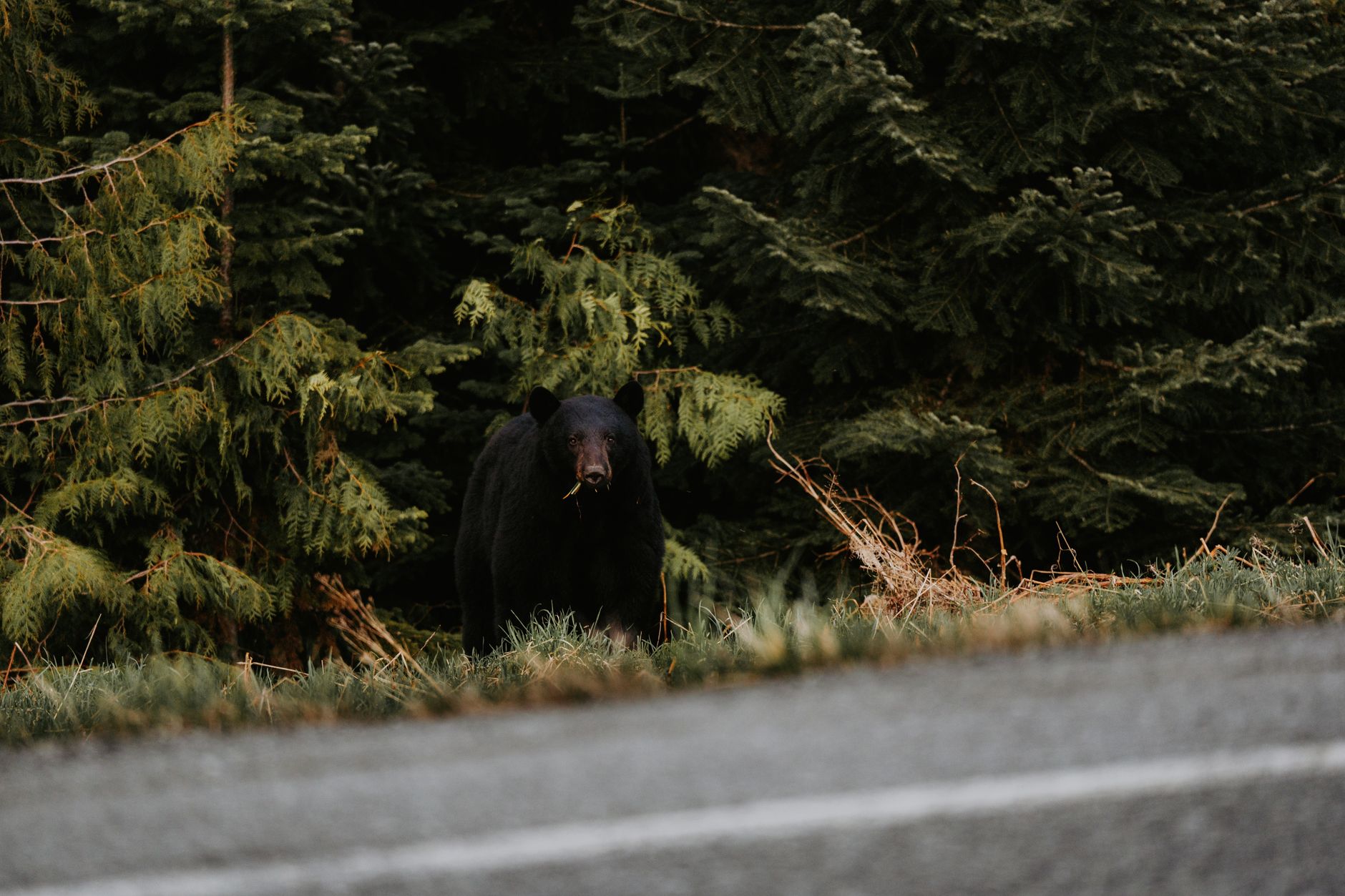
Should You Stare at a Black Bear? Understanding Bear Encounters
The answer is nuanced, but generally, no, you should not stare aggressively at a black bear. While avoiding direct eye contact might seem counterintuitive, understanding bear behavior and signaling respect for their space is crucial for a safe encounter.

Understanding Black Bear Behavior and Human Interaction
Black bears, while often perceived as less dangerous than grizzly bears, are still wild animals and deserve respect. Understanding their behavior and how they perceive human actions is paramount in minimizing the risk of conflict. Knowing how to react appropriately can significantly impact the outcome of an encounter.
- Black Bear Biology: Black bears ( Ursus americanus ) are the most common bear species in North America. They are typically omnivorous, with a diet consisting primarily of vegetation, berries, insects, and occasionally small animals.
- Typical Bear Behavior: Black bears are generally shy and avoid contact with humans. However, they can become habituated to human presence, especially if they associate humans with food. This is why secure food storage in bear country is crucial.
- Understanding Bear Body Language: A bear standing on its hind legs isn’t necessarily a sign of aggression. It’s more likely trying to get a better view or scent of its surroundings. Signs of aggression include:
- Chomping teeth
- Hissing or woofing
- Flattened ears
- Stomping feet
- Swatting the ground
- Charging (bluff or real)

What colours are fish most attracted to?
Can you put your finger in a trout's mouth?
Is methylene blue anti bacterial?
Does aquarium salt raise pH in aquarium?
The Importance of Respecting Bear Space

One of the most important aspects of bear safety is respecting their personal space. Approaching a bear too closely or invading its territory can trigger a defensive reaction. Avoiding actions that could be interpreted as aggressive is vital.
- Maintaining Distance: Always try to maintain a safe distance from bears. A good rule of thumb is to stay at least 100 yards (300 feet) away.
- Announcing Your Presence: When hiking in bear country, make noise to alert bears to your presence. Sing, talk, or clap your hands periodically. A surprised bear is more likely to react defensively.
- Avoiding Encounters: Be aware of your surroundings. Look for signs of bear activity, such as tracks, scat, or claw marks on trees. Avoid areas with dense vegetation or limited visibility.
Should You Stare at a Black Bear? The Answer Explained
Direct, unwavering staring can be interpreted by a black bear as a challenge or threat. This is especially true if the bear is already exhibiting signs of stress or defensiveness. However, completely averting your gaze isn’t the best strategy either.
- Avoiding Aggressive Staring: An aggressive, direct stare can escalate the situation. This is especially true if the bear is already feeling threatened.
- The Middle Ground: A Cautious Glance: The ideal approach is to acknowledge the bear’s presence with a brief, cautious glance, then look slightly away, demonstrating that you are not a direct threat.
- Assessing the Situation: Pay attention to the bear’s body language. Is it calm and unconcerned, or is it showing signs of agitation? Your response should be tailored to the bear’s behavior.
What To Do During a Black Bear Encounter
Knowing how to react during a bear encounter can significantly reduce the risk of injury. The best approach is to remain calm and assess the situation.
- Stay Calm: Panic can lead to poor decisions. Take a deep breath and try to remain composed.
- Speak Calmly: Talk to the bear in a calm, reassuring voice. Let it know that you are human and not a threat.
- Make Yourself Look Big: Raise your arms above your head to make yourself appear larger. This can help deter the bear.
- Slowly Back Away: Slowly and deliberately back away from the bear while continuing to face it. Avoid sudden movements or running, which could trigger a chase response.
- Carry Bear Spray: Bear spray is a highly effective deterrent. Know how to use it properly and keep it readily accessible.
- If Attacked: In the rare event of an attack by a black bear, fight back aggressively. Focus on the bear’s face and eyes. Use any available object as a weapon.
Common Mistakes to Avoid
Several common mistakes can escalate a bear encounter. Avoiding these pitfalls can significantly improve your safety.
- Running: Running away can trigger a chase response. Bears are faster than humans, especially uphill or downhill.
- Screaming: Screaming can startle or provoke the bear.
- Playing Dead Prematurely: Playing dead is generally only recommended for grizzly bear attacks. In the case of a black bear attack, fighting back is usually the best course of action.
- Feeding Bears: Never feed bears. Feeding bears habituates them to human presence and can lead to dangerous encounters in the future.
Frequently Asked Questions (FAQs)
Will avoiding eye contact with a black bear make it more likely to attack?
No. While an aggressive stare can be interpreted as a threat, completely avoiding eye contact might make you appear submissive or vulnerable. The best approach is to acknowledge the bear with a brief glance and then look slightly away.
Is bear spray effective against black bears?
Yes, bear spray is highly effective against black bears. Studies have shown it to be more effective than firearms in deterring bear attacks. Ensure you know how to use it properly and carry it readily accessible.
What should I do if a black bear approaches my campsite?
If a black bear approaches your campsite, make sure all food and attractants are properly stored. Make noise by yelling and banging pots and pans. If the bear persists, use bear spray. Never approach or attempt to feed the bear.
Is it true that black bears are always afraid of humans?
No, that’s not always true. Black bears are naturally cautious but can become habituated to human presence, especially if they associate humans with food. Habituated bears are more likely to approach humans and can pose a risk.
What is the best way to store food in bear country?
The best way to store food in bear country is to use a bear-resistant canister or hang your food bag from a tree. The bag should be suspended at least 10 feet off the ground and 4 feet from the trunk of the tree. This prevents bears from accessing your food supply.
What should I do if a black bear starts following me while hiking?
If a black bear starts following you, stop and assess the situation. Speak calmly to the bear, make yourself look big, and slowly back away. If the bear continues to follow, use bear spray. Do not run.
Are black bear attacks common?
No, black bear attacks are relatively rare. Most black bears are shy and avoid contact with humans. However, attacks can occur, especially if the bear feels threatened or is protecting its cubs.
Should I climb a tree to escape a black bear?
Climbing a tree is generally not recommended. Black bears are excellent climbers and can easily pursue you up a tree. Your time is better spent using bear spray or preparing to fight back if necessary.
How can I tell the difference between a black bear and a grizzly bear?
Black bears have a straighter facial profile, longer ears, and lack the prominent shoulder hump characteristic of grizzly bears. Grizzly bears are also typically larger and have longer claws.
Is it safe to hike alone in bear country?
Hiking in groups is generally safer than hiking alone in bear country. Bears are less likely to approach a group of people. If you must hike alone, make sure to carry bear spray and be extra vigilant.
What should I do if I encounter a black bear with cubs?
If you encounter a black bear with cubs, avoid approaching them. Slowly and quietly back away, giving them plenty of space. Mother bears are fiercely protective of their cubs and may attack if they feel threatened.
If a black bear attacks me, what are my chances of survival?
While survival rates vary depending on the circumstances of the attack, fighting back aggressively significantly increases your chances of survival. Focus on the bear’s face and eyes, and use any available object as a weapon. Bear spray is also very effective.