

Should You Cuddle Your Pet? The Definitive Guide
The answer is generally yes, you absolutely should cuddle your pet! Cuddling offers numerous benefits for both you and your animal companion, strengthening your bond and promoting well-being.

Introduction: The Power of the Cuddle
“A pet is a remedy for loneliness, a support for depression, and a source of joy.” These words, often attributed to prominent animal behaviorists, perfectly capture the essence of the human-animal bond. Cuddling, a physical expression of affection, deepens this connection, triggering a cascade of positive physiological and psychological effects. But should you cuddle your pet? It’s a question that deserves careful consideration, as individual animals possess unique personalities and preferences. While many animals thrive on physical affection, others may find it overwhelming or even stressful.
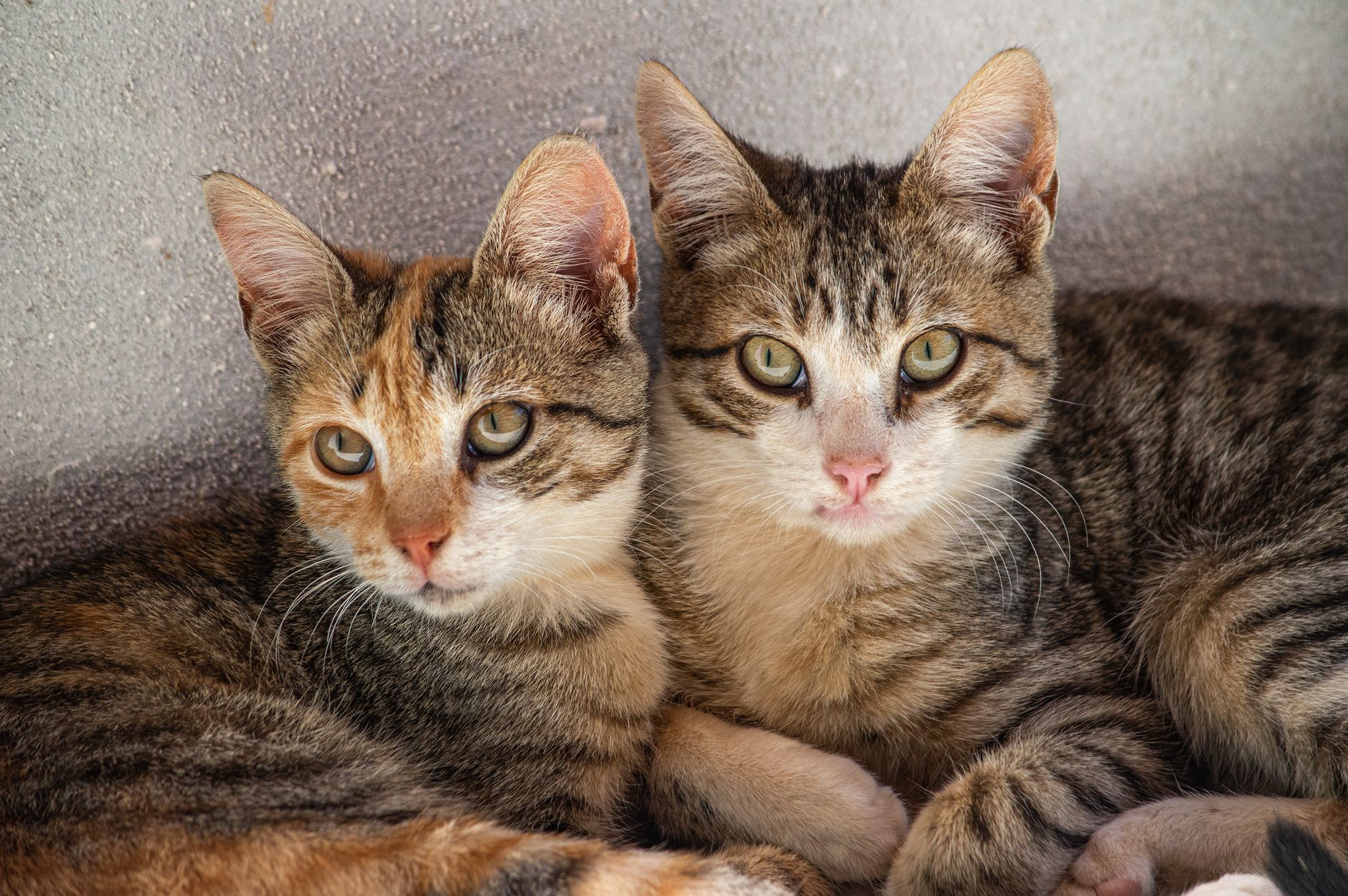
Is distilled water good for goldfish?
What colours are fish most attracted to?
Can you put your finger in a trout's mouth?
Is methylene blue anti bacterial?
The Science Behind the Snuggle: Benefits for Both You and Your Pet

Cuddling isn’t just a feel-good activity; it’s backed by science. Research indicates that physical contact releases oxytocin, often dubbed the “love hormone,” in both humans and animals. This hormone promotes feelings of bonding, trust, and relaxation.
-
For Pets:
- Reduced stress and anxiety levels.
- Lowered heart rate and blood pressure.
- Increased feelings of security and safety.
- Strengthened bond with their human companion.
-
For Humans:
- Reduced stress and anxiety levels.
- Lowered heart rate and blood pressure.
- Increased feelings of happiness and well-being.
- Combatting loneliness and social isolation.
Understanding Your Pet’s Cuddle Quotient: Reading Body Language
The most crucial aspect of cuddling any animal is understanding their individual preferences and boundaries. Not every pet enjoys being cuddled in the same way, or at all. Learning to interpret your pet’s body language is essential.
-
Signs Your Pet Enjoys Cuddling:
- Relaxed posture: soft eyes, loose muscles.
- Purring (cats) or gentle tail wags (dogs).
- Leaning into you or seeking physical contact.
- Slow blinking or relaxed breathing.
-
Signs Your Pet is Uncomfortable:
- Stiff body posture.
- Ears pinned back or tail tucked.
- Lip licking or yawning (stress signals).
- Trying to move away or escape.
- Growling, hissing, or snapping (warning signs).
The Art of the Cuddle: Techniques and Considerations
Once you’ve established that your pet enjoys physical affection, it’s time to refine your cuddling technique.
- Start Slowly: Begin with gentle petting and scratching in areas your pet enjoys, such as under the chin or behind the ears.
- Respect Boundaries: Pay attention to your pet’s body language and stop if they show signs of discomfort.
- Choose the Right Time: Avoid cuddling when your pet is eating, sleeping, or engaged in other activities.
- Be Mindful of Pressure: Use gentle pressure and avoid squeezing or hugging too tightly.
- Focus on Preferred Areas: Most animals have specific areas they enjoy being touched, such as the chest, back, or head.
Species-Specific Cuddle Considerations
Different species have varying levels of tolerance for physical affection. Understanding these differences is crucial for providing a positive cuddling experience.
| Species | Common Cuddle Preferences | Things to Avoid |
|---|---|---|
| Dogs | Leaning, gentle hugging, petting on the chest and back. | Tight hugs, patting forcefully, invading personal space. |
| Cats | Gentle petting under the chin, on the head, or along the back. | Belly rubs (often a trap!), sudden movements. |
| Rabbits | Head scratches, gentle strokes along the back. | Picking them up unless necessary, loud noises. |
| Guinea Pigs | Gentle petting, providing a safe and comfortable space. | Sudden movements, picking them up forcefully. |
| Birds | Head and neck scratches (depending on the species and individual). | Touching their wings or tail feathers, loud noises. |
Potential Risks and How to Avoid Them
While cuddling is generally safe and beneficial, there are a few potential risks to consider.
- Zoonotic Diseases: Some diseases can be transmitted from animals to humans through close contact. Practice good hygiene by washing your hands after cuddling.
- Allergies: Some people are allergic to animal dander, saliva, or urine. If you have allergies, consult with an allergist about strategies for managing your symptoms.
- Bites and Scratches: If your pet is feeling stressed or threatened, they may bite or scratch. Learn to recognize the warning signs and respect their boundaries.
Why Should You Cuddle Your Pet? It’s About Building a Relationship.
Ultimately, the decision of should you cuddle your pet? comes down to understanding and respecting their individual needs and preferences. Cuddling, when done appropriately, can be a powerful way to strengthen the bond between you and your animal companion, fostering trust, and promoting mutual well-being. It’s about creating a positive and enriching experience for both of you.
Frequently Asked Questions (FAQs)
Is it okay to hug my dog tightly?
While some dogs enjoy gentle hugging, tight hugs can make them feel trapped or anxious. It’s best to avoid hugging your dog too tightly and to pay close attention to their body language. Look for signs of discomfort, such as stiffness, lip licking, or trying to move away.
Why does my cat hate belly rubs?
Most cats are protective of their bellies, as this area is vulnerable. Exposing their belly is a sign of trust, but not necessarily an invitation for a belly rub. Many cats find belly rubs overstimulating or irritating.
How can I tell if my rabbit is enjoying being petted?
A relaxed rabbit will often lie down, close their eyes, and grind their teeth softly when they are enjoying being petted. They may also nudge your hand for more attention.
Is it safe to cuddle with my pet if I have allergies?
If you have allergies, it’s best to consult with an allergist to determine the best course of action. Strategies for managing allergies include frequent bathing of your pet, using air purifiers, and taking allergy medication.
Can cuddling help with my pet’s anxiety?
Yes, cuddling can help to reduce anxiety in pets by releasing oxytocin and promoting feelings of security. However, it’s important to address the underlying cause of the anxiety and to use cuddling in conjunction with other methods, such as training and medication.
What if my pet doesn’t like to be touched at all?
Some pets are simply not comfortable with physical contact. If your pet consistently avoids being touched, it’s important to respect their boundaries and find other ways to bond with them, such as through play or training.
How often should I cuddle my pet?
The frequency of cuddling depends on your pet’s individual preferences and your own schedule. Pay attention to your pet’s body language and cuddle them when they seem receptive. Even a few minutes of cuddling a day can have a positive impact.
Can cuddling make my pet dependent on me?
While cuddling can strengthen the bond between you and your pet, it’s unlikely to make them overly dependent as long as you also provide them with opportunities for independence and enrichment.
Is it okay to cuddle with my pet when I’m sick?
If you are sick, it’s best to avoid cuddling with your pet to prevent the spread of infection. Some illnesses can be transmitted from humans to animals, and vice versa.
How can I teach my pet to enjoy cuddling?
Start slowly by associating touch with positive experiences, such as treats or praise. Gradually increase the duration and intensity of your touch, paying attention to your pet’s body language. Never force your pet to cuddle.
Should you cuddle your pet if they are old?
Senior pets often benefit greatly from cuddling, as it can provide comfort and companionship. However, be gentle and mindful of any physical limitations they may have.
What is the best time of day to cuddle my pet?
The best time to cuddle your pet depends on their individual routine and preferences. Many pets enjoy cuddling in the morning or evening, when they are more relaxed.