
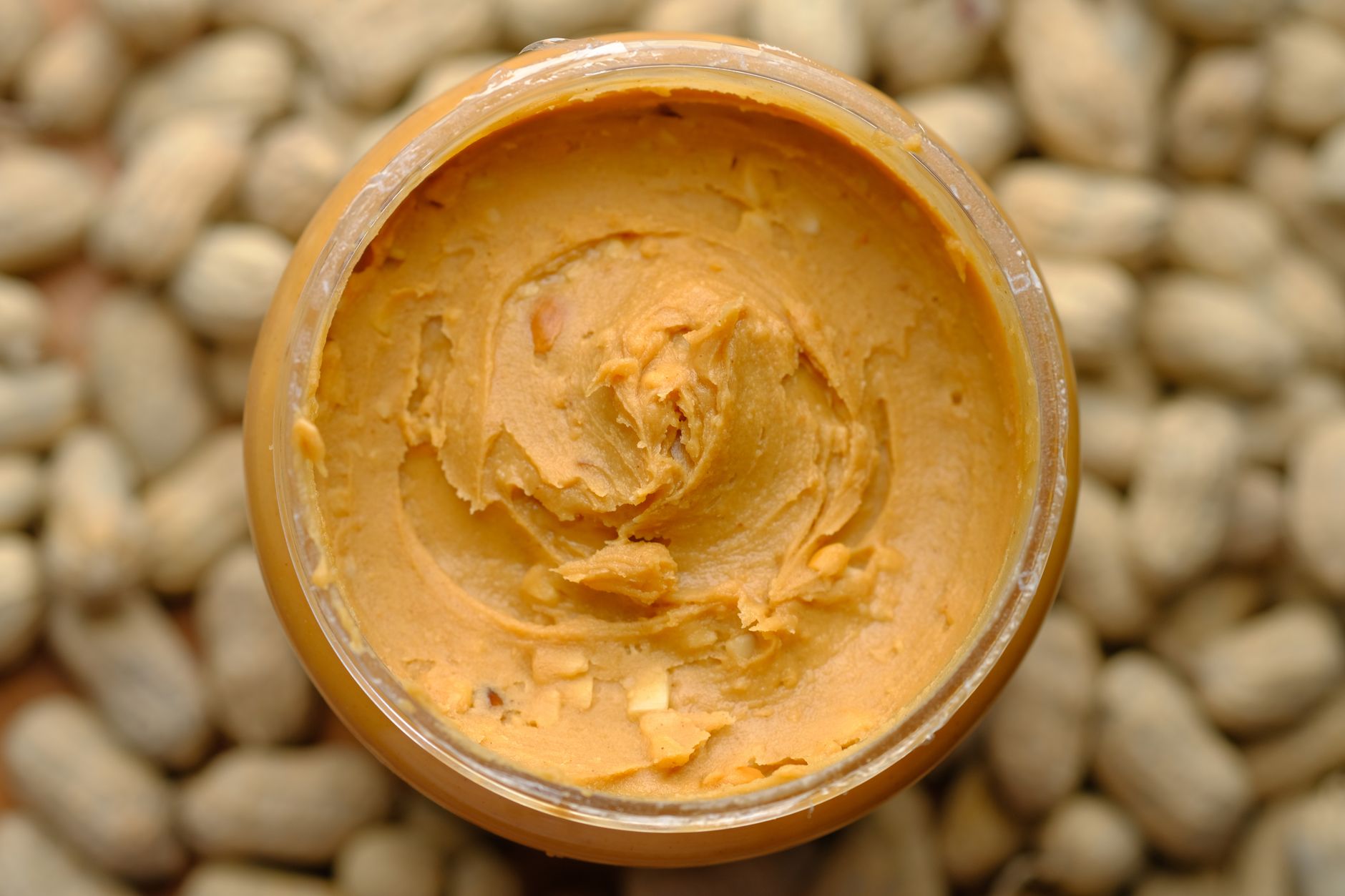
Should Peanut Butter Be Avoided With Diarrhea? A Comprehensive Guide
Generally, avoiding peanut butter when experiencing diarrhea is a sensible precaution for some individuals, but it’s not a universal rule. Whether peanut butter should be avoided with diarrhea depends largely on the individual’s tolerance and the underlying cause of their symptoms.
Understanding Diarrhea and Its Causes
Diarrhea, characterized by frequent, loose, and watery stools, can stem from various sources, including:
- Viral or bacterial infections
- Food poisoning
- Medications
- Irritable bowel syndrome (IBS)
- Food sensitivities or allergies
Identifying the root cause is crucial in determining the appropriate dietary approach during a diarrheal episode.
What colours are fish most attracted to?
Can you put your finger in a trout's mouth?
Is methylene blue anti bacterial?
Does aquarium salt raise pH in aquarium?
The Potential Problems with Peanut Butter During Diarrhea

While peanut butter offers nutritional benefits under normal circumstances, several factors might make it problematic during diarrhea:
- High Fat Content: Peanut butter is rich in fats. Fatty foods can stimulate bowel contractions and worsen diarrhea symptoms in some individuals.
- Fiber Content: Although fiber is typically beneficial, excessive fiber intake can exacerbate diarrhea in certain cases, particularly if the gut is already irritated.
- Potential Allergens: Peanuts are a common allergen. An allergic reaction can trigger or worsen gastrointestinal distress, including diarrhea.
- Added Sugars and Additives: Some peanut butter brands contain added sugars, oils, and other additives. These additives can irritate the digestive system and contribute to diarrhea.
- Aflatoxins: While rare in commercially produced peanut butter adhering to food safety standards, aflatoxins are toxins produced by certain molds that can contaminate peanuts and cause gastrointestinal upset.
The Potential Benefits of Peanut Butter During Diarrhea (For Some)
Despite the potential drawbacks, peanut butter might be beneficial for some people experiencing diarrhea, but only under specific circumstances and in small quantities:
- Provides Energy: Diarrhea can lead to nutrient depletion. Peanut butter offers a source of calories and protein to help maintain energy levels.
- Potassium Content: Peanut butter contains potassium, an electrolyte that can be lost during diarrhea. Replenishing electrolytes is important for rehydration.
- Binding Agent (In Some Cases): In mild cases of diarrhea, the fiber in peanut butter might help to absorb excess water in the gut, potentially solidifying stools.
It’s crucial to emphasize that these benefits are contingent on the individual’s tolerance and the severity and cause of their diarrhea.
How to Determine Your Tolerance
Before consuming peanut butter during diarrhea, consider the following:
- Start Small: Begin with a very small amount (e.g., half a teaspoon) to assess your reaction.
- Choose Natural Varieties: Opt for natural peanut butter without added sugars, oils, or preservatives. Look for brands with only peanuts and salt as ingredients.
- Monitor Your Symptoms: Pay close attention to any changes in your symptoms after consuming peanut butter. If your diarrhea worsens, discontinue use immediately.
- Consider the Cause: If you suspect a food sensitivity or allergy is contributing to your diarrhea, avoid peanut butter altogether until the issue is resolved.
- Hydrate Properly: Drink plenty of fluids to prevent dehydration.
When to Absolutely Avoid Peanut Butter
There are specific situations where peanut butter should definitely be avoided with diarrhea:
- Known Peanut Allergy: If you have a peanut allergy, consuming peanut butter will trigger an allergic reaction and potentially worsen your diarrhea.
- Severe Diarrhea: In cases of severe diarrhea, it’s best to follow a bland diet that is easily digestible. Fatty foods like peanut butter should be avoided.
- Suspected Food Poisoning: If you suspect food poisoning, avoid peanut butter and other potentially problematic foods until your symptoms subside.
- Inflammatory Bowel Disease (IBD) Flare-Up: During an IBD flare-up, the digestive system is highly sensitive. Peanut butter can irritate the gut and worsen symptoms.
A Comparison Table of Pros and Cons
| Feature | Potential Pros | Potential Cons |
|---|---|---|
| Energy | Provides calories and protein to combat fatigue | Can be difficult to digest, potentially worsening symptoms |
| Electrolytes | Contains potassium, which can help replenish lost electrolytes | Not a significant source of electrolytes compared to dedicated electrolyte solutions |
| Fiber (Limited) | May help bind stools in mild cases | High fiber content can exacerbate diarrhea in some individuals |
| Taste/Satisfaction | Can provide a sense of satiety and satisfaction during a restricted diet | May trigger cravings for other potentially problematic foods |
| Added Ingredients | – | Many commercial brands contain added sugars and oils that can irritate the digestive system |
| Aflatoxins | Risk is minimal in properly manufactured peanut butter | Potential for contamination with aflatoxins, which can cause gastrointestinal upset |
Frequently Asked Questions (FAQs)
Can peanut butter cause diarrhea in healthy individuals?
For some individuals, consuming large amounts of peanut butter, especially those with added sugars and oils, can cause diarrhea even in the absence of underlying health conditions. The high fat content and potential for digestive irritation from additives are the primary culprits.
Is natural peanut butter better than regular peanut butter when dealing with diarrhea?
Yes, natural peanut butter is generally a better option because it contains fewer added sugars, oils, and preservatives. These additives can exacerbate diarrhea symptoms. Look for brands with only peanuts and salt.
How much peanut butter can I eat if I have mild diarrhea?
Start with a very small amount, such as half a teaspoon, and monitor your symptoms. If you tolerate it well, you might gradually increase the amount, but it’s best to avoid large portions until your diarrhea resolves.
Are there any specific types of diarrhea where peanut butter is more likely to be problematic?
Peanut butter is more likely to be problematic in cases of diarrhea caused by food allergies, inflammatory bowel disease flare-ups, or suspected food poisoning. In these situations, it’s best to avoid peanut butter altogether.
Can peanut butter help with dehydration caused by diarrhea?
While peanut butter contains potassium, which is an electrolyte, it’s not a primary source of hydration. Focus on drinking plenty of fluids, such as water, electrolyte solutions, and clear broths, to replenish fluids lost through diarrhea.
What are some better food choices than peanut butter when you have diarrhea?
Easily digestible foods like bananas, rice, applesauce, and toast (BRAT diet) are generally better choices when you have diarrhea. These foods are gentle on the digestive system and can help to solidify stools.
Does the texture of peanut butter (smooth vs. chunky) matter when you have diarrhea?
The texture generally doesn’t significantly impact diarrhea symptoms, but some individuals may find smooth peanut butter easier to digest. The key consideration is the overall fat, fiber, and additive content.
Can peanut butter cause gas and bloating alongside diarrhea?
Yes, peanut butter can cause gas and bloating in some individuals, particularly those with sensitive digestive systems. This is due to the high fat and fiber content, as well as potential additives. If you experience gas and bloating after consuming peanut butter, it’s best to avoid it until your diarrhea resolves.
How long should I wait to try peanut butter again after experiencing diarrhea?
It’s best to wait until your diarrhea has completely resolved and you’ve been symptom-free for at least 24-48 hours before reintroducing peanut butter into your diet. Start with a small amount and monitor your symptoms carefully.
Should I consult a doctor before eating peanut butter during diarrhea?
If your diarrhea is severe, persistent, or accompanied by other symptoms such as fever, blood in the stool, or severe abdominal pain, consult a doctor. A healthcare professional can help determine the underlying cause of your diarrhea and recommend the appropriate treatment and dietary modifications.
Can peanut butter worsen diarrhea caused by antibiotics?
Antibiotic-associated diarrhea is often caused by an imbalance in gut bacteria. While peanut butter itself may not directly worsen this type of diarrhea, its fat content could still irritate the gut. Probiotics and easily digestible foods are generally more helpful in this situation.
Are there any alternatives to peanut butter that provide similar nutrients but are less likely to cause diarrhea?
Almond butter or cashew butter are potential alternatives with a slightly different nutritional profile and may be better tolerated by some individuals. However, they still contain fats and fiber, so moderation is key. Other sources of protein, such as lean chicken or fish, are also good options.
Ultimately, whether peanut butter should be avoided with diarrhea is a decision that should be made on a case-by-case basis, considering individual tolerance and the underlying cause of the condition.