

Should I Remove Algae From My Fish Tank?
Whether you should remove algae from your fish tank depends on the type and amount; while some algae is beneficial, excessive growth can be harmful. Properly managing algae growth helps maintain a healthy and aesthetically pleasing aquatic environment.

Introduction to Algae in Aquariums
Algae, a broad term encompassing various simple, plant-like organisms, is a ubiquitous presence in aquatic environments, including fish tanks. Its appearance in an aquarium is almost inevitable, as algae spores are airborne and can enter through various means, such as tap water, new plants, or even on equipment transferred from other tanks. While often viewed as a nuisance, algae can play a complex role in the aquarium ecosystem. The real question is: Should I remove algae from my fish tank? The answer is nuanced and depends on the context.

What fish do not need a filtered tank?
How many fish can you put in a 200 gallon tank?
Can I put pink Himalayan salt in a fish tank?
What fish is Flo?
The Benefits of Algae
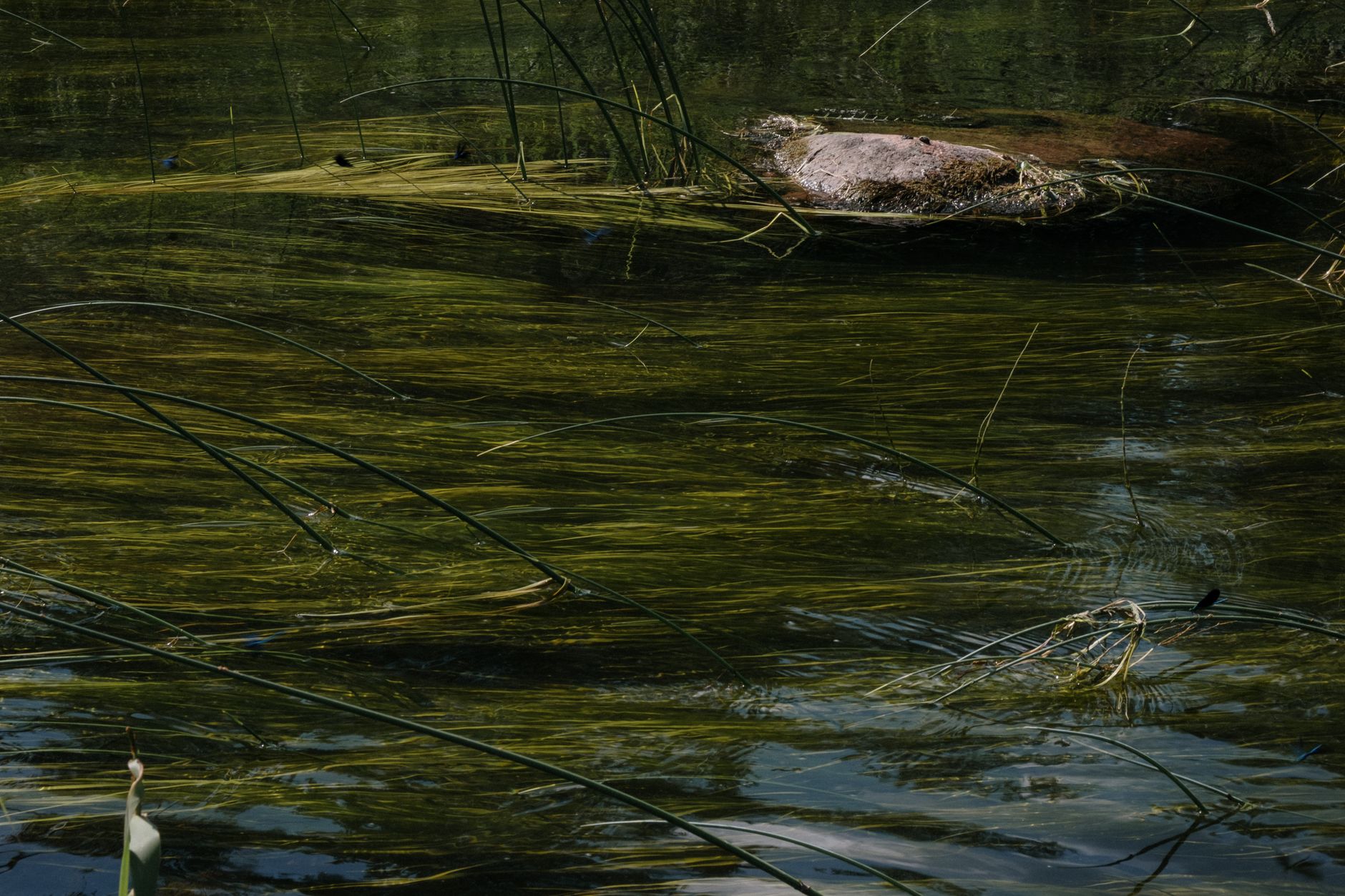
Contrary to popular belief, algae isn’t always a bad thing in a fish tank. In controlled amounts, it can offer several advantages:
- Oxygen Production: Algae, like plants, performs photosynthesis, which generates oxygen as a byproduct. This helps supplement the oxygen levels in the tank, benefiting the fish and other aquatic inhabitants.
- Natural Food Source: Many fish and invertebrates, such as algae eaters like Otocinclus catfish and snails, graze on algae. It provides a natural and readily available food source for them.
- Nutrient Consumption: Algae absorbs excess nutrients, such as nitrates and phosphates, from the water. These nutrients can fuel unwanted algae blooms if left unchecked, so controlled algae growth can act as a natural filter.
- Biological Stability: Algae contribute to the biological balance of the aquarium ecosystem.
The Drawbacks of Excessive Algae Growth
While a little algae is beneficial, unchecked growth can quickly become a problem. Overabundance can lead to:
- Aesthetic Issues: Excessive algae growth can make the tank look unsightly, obscuring the view of the fish and decorations.
- Oxygen Depletion: During the night, algae consumes oxygen instead of producing it. In dense blooms, this can lead to dangerously low oxygen levels, harming fish and other inhabitants.
- Inhibition of Plant Growth: Algae can block sunlight from reaching aquatic plants, hindering their growth and photosynthesis.
- Water Chemistry Imbalances: Some types of algae, particularly certain blue-green algae (cyanobacteria), can release toxins that negatively affect water quality and harm aquatic life.
Identifying Different Types of Algae
Knowing the type of algae you’re dealing with is crucial for determining the best course of action. Here are some common types found in aquariums:
- Green Algae: This is perhaps the most common type, often appearing as green spots on the glass, decorations, or plants. It’s generally not harmful in small amounts.
- Brown Algae (Diatoms): Often found in newly established tanks, diatoms appear as a brown, dusty coating on surfaces. They thrive on silicates and usually disappear on their own as the tank matures.
- Hair Algae: This filamentous algae forms long, stringy strands. It can quickly spread and become difficult to control.
- Black Beard Algae (BBA): A particularly stubborn and unattractive algae that forms dark, hairy patches. It’s often a sign of poor water quality or imbalances in CO2 levels.
- Blue-Green Algae (Cyanobacteria): Technically not algae, but a type of bacteria. It appears as slimy, blue-green sheets or mats and can be toxic.
Algae Removal Methods
Several methods can be used to remove algae from a fish tank. The best approach will depend on the type and severity of the algae growth.
- Manual Removal: This involves physically removing algae using an algae scraper, brush, or siphon. It’s effective for localized growths on the glass or decorations.
- Algae-Eating Animals: Introducing algae-eating fish, snails, or shrimp can help control algae growth naturally. Otocinclus catfish, Nerite snails, and Amano shrimp are popular choices.
- Chemical Treatments: Algaecides can be used to kill algae, but should be used with caution as they can also harm fish and plants. Always follow the instructions carefully and use as a last resort.
- Water Changes: Regular water changes help remove excess nutrients that fuel algae growth.
- Lighting Control: Adjusting the lighting duration and intensity can help control algae growth.
- CO2 Injection (for planted tanks): In planted tanks, maintaining adequate CO2 levels can help plants outcompete algae for nutrients.
Preventing Algae Growth
Preventing algae growth is always better than trying to eradicate it after it has taken hold. Here are some key preventative measures:
- Maintain Good Water Quality: Regular water changes, proper filtration, and avoiding overfeeding are essential for maintaining good water quality.
- Control Lighting: Limit the duration of lighting to 8-10 hours per day. Avoid direct sunlight, which can promote algae growth.
- Use Phosphate and Nitrate Removal Products: These products can help remove excess nutrients from the water.
- Introduce Live Plants: Healthy, growing plants compete with algae for nutrients and help maintain water quality.
- Don’t Overstock the Tank: Overcrowding can lead to increased waste production and nutrient levels, fueling algae growth.
Common Mistakes to Avoid
- Overfeeding: Excess food breaks down and releases nutrients that feed algae.
- Insufficient Water Changes: Regular water changes are crucial for removing excess nutrients.
- Excessive Lighting: Too much light can promote algae growth.
- Ignoring Water Quality Parameters: Regularly test the water for ammonia, nitrite, nitrate, and phosphate levels.
- Using Untreated Tap Water: Tap water can contain phosphates and other nutrients that contribute to algae growth. Use a dechlorinator or RO/DI water.
FAQ Sections:
What are the first steps I should take if I notice algae in my tank?
The first steps should include identifying the type of algae, performing a water change, and cleaning the glass with an algae scraper. Reducing lighting duration may also help.
How often should I clean the algae off the glass of my fish tank?
This depends on the growth rate of the algae, but typically, cleaning the glass once a week is sufficient to maintain a clear view.
Are algae-eating snails a good solution for algae control?
Yes, certain types of snails, like Nerite snails, are effective algae eaters and can help control algae growth on the glass and decorations. However, they may not eliminate all types of algae.
Can I use household chemicals to clean algae off my fish tank decorations?
Absolutely not! Household chemicals are toxic to fish and can contaminate the water. Only use aquarium-safe cleaning products.
What’s the difference between green algae and brown algae (diatoms)?
Green algae typically appears as green spots or films, while brown algae (diatoms) appears as a brown, dusty coating. Diatoms are often found in new tanks and usually disappear on their own.
Is it possible to completely eliminate algae from a fish tank?
While it’s difficult to completely eliminate algae, it is possible to control its growth and maintain a balanced aquarium ecosystem.
What are the best plants for competing with algae in a fish tank?
Fast-growing plants like Hornwort, Anacharis, and Water Wisteria are effective at competing with algae for nutrients.
How do I know if the algae in my tank is toxic?
Blue-green algae (cyanobacteria) is often toxic and can release harmful toxins into the water. If you suspect cyanobacteria, it’s crucial to take action immediately.
Are algaecides safe for fish?
Algaecides can be harmful to fish, especially if used improperly. Always follow the instructions carefully and use as a last resort.
What is the ideal lighting schedule for a fish tank to prevent algae growth?
A lighting schedule of 8-10 hours per day is generally recommended. Too much light can promote algae growth.
Why am I still getting algae even though I do regular water changes?
Several factors can contribute to algae growth even with regular water changes, including excessive lighting, overfeeding, and high phosphate levels. Test your water parameters to identify any imbalances.
How can I tell if my CO2 levels are balanced in a planted tank to combat algae?
A drop checker, which is a small device filled with a pH-sensitive solution, can indicate whether CO2 levels are optimal. A green color usually indicates the ideal CO2 level for plant growth and algae suppression. A key reason to ask “Should I remove algae from my fish tank?” is to see if correcting balance, will decrease the overall need to do so in the future.