

Should Hedgehogs Eat Slugs? A Thorny Dilemma
Whether hedgehogs should eat slugs is a complex question: while they can eat them and it provides a natural food source, the risk of parasite transmission and pesticide poisoning makes the answer a cautious, “it depends.”

The Allure of Slugs: A Hedgehog’s Natural Diet
Hedgehogs are natural predators of slugs, snails, and other invertebrates. In a wild setting, these slimy creatures form a significant part of their diet. The attraction is simple: slugs are abundant, easily accessible, and provide a source of protein.

What is the GREY African clawed frog?
Is distilled water good for goldfish?
What colours are fish most attracted to?
Can you put your finger in a trout's mouth?
The Nutritional Benefits of Slugs
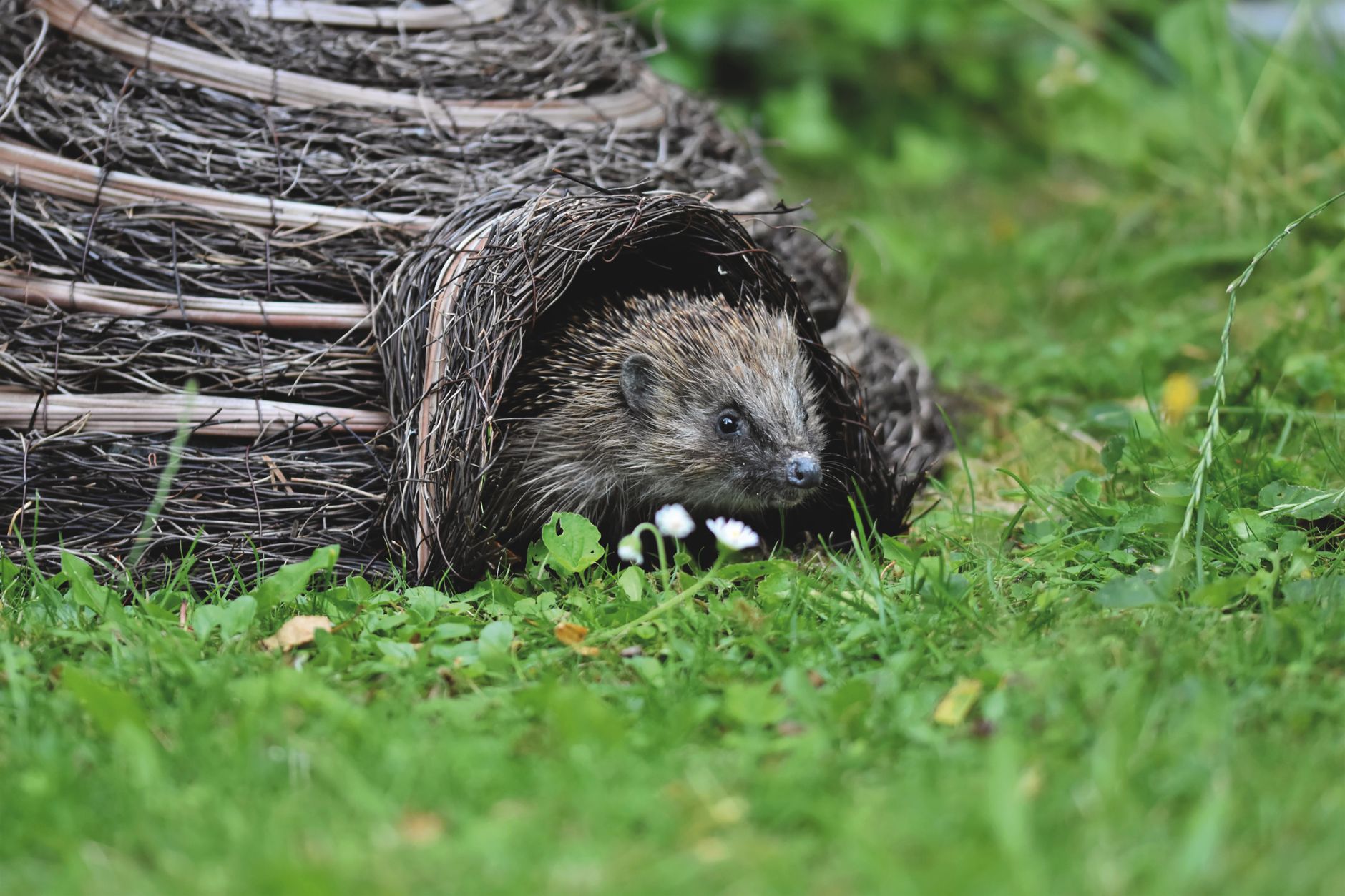
Slugs offer some nutritional value to hedgehogs, contributing to their overall health and wellbeing. Key nutrients include:
- Protein: Essential for muscle growth and repair.
- Calcium: Important for bone health.
- Iron: Necessary for blood production.
However, the nutritional benefits must be weighed against the potential risks associated with consuming slugs.
The Dark Side: Risks and Dangers
The primary concern surrounding should hedgehogs eat slugs? revolves around the dangers posed by parasites and pesticides.
- Parasites: Slugs often carry lungworm, a parasite that can be fatal to hedgehogs. Infection leads to breathing difficulties, coughing, and ultimately, death if left untreated.
- Pesticides: Many gardeners use slug pellets or other forms of pesticides to control slug populations. Hedgehogs that consume poisoned slugs can suffer from secondary poisoning, leading to severe illness or death. Even “organic” slug pellets can be harmful.
It’s crucial to be aware of these risks and take precautions to protect hedgehogs in your garden.
Safe Gardening Practices for Hedgehogs
To minimize the risks associated with should hedgehogs eat slugs?, consider implementing hedgehog-friendly gardening practices:
- Avoid using slug pellets: Opt for natural slug control methods such as beer traps (placed so hedgehogs can’t fall in), copper tape around vulnerable plants, or hand-picking slugs at night.
- Provide alternative food sources: Offer high-quality hedgehog food to supplement their diet and reduce their reliance on slugs.
- Create a hedgehog-friendly habitat: Encourage natural predators of slugs, such as birds and frogs.
- Check hedgehogs for signs of illness: If you suspect a hedgehog has lungworm or pesticide poisoning, seek veterinary care immediately.
Supplementing a Hedgehog’s Diet
Given the risks of relying solely on slugs, offering alternative food sources is essential. Good options include:
- Hedgehog-specific food: Available from pet stores and online retailers.
- Meat-based cat or dog food (wet or dry): Choose a high-quality brand with a high meat content.
- Cooked chicken or mince (plain): Offer small amounts as a treat.
Avoid giving hedgehogs milk, bread, or other foods that can be harmful to their digestive systems.
Recognizing Lungworm Infection
Early detection of lungworm infection is crucial for successful treatment. Watch out for these symptoms:
- Coughing
- Difficulty breathing
- Lethargy
- Loss of appetite
If you observe any of these signs, consult a veterinarian specializing in wildlife as soon as possible. Prompt treatment with anti-parasitic medication can significantly improve a hedgehog’s chances of survival.
The Importance of a Healthy Ecosystem
A healthy ecosystem can naturally control slug populations without the need for harmful pesticides. Encouraging biodiversity in your garden can create a balanced environment where hedgehogs can thrive.
Summary of the dangers of Slugs to Hedgehogs
| Risk | Description | Prevention |
|---|---|---|
| Lungworm | Parasitic worms that infect the lungs, causing breathing difficulties and potentially death. | Avoid using slug pellets, create a hedgehog-friendly habitat, and monitor hedgehogs for signs of infection. |
| Pesticides | Secondary poisoning from consuming slugs that have ingested slug pellets or other pesticides. | Use natural slug control methods, avoid using pesticides in your garden, and provide alternative food sources for hedgehogs. |
| Other Parasites | Slugs can also carry other internal and external parasites that can harm hedgehogs. | Ensure good hygiene practices in your garden and provide a clean environment for hedgehogs. |
Frequently Asked Questions
Are all slugs dangerous for hedgehogs to eat?
While not all slugs are guaranteed to carry parasites or toxins, the risk is always present. It’s impossible to visually determine whether a slug is safe, so erring on the side of caution is always best. Even slugs in seemingly pristine environments can harbor lungworm larvae.
What should I do if I see a hedgehog eating a slug in my garden?
Don’t panic, but do monitor the hedgehog closely for any signs of illness. If you notice coughing, difficulty breathing, or lethargy, contact a wildlife rehabilitator or veterinarian immediately. Also, take steps to prevent further slug consumption by offering alternative food sources and implementing natural slug control methods.
How can I tell if a hedgehog has been poisoned by slug pellets?
Symptoms of pesticide poisoning can include drooling, tremors, seizures, and incoordination. If you suspect poisoning, seek veterinary treatment immediately. The faster the hedgehog receives treatment, the better its chances of survival.
Is it safe to relocate slugs to a different area?
While relocation might seem like a humane solution, it’s generally not recommended. Moving slugs can spread parasites and diseases to new areas and disrupt the local ecosystem. It’s better to focus on natural slug control methods within your own garden.
Can hedgehogs develop immunity to lungworm over time?
There’s no evidence to suggest that hedgehogs develop immunity to lungworm. Repeated infections can weaken their immune system and make them more susceptible to other illnesses.
What other animals prey on slugs besides hedgehogs?
Encouraging other natural predators of slugs, such as birds, frogs, toads, and ground beetles, can help control slug populations without the need for pesticides. Creating a wildlife-friendly garden will attract these beneficial creatures.
Is it okay to give hedgehogs milk?
No, it is never okay to give hedgehogs milk. Hedgehogs are lactose intolerant and milk can cause digestive problems and diarrhea, which can be fatal. Provide fresh water instead.
Are there any slug pellets that are completely safe for hedgehogs?
Even so-called “hedgehog-friendly” or “organic” slug pellets can pose a risk. Some contain iron phosphate, which can be toxic to hedgehogs if ingested in large quantities. The safest option is to avoid using slug pellets altogether.
What is the best way to provide water for hedgehogs?
A shallow dish of fresh water is ideal. Ensure the dish is heavy enough to prevent it from being easily tipped over. Clean the dish regularly to prevent the growth of bacteria.
How often should I feed hedgehogs in my garden?
If you choose to supplement their diet, offer food every evening. Remove any uneaten food in the morning to prevent it from attracting pests. Remember that hedgehogs are wild animals, and their natural diet should still be prioritized when possible.
Should hedgehogs eat slugs found in compost bins?
Slugs in compost bins are even more likely to be contaminated with decaying matter, parasites, and potentially, rotting materials that are toxic. These slugs are particularly unsafe and should be avoided.
Can hedgehogs be treated for lungworm?
Yes, lungworm can be treated with anti-parasitic medications prescribed by a veterinarian. Early diagnosis and treatment are crucial for a successful recovery. The treatment typically involves a course of injections or oral medication.