

Can Ferrets Have Celery? Is Celery Safe For Ferrets?
No, ferrets should generally not be given celery. While not inherently toxic, celery poses significant health risks, primarily due to its high fiber content and potential for intestinal blockage in these obligate carnivores.
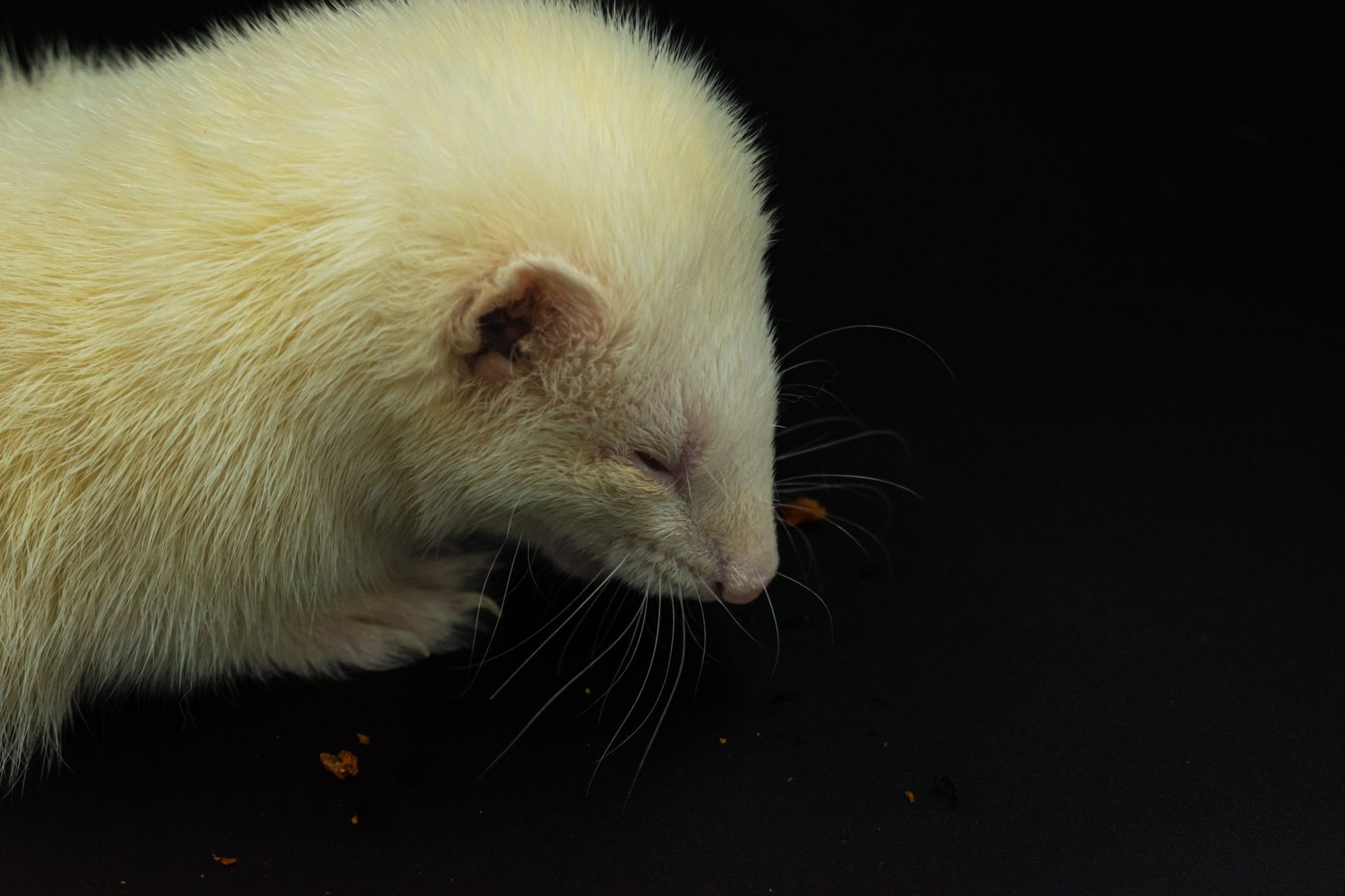
Introduction: The Dietary Needs of Ferrets
Ferrets are fascinating and engaging pets, but their unique physiology demands careful attention to their diet. Understanding their nutritional needs is crucial for ensuring their health and well-being. As obligate carnivores, ferrets thrive on a diet high in animal protein and fat, with minimal carbohydrates and fiber. Deviating from this can lead to serious digestive issues and long-term health problems. The question “Can ferrets have celery?” often arises, and it’s essential to understand why celery is generally not a recommended treat for these animals.

Do all amphibians have eyelids?
Why do cuttlefish have W-shaped eyes?
Do all snakes have poison in them?
What is the GREY African clawed frog?
The Digestive System of the Ferret

Ferrets possess a short digestive tract, specifically designed for processing animal-based foods. Their digestive system lacks the necessary enzymes to efficiently break down plant matter, especially cellulose, the primary component of celery fiber. This inefficiency in digestion can lead to a variety of problems.
Why Celery Presents a Problem
Celery is primarily composed of water and fiber, with minimal nutritional value for ferrets. The fibrous nature of celery makes it difficult for ferrets to digest, and the undigested fiber can accumulate in their intestines. This can lead to:
- Intestinal Blockage: The build-up of fiber can create a physical obstruction in the ferret’s small intestines.
- Digestive Upset: Difficulty digesting celery can cause diarrhea, vomiting, and abdominal discomfort.
- Nutrient Malabsorption: Even if a ferret consumes small amounts of celery, it may interfere with the absorption of essential nutrients from their regular food.
Safe Alternatives to Celery
While can ferrets have celery? is answered with a resounding no, providing occasional treats can enrich a ferret’s life. However, choosing appropriate snacks is paramount. Safe alternatives include:
- Small amounts of cooked meat: Chicken, turkey, or lamb can be offered in very small portions.
- Commercial ferret treats: Opt for treats specifically formulated for ferrets. These are designed to be low in fiber and high in protein.
- Meat-based baby food: Ensure it is onion and garlic-free. Onions and garlic are toxic to ferrets.
Recognizing Signs of Digestive Distress
If a ferret has ingested celery, it’s crucial to monitor them for any signs of digestive distress. These can include:
- Lethargy
- Loss of appetite
- Vomiting
- Diarrhea
- Straining to defecate
- Abdominal pain (indicated by hunching or vocalization)
If any of these symptoms are observed, seek immediate veterinary attention. Intestinal blockages can be life-threatening if left untreated.
Prevention is Key
The best approach is to prevent ferrets from accessing celery in the first place. Keep celery and other potentially harmful foods out of their reach. Educate family members and visitors about the dangers of feeding ferrets inappropriate foods. Remember, answering the question, “Can ferrets have celery?” with a clear “no” can prevent significant health problems.
Summary Table of Foods to Avoid and Safe Treats
| Food to Avoid | Reason | Safe Treats (in moderation) |
|---|---|---|
| :———————– | :—————————————– | :————————— |
| Celery | High fiber, potential for blockage | Cooked meat (chicken, turkey) |
| Fruits (most) | High sugar content | Commercial ferret treats |
| Vegetables (most) | Difficult to digest, low nutritional value | Meat-based baby food |
| Chocolate | Toxic to ferrets | |
| Onions & Garlic | Toxic to ferrets | |
| Dairy products (most) | Lactose intolerance |
Conclusion: Prioritizing Ferret Health
Ultimately, the question of “Can ferrets have celery?” underscores the importance of understanding and respecting the unique dietary needs of these animals. By avoiding potentially harmful foods like celery and providing a balanced, meat-based diet, ferret owners can ensure their pets live long, healthy, and happy lives.
Frequently Asked Questions (FAQs)
Is it okay if my ferret only ate a tiny piece of celery?
Even a tiny piece of celery can potentially cause digestive upset in some ferrets, especially those with sensitive stomachs. While it might not lead to a full-blown blockage, it’s still best to avoid celery entirely. Monitor your ferret for any signs of discomfort and contact your veterinarian if you have concerns.
What if my ferret seems to like the taste of celery?
Ferrets can be curious and might mouth or chew on various objects, including celery. However, their preference for a particular food doesn’t necessarily mean it’s good for them. It’s your responsibility as a pet owner to provide a safe and appropriate diet.
Can celery juice be diluted and given to my ferret?
No, celery juice is not recommended for ferrets. Even diluted, it still contains fiber and lacks the essential nutrients they need. Stick to providing a diet specifically formulated for ferrets.
What are the long-term effects of feeding my ferret small amounts of celery regularly?
Regularly feeding your ferret small amounts of celery can lead to chronic digestive issues and nutrient deficiencies over time. Their digestive system simply isn’t designed to handle plant-based fiber, and it can disrupt the absorption of vital nutrients.
Are there any vegetables that are safe for ferrets in moderation?
While most vegetables are not ideal, very small amounts of well-cooked, plain pumpkin or squash might be tolerated by some ferrets. However, these should only be given as very occasional treats and should not be a regular part of their diet. Always prioritize meat-based foods.
What should I do if I suspect my ferret has an intestinal blockage from eating celery?
If you suspect your ferret has an intestinal blockage, seek immediate veterinary attention. Symptoms can include vomiting, lethargy, loss of appetite, and straining to defecate. Intestinal blockages can be life-threatening and often require surgery to resolve.
How much fiber is too much for a ferret?
Ferrets require very little fiber in their diet. Their food should ideally contain less than 3-4% fiber. Celery has a relatively high fiber content compared to what a ferret can safely process.
Can ferrets have other parts of the celery plant, like the leaves?
No, all parts of the celery plant, including the leaves, are unsafe for ferrets. The leaves contain just as much fiber as the stalk.
Is it okay to give my ferret cooked celery?
Cooking celery might soften the fibers slightly, but it still doesn’t make it a safe food for ferrets. The fundamental problem of digestive incompatibility remains.
Where can I find more information about the proper diet for ferrets?
Consult with your veterinarian or a ferret-savvy veterinarian for personalized dietary recommendations. You can also find reliable information from reputable ferret organizations and online resources.
If a ferret food lists vegetables as an ingredient, is it still okay to feed it to my ferret?
Some commercial ferret foods may contain small amounts of vegetables as fillers. Check the ingredient list carefully. Choose foods with a high percentage of animal protein and low fiber content. Look for foods specifically formulated for ferrets.
Are all ferrets equally susceptible to problems from eating celery?
While all ferrets can experience problems from eating celery due to their digestive systems, some may be more sensitive than others. Younger ferrets or those with pre-existing digestive issues might be particularly vulnerable. It’s best to avoid celery altogether for all ferrets.