

Is There a Rattlesnake Season in California? A Comprehensive Guide
Is there a rattlesnake season in California? Yes, there is a definite rattlesnake season, with peak activity occurring during the warmer months, typically from spring through fall.

Understanding Rattlesnake Activity in California
California, with its diverse climates and landscapes, is home to several species of rattlesnakes. Understanding their activity patterns is crucial for both residents and visitors to stay safe and coexist with these fascinating reptiles. Is there a rattlesnake season in California? Absolutely, and its timing is largely dictated by temperature.

Is distilled water good for goldfish?
What colours are fish most attracted to?
Can you put your finger in a trout's mouth?
Is methylene blue anti bacterial?
Why Temperature Matters
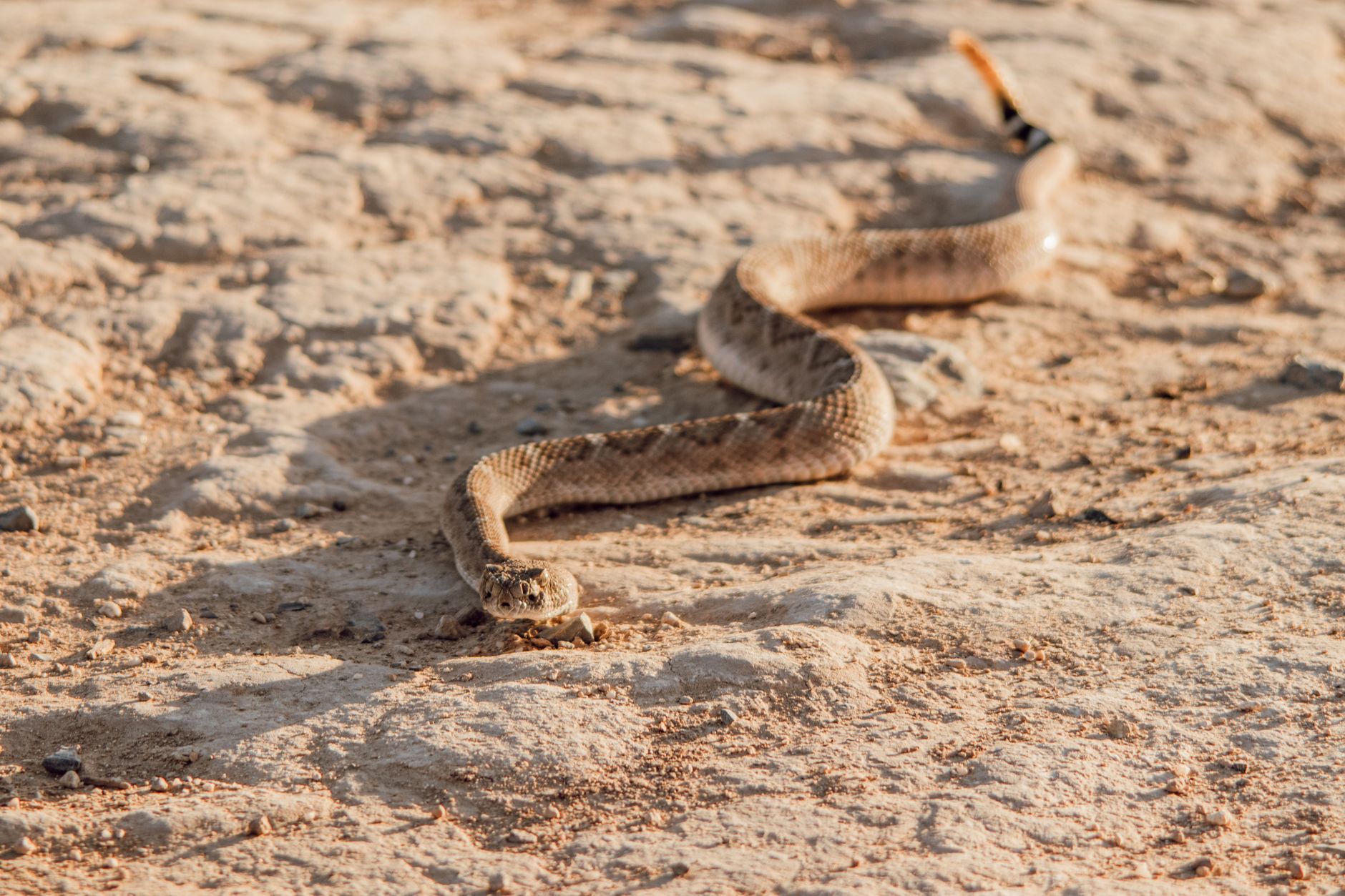
Rattlesnakes are ectothermic, often referred to as “cold-blooded.” This means their body temperature depends on the external environment. When temperatures drop, they become sluggish and less active. Conversely, warmer temperatures spur activity.
The Peak Rattlesnake Season: Spring and Fall
While rattlesnakes can be encountered year-round in some parts of California, the peak season is generally:
- Spring (March-May): As temperatures rise, rattlesnakes emerge from their winter dormancy in search of food and mates. This is a period of high activity.
- Fall (September-November): Before temperatures drop significantly, rattlesnakes are again active, preparing for the winter months.
Summer months (June-August) can also see rattlesnake activity, but the hottest parts of the day might drive them underground during peak daytime heat, making them more active at dawn and dusk.
Geographic Variations
Rattlesnake activity can vary significantly depending on location within California:
- Southern California: Warmer temperatures mean activity can extend for a longer period throughout the year.
- Northern California and Higher Elevations: Colder winters lead to a shorter active season, typically concentrated in the spring and summer.
- Deserts: Rattlesnakes in desert regions may be active year-round, adjusting their behavior to avoid the extreme heat of the day.
Factors Influencing Rattlesnake Activity
Beyond temperature, other factors can influence when and where you might encounter a rattlesnake:
- Prey Availability: Areas with abundant prey, such as rodents, may attract more rattlesnakes.
- Habitat: Rocky outcrops, grassy areas, and dense vegetation provide shelter and hunting grounds for rattlesnakes.
- Water Sources: Especially in arid regions, rattlesnakes will congregate near water sources.
Safety Precautions During Rattlesnake Season
Regardless of the specific time of year, it’s essential to take precautions when spending time outdoors in areas where rattlesnakes are present.
- Wear appropriate footwear: Sturdy boots that cover the ankles.
- Stay on marked trails: Avoid venturing into tall grass or rocky areas.
- Be aware of your surroundings: Scan the trail ahead and listen for the characteristic rattle.
- Keep pets on a leash: Prevent them from wandering off and disturbing rattlesnakes.
- Never approach or attempt to handle a rattlesnake: Maintain a safe distance.
- If you encounter a rattlesnake, slowly back away and give it space.
- Carry a snake bite kit: Learn how to use it properly.
Rattlesnake Safety Resources
- California Department of Fish and Wildlife: Provides information on rattlesnakes and safety tips.
- Local herpetological societies: Offer educational programs and resources on rattlesnakes in your area.
Frequently Asked Questions (FAQs)
Is the peak of rattlesnake season the most dangerous time?
Yes, the peak of rattlesnake season, primarily spring and fall, is when you are most likely to encounter a rattlesnake. This is when they are most active, searching for food, mates, or suitable basking spots. Increased encounters naturally correlate with an increased risk of bites, emphasizing the need for heightened vigilance during these periods.
What time of day are rattlesnakes most active during their season?
During the rattlesnake season, activity peaks can vary depending on the weather. In spring and fall, when temperatures are moderate, they may be active throughout the day. However, during the hotter summer months, rattlesnakes tend to be more crepuscular, meaning they are most active at dawn and dusk to avoid the intense heat.
How far can a rattlesnake strike?
A rattlesnake’s strike range is typically about one-third to one-half of its body length. This means a 3-foot rattlesnake could potentially strike a distance of 1 to 1.5 feet. Always maintain a safe distance to avoid being within striking range.
What should I do if I hear a rattlesnake?
If you hear a rattlesnake’s rattle, stop immediately and try to locate the snake. Once you spot it, slowly back away and give it plenty of space. Avoid sudden movements that could startle the snake.
Are all rattlesnakes aggressive?
Rattlesnakes are generally not aggressive and will typically only strike if they feel threatened or provoked. Their rattle is a warning signal to alert you to their presence, giving you a chance to avoid them.
What are the symptoms of a rattlesnake bite?
Symptoms of a rattlesnake bite can vary depending on the species, the amount of venom injected, and the individual’s sensitivity. Common symptoms include severe pain, swelling, bruising, bleeding, nausea, vomiting, dizziness, and difficulty breathing. Seek immediate medical attention if you are bitten.
Is it true that baby rattlesnakes are more dangerous?
There is a common misconception that baby rattlesnakes are more dangerous because they cannot control the amount of venom they inject. While it’s true they may not have complete control, the venom of adult rattlesnakes is often more potent. Both baby and adult rattlesnake bites should be treated as serious medical emergencies.
What should I NOT do if bitten by a rattlesnake?
Avoid using tourniquets, cutting the wound and attempting to suck out venom, applying ice, or drinking alcohol. These methods are ineffective and can even be harmful. The most important thing is to seek immediate medical attention.
How can I make my yard less attractive to rattlesnakes?
To make your yard less attractive to rattlesnakes:
- Remove potential food sources, such as rodents, by using traps or calling a pest control company.
- Eliminate hiding places, such as piles of rocks, wood, or debris.
- Keep grass and vegetation trimmed short.
- Seal any cracks or openings in your home’s foundation.
Are there rattlesnake repellents that actually work?
There is no scientific evidence to support the effectiveness of most commercially available rattlesnake repellents. The best way to protect yourself and your property is to take the precautions outlined above.
Does the type of rattlesnake affect the severity of the bite?
Yes, the species of rattlesnake can impact the severity of the bite. Different species have different venom compositions and potencies. Some species, like the Mojave rattlesnake, are known for their more potent venom, which can cause more severe symptoms.
Is there a rattlesnake vaccine for pets?
Yes, there is a rattlesnake vaccine available for dogs. This vaccine can help to reduce the severity of a rattlesnake bite, giving you more time to seek veterinary care. Consult with your veterinarian to determine if the vaccine is right for your pet. The vaccine is generally administered in two doses, followed by annual boosters.