

Is Yellow Water Bad in a Fish Tank? Understanding and Addressing the Discoloration
Generally, yellow water in a fish tank isn’t inherently “bad,” but it strongly suggests the presence of dissolved organic compounds (DOCs) that can negatively impact water quality and fish health. Identifying and addressing the underlying cause is crucial for maintaining a healthy aquatic environment.

What Causes Yellow Water in a Fish Tank?
Yellow water in a fish tank is primarily caused by the accumulation of dissolved organic compounds (DOCs). These compounds leach into the water from various sources, creating a tea-like or amber hue. Understanding these sources is the first step in preventing and treating yellow water.
Here are the most common culprits:
-
Driftwood: Driftwood, particularly new pieces, releases tannins as it decomposes. These tannins are harmless to many fish species, even beneficial to some (e.g., blackwater fish), but they cause the characteristic yellowing.
-
Decomposing Organic Matter: Decaying plant matter, uneaten food, and fish waste contribute significantly to DOCs. Regular tank maintenance is crucial to minimize this source.
-
Peat Moss: Peat moss is sometimes used to lower pH and soften water. It releases humic substances that can also cause yellowing.
-
Certain Substrates: Some aquarium substrates, especially those containing organic matter, can leach substances that discolor the water.
-
Overfeeding: Excessive feeding leads to uneaten food decomposing in the tank, increasing the levels of DOCs.

What fish do not need a filtered tank?
Can fish hold their breath out of water?
How many fish can you put in a 200 gallon tank?
Can I put pink Himalayan salt in a fish tank?
The Impact of Yellow Water on Fish and the Aquarium Ecosystem
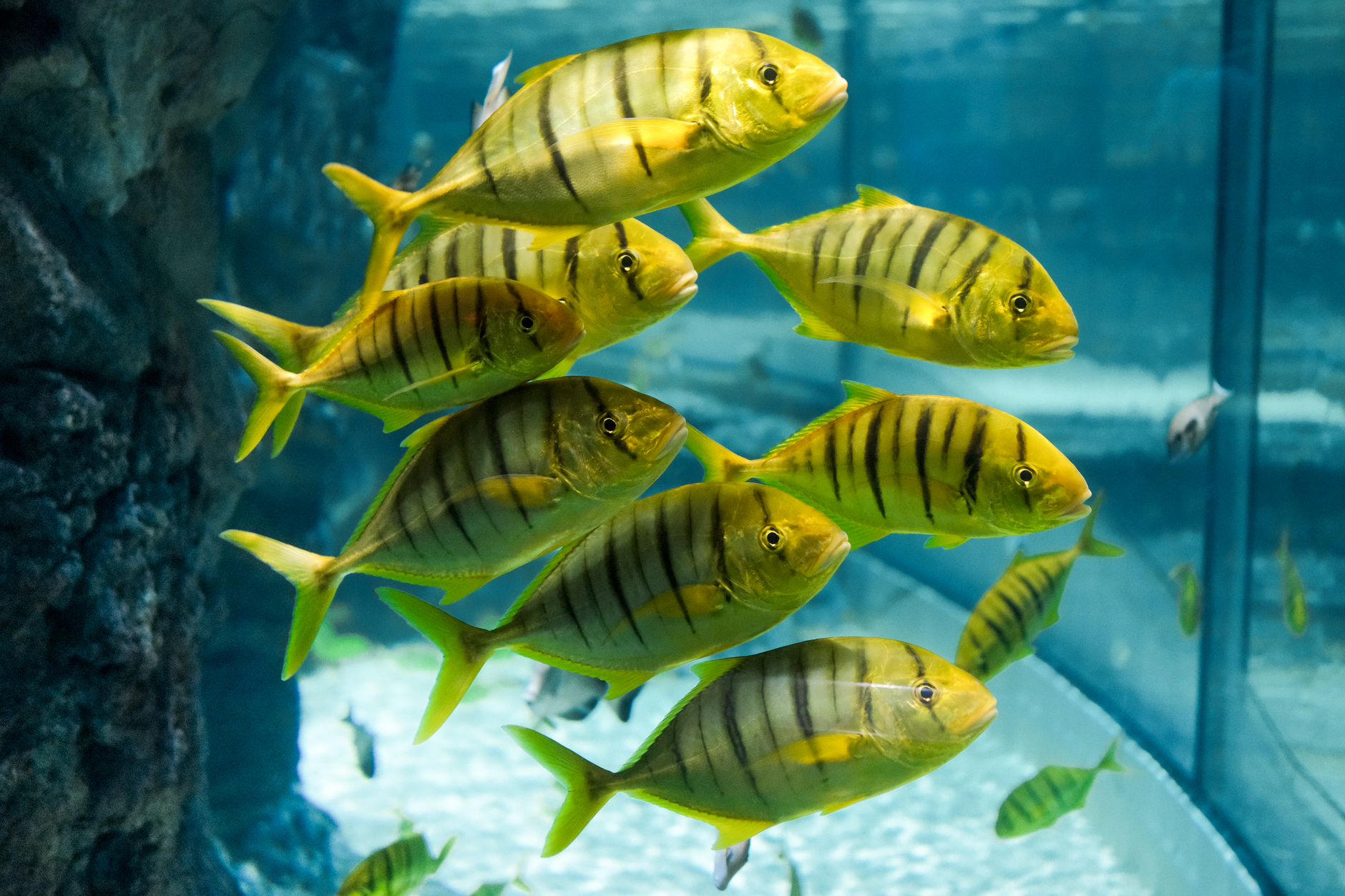
While the yellow color itself might not directly harm fish, the underlying cause – dissolved organic compounds – can have significant negative effects.
-
Reduced Water Clarity: Yellow water reduces light penetration, hindering plant growth and making it harder to observe your fish.
-
Depleted Oxygen Levels: Decomposing organic matter consumes oxygen as it breaks down. Low oxygen levels can stress or even suffocate fish.
-
pH Fluctuations: DOCs can affect the pH of the water, leading to instability that can be harmful to sensitive fish species. Stable pH is important.
-
Increased Ammonia, Nitrite, and Nitrate Levels: DOCs contribute to the overall biological load on the filtration system, potentially leading to spikes in harmful ammonia, nitrite, and nitrate levels.
How to Treat and Prevent Yellow Water
The key to dealing with yellow water is to address the root cause of the problem. Here’s a step-by-step approach:
-
Identify the Source: Determine what is causing the yellowing. Is it new driftwood? Overfeeding? A decaying plant?
-
Water Changes: Perform regular water changes (25-50% weekly) to dilute the concentration of DOCs. This is a crucial and often overlooked step.
-
Activated Carbon Filtration: Use activated carbon in your filter. Activated carbon effectively absorbs DOCs and removes the yellow tint. Replace the carbon regularly (every 2-4 weeks) as it becomes saturated.
-
Driftwood Preparation: If driftwood is the source, boil it or soak it in a separate container for several weeks, changing the water frequently, before adding it to the tank. This helps to leach out tannins.
-
Substrate Management: If you suspect your substrate is the issue, consider replacing it with a high-quality aquarium substrate designed for planted tanks or general fishkeeping.
-
Proper Feeding: Feed your fish only what they can consume in a few minutes. Avoid overfeeding and remove any uneaten food promptly.
-
Regular Vacuuming: Vacuum the substrate during water changes to remove accumulated debris and waste.
-
Plant Trimming: Regularly trim dead or decaying plant leaves to prevent them from contributing to DOCs.
Alternatives to Activated Carbon
While activated carbon is the go-to solution for removing yellow water, several alternatives are available:
-
Seachem Purigen: Purigen is a synthetic resin that removes organic waste and pollutants from aquarium water. It can be regenerated and reused, making it a cost-effective option.
-
Water Polishing Pads: Fine-pore water polishing pads can physically remove particulate matter and some DOCs, improving water clarity.
-
Protein Skimmers (Saltwater Aquariums): Protein skimmers remove organic waste before it breaks down, preventing the yellowing of the water.
Is Yellow Water Bad in a Fish Tank?: Key Takeaways
Yellow water is almost always a sign of elevated dissolved organic compounds (DOCs). While not directly lethal, DOCs can negatively impact water quality, oxygen levels, pH stability, and overall fish health. Addressing the source of the yellowing and implementing appropriate filtration and maintenance practices are crucial for a healthy aquarium.
Frequently Asked Questions (FAQs)
Is yellow water in a new tank normal?
Yes, it’s relatively common for new tanks to experience some yellowing, especially if driftwood or organic substrates are used. This is usually due to the leaching of tannins and other substances as the tank cycles. However, consistent maintenance and water changes should resolve the issue as the biological filtration matures.
Can yellow water harm my fish?
While the yellow tint itself isn’t directly harmful, the underlying dissolved organic compounds (DOCs) can negatively impact water quality, leading to oxygen depletion, pH fluctuations, and increased levels of harmful substances like ammonia and nitrite. These conditions can stress or even kill fish.
How often should I change the water in my fish tank to prevent yellow water?
A general rule of thumb is to perform water changes of 25-50% weekly. However, the frequency and volume may need to be adjusted based on the size of your tank, the number of fish, and the amount of organic waste produced. Monitor your water parameters regularly to determine the optimal water change schedule.
Does yellow water affect plant growth?
Yes, yellow water reduces light penetration, which can hinder plant growth. Plants require light for photosynthesis, and if the water is too murky, they won’t receive enough light to thrive.
Is all driftwood safe to use in aquariums?
No, not all driftwood is suitable for aquariums. Softwoods, treated wood, and wood from unknown sources can leach harmful chemicals into the water. Use only aquarium-safe driftwood specifically designed for use in fish tanks.
How long does activated carbon last in a fish tank filter?
Activated carbon typically lasts for 2-4 weeks before it becomes saturated with organic compounds and loses its effectiveness. Replace the carbon regularly to maintain optimal water quality.
Can I use tap water for water changes if my tap water is yellow?
No, if your tap water is already yellow, it contains DOCs that will only exacerbate the problem in your aquarium. You’ll need to treat your tap water with a dechlorinator and potentially a carbon filter before adding it to your tank. A RO system might be necessary for extremely poor water quality.
What is Purigen, and how does it work?
Purigen is a synthetic resin that removes organic waste, ammonia, nitrite, nitrate, and other pollutants from aquarium water. It works by adsorbing these substances onto its surface, effectively cleaning the water and improving water clarity.
How can I lower the pH in my aquarium without causing yellow water?
While peat moss is often used to lower pH, it can cause yellowing. Consider using commercially available pH-lowering products or buffering substrates that don’t release tannins or humic substances. Always monitor the pH levels closely and adjust the dosage accordingly.
Is yellow water bad in a fish tank if I have blackwater fish?
Blackwater fish naturally thrive in environments with tannins and humic substances, which give the water a brownish or yellowish hue. In these cases, yellow water is not necessarily bad and can even be beneficial. However, maintaining excellent water quality is still critical.
My fish tank water is yellow, but the water parameters are all normal. What could be the problem?
Even if the water parameters are within the normal range, the presence of yellow water still indicates the presence of dissolved organic compounds (DOCs). While the water parameters may not yet be significantly affected, these DOCs can still contribute to long-term water quality issues. Continue to identify the source and implement appropriate solutions to remove them.
Can I use bleach to clean driftwood before putting it in my aquarium?
Bleach is not recommended for cleaning driftwood because it can be difficult to completely remove, and residual bleach can be harmful to fish. Instead, use boiling water, scrubbing, or a solution of diluted hydrogen peroxide, followed by thorough rinsing, to clean driftwood before adding it to your aquarium.