

Is Whisker Fatigue a Real Thing? Understanding Feline Sensory Overload
Yes, whisker fatigue is a real and recognized phenomenon, scientifically referred to as whisker stress or sensory overload. It occurs when a cat’s highly sensitive whiskers are overstimulated, causing discomfort and potentially affecting their behavior.
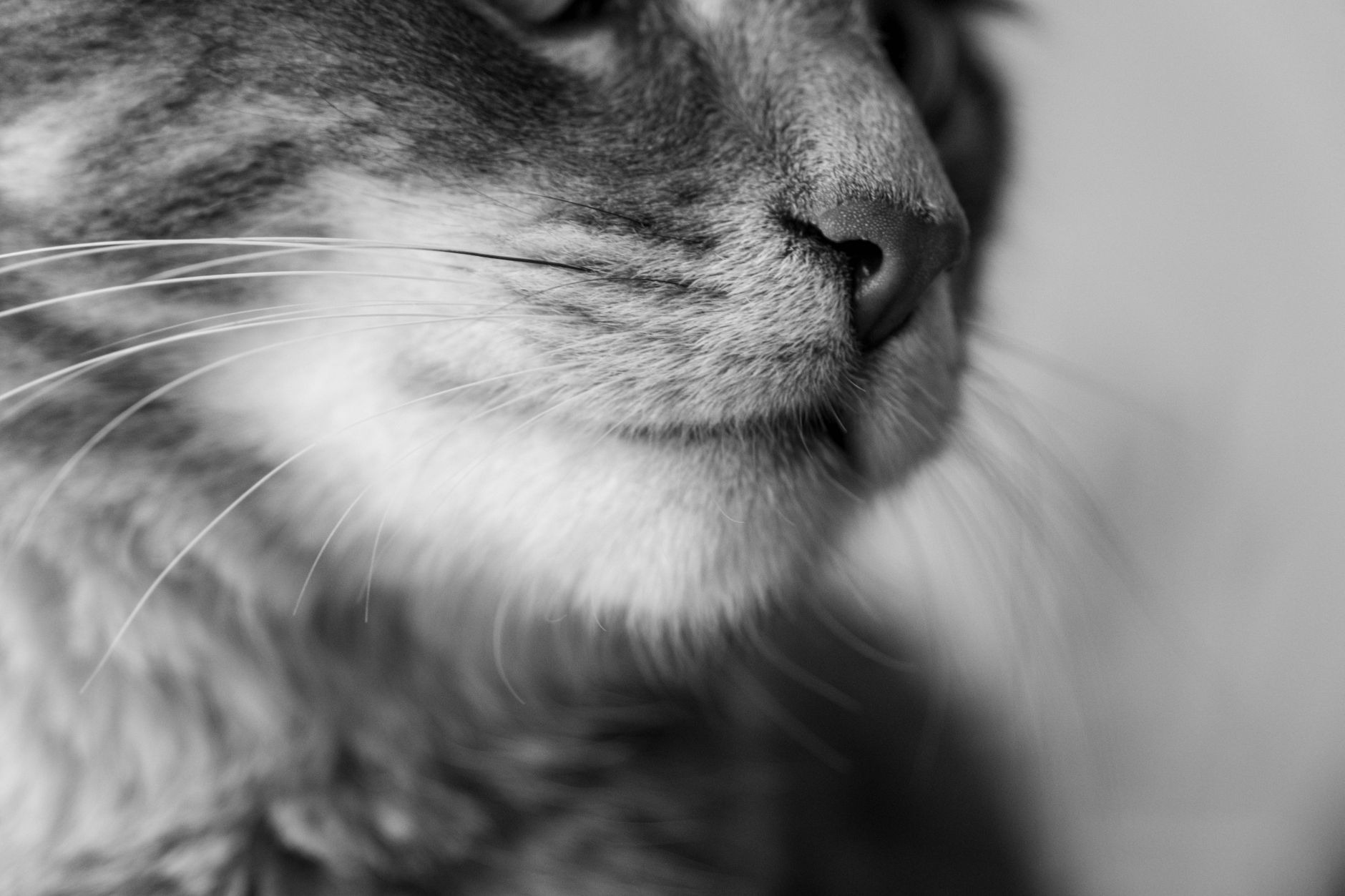
Introduction to Whisker Fatigue
Feline whiskers, or vibrissae, are more than just cute facial features; they’re sophisticated sensory tools crucial for navigation, hunting, and spatial awareness. Unlike human hair, cat whiskers are deeply embedded, connected to numerous nerve endings that transmit information about their surroundings to the brain. This allows cats to perceive subtle changes in air currents, detect objects in the dark, and determine whether they can fit through narrow spaces. When these sensitive organs are constantly bombarded with stimuli, it can lead to a condition known as whisker fatigue. Is whisker fatigue a real thing? The answer is an unequivocal yes.
What colours are fish most attracted to?
Can you put your finger in a trout's mouth?
Is methylene blue anti bacterial?
Does aquarium salt raise pH in aquarium?
Anatomy and Function of Feline Whiskers

Understanding whisker fatigue requires appreciating the complexity of feline whisker anatomy.
- Whiskers are Specialized Sensory Organs: Each whisker is connected to a proprioceptor, a sensory receptor that transmits information about the whisker’s position and movement.
- Three Main Types of Whiskers: These include mystacial whiskers (on the muzzle), superciliary whiskers (above the eyes), and genal whiskers (on the cheeks). Each type serves a specific sensory purpose.
- Whiskers are Crucial for Navigation: They help cats navigate in low-light conditions by detecting changes in air currents and sensing the size and shape of nearby objects.
Causes of Whisker Fatigue
The primary cause of whisker fatigue stems from repeated and prolonged stimulation of the whiskers. Common triggers include:
- Deep Bowls: Eating or drinking from deep, narrow bowls forces cats to compress their whiskers, causing overstimulation and discomfort.
- Constant Contact: Being confined in spaces where whiskers constantly brush against surfaces, such as crates or carriers, can also lead to whisker fatigue.
- Overhandling: Excessive petting or playing that involves pulling or twisting the whiskers can irritate the sensitive nerve endings.
Symptoms of Whisker Fatigue
Recognizing the signs of whisker fatigue is crucial for alleviating the discomfort it causes. Common symptoms include:
- Hesitation at Food Bowls: Cats may approach their food or water bowls reluctantly, pawing at the food or water instead of eating or drinking directly from the bowl.
- Messy Eating: They may drop food outside the bowl or make a mess while eating.
- Pacing or Agitation: The discomfort can manifest as increased anxiety, restlessness, or pacing.
- Changes in Grooming Habits: Some cats may groom themselves excessively or neglect grooming altogether.
- Aggression: In extreme cases, cats may become irritable or even aggressive when their whiskers are touched or stimulated.
Preventing and Managing Whisker Fatigue
Fortunately, whisker fatigue is often preventable and manageable through simple adjustments to a cat’s environment and routine. Here are some tips:
- Use Wide, Shallow Bowls: Switch to wide, shallow food and water bowls that allow cats to eat and drink without compressing their whiskers.
- Provide a Comfortable Environment: Ensure that cats have access to spacious, open areas where their whiskers can move freely.
- Handle with Care: Be gentle when petting or playing with your cat, avoiding touching or pulling their whiskers.
- Reduce Stress: Minimize environmental stressors that can exacerbate sensory overload.
The Link Between Bowl Shape and Whisker Stress
The shape and size of a cat’s food and water bowl plays a significant role in the development of whisker fatigue. Consider the following:
| Bowl Type | Description | Impact on Whiskers |
|---|---|---|
| Deep & Narrow | Forces cats to submerge their faces to reach food/water. | Compresses and overstimulates whiskers, leading to discomfort and fatigue. |
| Wide & Shallow | Allows cats to eat/drink without touching their whiskers on the sides of bowl. | Reduces whisker stimulation and promotes a more comfortable feeding experience. |
| Raised Bowls | Elevates food/water to a more comfortable height. | Can reduce neck strain and improve posture during feeding. |
Scientific Evidence and Veterinary Perspectives
While research directly addressing whisker fatigue as a distinct clinical entity is limited, veterinary professionals recognize and validate the concept as a form of sensory overload. Behavioral studies indicate that cats exhibit avoidance behaviors when presented with feeding scenarios that cause whisker compression. The underlying neurological mechanisms associated with whisker sensitivity are well-documented, further supporting the plausibility of whisker fatigue. Is whisker fatigue a real thing? Veterinary experts agree that it is, based on behavioral observations and understanding of feline sensory systems.
Conclusion
Understanding and addressing whisker fatigue is an essential aspect of responsible cat ownership. By recognizing the signs and making simple adjustments to a cat’s environment, owners can significantly improve their feline companions’ comfort and well-being. The question, “Is whisker fatigue a real thing?,” has been definitively answered – yes, and awareness of this condition is crucial for ensuring happy and healthy lives for our feline friends.
Frequently Asked Questions (FAQs)
What exactly are whiskers, and what is their purpose?
Whiskers, or vibrissae, are specialized sensory hairs connected to numerous nerve endings. They play a critical role in a cat’s ability to navigate, hunt, and perceive its environment, especially in low-light conditions. They aren’t just for show; they’re a vital part of how a cat interprets the world around them.
How can I tell if my cat has whisker fatigue?
Signs of whisker fatigue include hesitancy when approaching food or water bowls, messy eating habits, pacing or agitation, changes in grooming habits, and, in some cases, irritability or aggression. If you observe these behaviors, it’s worth considering whisker fatigue as a potential cause.
Are all cats susceptible to whisker fatigue?
While all cats have whiskers and are potentially susceptible to whisker fatigue, some cats may be more sensitive than others. Factors such as age, breed, and individual temperament can influence a cat’s threshold for sensory overload.
Can whisker fatigue cause long-term problems for my cat?
If left unaddressed, chronic whisker fatigue can lead to behavioral issues, such as food aversion or increased anxiety. Addressing the underlying cause by providing appropriate bowls and a comfortable environment can help prevent long-term problems.
Besides food bowls, what else can trigger whisker fatigue?
Besides food bowls, other triggers include confined spaces where whiskers constantly brush against surfaces (like carriers), overhandling of the whiskers, and stressful environments that heighten sensory sensitivity.
How often should I clean my cat’s food and water bowls to prevent whisker fatigue-related problems?
Regular cleaning is crucial to prevent bacterial buildup and ensure a pleasant feeding experience. It’s recommended to wash your cat’s food and water bowls daily with soap and water.
Are stainless steel, ceramic, or plastic bowls better for cats with whisker fatigue?
The material of the bowl isn’t as important as its shape and size. However, stainless steel or ceramic bowls are generally preferred as they are easier to clean and less likely to harbor bacteria compared to plastic. Ensure the bowls are wide and shallow.
What is the best way to handle my cat to avoid irritating their whiskers?
When petting or playing with your cat, avoid touching or pulling their whiskers. Gentle strokes on the back or head are usually well-received. Be mindful of their sensitivity and respect their boundaries.
Can whisker fatigue cause my cat to become aggressive?
In some cases, whisker fatigue can lead to increased irritability and aggression. If a cat is constantly experiencing discomfort due to whisker stimulation, they may become more defensive and prone to biting or scratching.
How quickly will my cat’s symptoms improve after switching to wider bowls?
Some cats may show immediate improvement after switching to wider bowls, while others may take a few days or weeks to adjust. Consistency and patience are key.
Is there any medical treatment for whisker fatigue?
There is no specific medical treatment for whisker fatigue. The primary approach is to address the underlying cause by modifying the cat’s environment and routine.
Can whisker fatigue be confused with other health problems in cats?
Yes, symptoms of whisker fatigue, such as changes in eating habits or behavior, can overlap with those of other medical conditions. It’s essential to consult a veterinarian to rule out any underlying health problems if you’re concerned about your cat’s well-being.