

Is There a Downside to Feeding Crows? A Balanced Perspective
While the appeal of interacting with these intelligent birds is undeniable, the answer to “Is there a downside to feeding crows?” is a nuanced yes. Indiscriminate feeding can disrupt ecosystems, create dependency, and potentially increase the risk of disease transmission, requiring careful consideration.

Understanding the Crow’s Appeal
Crows are fascinating creatures. Their intelligence, problem-solving abilities, and social complexity make them appealing to observe and even interact with. People are often drawn to the idea of establishing a connection with these wild birds, and feeding them seems like a natural way to do so. The sight of a crow confidently approaching for a treat can be a rewarding experience. But is it wise?

What colours are fish most attracted to?
Can you put your finger in a trout's mouth?
Is methylene blue anti bacterial?
Does aquarium salt raise pH in aquarium?
Potential Benefits of Feeding Crows (In Controlled Circumstances)
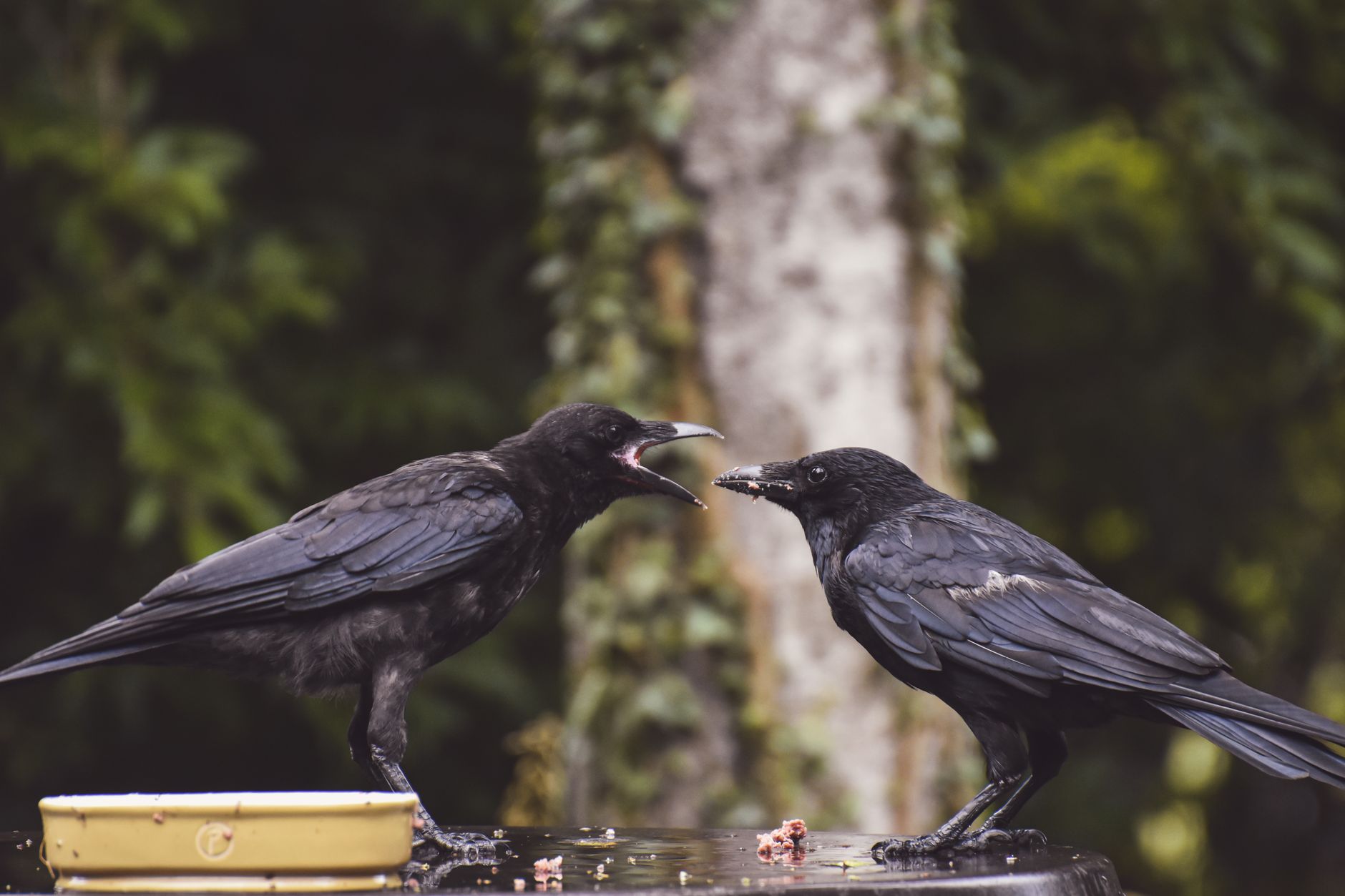
While generally discouraged, under specific, controlled circumstances, there might be perceived benefits:
- Scientific Observation: Researchers may feed crows to study their behavior, learning patterns, and social interactions.
- Rehabilitation: Injured or orphaned crows in rehabilitation centers require supplemental feeding to recover.
- Educational Opportunities: Observing crows up close can spark interest in wildlife and conservation, especially for children.
It’s crucial to emphasize that these situations are exceptional and require professional oversight.
The Process of Feeding (If You Choose To)
If, after considering the risks, you choose to feed crows (keeping in mind local regulations and ethical considerations), do so responsibly:
- Choose Healthy Foods: Offer unsalted nuts (peanuts, walnuts), small pieces of cooked eggs, or dog/cat kibble. Avoid processed foods, bread, and sugary items.
- Practice Consistency: Crows are intelligent and will learn when and where to expect food. Irregular feeding can lead to frustration and altered foraging patterns.
- Maintain Hygiene: Clean up any uneaten food to prevent attracting rodents or other unwanted animals.
- Observe From a Distance: Avoid direct hand-feeding to minimize the risk of injury or disease transmission.
- Small Quantities Only: The goal isn’t to fully feed them, but to supplement their natural diet.
Common Mistakes to Avoid
Many well-intentioned crow feeders make crucial errors:
- Overfeeding: This leads to dependency and disrupts natural foraging behavior.
- Leaving Food Out Unattended: Attracts rodents, insects, and other unwanted wildlife.
- Feeding in Inappropriate Locations: Near roads, parks with restrictions, or areas with high human traffic can cause problems.
- Ignoring Local Regulations: Some municipalities have ordinances against feeding wildlife.
The Downside: Ecological Disruption
The most significant concern with feeding crows lies in the potential for ecological disruption. Is there a downside to feeding crows? From an ecological perspective, the answer is a resounding yes, if done irresponsibly.
- Altered Foraging Behavior: Crows become less reliant on their natural foraging skills, affecting their ability to find food independently.
- Population Imbalances: Artificially inflated crow populations can put pressure on other bird species and local ecosystems.
- Increased Predation: Crows are opportunistic predators, and increased numbers can lead to higher predation rates on the nests of songbirds and other vulnerable wildlife.
The Downside: Dependency and Aggression
Regular feeding can lead to crows becoming dependent on humans for sustenance.
- Loss of Fear: Crows may lose their natural fear of humans, leading to bolder and potentially aggressive behavior.
- Aggression Towards Others: Crows may become territorial and aggressive towards other birds or even humans if they feel their food source is threatened.
The Downside: Disease Transmission
Feeding crows in close proximity to humans increases the risk of disease transmission.
- Zoonotic Diseases: Crows can carry diseases that can be transmitted to humans, such as West Nile Virus and salmonellosis.
- Spread to Other Birds: Artificial feeding sites can concentrate birds, increasing the risk of disease outbreaks within crow populations and spreading to other species.
Is there a downside to feeding crows?: A Summary Table
| Factor | Potential Negative Impact |
|---|---|
| Ecology | Disrupted foraging, population imbalances, increased predation |
| Behavior | Dependency, loss of fear, aggression |
| Health | Increased risk of disease transmission (zoonotic and avian) |
| Public Nuisance | Increased noise, droppings, and potential conflicts with neighbors or businesses |
Frequently Asked Questions (FAQs)
Is it illegal to feed crows?
It depends on your location. Some municipalities have ordinances against feeding wildlife, including crows. Check your local regulations before offering food to crows. Ignoring these rules can result in fines.
What is the best food to give crows?
Unsalted nuts (peanuts, walnuts), small pieces of cooked eggs, or high-quality dog/cat kibble are suitable options. Avoid bread, processed foods, and sugary items, as these offer little nutritional value and can be harmful.
How often should I feed crows if I choose to do so?
If you choose to feed crows, do so infrequently and in small amounts. The goal is to supplement their natural diet, not replace it.
Will feeding crows make them dependent on humans?
Yes, regular feeding can lead to crows becoming dependent on humans for food. This dependency can negatively impact their ability to forage naturally and survive in the wild.
Can feeding crows attract other pests?
Absolutely. Leaving food out for crows can attract rodents, insects, and other unwanted wildlife, creating a nuisance and potentially spreading disease. Clean up any uneaten food immediately.
Is it dangerous to hand-feed crows?
Yes. Hand-feeding crows can increase the risk of injury from their beaks and claws, as well as the risk of disease transmission. Maintain a safe distance.
What are the ethical considerations of feeding crows?
The primary ethical consideration is the potential impact on the environment and the crows themselves. Irresponsible feeding can disrupt ecosystems, create dependency, and potentially harm crow populations. Is there a downside to feeding crows?, and is that downside ethically acceptable?
How can I discourage crows from coming to my property?
Remove food sources, such as pet food, fallen fruit, and unsecured garbage. Use bird netting or other deterrents to protect gardens and crops. Loud noises or visual deterrents can also be effective.
Are crows beneficial to the environment?
Yes, crows play a role in the ecosystem. They help control insect populations, scavenge carrion, and disperse seeds. However, artificially increasing their numbers through feeding can disrupt the natural balance.
What diseases can crows carry that are harmful to humans?
Crows can carry diseases such as West Nile Virus, salmonellosis, and avian influenza. Take precautions to avoid contact with their droppings and feathers, and wash your hands thoroughly after any interaction.
Does feeding crows affect other bird species?
Yes, artificially inflated crow populations can put pressure on other bird species through increased predation on nests and competition for resources. This can negatively impact the populations of songbirds and other vulnerable wildlife.
What are the alternatives to feeding crows for observing them?
Observe crows from a distance using binoculars or a spotting scope. Visit parks or natural areas where crows are commonly found. Learn about their behavior and ecology through books, documentaries, and online resources. Appreciating them from afar avoids all of the negative impacts detailed above. Is there a downside to feeding crows?, and can we observe them without creating that downside? Yes, with a little patience and the right tools!