

Is the Red Panda Endangered? Unveiling the Crisis
The red panda is indeed endangered, facing a high risk of extinction in the wild. Conservation efforts are crucial to protect these fascinating creatures and their fragile mountain habitats.

The Red Panda: A Unique and Vulnerable Species
The red panda, Ailurus fulgens, isn’t just another cute and cuddly animal; it’s a living relic, the sole surviving member of its taxonomic family, the Ailuridae. Found in the Eastern Himalayas and Southwestern China, these arboreal mammals are characterized by their reddish-brown fur, long, bushy tails, and a penchant for bamboo. Understanding their plight requires exploring their habitat, threats, and ongoing conservation efforts.

What colours are fish most attracted to?
Can you put your finger in a trout's mouth?
Is methylene blue anti bacterial?
Does aquarium salt raise pH in aquarium?
Habitat and Distribution
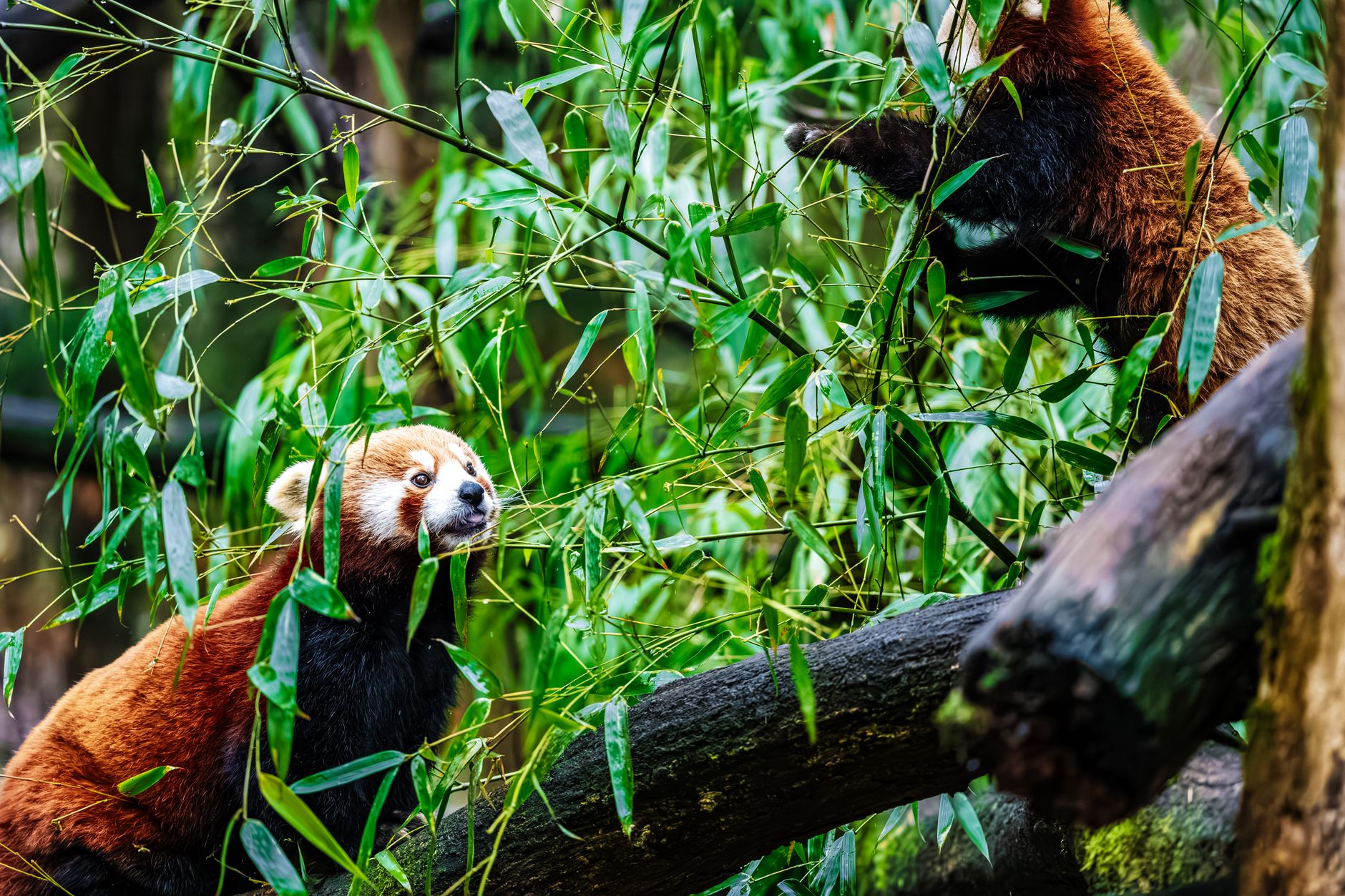
Red pandas thrive in temperate forests with dense understories of bamboo, at elevations ranging from 2,200 to 4,800 meters. Their geographical distribution is fragmented, spanning across Nepal, India, Bhutan, Myanmar, and China. This fragmented habitat makes them even more susceptible to local extinctions.
The Escalating Threats
Several factors contribute to the red panda’s endangered status:
-
Habitat Loss and Fragmentation: Deforestation for agriculture, logging, and infrastructure development are shrinking and isolating their habitats.
-
Poaching: Red pandas are hunted for their fur, particularly their bushy tails, which are used in traditional headwear. They are also sometimes captured for the pet trade.
-
Climate Change: Alterations in temperature and rainfall patterns can affect bamboo availability, their primary food source.
-
Inbreeding Depression: Small, isolated populations are prone to inbreeding, which reduces genetic diversity and increases susceptibility to diseases.
Conservation Initiatives: A Ray of Hope
Despite the grim outlook, there’s hope for the red panda. Several organizations and governments are actively involved in conservation efforts, including:
-
Habitat Protection: Establishing protected areas and promoting sustainable forestry practices.
-
Anti-Poaching Measures: Strengthening law enforcement and raising awareness about the illegal wildlife trade.
-
Community Involvement: Engaging local communities in conservation efforts and providing alternative livelihoods.
-
Captive Breeding Programs: Maintaining ex-situ populations in zoos and research facilities for potential reintroduction into the wild.
-
Research and Monitoring: Studying red panda populations, behavior, and habitat use to inform conservation strategies.
Quantifying the Decline: Population Estimates
Estimating red panda populations is challenging due to their elusive nature and remote habitat. However, current estimates suggest that there are fewer than 10,000 mature individuals remaining in the wild. The population is believed to be declining, with some regions experiencing more severe declines than others.
Here’s a table showing estimated population sizes across their range countries. Please note that this table provides estimates and accuracy may vary due to factors mentioned above.
| Country | Estimated Population Size |
|---|---|
| China | 3,000 – 7,000 |
| India | 500 – 600 |
| Nepal | 317 – 581 |
| Bhutan | Unknown, but presumed small |
| Myanmar | Unknown, but presumed small |
The Importance of Genetic Diversity
Maintaining genetic diversity is crucial for the long-term survival of red panda populations. Loss of genetic diversity can lead to reduced fitness, increased susceptibility to diseases, and a diminished ability to adapt to changing environmental conditions. Conservation efforts should focus on connecting fragmented populations to promote gene flow and prevent inbreeding.
Why the Red Panda Matters: Beyond the Cute Factor
The red panda plays a vital role in the ecosystem. As seed dispersers and bamboo consumers, they contribute to the health and diversity of their forest habitats. More broadly, red pandas serve as flagship species. By protecting them, we also protect a wide range of other species that share their habitat, from snow leopards to rhododendrons.
A Call to Action: How You Can Help
The future of the red panda hangs in the balance. But there are several ways individuals can contribute to their conservation:
-
Support Conservation Organizations: Donate to organizations working to protect red pandas and their habitat.
-
Reduce Your Carbon Footprint: Climate change is a major threat to red panda habitats. Reduce your environmental impact by making sustainable choices.
-
Spread Awareness: Educate your friends and family about the red panda’s plight.
-
Avoid Buying Products Made from Red Panda Fur: By reducing demand, you can help curb poaching.
Frequently Asked Questions (FAQs)
What is the Red Panda’s conservation status according to the IUCN?
The International Union for Conservation of Nature (IUCN) lists the red panda as endangered. This classification signifies that the species faces a very high risk of extinction in the wild.
How does climate change impact red panda populations?
Climate change poses a significant threat to red pandas by altering the availability of bamboo, their primary food source. Changes in temperature and rainfall patterns can affect bamboo growth and distribution, leading to food shortages and malnutrition for red pandas.
What is the main reason why red pandas are poached?
Red pandas are primarily poached for their soft, reddish-brown fur, especially their bushy tails. These tails are often used in traditional hats and other clothing items, driving the demand for illegal hunting.
Where do red pandas primarily live?
Red pandas primarily inhabit the temperate forests of the Eastern Himalayas and Southwestern China. They prefer areas with dense bamboo undergrowth at elevations ranging from 2,200 to 4,800 meters.
Are red pandas related to giant pandas?
Despite their similar names and bamboo-eating habits, red pandas are not closely related to giant pandas. Giant pandas belong to the bear family (Ursidae), while red pandas are the sole members of their own family, the Ailuridae.
What is the red panda’s diet mainly composed of?
The red panda’s diet consists mainly of bamboo. However, they are omnivores and also consume fruits, acorns, roots, eggs, and insects when available.
What is the lifespan of a red panda in the wild?
Red pandas typically live for 8 to 10 years in the wild. In captivity, they can live for up to 15 years or more.
What is being done to protect red pandas from habitat loss?
Efforts to protect red pandas from habitat loss include establishing protected areas, promoting sustainable forestry practices, and working with local communities to reduce deforestation for agriculture and logging.
How can local communities help in red panda conservation?
Local communities play a crucial role in red panda conservation by participating in anti-poaching patrols, monitoring red panda populations, promoting sustainable land use practices, and raising awareness about the importance of protecting red pandas and their habitat.
What is the significance of captive breeding programs for red pandas?
Captive breeding programs are important for maintaining ex-situ populations of red pandas in zoos and research facilities. These programs can help to increase genetic diversity and provide individuals for potential reintroduction into the wild.
Why is genetic diversity important for red panda populations?
Genetic diversity is crucial for the long-term survival of red panda populations. Loss of genetic diversity can lead to reduced fitness, increased susceptibility to diseases, and a diminished ability to adapt to changing environmental conditions.
What are the biggest challenges facing red panda conservation efforts?
The biggest challenges include limited funding, difficulty in monitoring red panda populations due to their elusive nature and remote habitat, and the need for greater collaboration among different stakeholders, including governments, conservation organizations, and local communities. Is the red panda endangered? Addressing these challenges is essential for ensuring the long-term survival of this unique and vulnerable species.