
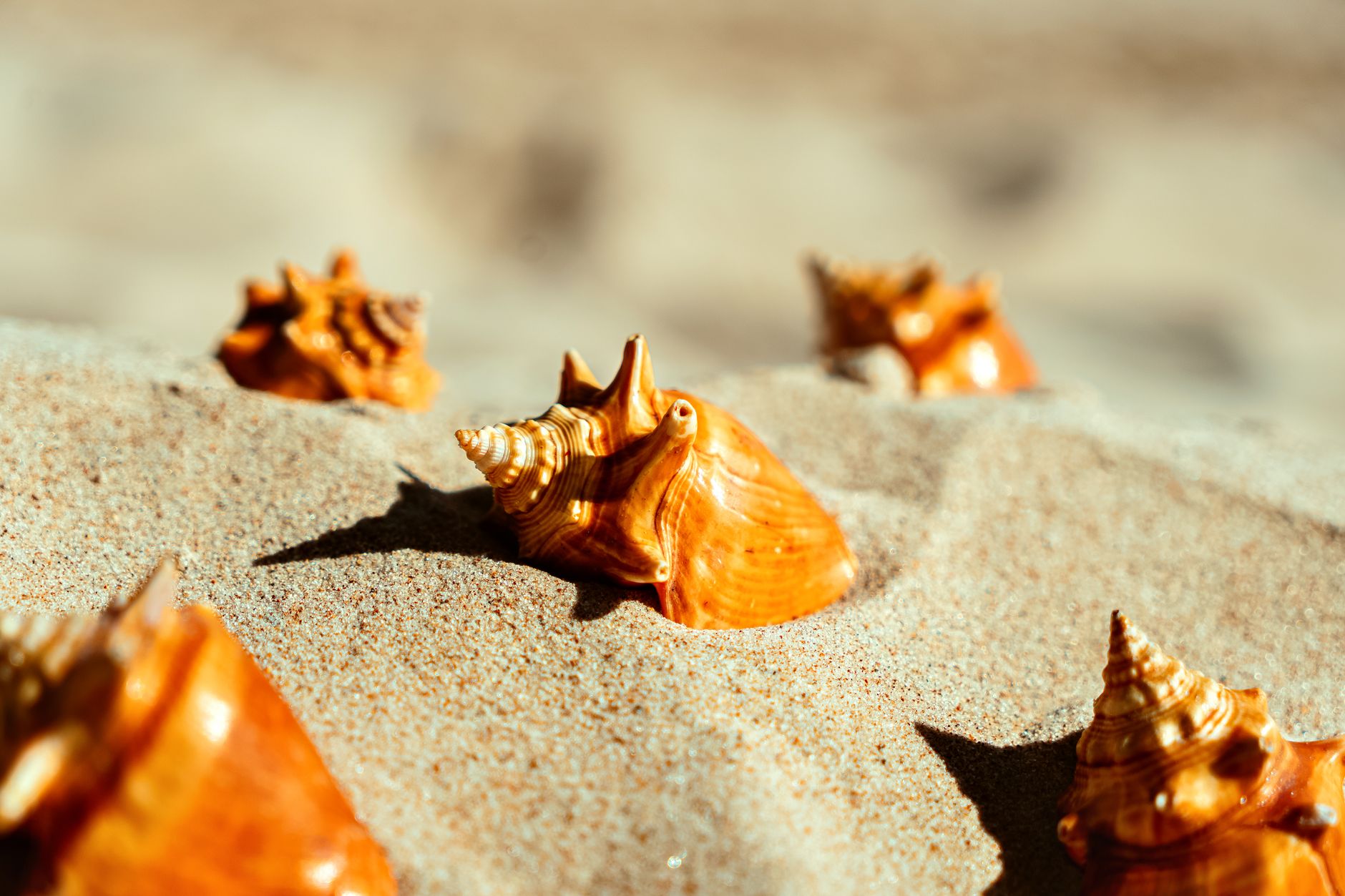
Is the Queen Conch Illegal? Exploring Conservation and Regulations
The legality of possessing or harvesting queen conch varies significantly by location. While not universally illegal, many regions have strict regulations and outright bans in place to protect this vulnerable species.

The queen conch, Lobatus gigas, is a large, marine gastropod mollusk prized for its meat and beautiful shell. Overfishing has decimated populations throughout its range, prompting numerous conservation efforts and regulations. Understanding these regulations is crucial for consumers, tourists, and fishers alike.
A Brief History of the Queen Conch and Its Decline
The queen conch has been a staple food source and cultural icon in the Caribbean for centuries. Indigenous populations used its shell for tools, musical instruments, and ceremonial objects. However, the demand for conch meat and shells in the 20th century led to unsustainable harvesting practices.
Overfishing resulted in severe population declines in many areas, including Florida, where the species is now protected. The IUCN (International Union for Conservation of Nature) lists the queen conch as Vulnerable, highlighting its continued susceptibility to overexploitation.

What colours are fish most attracted to?
Can you put your finger in a trout's mouth?
Is methylene blue anti bacterial?
Does aquarium salt raise pH in aquarium?
The Economic Importance of the Queen Conch

Despite its decline, the queen conch remains economically important in many Caribbean island nations. It supports local fisheries, provides a source of protein for coastal communities, and contributes to the tourism industry. However, unsustainable harvesting practices threaten the long-term viability of these benefits. Properly managed and sustainable harvests are crucial to the continued viability of the species and the economic benefits that it provides.
Regulations and Conservation Efforts: A Patchwork Approach
The legality of queen conch harvesting and trade varies widely depending on the country or region.
- United States: Harvesting queen conch is illegal in Florida and U.S. federal waters. Possessing a queen conch shell obtained after 1985 is also generally prohibited.
- Bahamas: Harvesting queen conch is permitted under strict regulations, including size limits, closed seasons, and gear restrictions.
- Turks and Caicos Islands: Similar regulations to the Bahamas are in place, aiming to balance fishing with conservation.
- Other Caribbean Nations: Regulations vary significantly, ranging from complete bans to regulated fisheries.
The Convention on International Trade in Endangered Species (CITES) lists queen conch on Appendix II, meaning that international trade is regulated to ensure it does not threaten the species’ survival. This requires permits for import and export.
Common Mistakes and Misconceptions
Many people are unaware of the specific regulations regarding queen conch. Common mistakes include:
- Purchasing conch shells from unregulated sources.
- Harvesting undersized conch or during closed seasons.
- Bringing conch shells across international borders without proper permits.
- Assuming that queen conch is sustainably harvested everywhere.
It’s essential to be informed about local regulations before purchasing or harvesting queen conch.
Identifying Legal and Illegal Queen Conch
Distinguishing between legally and illegally obtained queen conch can be challenging. Look for the following:
- Source: Purchase conch meat or shells only from reputable vendors who can demonstrate compliance with local regulations.
- Size: Avoid purchasing undersized conch, as this indicates illegal harvesting. Specific size limits vary by region.
- Documentation: Request documentation proving the conch was legally harvested and traded, especially when purchasing shells for export.
Sustainable Consumption of Queen Conch
Supporting sustainable fisheries is crucial for the long-term survival of the queen conch. Consumers can make informed choices by:
- Choosing sustainably sourced conch meat.
- Avoiding purchasing conch shells from unregulated sources.
- Supporting conservation efforts in queen conch habitats.
- Educating others about the importance of sustainable consumption.
Table: Queen Conch Regulations in Different Regions
| Region | Regulations |
|---|---|
| Florida (USA) | Harvesting and possession illegal. |
| Bahamas | Regulated fishery with size limits, closed seasons, and gear restrictions. |
| Turks and Caicos | Regulated fishery similar to the Bahamas. |
| Dominican Republic | Regulations vary; some areas have bans or restrictions. |
| CITES (International) | Appendix II listing requires permits for international trade. |
Frequently Asked Questions (FAQs)
Is the queen conch illegal to eat?
The legality of eating queen conch depends on where you are. In some regions, like Florida, it’s illegal to harvest and therefore illegal to eat. In other regions, like the Bahamas, it is legal to eat if harvested in accordance with local regulations. Always check local regulations before consuming queen conch.
Can I bring a queen conch shell back from my vacation?
The legality of bringing a queen conch shell back from vacation depends on the country you are leaving and the country you are entering. Because of CITES Appendix II listing, most countries require permits. Bringing a shell back into the United States illegally can result in significant fines and penalties.
What is CITES and how does it affect queen conch?
CITES (Convention on International Trade in Endangered Species) is an international agreement that regulates trade in endangered and threatened species. The queen conch is listed on CITES Appendix II, which means that international trade is regulated through permits to ensure it doesn’t threaten the species’ survival.
Why is queen conch overfished?
Queen conch has been overfished due to its high demand as a food source and for its shell. Unsustainable harvesting practices, driven by both local consumption and international trade, have led to severe population declines. Effective management is critical to addressing this issue.
What are the size limits for harvesting queen conch?
Size limits for harvesting queen conch vary by region. Generally, only mature conch with a well-developed flared lip should be harvested. Specific measurements are defined by local regulations and are designed to allow the conch to reproduce before being harvested.
What are the penalties for illegally harvesting queen conch?
Penalties for illegally harvesting queen conch can include fines, confiscation of equipment (boats, gear), and even imprisonment. The severity of the penalty depends on the jurisdiction and the extent of the violation. Strict enforcement is necessary to deter illegal harvesting.
How can I tell if queen conch meat is sustainably sourced?
Look for certifications or labels that indicate the queen conch meat is sourced from a sustainably managed fishery. Ask vendors about their sourcing practices and whether they can provide documentation to verify the legality and sustainability of their products.
Are there any alternatives to eating queen conch?
Yes, there are several alternatives to eating queen conch. Other seafood options, such as locally sourced fish or sustainably farmed shellfish, can provide similar nutritional benefits. Reducing the demand for queen conch helps to protect its populations.
What can I do to help protect queen conch populations?
You can help protect queen conch populations by:
- Avoiding the consumption or purchase of queen conch where its legality and sustainability are questionable.
- Supporting organizations dedicated to marine conservation.
- Educating others about the importance of sustainable seafood choices.
- Reporting suspected illegal harvesting activities to the authorities.
Is it possible for queen conch populations to recover?
Yes, it is possible for queen conch populations to recover with effective conservation and management efforts. This includes implementing and enforcing strict regulations, protecting critical habitats, and promoting sustainable harvesting practices.
Where can I find more information about queen conch regulations?
You can find more information about queen conch regulations from local fisheries agencies, government environmental departments, and international organizations like CITES and the IUCN. Look for websites that provide up-to-date information on regulations and conservation efforts in specific regions.
Does climate change impact queen conch populations?
Yes, climate change poses a significant threat to queen conch populations. Ocean acidification, rising sea temperatures, and habitat destruction all negatively impact conch survival and reproduction. Addressing climate change is crucial for the long-term health of queen conch populations.