
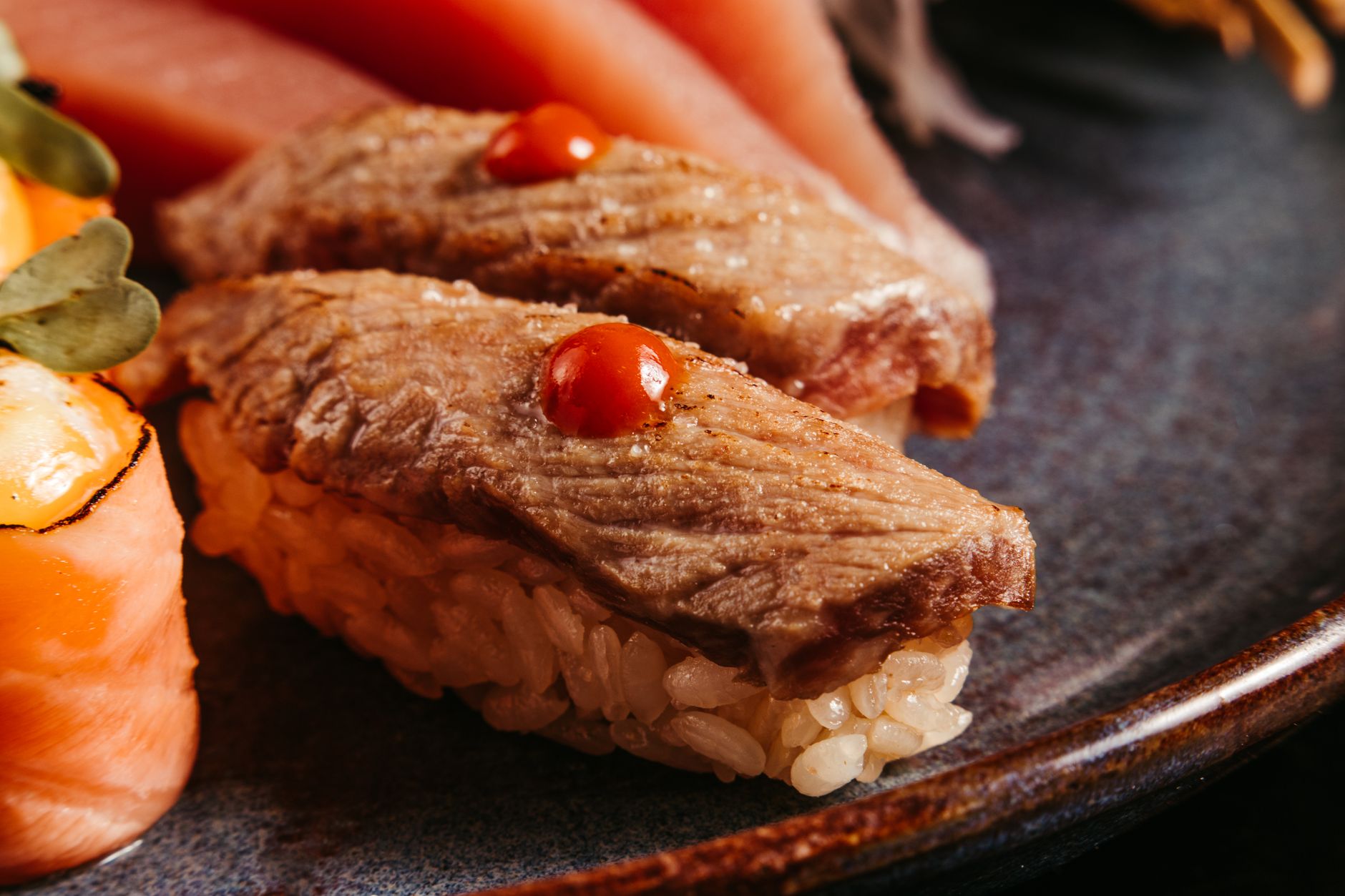
Is Sushi Tuna Real? Unpacking the Mystery
Is sushi tuna real? Absolutely. While there are concerns about mislabeling and sustainability, the tuna served as sushi is, in fact, genuine tuna – though which species and how it’s sourced can vary significantly.

The Allure of Tuna in Sushi: A Brief History
Tuna, particularly bluefin tuna, holds a revered place in sushi culture. Its rich flavor, buttery texture, and vibrant red color have made it a staple, commanding high prices and a devoted following. This popularity, however, has placed immense pressure on tuna populations and raised serious questions about sustainability and authenticity. The demand for sushi tuna began its global boom in the late 20th century, fueled by increasing affluence and exposure to Japanese cuisine. Before this, tuna was not considered a prime catch in many parts of the world.

What colours are fish most attracted to?
Can you put your finger in a trout's mouth?
Is methylene blue anti bacterial?
Does aquarium salt raise pH in aquarium?
Different Tuna Species Used in Sushi

Not all tuna is created equal. Several species are commonly used in sushi, each with its own distinct characteristics:
- Bluefin Tuna (Thunnus thynnus, Thunnus orientalis, Thunnus maccoyii): The most prized, and often the most expensive, known for its high fat content and rich flavor. Divided into Atlantic, Pacific, and Southern Bluefin varieties.
- Bigeye Tuna (Thunnus obesus): A more readily available and affordable option. It has a good fat content and a slightly milder flavor than bluefin.
- Yellowfin Tuna (Thunnus albacares): Another widely used species, known for its leaner meat and milder taste. It’s a good entry point for those new to tuna sushi.
- Albacore Tuna (Thunnus alalunga): Primarily used for canned tuna but occasionally seen in sushi. It has a very mild flavor and a firm texture.
The cost of these species varies greatly, with bluefin commanding significantly higher prices due to its scarcity and demand.
Sustainability Concerns: The Tuna Crisis
The high demand for tuna has led to overfishing and the depletion of tuna stocks, particularly bluefin tuna. Sustainable fishing practices are crucial to ensure the long-term availability of this prized fish. Consumers play a vital role by choosing sushi restaurants that source their tuna responsibly. Organizations like the Marine Stewardship Council (MSC) certify fisheries that meet strict sustainability standards.
Mislabeling and Fraud: The “Tuna” You Might Not Be Eating
While “Is sushi tuna real?” can be answered affirmatively, mislabeling remains a significant problem. Cheaper tuna species may be passed off as more expensive ones, or even worse, completely different types of fish dyed to resemble tuna. DNA testing is often required to verify the species being sold. This misrepresentation not only defrauds consumers but also undermines efforts to promote sustainable fishing.
How to Identify High-Quality Tuna
Identifying high-quality sushi tuna requires a keen eye. Look for:
- Color: A deep, vibrant red color is generally a good sign, but it can also be artificially enhanced.
- Texture: The flesh should be firm and not mushy.
- Fat Marbling: Fine lines of fat running through the meat indicate good quality and flavor, especially in bluefin tuna.
- Smell: The tuna should have a fresh, sea-like smell, not a fishy or ammonia-like odor.
Always ask your sushi chef about the origin and species of the tuna being served. Reputable establishments will be transparent about their sourcing practices.
Responsible Consumption: Making Informed Choices
As consumers, we have the power to influence the sustainability of tuna fisheries. Choosing restaurants that prioritize sustainable sourcing and asking questions about the tuna’s origin are essential steps. Consider opting for lesser-known tuna species or other types of seafood to reduce the pressure on bluefin populations.
Alternatives to Tuna: Exploring Sustainable Seafood Options
If you’re concerned about the sustainability of tuna, consider exploring alternative seafood options for your sushi. Some popular choices include:
- Salmon: Another fatty fish that’s widely available and often farmed sustainably.
- Yellowtail (Hamachi): A delicious and readily available alternative to tuna.
- Mackerel (Saba): A flavorful and nutritious fish that’s often served pickled in sushi.
- Vegetarian Options: Explore vegetable-based sushi rolls featuring avocado, cucumber, or pickled radish.
The Future of Tuna Sushi: Innovation and Technology
Efforts are underway to improve the sustainability and traceability of tuna. These include:
- Aquaculture: Farmed tuna can reduce the pressure on wild populations, but it’s important to ensure that aquaculture practices are environmentally responsible.
- Blockchain Technology: Tracking tuna from the ocean to the plate using blockchain technology can help prevent mislabeling and ensure transparency.
- Lab-Grown Tuna: Emerging technologies are exploring the possibility of producing tuna meat in a laboratory, potentially eliminating the need to fish wild tuna.
Global Tuna Markets: Key Players and Trends
The global tuna market is complex, with Japan, the United States, and Europe being major consumers. Key fishing nations include Japan, Taiwan, South Korea, and Indonesia. Market trends are shifting towards greater demand for sustainable seafood and increased awareness of mislabeling issues.
The Economic Impact of Tuna: Fisheries and Trade
The tuna industry has a significant economic impact on many countries, providing livelihoods for fishermen, processors, and retailers. However, overfishing and unsustainable practices can threaten these economic benefits. Responsible management and sustainable fishing are crucial for ensuring the long-term viability of the tuna industry.
Regulatory Frameworks: Governing Tuna Fishing and Trade
Various international and national regulations govern tuna fishing and trade. These include quotas, fishing gear restrictions, and labeling requirements. However, enforcement can be challenging, and illegal fishing remains a persistent problem. Stronger international cooperation and effective enforcement are needed to protect tuna populations.
Frequently Asked Questions (FAQs) About Tuna Sushi
Is Bluefin Tuna Always the Most Expensive?
Yes, bluefin tuna is generally the most expensive type of tuna used in sushi due to its scarcity, high fat content, and exceptional flavor. However, pricing can fluctuate based on factors such as market demand, seasonality, and the specific cut of meat.
Is Sushi Tuna Safe to Eat Raw?
Generally, yes, sushi tuna is safe to eat raw as long as it has been properly handled and stored. Sushi restaurants typically use tuna that has been flash-frozen to kill parasites. Always choose reputable establishments with strict food safety standards.
What Does “Saku” Mean in the Context of Tuna?
“Saku” refers to a block or loin of tuna that has been cut into a rectangular shape, ready for slicing into sushi or sashimi. It’s a common preparation method that ensures consistent size and quality.
How Can I Tell If Tuna Is Fresh?
Fresh tuna should have a firm texture, a vibrant color (depending on the species), and a mild, sea-like smell. Avoid tuna that looks dull, feels mushy, or has a strong, fishy odor.
Is All Sushi Tuna Wild-Caught?
No, not all sushi tuna is wild-caught. While most of the bluefin tuna is still from wild populations, other species like yellowfin and bigeye are increasingly being farmed through aquaculture.
What Role Does Freezing Play in Sushi Tuna?
Freezing is crucial for sushi tuna because it kills parasites that may be present in the fish. Flash-freezing to very low temperatures (-35°C or below) is a common practice to ensure safety.
Can I Get Sick From Eating Bad Tuna?
Yes, consuming spoiled or improperly handled tuna can lead to scombroid poisoning, caused by high levels of histamine. Symptoms include rash, nausea, vomiting, and diarrhea.
What is “Toro” and Why Is It So Prized?
“Toro” refers to the fatty belly of the tuna, typically bluefin. It is highly prized for its rich, buttery flavor and melt-in-your-mouth texture.
Are There Any Health Benefits to Eating Tuna?
Yes, tuna is a good source of omega-3 fatty acids, protein, and essential vitamins and minerals. However, pregnant women and young children should limit their consumption due to potential mercury levels.
What is the Difference Between “Maguro” and “Shiro Maguro?”
“Maguro” is the general term for tuna in Japanese. “Shiro Maguro” specifically refers to albacore tuna, which has a lighter color and milder flavor than other tuna species.
How Is the Sustainability of Tuna Being Improved?
Sustainability efforts include implementing stricter fishing regulations, promoting sustainable aquaculture practices, using blockchain technology for traceability, and supporting research into alternative protein sources like lab-grown tuna.
Are There Legal Protections for Tuna Species?
Yes, various international treaties and national laws are in place to protect tuna species and regulate fishing practices. However, enforcement can be challenging, and illegal fishing remains a significant threat.