
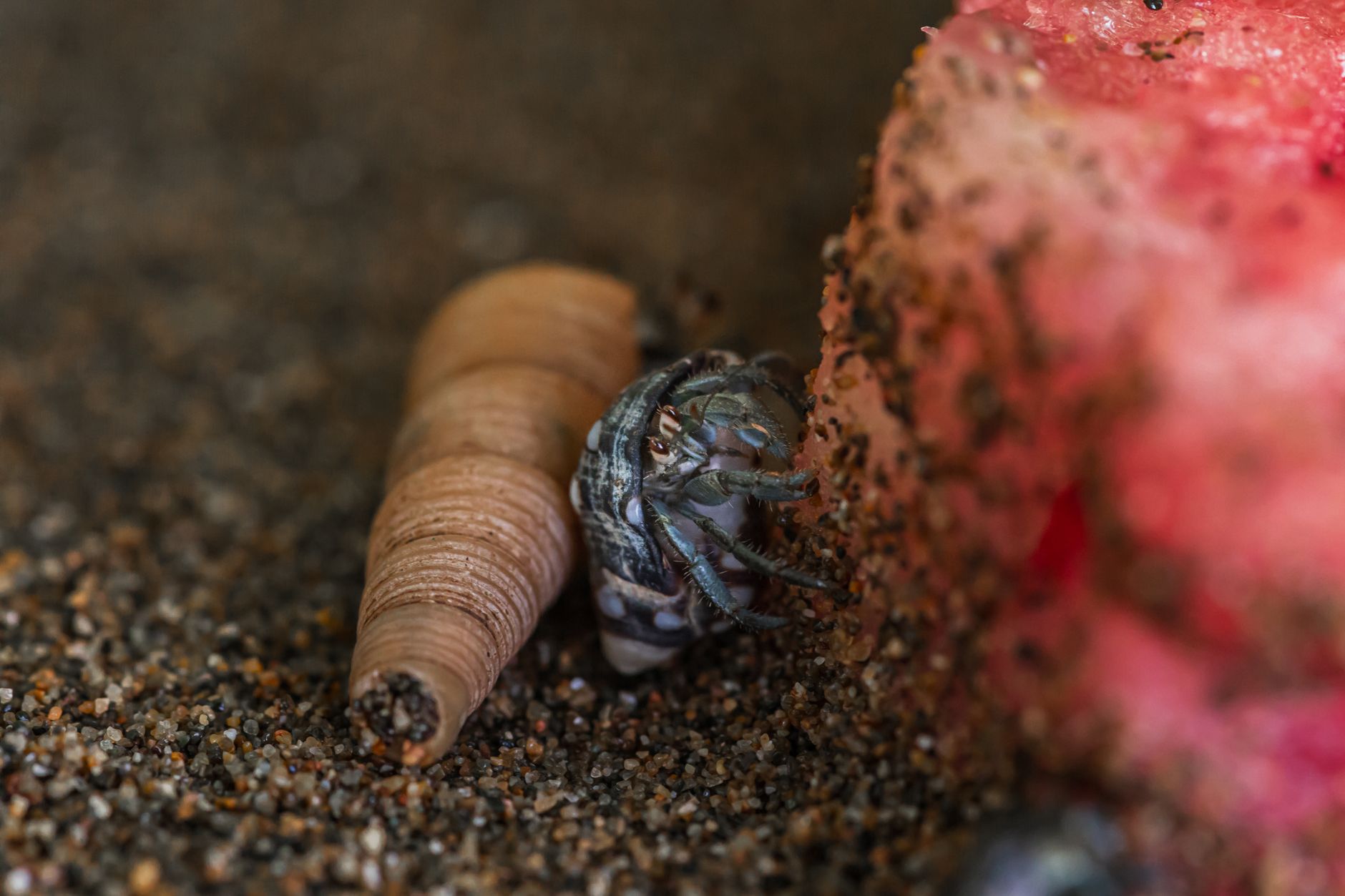
Is Super Glue Toxic to Hermit Crabs? A Deep Dive
Is super glue toxic to hermit crabs? In short, potentially, yes. The toxicity depends on the type of super glue used and whether it has fully cured, with fumes and uncured glue posing a threat to these sensitive crustaceans.

Understanding the Appeal of Super Glue in Hermit Crab Habitats
Many hermit crab enthusiasts utilize super glue in crafting elaborate and naturalistic enclosures. From attaching shells to creating climbing structures, its adhesive properties make it a convenient tool. However, understanding the potential risks associated with its use is crucial for ensuring the well-being of your shelled companions.

Is distilled water good for goldfish?
What colours are fish most attracted to?
Can you put your finger in a trout's mouth?
Is methylene blue anti bacterial?
The Chemical Composition of Super Glue

Super glue, generally, is composed of cyanoacrylate esters. Cyanoacrylates are acrylic resins that rapidly polymerize in the presence of moisture. This rapid polymerization is what gives super glue its incredible bonding strength and quick drying time. However, the fumes released during the curing process and the uncured glue itself can pose hazards.
Why Super Glue Can Be Dangerous to Hermit Crabs
Hermit crabs are particularly susceptible to the negative effects of super glue due to their sensitive respiratory systems and permeable exoskeletons.
- Fumes: The fumes emitted during the curing process contain volatile organic compounds (VOCs) that can irritate and damage the gills of hermit crabs.
- Direct Contact: Contact with uncured super glue can cause burns and prevent the crab from properly moving or using its appendages. This can lead to stress, injury, and ultimately, death.
- Ingestion: While less likely, if a hermit crab were to ingest uncured super glue, it could cause internal damage or blockages.
Choosing Safe Alternatives and Best Practices
Despite the risks, super glue can be used safely in hermit crab habitats if proper precautions are taken.
- Ventilation: Always use super glue in a well-ventilated area, far away from the hermit crab enclosure.
- Curing Time: Allow the super glue to fully cure and off-gas completely before introducing any item into the habitat. A minimum of 24-48 hours is generally recommended, but longer may be necessary depending on the specific glue.
- Type of Glue: Opt for cyanoacrylate-free alternatives, such as aquarium-safe silicone, or food-grade epoxy.
- Application Method: Apply the glue outside of the tank. This prevents direct exposure of the crabs to the fumes and uncured glue.
- Rinse: Rinse anything that was glued vigorously before introduction into the habitat.
Identifying Safe Super Glue
Some brands market cyanoacrylate super glues as “fish safe“, aquarium safe or even “coral safe“. These formulas are usually more inert when cured. They also usually have lower toxicity and less volatile components while curing.
Alternatives to Super Glue
For securing decor, there are several safer alternatives:
- Aquarium Silicone: This is often the safest option. It is specifically formulated for aquatic environments and is non-toxic to marine life once cured.
- Food-Grade Epoxy: These epoxies are non-toxic and safe for use in environments where animals are present. They offer excellent bonding strength.
- Mechanical Fasteners: Consider using zip ties, cable ties, or other mechanical fasteners to secure items without relying on adhesives.
A Comparison of Adhesives
| Adhesive | Toxicity Risk | Curing Time | Bonding Strength | Suitability for Hermit Crabs |
|---|---|---|---|---|
| Super Glue (Cyanoacrylate) | High (uncured) | Fast | High | Low (use with extreme caution) |
| Aquarium Silicone | Low | 24-48 hours | Medium | High |
| Food-Grade Epoxy | Low | Varies | High | High |
Potential Symptoms of Super Glue Exposure in Hermit Crabs
If a hermit crab is exposed to super glue fumes or uncured glue, it may exhibit the following symptoms:
- Lethargy
- Difficulty breathing
- Excessive grooming (especially around the gills)
- Loss of appetite
- Unusual behavior (e.g., not burying, constantly changing shells)
If you observe any of these symptoms, immediately remove the crab from the affected environment and provide fresh air and clean water. Seek advice from a veterinarian experienced with invertebrates.
Emergency Procedures
If a hermit crab gets directly stuck to super glue:
- Do NOT attempt to pull the crab free. This can cause serious injury.
- Apply a small amount of vegetable oil or mineral oil to the glued area to help loosen the bond.
- Exercise extreme patience and allow the oil to slowly penetrate the glue.
- Seek professional veterinary assistance if the crab is severely stuck or injured.
Frequently Asked Questions (FAQs)
Is all super glue equally toxic to hermit crabs?
No, not all super glue is created equal. Some formulations are less toxic than others, particularly those marketed as “fish safe” or “aquarium safe.” However, even these glues should be used with caution and allowed to fully cure before being introduced to the hermit crab habitat.
How long does super glue need to cure before being safe for hermit crabs?
The curing time depends on the type of super glue and environmental conditions (humidity, temperature). A general guideline is at least 24-48 hours in a well-ventilated area, but longer curing times may be necessary for thicker applications or less ventilated spaces. Always err on the side of caution.
Can I use super glue gel instead of liquid super glue?
While super glue gel may be easier to apply in some cases, it still poses the same risks as liquid super glue. The fumes and uncured glue are still toxic. Always prioritize safety and proper curing regardless of the form of glue.
Is the smell of super glue harmful to hermit crabs, even if it’s just a little bit?
Yes, even small amounts of super glue fumes can be harmful to hermit crabs. Their sensitive respiratory systems are easily irritated by VOCs. Ensure adequate ventilation when using super glue.
What is the best way to ensure super glue is completely cured?
The best way to ensure complete curing is to allow ample time in a well-ventilated area. You can also test a small, cured piece of glue by submerging it in water. If the water remains clear and odorless after 24 hours, the glue is likely fully cured.
Can I use super glue to repair a cracked hermit crab shell?
While tempting, using super glue directly on a hermit crab’s shell is highly discouraged. The fumes and potential for contact with the crab’s body are too risky. Instead, offer a variety of appropriately sized, undamaged shells for the crab to choose from.
What should I do if my hermit crab starts acting strangely after I used super glue in the tank?
If your hermit crab exhibits unusual behavior after super glue use, immediately remove it from the tank and provide fresh air and clean water. Monitor the crab closely and seek veterinary advice if its condition worsens.
Are there any specific brands of super glue that are safer for hermit crabs?
While no super glue is completely risk-free, some brands market products labeled “fish safe” or “aquarium safe.” Research these options and read reviews carefully. Remember to always prioritize proper curing and ventilation, regardless of the brand.
Can super glue cause long-term health problems for hermit crabs?
Yes, exposure to super glue fumes or uncured glue can cause long-term health problems for hermit crabs, including respiratory damage, organ damage, and a weakened immune system. Prevention is key.
Is it safe to use super glue on decorations that will be submerged in water in the hermit crab tank?
While technically feasible after COMPLETE curing, it is strongly suggested to avoid introducing any potential for leaching by applying super glue to objects submerged in the habitat. Over time, breakdown of even a fully cured product may be possible. Use the alternatives provided and never risk the health of your pet.
If I use super glue, can I just add more substrate to cover it up?
Adding more substrate over uncured super glue will not prevent fumes from entering the habitat and affecting your hermit crabs. The chemicals released by the adhesive are toxic regardless. Covering does not eliminate the need for proper curing and ventilation!
How do I safely remove a glued decoration from a hermit crab tank if I suspect it’s causing problems?
To safely remove a glued decoration from the tank, first, remove the hermit crabs to a clean, safe environment. If possible, carefully cut around the glued area with a sharp knife or razor blade. If this isn’t possible, you may need to carefully break the decoration, ensuring no sharp pieces are left in the tank. After removing the decoration, thoroughly clean the tank and replace the substrate before reintroducing the hermit crabs.