
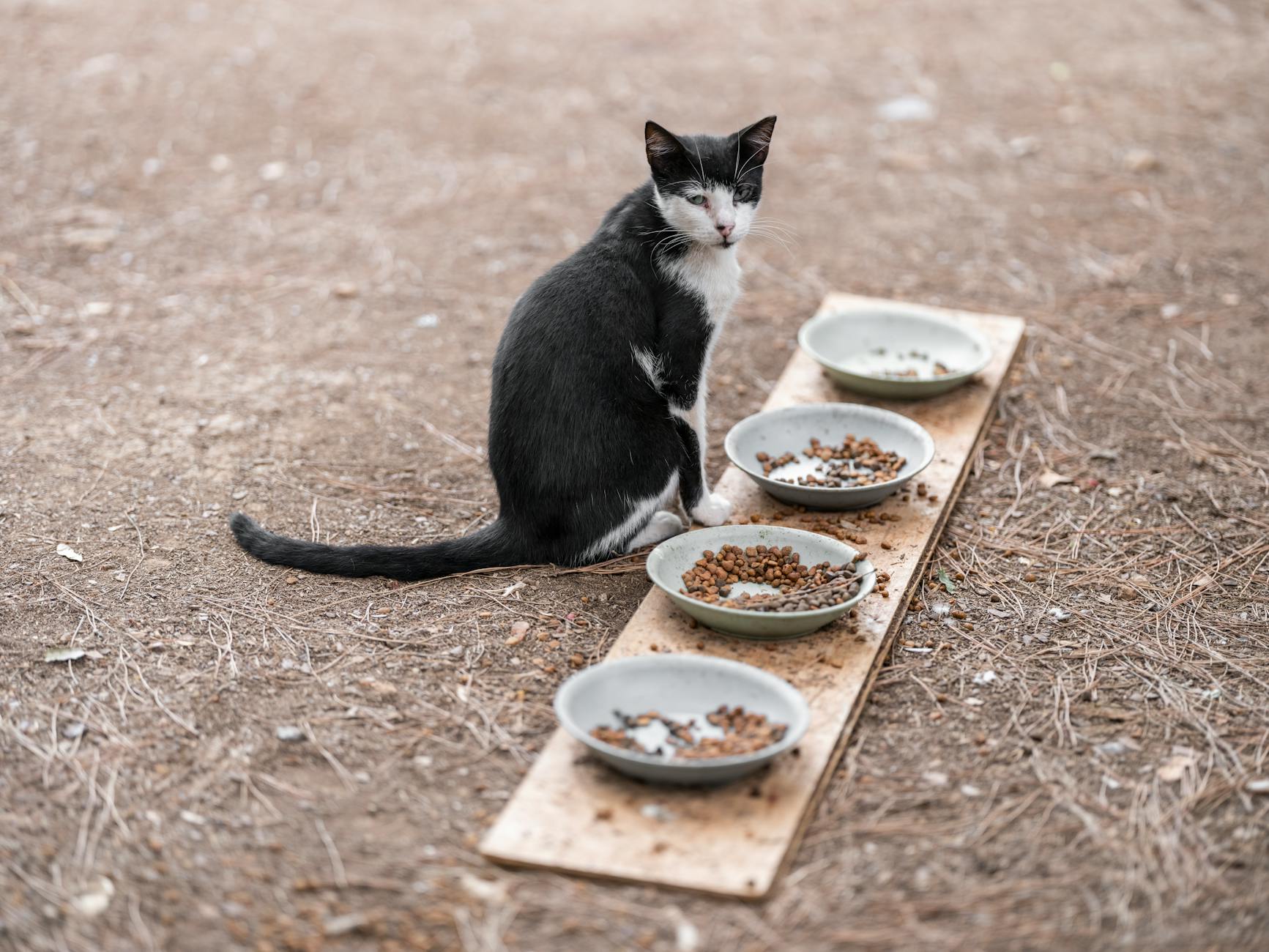
Should You Let Cats Eat Whenever They Want? The Ongoing Debate
Free-feeding cats, or allowing them access to food at all times, is a complex issue. While it can seem convenient, the better approach is usually scheduled meals to help maintain a healthy weight and monitor their eating habits, making it often advisable to ask yourself “Should you let cats eat whenever they want?” and arrive at the better answer for your individual feline.
Understanding Free-Feeding: The Basics
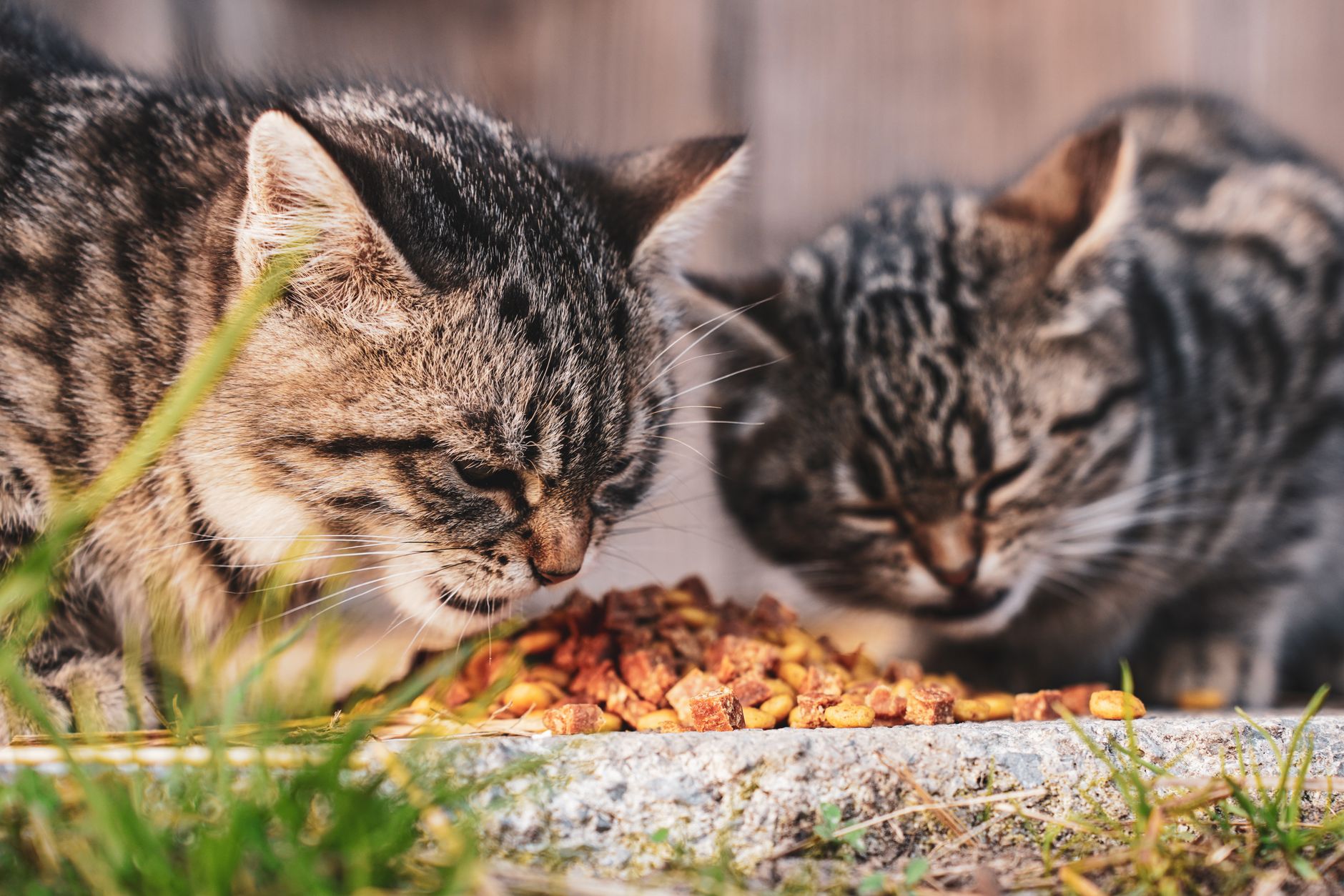
The practice of free-feeding, also known as ad libitum feeding, involves leaving a bowl of dry food accessible to your cat at all times. This allows them to eat whenever they feel hungry, mimicking a more natural grazing behavior. This approach contrasts with scheduled feeding, where meals are offered at specific times of the day and then removed after a set period.

What do California tiger salamanders eat?
What is the GREY African clawed frog?
Is distilled water good for goldfish?
What colours are fish most attracted to?
Potential Benefits of Free-Feeding

While not always the optimal choice, free-feeding can offer certain advantages in specific circumstances:
- Convenience: It simplifies meal times, eliminating the need for strict feeding schedules.
- Multiple Cat Households: Potentially beneficial when cats have different eating speeds or needs, though careful monitoring is crucial.
- Stress Reduction (Sometimes): Some cats may experience less stress knowing food is always available, particularly those with a history of food insecurity. This can be particularly appealing if your answer to “Should you let cats eat whenever they want?” leans toward the affirmative in your specific circumstance.
The Downsides: Why Scheduled Feeding is Often Preferable
Despite the convenience, free-feeding presents several significant drawbacks that often outweigh the potential benefits. These concerns are central to why many vets recommend against it.
- Obesity: This is the most significant risk. Cats, especially indoor cats, are prone to overeating when food is constantly available, leading to weight gain and related health problems like diabetes, arthritis, and heart disease.
- Difficulty Monitoring Food Intake: Free-feeding makes it difficult to track how much each cat is eating, which is crucial for detecting early signs of illness. A change in appetite can be a key indicator of health issues.
- Finicky Eating Habits: Constant access to food can lead to cats becoming pickier eaters, as they know they can always wait for something “better.”
- Aggression in Multi-Cat Households: Despite the potential benefits, free-feeding can also exacerbate resource guarding and aggression among cats competing for the readily available food.
- Stale Food: Leaving dry food out for extended periods can cause it to become stale and lose nutritional value. It can also attract pests.
Scheduled Feeding: A Healthier Approach
Scheduled feeding, also known as meal feeding, involves offering your cat a measured amount of food at specific times each day. This approach offers several advantages:
- Weight Management: Allows you to control your cat’s calorie intake and prevent overeating.
- Monitoring Food Intake: Makes it easier to track how much your cat is eating, helping you detect any changes in appetite that may indicate illness.
- Better Digestion: Regular feeding times can promote healthier digestion.
- Stronger Bond: Creates a positive interaction between you and your cat during mealtimes.
- Easier Medication: It’s easier to administer medication when you know your cat will be eating at a specific time.
Transitioning from Free-Feeding to Scheduled Feeding
If you’re currently free-feeding your cat and want to switch to scheduled feeding, it’s important to do so gradually:
- Establish a Feeding Schedule: Choose specific times for meals, typically twice a day (morning and evening).
- Measure Food Portions: Determine the appropriate amount of food based on your cat’s age, weight, activity level, and the food’s calorie content. Consult with your veterinarian for guidance.
- Reduce Free-Feeding Gradually: Start by offering smaller amounts of food in the free-feeding bowl.
- Introduce Scheduled Meals: Offer a portion of the daily food allowance at the scheduled mealtime.
- Remove Remaining Food: After 20-30 minutes, remove any remaining food.
- Stick to the Schedule: Be consistent with the feeding times to help your cat adjust.
- Ignore Begging: Your cat may initially beg for food between meals. Resist the temptation to give in, as this will reinforce the behavior.
- Provide Enrichment: Offer plenty of toys and playtime to keep your cat entertained and prevent boredom-related overeating.
Table: Comparing Free-Feeding and Scheduled Feeding
| Feature | Free-Feeding | Scheduled Feeding |
|---|---|---|
| Weight Management | Difficult to control, high risk of obesity | Easier to control, reduces risk of obesity |
| Food Intake | Difficult to monitor, may miss early signs of illness | Easier to monitor, allows for early detection of health problems |
| Digestion | Can be inconsistent | Promotes regular digestion |
| Convenience | Highly convenient | Requires more planning and effort |
| Cost | Can be more expensive due to potential overeating and food wastage | Can be more cost-effective as food consumption is controlled |
| Behavior | May lead to finicky eating and resource guarding in multi-cat households | Promotes regular feeding habits and can reduce aggression over food |
Frequently Asked Questions (FAQs)
Is free-feeding ever a good idea?
Free-feeding might be suitable for highly active cats who maintain a healthy weight despite having constant access to food. However, even in these cases, monitoring food intake is still challenging. In the vast majority of cases, the answer to “Should you let cats eat whenever they want?” is still no.
How much should I feed my cat per day?
The amount of food your cat needs depends on several factors, including age, weight, activity level, and the type of food you’re feeding. Consult your veterinarian for personalized recommendations.
What is the best type of food for my cat?
The best food for your cat is a high-quality, balanced diet that meets their specific nutritional needs. Look for foods that are specifically formulated for your cat’s life stage (kitten, adult, senior). Discuss diet options with your vet.
How often should I feed my cat?
Most adult cats do well with two meals per day, while kittens may need to be fed more frequently. Always follow your veterinarian’s recommendations.
Can I free-feed wet food?
No, wet food should not be left out at room temperature for more than a few hours, as it can spoil and attract bacteria. Wet food should always be offered at scheduled mealtimes and any uneaten portion discarded.
What are the signs of obesity in cats?
Signs of obesity in cats include difficulty feeling their ribs, a lack of a defined waistline, and a waddling gait. If you are not sure, consult your veterinarian for confirmation.
How can I help my cat lose weight?
If your cat is overweight, work with your veterinarian to develop a safe and effective weight loss plan. This may involve feeding a calorie-restricted diet, increasing exercise, and monitoring their progress.
Is it cruel to restrict my cat’s food?
No, it is not cruel to restrict your cat’s food if they are overweight or prone to overeating. In fact, it’s essential for their health and well-being. Providing measured meals is an act of responsible pet ownership.
What if my cat begs for food between meals?
Ignore the begging. Giving in will only reinforce the behavior. Make sure your cat is getting enough food at mealtimes and provide plenty of enrichment to keep them entertained.
Can I use an automatic feeder for scheduled feeding?
Yes, automatic feeders can be a convenient way to provide scheduled meals, especially if you’re not home during the day. Choose a reliable feeder with accurate portion control.
My cat is a grazer. Is scheduled feeding still possible?
Yes, it’s still possible. It might take more patience and persistence to transition a grazing cat to scheduled feeding. Start slowly and gradually reduce the amount of food available at all times.
Should you let cats eat whenever they want? if they have health issues?
In cases of certain health conditions like diabetes or hyperthyroidism, the timing and type of food are even more crucial. Always follow your veterinarian’s specific recommendations for feeding cats with health issues. These may impact the answer to “Should you let cats eat whenever they want?” but ultimately, it’s something to discuss with your vet.