

Is Stuffing Toxic to Dogs? Unveiling the Thanksgiving Danger
Yes, stuffing can be toxic to dogs, and this is mainly due to the ingredients commonly used in its preparation, such as onions, garlic, grapes, and certain herbs. This article will explain why stuffing poses a risk and how to protect your furry friend.

Understanding the Potential Dangers of Stuffing for Dogs
Thanksgiving, Christmas, and other holidays often involve tables laden with delicious food, including stuffing. While tempting, sharing this festive dish with your canine companion can be dangerous. Many ingredients considered safe for humans are harmful, and even potentially deadly, to dogs. Is stuffing toxic to dogs? The simple answer is often yes, depending on what’s in it.

What colours are fish most attracted to?
Can you put your finger in a trout's mouth?
Is methylene blue anti bacterial?
Does aquarium salt raise pH in aquarium?
Common Toxic Ingredients in Stuffing
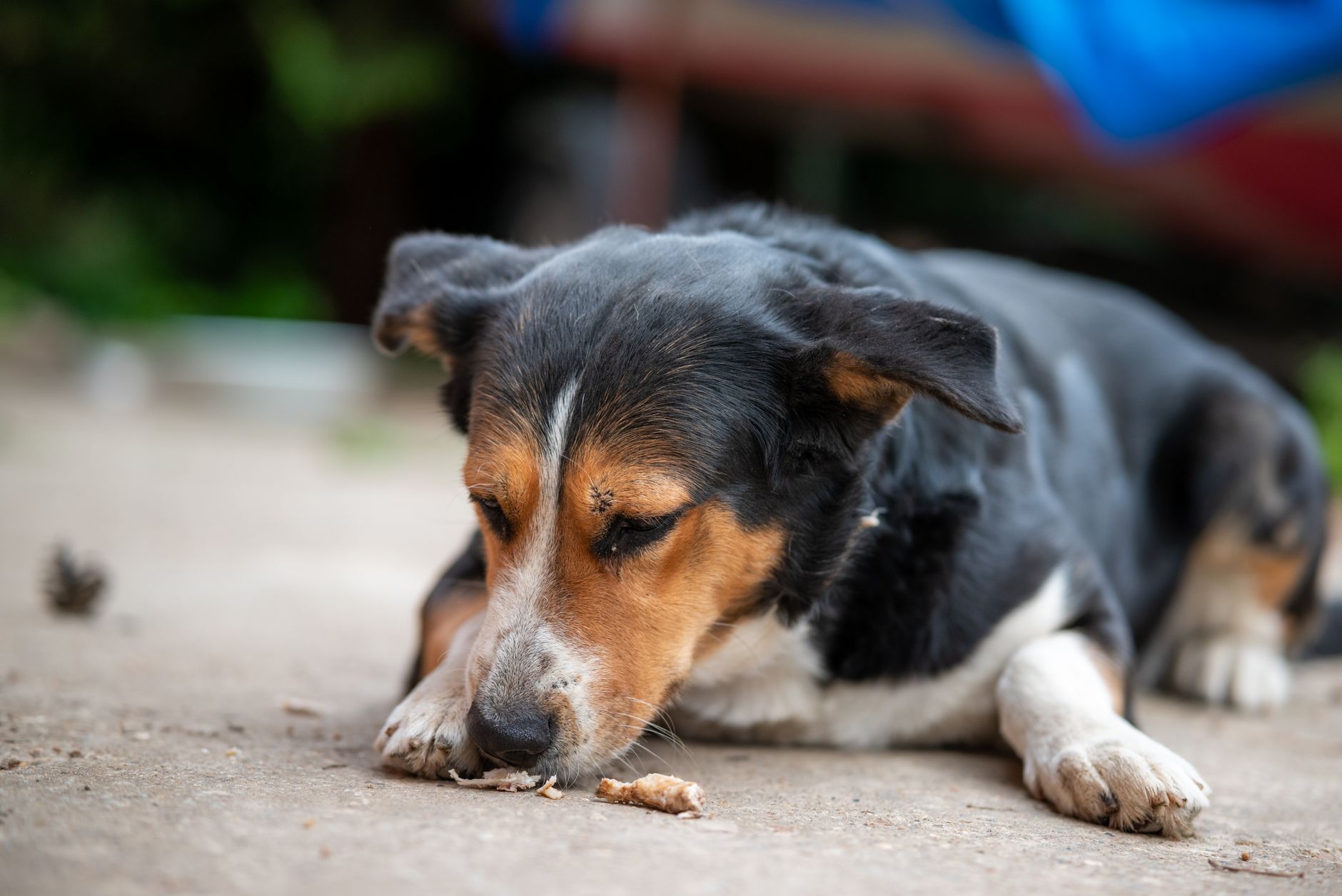
The real danger lies in the components used to create this popular side dish. Here are some key ingredients that make stuffing dangerous for your dog:
- Onions and Garlic: These are members of the Allium family and are highly toxic to dogs, regardless of whether they are raw, cooked, dried, or powdered. They damage red blood cells, leading to anemia.
- Grapes and Raisins: Even small amounts of grapes or raisins can cause kidney failure in dogs. The exact mechanism of toxicity is still unknown, but the effect is severe.
- Macadamia Nuts: Although less common in stuffing, macadamia nuts can cause weakness, tremors, and hyperthermia in dogs.
- Xylitol: Found in some sugar-free products, xylitol is extremely toxic to dogs, causing a rapid drop in blood sugar and liver failure.
- High Salt Content: Excessive sodium can lead to dehydration, electrolyte imbalances, and even sodium ion poisoning.
- Certain Herbs and Spices: While some herbs are safe, others like nutmeg can be toxic in large quantities.
The Impact of Different Types of Stuffing
It’s important to consider the specific type of stuffing when evaluating the risk. Some common variations include:
- Bread Stuffing: While plain, cooked bread is generally safe for dogs in small quantities, the added ingredients can be problematic.
- Sausage Stuffing: Sausage often contains onion, garlic, and high levels of fat, making it a risky choice.
- Wild Rice Stuffing: While wild rice itself isn’t toxic, the additions, such as grapes or mushrooms, can cause issues.
Symptoms of Toxicity
If your dog manages to sneak a bite of stuffing, it’s crucial to monitor them for signs of toxicity. Common symptoms include:
- Vomiting
- Diarrhea
- Lethargy
- Loss of appetite
- Abdominal pain
- Increased heart rate
- Panting
- Weakness
- Tremors
If you observe any of these symptoms, contact your veterinarian immediately.
Prevention is Key
The best way to protect your dog is to prevent them from accessing stuffing in the first place. This involves:
- Keeping stuffing out of reach, especially during preparation and serving.
- Instructing guests not to feed your dog scraps from the table.
- Providing your dog with safe, dog-friendly treats during meal times.
- Properly disposing of leftovers to prevent scavenging.
What to Do if Your Dog Eats Stuffing
If you know or suspect your dog has eaten stuffing, time is of the essence.
- Contact Your Veterinarian Immediately: This is the most important step. Provide details about the amount of stuffing consumed and the ingredients it contained.
- Induce Vomiting (Only Under Veterinary Guidance): Do not induce vomiting unless specifically instructed to do so by your vet. Certain substances can cause further damage if vomited.
- Monitor Your Dog Closely: Watch for any signs of toxicity and be prepared to transport them to the vet for treatment if needed.
Frequently Asked Questions (FAQs)
Is all stuffing toxic to dogs?
No, not all stuffing is inherently toxic, but the vast majority of recipes contain ingredients that are harmful to dogs, particularly onions and garlic. Even small amounts of these ingredients can cause significant health problems.
Can dogs eat stuffing without onions or garlic?
While excluding onions and garlic reduces the risk, stuffing still often contains high levels of salt, fat, and potentially other toxic ingredients like grapes, raisins, or spices. It is still not recommended.
What about store-bought stuffing mixes? Are they safe?
Store-bought stuffing mixes are generally not safe for dogs, as they often contain dehydrated onions and garlic powder, as well as high sodium levels and artificial flavors that can be detrimental to their health.
My dog only ate a small bite of stuffing. Do I still need to worry?
Even a small bite of stuffing can be problematic, especially if it contains onions, garlic, grapes, or raisins. The severity of the reaction depends on the size of the dog and the concentration of toxic ingredients. Monitoring your dog closely and contacting your veterinarian is still advised.
Are there any dog-safe stuffing recipes?
Yes, you can create dog-safe stuffing using ingredients like plain cooked rice, unsalted chicken broth, dog-friendly vegetables (carrots, green beans), and lean protein (cooked chicken or turkey). Be sure to avoid any onions, garlic, grapes, raisins, or toxic spices. Always introduce new foods gradually to avoid digestive upset.
What are the signs of onion or garlic toxicity in dogs?
Signs of onion or garlic toxicity include vomiting, diarrhea, weakness, lethargy, loss of appetite, pale gums, and increased respiratory rate. These symptoms may not appear immediately and can develop over several days.
How much onion or garlic is toxic to dogs?
The amount of onion or garlic that is toxic varies depending on the dog’s size and breed. However, even a relatively small amount can be harmful. As a general guideline, as little as 15 grams of onions per kilogram of a dog’s weight can cause toxic effects.
What if my dog has a pre-existing health condition?
If your dog has a pre-existing health condition, such as kidney or liver disease, they may be even more susceptible to the toxic effects of stuffing ingredients. In these cases, it is even more critical to be cautious and contact your veterinarian immediately if they consume stuffing.
What kind of herbs are safe for dogs in stuffing?
Some dog-safe herbs include parsley, rosemary, and sage in moderation. However, it’s crucial to ensure that these herbs are fresh and free from pesticides or other harmful substances. Always introduce new herbs gradually to monitor for any adverse reactions.
What’s the best way to dispose of stuffing leftovers to keep my dog safe?
The best way to dispose of stuffing leftovers is to seal them tightly in a bag and place them in a secure garbage can that your dog cannot access. Consider taking the trash outside immediately to further minimize the risk.
Can I give my dog plain bread instead of stuffing?
While plain, unseasoned bread is generally safe for dogs in small amounts, it offers little nutritional value and should not be a regular part of their diet. Offer it sparingly as a treat.
What are some safe alternatives to stuffing for dogs during the holidays?
Instead of sharing stuffing, offer your dog safe and healthy alternatives such as cooked sweet potatoes, green beans, carrots, or a small amount of plain cooked turkey (without skin or bones). You can also find commercially available dog-friendly holiday treats.